
Act 38-2026 changes the tax consequences of Puerto Rico residency under Act 60. It also affects how buyers purchase, title and occupy a luxury property on the island. The filing date determines which decree-rate regime applies, while the relocation date remains important for eligibility and federal bona fide-residency requirements.
If you plan to purchase Puerto Rico luxury real estate and secure your tax benefits, the filing deadline of December 31, 2026 is the most consequential date on your calendar. This checklist walks you through the eligibility rules, residency requirements, decree process, and primary residence obligations so you can make informed decisions before that window closes.
Key Takeaways
Applications filed by December 31, 2026 may qualify for the legacy tax regime.
Filing date and relocation date affect different eligibility requirements.
Buying property alone does not establish bona fide Puerto Rico residency.
Investors generally must acquire a Puerto Rico primary residence within two years.
Tax filings, annual reports and residency documentation remain ongoing obligations.
Act 38-2026 Requirements for Luxury Property Buyers in Puerto Rico

Act 38-2026 does not replace Act 60 Puerto Rico in its entirety. It amends the Resident Individual Investor chapter by introducing a hard filing deadline that separates legacy-rate applicants from future-rate applicants. For Puerto Rico high-net-worth buyers, this distinction carries real financial weight, and the real estate decisions you make now will either support or undermine your decree compliance for years.
The following checklist covers every major compliance gate, from initial eligibility through ongoing primary residence obligations. Read more in the DDEC informative bulletin.
Step 1: Confirm Your Eligibility Before You Buy
Before you sign a purchase contract on any of the luxury properties in Puerto Rico you are considering, you need to confirm that you actually qualify for the regime you are targeting. The eligibility rules differ sharply depending on your filing date, and getting this wrong is costly.
0% legacy regime (file on or before Dec 31, 2026): You must not have been a Puerto Rico resident at any point between January 17, 2006 and January 17, 2012. This is a fixed look-back window, not a rolling one.
4% future regime (file on or after Jan 1, 2027): The look-back becomes a rolling six-year non-residency period immediately preceding your relocation date. If you lived in Puerto Rico within the past six years, you may be disqualified.
Prior Puerto Rico residency: Even brief residency during the applicable look-back period can disqualify you. Review your tax filings and travel records carefully.
U.S. citizen or resident alien status: Confirm how citizenship, immigration status and U.S. tax status affect the federal treatment of Puerto Rico-source and non-Puerto Rico-source income. Confirm your filing status with a licensed Puerto Rico tax advisor before proceeding.
No existing decree: If you previously held an Act 20, Act 22, or Act 60 decree that lapsed or was revoked, consult legal counsel before reapplying. Prior decree history can complicate a new application.
Step 2: Understand the Filing Deadline and Its Real-Estate Implications
The December 31, 2026 filing deadline is a hard cutoff, not a soft guideline. DDEC states that an Individual Resident Investor application must be received through the Incentives Portal by 11:59 p.m. on December 31, 2026, as shown by the filing-fee payment timestamp. Applicants should submit all required information and confirm the filing requirements with Puerto Rico counsel.
File complete, not just early: DDEC reviews applications for completeness. A partial submission filed in December 2026 may not qualify if it lacks required attachments or fees.
Your move date is separate from your filing date: You can file your application before you physically relocate, but you must establish bona fide residency to activate your benefits. Plan your move timeline around the filing deadline, not the other way around.
Real estate purchase timing matters: If you are buying Puerto Rico luxury real estate as your future primary residence, closing before year-end 2026 strengthens your application by demonstrating intent to establish residency. It is not legally required, but it adds credibility to your decree file.
Form 8898 triggers: IRS Form 8898 may be required when worldwide gross income exceeds $75,000 and the taxpayer begins or ends bona fide residence under one of the specified federal conditions. Confirm the filing requirement with a qualified tax adviser.
Step 3: Establish Bona Fide Residency Under IRC §937
Purchasing a home in Puerto Rico does not automatically make you a bona fide resident. The IRS applies a three-part test under IRC §937, and you must satisfy all three parts every year you claim Act 60 benefits. Puerto Rico tax residency compliance is an ongoing obligation, not a one-time box to check.
The three tests work together, and weakness in one area can undermine an otherwise solid compliance position.
The Presence Test
You must spend at least 183 days in Puerto Rico during the tax year.
Most qualifying days are based on physical presence in Puerto Rico, although federal rules provide limited exceptions for certain circumstances. Remote workdays from the mainland do not count.
Travel outside Puerto Rico for work or personal reasons reduces your day count. Track every departure and return date.
Keep a contemporaneous day-count log. Reconstructing travel records after the fact is difficult and often incomplete.
The Tax Home Test
During the relevant tax year, the taxpayer generally must not have a tax home outside Puerto Rico. The analysis normally focuses on the principal place of business, although residence can become relevant when there is no regular or principal place of business.
If you run a business or hold investments, the management activity should occur on the island.
Maintaining an office, staff, or business address in the continental U.S. while claiming Puerto Rico as your tax home creates a gray area that auditors scrutinize closely.
The Closer Connection Test
The taxpayer must not have a closer connection to the United States or a foreign country than to Puerto Rico.
Factors include: location of your primary residence, location of your family, location of your social and professional ties, jurisdiction of your driver's license and vehicle registration, and location of your bank accounts.
Maintaining a second home on the mainland is not automatically disqualifying, but it raises the burden of proof on the closer-connection test.
Luxury villa buyers who use their Puerto Rico property only seasonally face real risk here. If you spend summers in the Hamptons and winters in Dorado, your closer-connection analysis needs careful documentation.
Step 4: Navigate the Primary Residence Requirement

Most Act 60 Resident Individual Investor decrees require you to acquire a primary residence in Puerto Rico within two years of your decree grant date. For buyers of Puerto Rico luxury homes, this requirement intersects directly with how you structure your purchase. Getting the property classification wrong can put your decree at risk.
The distinction between a primary residence and an investment property carries compliance consequences that go beyond tax treatment.
A practical scenario worth thinking through: you purchase a beachfront villa in Dorado as your primary residence but rent it out for six weeks during peak season to offset carrying costs. Speak with your Puerto Rico legal counsel before listing any part of your primary residence for rent.
Step 5: Complete the Puerto Rico Decree Application Process
The Puerto Rico decree application process involves more documentation than many first-time applicants expect. Puerto Rico relocation for investors requires a coordinated effort between your attorney, accountant, and real estate advisor. Gaps in your application package are the most common reason for delays.
A complete application typically includes the following items.
Completed DDEC application form with all required personal and financial disclosures.
Proof of Puerto Rico residency intent: A purchase contract or closing documents may help document an applicant’s relocation plans, but buying property before December 31, 2026 does not replace the decree-application deadline or establish bona fide residency.
Criminal background check: Required for all applicants. Processing times vary, so order this early.
Annual report commitment: Decree holders must file annual compliance reports with DDEC confirming continued residency and activity. Failure to submit a complete annual report can result in filing fees, administrative penalties and further compliance action under the decree and Incentives Code.
Application fee payment: Fees vary by decree type. Confirm current amounts with DDEC or your Puerto Rico attorney before filing.
Charitable contribution requirement: Resident Individual Investor decree holders generally must make at least $10,000 in qualifying annual charitable contributions and comply with the allocation requirements in the current Incentives Code.
Step 6: Manage Ongoing Compliance After Your Decree Is Granted
Receiving your decree is not the finish line. Puerto Rico tax residency compliance is an annual discipline, and high-net-worth buyers who treat it as a one-time event often encounter problems during IRS or DDEC audits. The following items require consistent attention every year.
Day-count logs: Maintain a contemporaneous travel diary with dates, destinations, and purpose of each trip. Digital tools like calendar apps with location tracking can help, but a written log reviewed by your accountant quarterly is the standard practice.
Puerto Rico tax returns: A bona fide Puerto Rico resident generally files a Puerto Rico return reporting worldwide income, subject to the applicable Puerto Rico tax rules and decree provisions.
U.S. federal returns: Federal filing obligations depend on income source and the taxpayer’s circumstances. Bona fide Puerto Rico residents may generally exclude qualifying Puerto Rico-source income from the U.S. return, but other federal reporting or tax obligations can remain.
DDEC annual report: Submit your annual compliance report on time. Late filings attract penalties and draw scrutiny.
Primary residence documentation: Keep utility bills, bank statements, and other records that show your Puerto Rico luxury home as your primary address. These records become critical if your residency is ever challenged.
Charitable contribution receipts: Retain written acknowledgment from each qualifying Puerto Rico nonprofit for every annual contribution.
Changes in circumstances: If you sell your primary residence, experience a change in marital status, or shift your business activity outside Puerto Rico, notify your attorney immediately. Each of these events can affect your decree compliance status.
Common Pitfalls and Gray Areas to Watch

Puerto Rico real estate due diligence for Act 60 buyers goes beyond title searches and property inspections. Several compliance pitfalls catch even sophisticated buyers off guard, and understanding them in advance reduces your exposure.
Buying through an LLC or trust: Permitted ownership structures depend on the application date. Pre-2027 applicants may have broader entity-ownership options, while post-2026 applicants generally must hold the property individually, jointly with a spouse or through a qualifying grantor trust.
Spending winters in Puerto Rico, summers elsewhere: If your lifestyle splits time between Puerto Rico and another jurisdiction, you need a detailed closer-connection analysis each year. Do not assume 183 days alone is sufficient if your other ties remain strong.
State-level exit issues: Some U.S. states, particularly California and New York, aggressively audit residents who claim to have relocated. Cutting ties with your former state of domicile requires deliberate action: change your voter registration, update your driver's license, close local bank accounts, and document the change of domicile formally.
Renting your primary residence: As noted above, even occasional rental of your primary residence can jeopardize its classification under your decree. If rental income is part of your strategy, purchase a separate investment property for that purpose.
Incomplete decree files: DDEC has returned applications for missing attachments. A returned application filed in late December 2026 may not be considered timely if the complete package arrives after the deadline. Because document collection and professional review can take time, applicants may wish to begin well before the deadline.
This article is a working checklist, not legal advice. Puerto Rico tax incentives involve complex federal and local law interactions, and the stakes for high-net-worth buyers are significant. Engage a licensed Puerto Rico tax attorney and a CPA with Act 60 experience before making any decisions based on this content.
Puerto Rico Luxury Properties for Sale
Securing your Act 38-2026 decree and identifying the right primary residence are decisions that belong together, and Christie's International Real Estate Puerto Rico connects Puerto Rico high-net-worth buyers with luxury properties for sale that meet both lifestyle and compliance objectives. The listings below represent a cross-section of what the market currently offers, from beachfront estates to historic urban residences, each suited to buyers who need a credible, well-documented primary residence in Puerto Rico.
Explore these featured luxury properties in Puerto Rico and speak with a specialist about how each property can support your Act 60 residency profile.
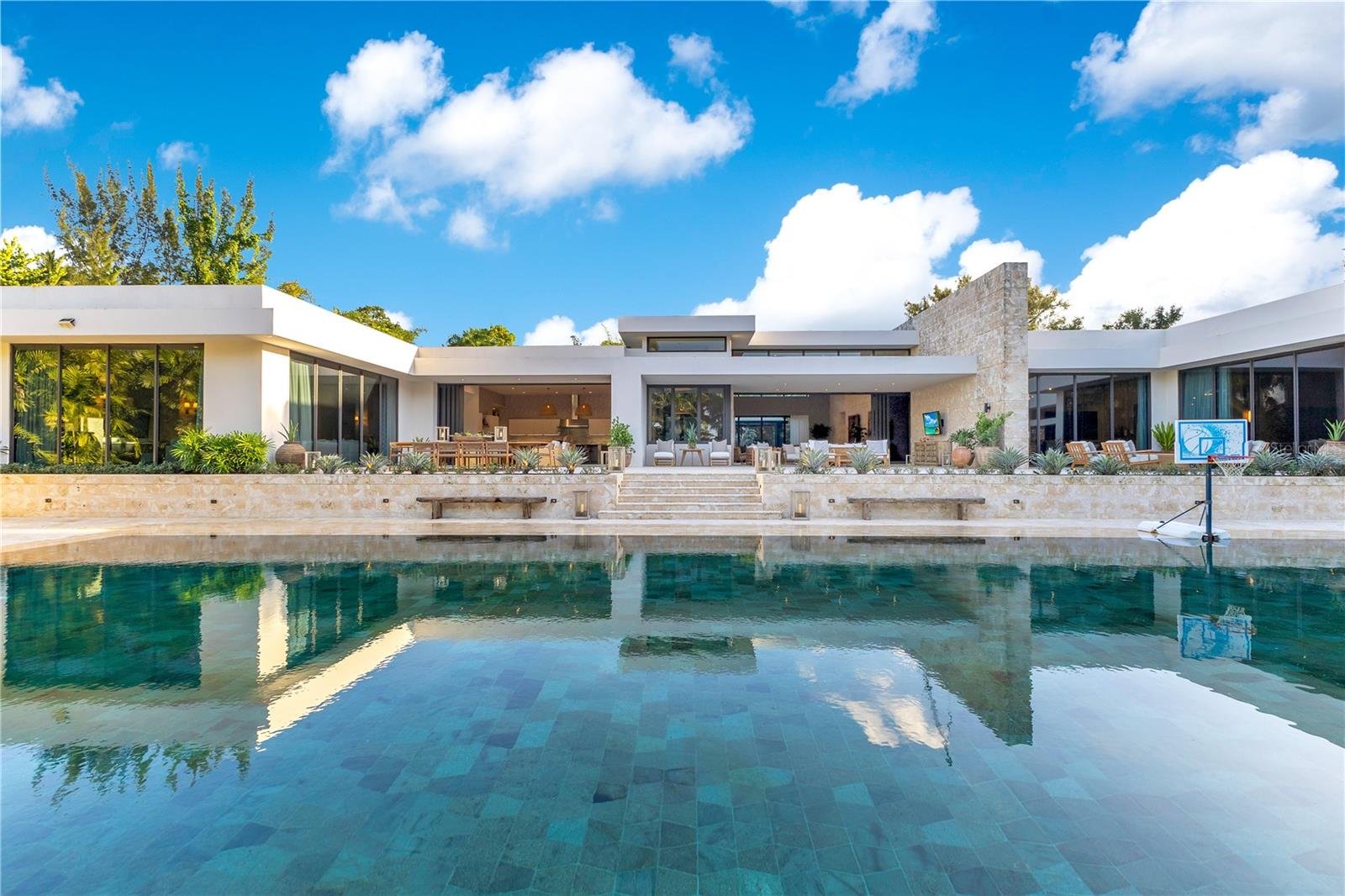
17 Dorado Beach Estates, Dorado, PR 00646
This estate sits within one of Puerto Rico's most sought-after gated communities, offering the privacy, security, and full-time occupancy infrastructure that supports a strong primary residence compliance profile. Its location in Dorado places you within one of the island's premier Puerto Rico luxury real estate markets, with direct access to world-class amenities year-round.
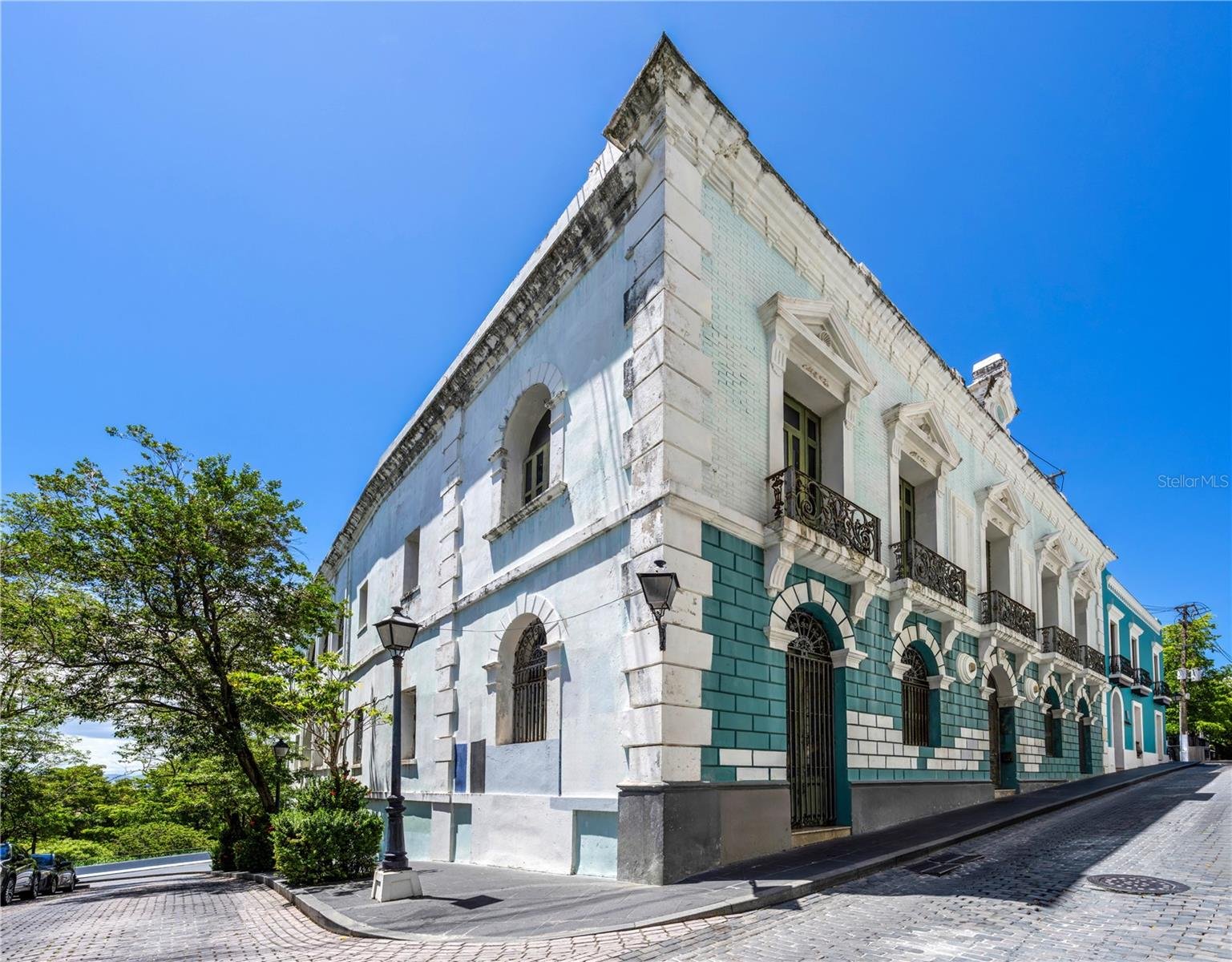
152 Tetuan St, San Juan, PR 00901
Located in the heart of Old San Juan, this property combines historic character with the urban connectivity that high-net-worth buyers who manage businesses from Puerto Rico often require. It offers a distinctive primary residence option in a neighborhood where cultural ties and community presence naturally reinforce your closer-connection documentation.
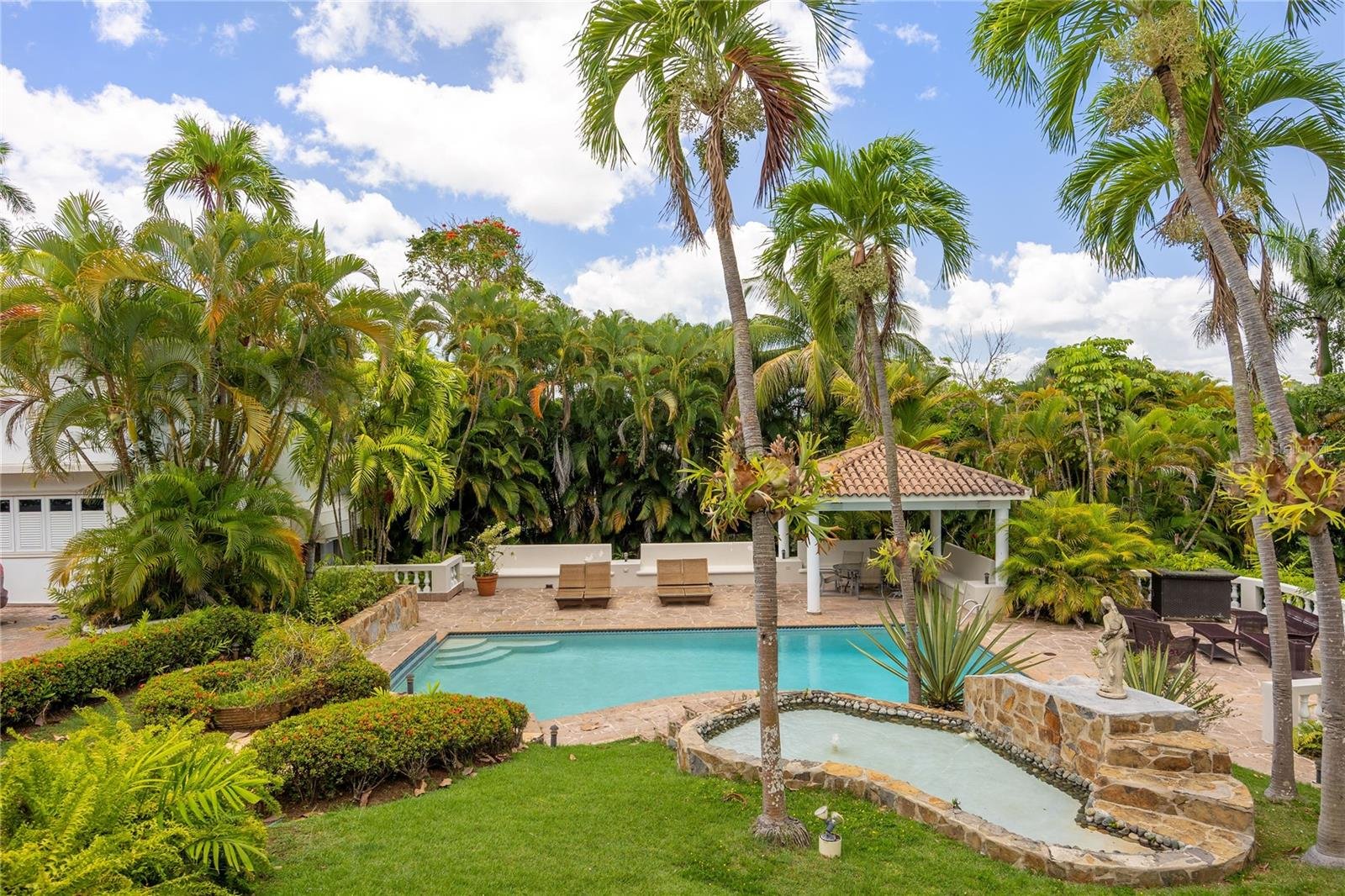
A Street, Villa Caparra #A-13, Guaynabo, PR 00966
Villa Caparra is a well-established residential enclave in Guaynabo that attracts buyers seeking a quieter, suburban setting close to San Juan's business and professional community. This property suits buyers who want a primary residence that reflects long-term commitment to island living rather than a seasonal footprint.

37 Barrio Frailes, Culebra, PR 00775
Set on the island of Culebra, this property offers a rare combination of seclusion and natural beauty that few Puerto Rico luxury homes can match. For buyers whose lifestyle centers on the water and whose closer-connection case benefits from a clearly defined island base, this listing presents a compelling option.
Final Compliance Considerations
Act 38-2026 makes filing dates, residency planning and property ownership closely connected. Buyers should confirm every tax and decree requirement with qualified Puerto Rico legal and tax advisers. Careful planning can help protect both the investment and its long-term compliance.
Planning to buy, sell or rent a luxury property in Puerto Rico? Christie’s International Real Estate Puerto Rico provides trusted local guidance across the island’s leading luxury markets. Contact the team to discuss your property goals and explore the right opportunities.
FAQs
Does a pre-2026 property purchase “grandfather” me into the 0% rate if I file later?
No. Act 38-2026 hinges on when a complete decree application is filed with DDEC, not when you buy real estate or when you arrive. Buying earlier can support intent, but it does not substitute for timely filing.
Can I use a newly built home or major renovation to satisfy the primary residence requirement?
Do not assume that construction or renovation alone satisfies the requirement. Confirm with Puerto Rico counsel whether the acquisition, title and occupancy arrangements meet the decree’s primary-residence conditions within the required period.
What happens if my primary residence is unavailable temporarily (repairs, storms, medical travel)?
Temporary absence does not automatically resolve or defeat residency status, but it can affect the presence test and the evidence supporting a closer connection to Puerto Rico. Keep records of the circumstances and obtain advice before the tax year ends.