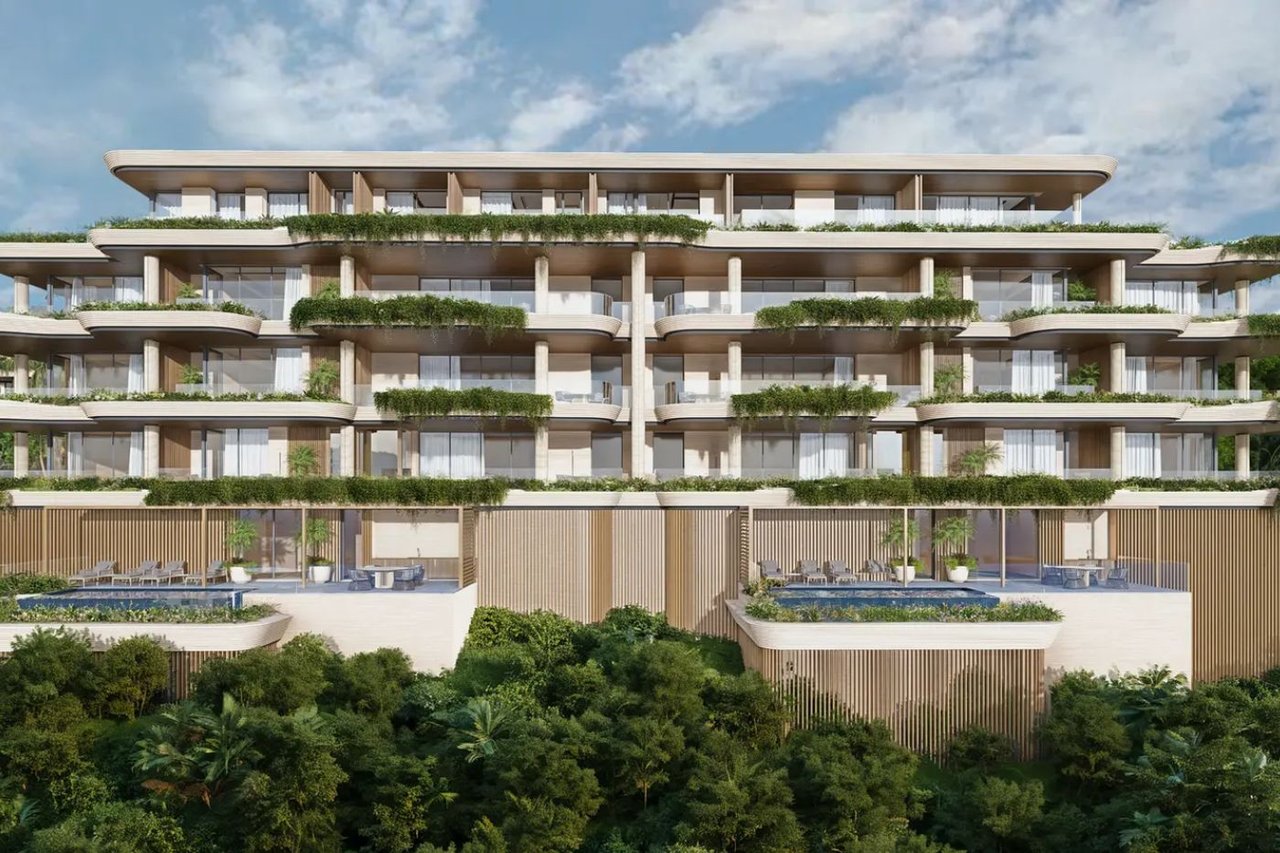
Ask ten property owners in Puerto Rico’s most sought‑after neighborhoods why they bought when they did, and the reasons rarely line up. A relocation to San Juan’s urban core, a growing family looking for more space in Dorado or Rio Grande, a mortgage rate they did not want to lose, or simply the sense that renting no longer made sense. Residential property does not reward a single formula. It rewards preparation, particularly the ability to separate the variables that actually move the needle on a purchase from those that are just noise.
That distinction tends to show up years later, in the gap between owners who talk about their beachfront condo or Dorado estate with quiet satisfaction and those who only bring up the purchase when someone else asks.
1. Location Still Comes First

Why does the same square footage sell for such different prices only two streets apart? Usually it comes down to proximity:
Schools
Hospitals
Business hubs, and
The kind of walkability or transit access that buyers quietly weigh, even when they do not mention it during a viewing
The pattern holds even in established, high-value neighborhoods, where a few blocks of difference in access to parks, waterfronts, or a well-regarded school district can separate a good address from a merely convenient one.
In Puerto Rico, this can mean the difference between a condo on Condado’s prime oceanfront stretch and one a few streets inland, or a home inside a gated resort community in Dorado Beach versus a similar property just outside the gates. Even when the square footage looks similar on paper, direct beach access, resort amenities, and walkability to restaurants or marinas can drive a meaningful premium in both resale value and rental demand.
Study the Location
Before committing to any property, it is worth researching the neighborhood's growth trajectory, upcoming infrastructure projects, and historical price trends, rather than relying solely on listing photos. A slightly more expensive property in a high-growth area often outperforms a cheaper one in a stagnant location over a period of five to ten years, though the exact timeframe still depends on the city and segment.
Consider two buyers with similar budgets:
One chooses a larger home farther from San Juan’s core because it is cheaper per square foot,
While the other opts for a smaller condo in Condado or Isla Verde, within walking distance of the beach and major amenities.
Five years later, it is often the second buyer whose property has appreciated faster, simply because waterfront access and centrality mattered more to future buyers than extra square footage did.
2. Understand the True Cost of Ownership

A great location does not offset a property that is expensive to hold. A home that looks affordable on the listing page can quietly become a strain once a full year of carrying costs is added up:
Property taxes
Maintenance
Insurance, and
In some cases, homeowners' association fees are easy to underestimate
On larger or architecturally distinctive homes, upkeep alone can run well above what a first-time buyer expects to pay. Working through this math before making an offer, rather than after, tends to save buyers from an unpleasant surprise in year two.
For high‑end homes in Puerto Rico’s coastal neighborhoods, this can also include higher insurance costs, resort or building fees, and the additional maintenance requirements that come with luxury finishes and amenities.
3. Financing and Interest Rate Sensitivity

Cost of ownership is one thing to model in advance. Financing is another, and the two interact more than most first-time buyers expect.
Take a buyer who qualifies for a loan at the very top of their pre-approval range. On paper the monthly payment works, but a rate reset or a change in employment a year later can turn a comfortable purchase into a tight one. That sensitivity comes with the territory: property is typically a leveraged investment, and most buyers finance a large portion of it through a mortgage, which means the profitability of a deal can shift meaningfully with the rate environment.
Note: A property that looks reasonable at a 5% rate can look very different at a 7% rate. Before finalizing any deal, it helps to run the numbers under a couple of different rate scenarios, and to leave some room below the maximum a lender approves, rather than borrowing right up to the limit.
This is especially relevant for buyers using financing to acquire second homes or investment condos in vacation‑driven markets, where income may fluctuate seasonally, and rates can shift between pre‑approval and closing.
4. Rental Yield vs. Capital Appreciation

Financing determines what a buyer can afford. Strategy determines what they should actually buy. Take these tips:
Not every buyer is chasing the same outcome.
Some want steady rental income.
Others are willing to accept a lower yield in exchange for long-term appreciation, or simply for the lifestyle a particular address offers, which is especially common with premium residences bought as much for their setting as for their numbers.
It is worth deciding early which of these fits your goals, since the ideal property type differs for each.
Rental Properties in Puerto Rico
In Puerto Rico, smaller condos in central and beachfront areas such as Condado, Isla Verde, and Old San Juan often generate strong short‑ and medium‑term rental yields, especially when they appeal to vacationers and business travelers.
Larger homes and villas in resort communities like Dorado Beach or Rio Grande may offer lower initial yields but can deliver stronger long‑term appreciation, particularly when they combine privacy, amenities, and a recognized luxury brand. Trying to optimize for both at once can lead to compromises that underperform on either metric.
5. Legal Due Diligence Is Non-Negotiable

None of this matters if the legal foundation underneath the property is shaky. Property disputes are often rooted in incomplete paperwork: unclear title deeds, unresolved liens, or zoning issues that surface only after the purchase is complete. This can be especially true for older or architecturally notable properties, where past additions, renovations, or heritage restrictions sometimes complicate what should be a straightforward title search.
It is worth verifying ownership history, confirming there are no outstanding legal claims, and, where possible, working with a real estate attorney to review contracts before signing. This step is frequently rushed by eager buyers, but it remains one of the more reliable ways to avoid expensive disputes later.
In Puerto Rico, this due diligence often includes confirming:
Coastal zoning rules
Condominium association bylaws, and
Any restrictions related to historic districts or resort communities
Many buyers choose to work with a local real estate attorney and a specialized luxury brokerage to streamline this process.
6. Market Timing Matters, But Do Not Over-Optimize for It

Getting the legal groundwork right protects a purchase. Getting the timing right is a separate question, and one that probably causes more anxiety than it should. Trying to time the market perfectly is difficult even for professionals who track it full-time.
This is especially true at the upper end of the market, where a single distinctive property, a waterfront estate or a luxury penthouse with few direct comparables, does not always move in step with broader price trends. Instead of waiting indefinitely for the perfect moment, it is usually more useful to ask whether a property makes sense at today's price, given its fundamentals:
Location
Condition, and
Long-term demand
Some buyers get a feel for this simply by comparing a listing against recent nearby sales, whether through a local agent, public records, or a research tool such as PropertyLiftUp. In Puerto Rico’s luxury segment, working with a brokerage that tracks off‑market transactions and niche submarkets—such as beachfront condos in Condado or gated estates in Dorado Beach—can provide additional clarity that raw data alone may miss.
The method matters less than the habit of checking, since the point is having some reference for fair value rather than guessing at it.
7. Plan for the Long Term

Timing affects the entry price. What happens afterward depends much more on how long the property is held. Selling within a year or two of purchase rarely works in a buyer's favor. Agent commissions, taxes, and closing fees can significantly eat into returns, and on higher-value properties, these costs scale up in absolute terms even when the percentages remain similar.
In many cases, a holding period somewhere in the five-to-seven-year range gives appreciation and rental income enough time to outweigh these upfront costs, though there is no single number that fits every situation. The right horizon still depends on the local market, the property type, and the investor's own goals.
Final Thoughts
None of these factors works in isolation. A great location does not offset a poor loan structure, and a strong rental yield will not matter much if the title has unresolved issues. Before making an offer, it is worth sitting down with the actual numbers: the full cost of ownership, financing terms under multiple rate scenarios, and a realistic timeline for how long you are prepared to hold the property.
For buyers evaluating luxury properties in Puerto Rico—whether a beachfront condo in Condado, a resort residence in Dorado Beach, or a private estate in Rio Grande—partnering with an experienced local team can make this entire process far more straightforward. Christie's International Real Estate Puerto Rico combines deep neighborhood expertise with access to exclusive listings and market data, helping clients stress‑test the numbers, validate assumptions, and move forward with greater confidence.