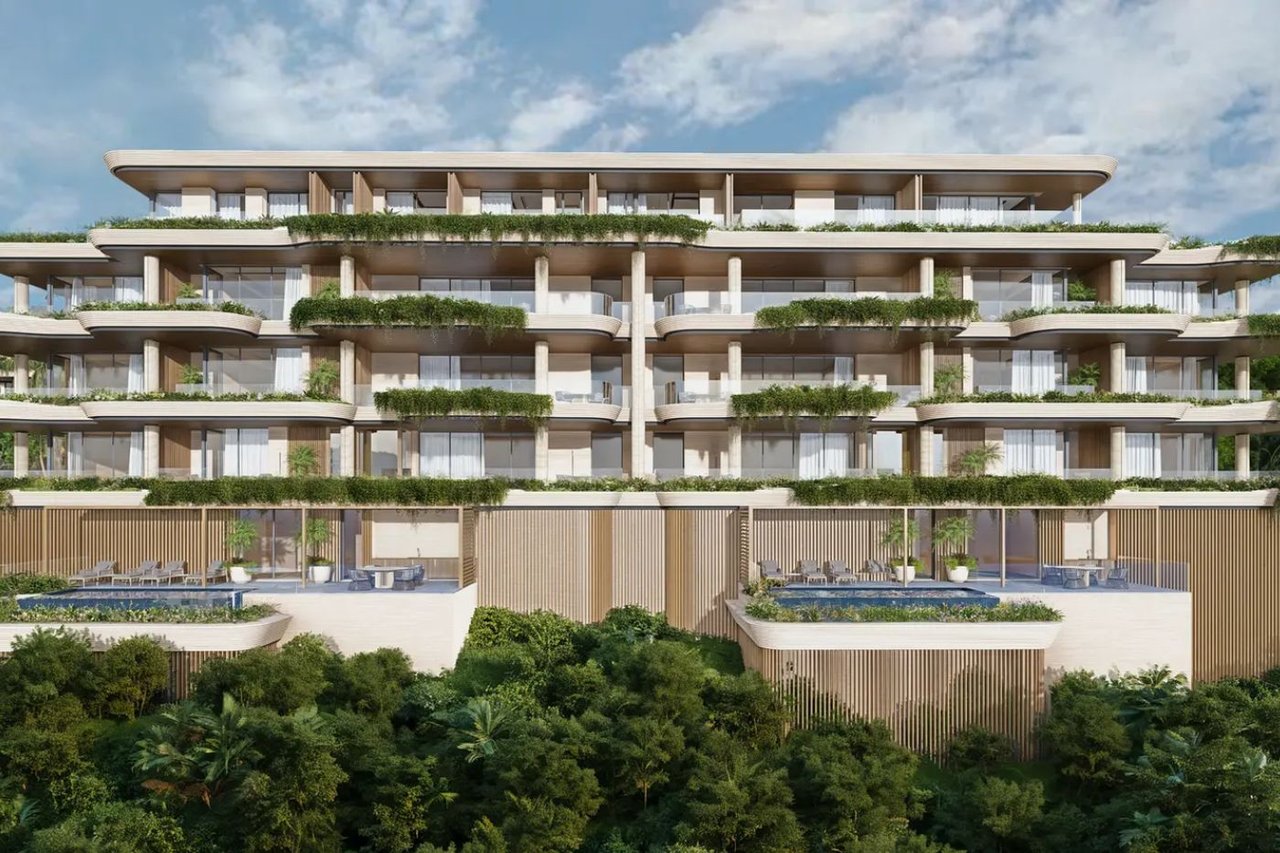
Buyers form an opinion the moment they walk in. Long before they study the kitchen or the finishes, they feel the air. A home that is cool, quiet, and comfortable sells itself in those first seconds.
That feeling is the work of the home’s heating and cooling system, and in Puerto Rico’s heat and coastal humidity, it carries real financial weight. A reliable, well‑maintained setup is a real asset; a tired one quickly becomes a negotiating chip for the buyer. This guide explains how HVAC moves a home’s value in Puerto Rico, and why working with a trusted professional—like Handy Bros Heating & Cooling—helps sellers protect their asking price.
Why Do Buyers Care So Much About HVAC?
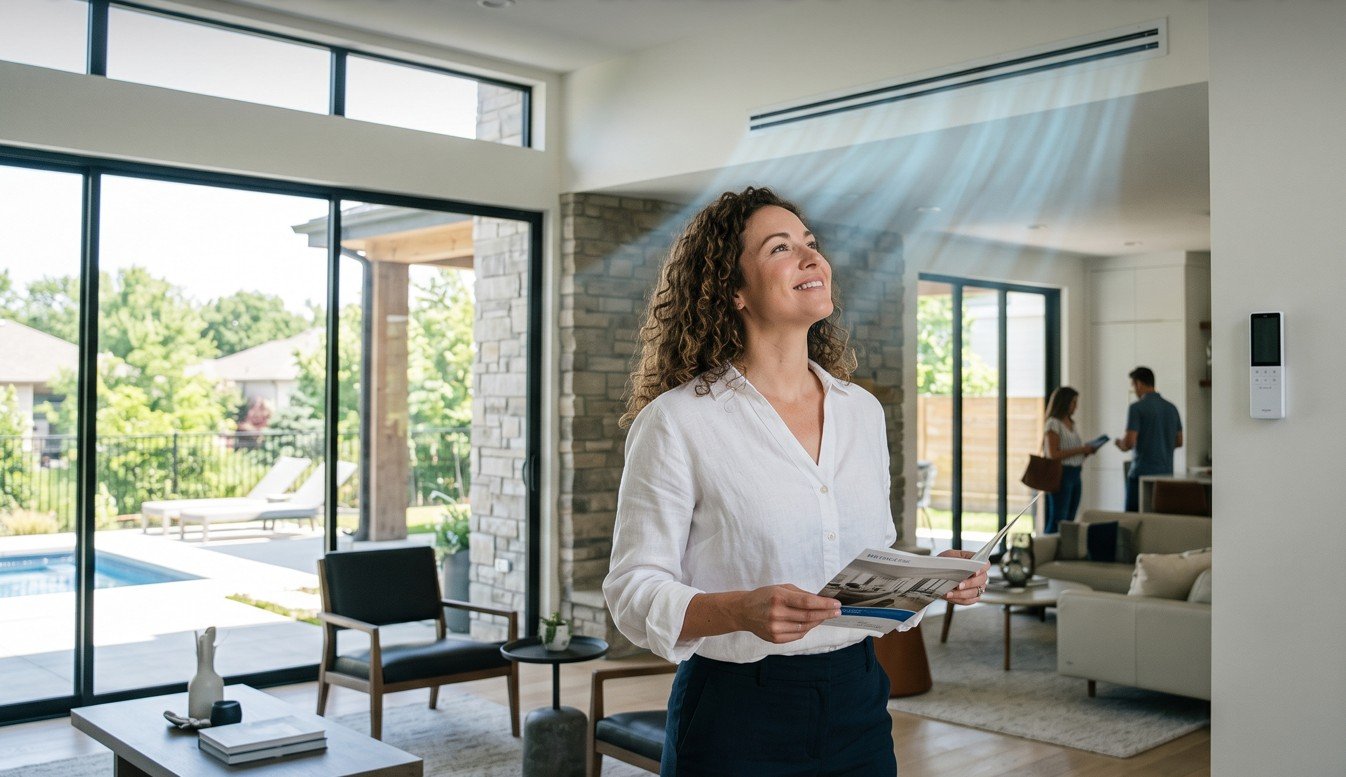
Comfort is the first thing a buyer experiences and the last thing they want to worry about, particularly in high‑end homes where expectations are already elevated. In Puerto Rico’s heat and coastal humidity, reliable cooling and dehumidification jump to the top of the priority list for most prospective owners.
A Failing HVAC System vs a Well-Maintained One
A failing system signals expense and hassle. Buyers know that replacing a central system or upgrading poor ventilation is a major cost, so a visibly old or struggling unit makes them nervous. Many will either walk away or factor the replacement into a lower offer, especially when viewing comparable luxury properties that already offer strong climate comfort.
The reverse is just as true. A modern, well-maintained system tells a buyer the home has been cared for. That impression spills over into how they judge everything else. Comfort is also one system a buyer cannot easily inspect, so they read its condition as a proxy for the whole house.
How Much Value Does HVAC Add or Subtract?

The numbers are significant either way. A new or recently serviced system can be a genuine selling point, while a dying one is a price reduction waiting to happen.
Climate makes the stakes higher. In warm regions like Puerto Rico, cooling capacity and humidity control are not luxuries but necessities, and buyers price them accordingly. Good whole‑house ventilation and a right‑sized system keep a home comfortable while holding running costs down—two concerns that come up frequently in conversations about luxury homes on the island. These factors weigh heavily on the final offer, particularly when buyers are comparing several top‑tier properties.
A failing system cuts the other way fast. The cost of a full replacement, often many thousands of dollars, comes straight off the price a buyer is willing to pay.
What Turns Buyers Off Fast?
A few red flags sink a viewing quickly. Knowing them lets a seller fix them in advance.
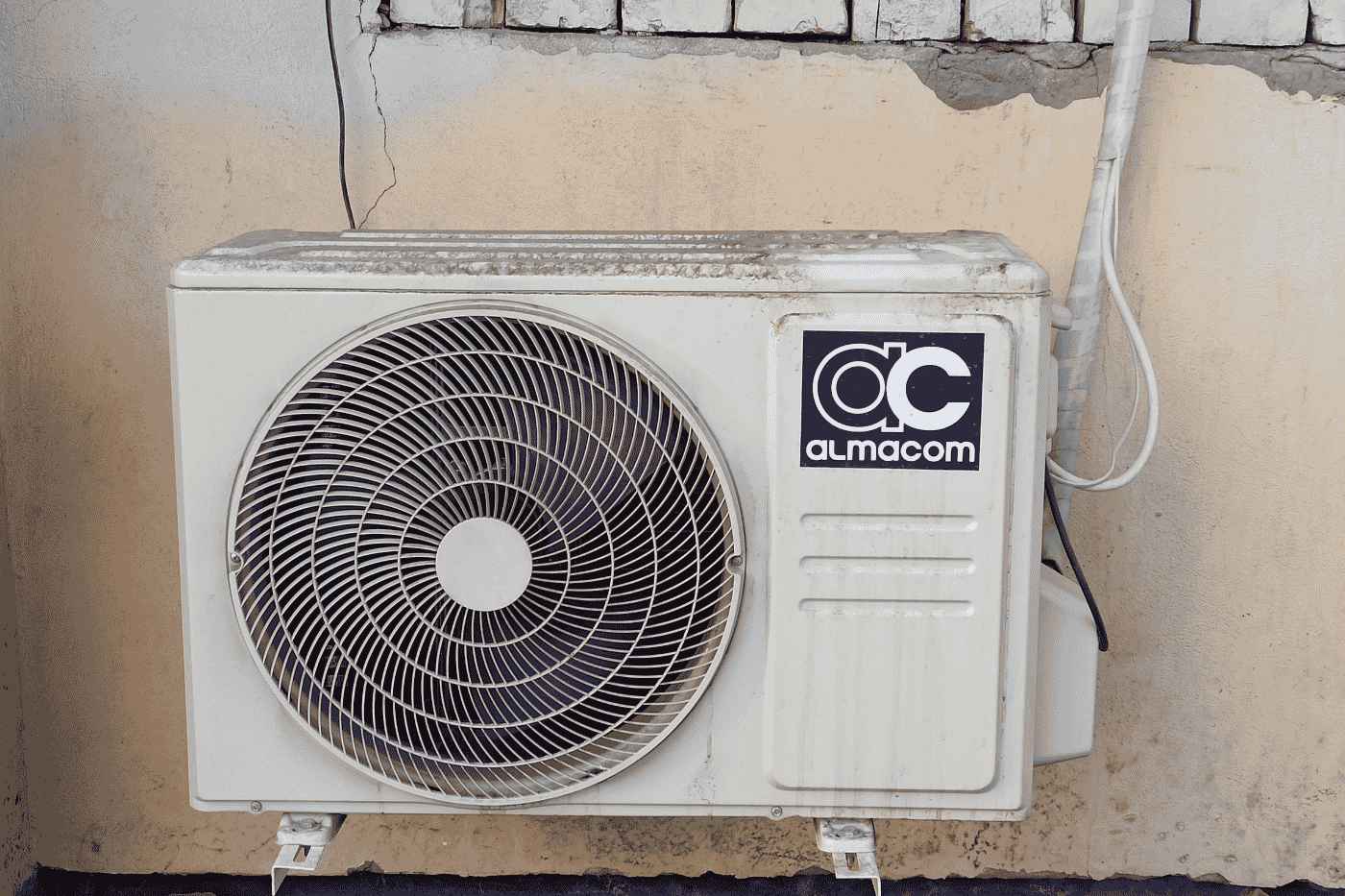
Noise, uneven temperatures, and obvious age are the big three. A unit that rattles, rooms that swing from hot to cold, and a rusted outdoor condenser all whisper neglect. Strange smells or visible mold around vents are even worse, hinting at humidity problems beneath the surface.
Does Energy Efficiency Sell?
More than ever. Today's buyers read the running costs as carefully as the asking price.
Efficiency is now a headline feature, not a footnote, and it aligns directly with the wellness and sustainability trends shaping Puerto Rico’s luxury market. The International Energy Agency tracks how efficient buildings and luxury houses cut energy use and appeal to cost‑conscious owners, a concern that resonates with buyers facing island energy costs. A high‑efficiency system—especially paired with good insulation and smart home controls—is a story worth telling in the listing remarks and during private showings.
It pays off at the table too. When presenting a home for sale, a documented, efficient HVAC system is concrete proof of low running costs. That reassurance helps justify the asking price rather than inviting a discount.
The takeaway is simple. Sellers who treat HVAC as a feature, not an afterthought, protect their price.
What Should Sellers Fix Before Listing?
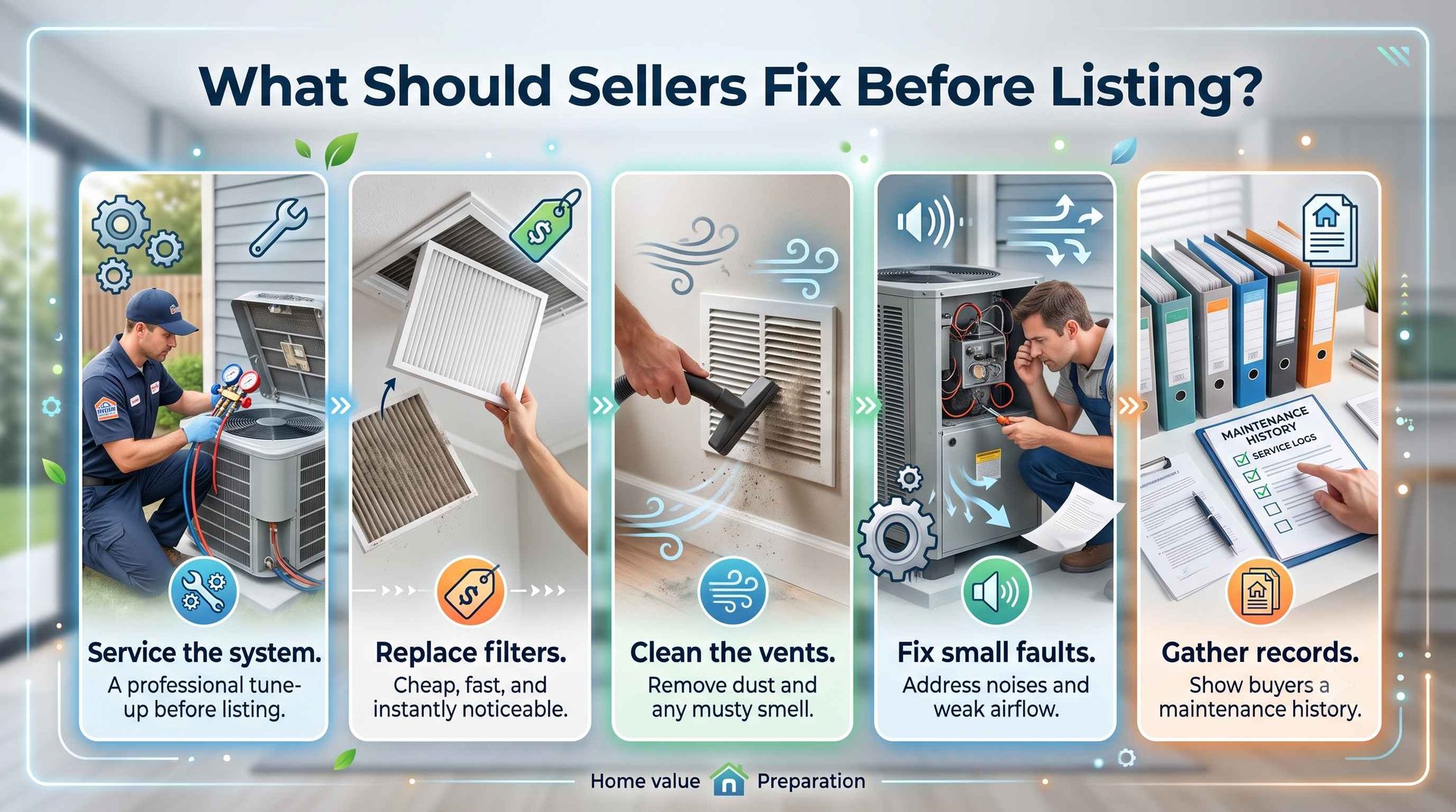
A little preparation pays for itself many times over. Tackle the system before the first viewing.
Run through these 5 steps:
Service the system. A professional tune-up before listing.
Replace filters. Cheap, fast, and instantly noticeable.
Clean the vents. Remove dust and any musty smell.
Fix small faults. Address noises and weak airflow.
Gather records. Show buyers a maintenance history.
These steps are inexpensive compared to the value they protect. Pairing them with the wider tips for selling luxury properties in Puerto Rico turns a potential objection into a selling point for discerning island buyers.
What to Remember

Buyers judge comfort before they judge the finish.
A failing system invites lower offers and lost sales.
In hot, humid climates, cooling and humidity control are essential.
Energy efficiency is now a headline feature for buyers.
Service the system and gather records before listing.
Treating HVAC as a feature protects the asking price.
Comfort That Closes the Deal
A home's heating and cooling system is far more than background machinery; it is one of the first things a buyer feels and one of the last they forget. Service it, document it, and present it as the asset it is. Sellers who do see fewer objections, stronger offers, and faster sales. Comfort, quietly, is what closes the deal.
Frequently Asked Questions
Does a New HVAC System Increase Home Value?
Yes, though rarely dollar‑for‑dollar. A new or recently serviced system rarely appears as a line item at full cost, but it removes a major buyer objection and supports the asking price. In hot, humid markets like Puerto Rico—where cooling is essential—the value impact is even stronger because buyers treat a solid HVAC system as a necessity, not a bonus feature.
Should I Replace My HVAC System Before Selling?
Not always. If the system works and has been serviced, a tune-up and good records are usually enough. Full replacement makes sense only if the unit is failing, very old, or clearly deterring buyers. A professional assessment helps you decide whether to replace, repair, or simply document and disclose.
How Does Energy Efficiency Affect a Sale?
Strongly, and increasingly so. Buyers scrutinize running costs, so a high-efficiency system paired with good insulation is a genuine selling point. Documented low energy bills reassure buyers and help justify the price. In warm climates, efficient cooling is among the features buyers value most and ask about.
What Are the Biggest HVAC Red Flags for Buyers?
Noise, uneven temperatures, visible signs of age or rust, strange smells, and any mold around vents. These suggest neglect and looming costs, which push buyers toward lower offers or away entirely. Most are cheap to fix before listing, which is exactly why addressing them early protects your sale price.