Finding the right rental property in Puerto Rico involves more than comparing locations, amenities, and monthly rent. A residential lease establishes the rights and responsibilities of both the tenant and property owner from move-in through the end of the tenancy.
This is particularly important when renting a condominium, furnished residence, beachfront home, or property within a gated community, where the lease may be supplemented by condominium rules, community regulations, inventory schedules, or maintenance requirements. Tenants should review all applicable documents carefully and seek guidance from a qualified Puerto Rico attorney when a serious legal dispute arises.
If a serious dispute develops, speaking with a tenant lawyer Sacramento can help renters understand which local rules and legal options may apply.
Read Your Lease Carefully
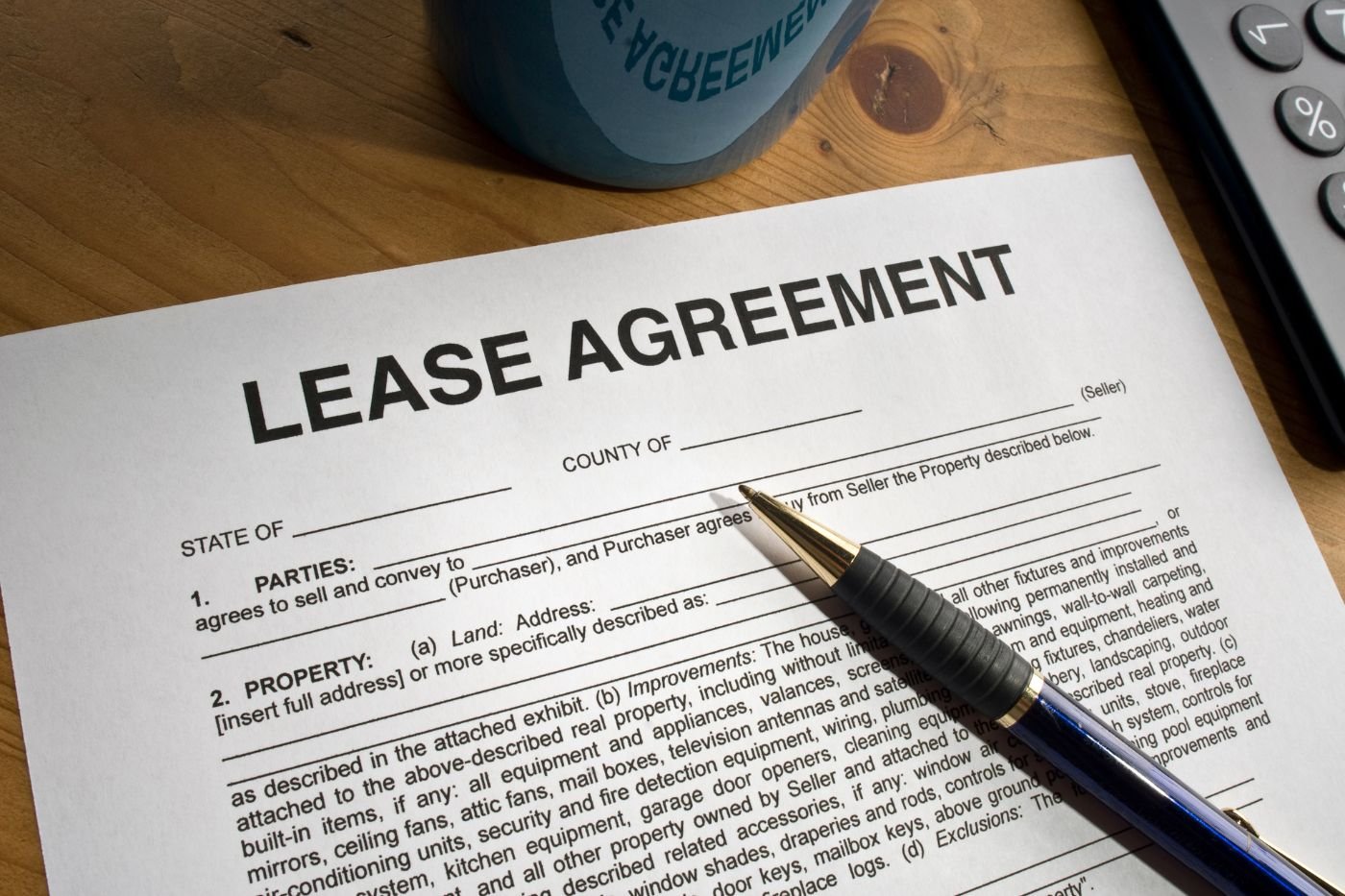
A lease explains the expectations for both the tenant and the property owner. Reading every section before signing can help prevent confusion later.
Pay close attention to:
Rent payments
Late fees
Security deposits
Maintenance duties
Guest policies
Parking
Pets, and
Renewal terms
Some leases also include rules about decorating, repairs, or shared amenities.
Some Puerto Rico rentals are furnished or located within condominiums, resort communities, or gated developments. In these cases, review any furniture inventory, appliance list, condominium bylaws, access requirements, parking rules, amenity policies, and hurricane-preparedness responsibilities provided with the lease. Confirm whether these documents form part of the agreement before signing.
If any language seems unclear, ask questions before signing. Keep a signed copy in a safe place for reference during your tenancy.
Understand the Local Rental Context

Rental obligations in Puerto Rico are shaped by the lease, applicable Puerto Rico law, and, in some properties, condominium or community rules. The procedures and responsibilities that apply to a rental in San Juan, Dorado, Río Grande, Humacao, or another municipality should not be assumed to match those used in a U.S. state.
Tenants renting a condominium should determine whether maintenance concerns affect the individual unit or a common element managed by the condominium association. Those renting furnished or luxury properties should also review provisions covering furniture inventories, appliances, generators, cisterns, landscaping, pools, housekeeping, utilities, and community amenities.
General online advice can provide a starting point, but tenants should confirm that legal information applies specifically to Puerto Rico. Questions that could affect housing, safety, substantial funds, or the termination of a lease should be referred to an appropriately qualified local professional.
Keep Good Records

Clear records can protect both tenants and property owners by creating an accurate history of requests and conversations:
Save emails
Text messages
Repair requests
Inspection reports
Receipts, and
Written notices
When reporting a problem, include the date, a short description, and photographs when helpful.
For a furnished residence, compare the property with the inventory or condition report supplied at move-in. Record the condition of furniture, artwork, appliances, electronics, fixtures, keys, access devices, and any outdoor equipment, and notify the owner or manager promptly if the inventory is incomplete or inaccurate.
Keep these documents in one digital or printed folder. Organized records can save time if questions arise later.
Report Maintenance Issues Promptly
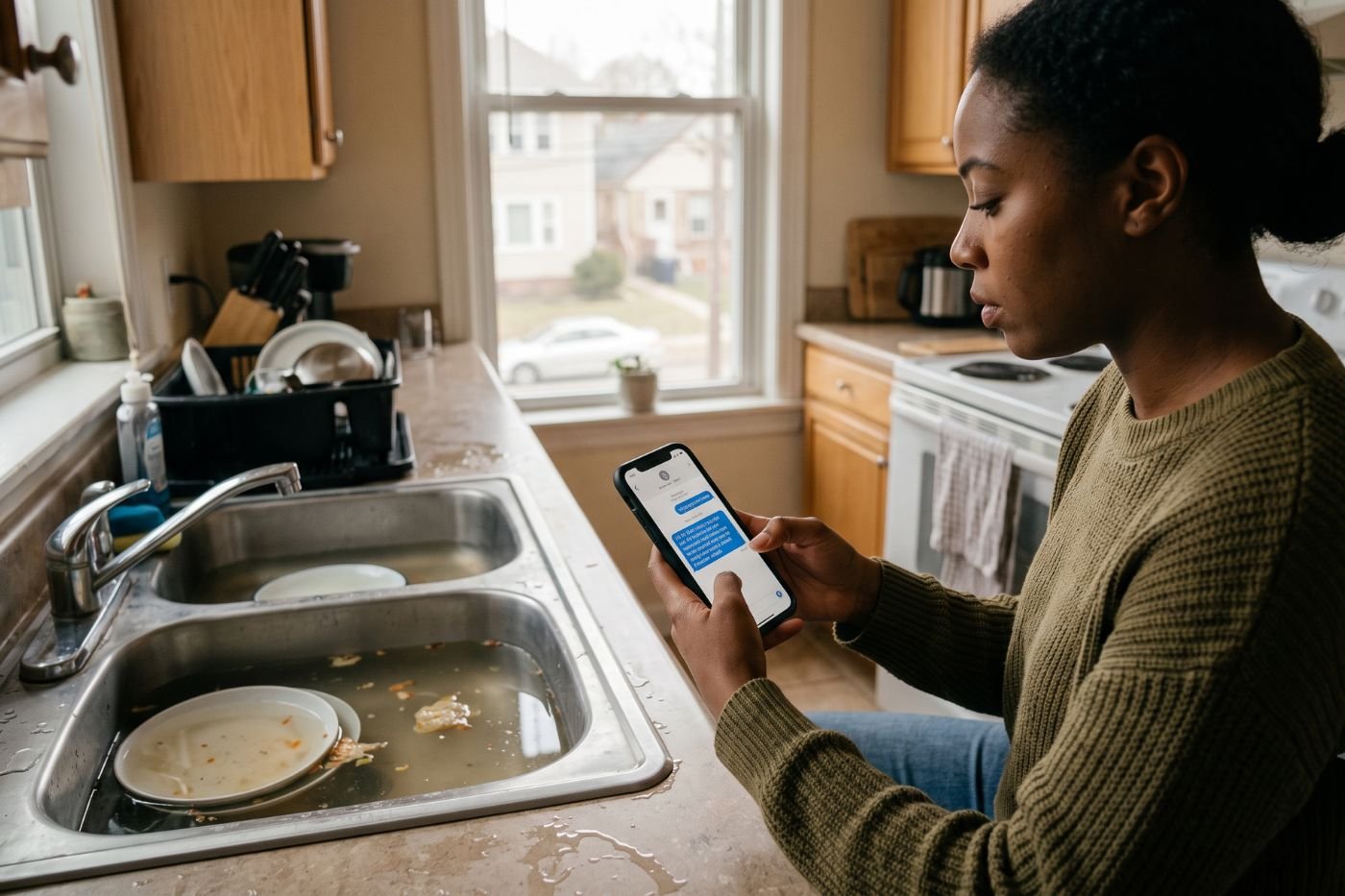
Small maintenance concerns can become larger problems if left unreported. Notify the:
Landlord
Property manager, or
Designated representative
Do all of these as soon as you notice a leak, a damaged appliance, an electrical concern, air-conditioning failure, water intrusion, or another maintenance problem. Written communication creates a record and helps clarify when the issue was first reported.
In a condominium, the source of a problem may be within the rented unit, a building system, or a common element. Tenants should report visible symptoms promptly rather than attempting major repairs themselves, so the owner or manager can coordinate with the condominium administration or an appropriate contractor when necessary.
Respect the Property

A successful tenancy depends on mutual respect.
Follow the lease, keep the home clean, and report accidental damage promptly. If the agreement requires tasks such as replacing air filters or caring for outdoor areas, complete them.
Simple habits, such as preventing excess moisture and using appliances correctly, help protect the property and support a smoother move-out process.
In Puerto Rico, tenants should also follow the lease instructions concerning:
Air-conditioning systems
Storm shutters
Generators
Water cisterns
Pools
Outdoor areas, and
Preparations for severe weather
Responsibilities differ by property, so tenants should not assume that maintenance or storm preparation is automatically assigned to either party without checking the lease.
Understand Security Deposits
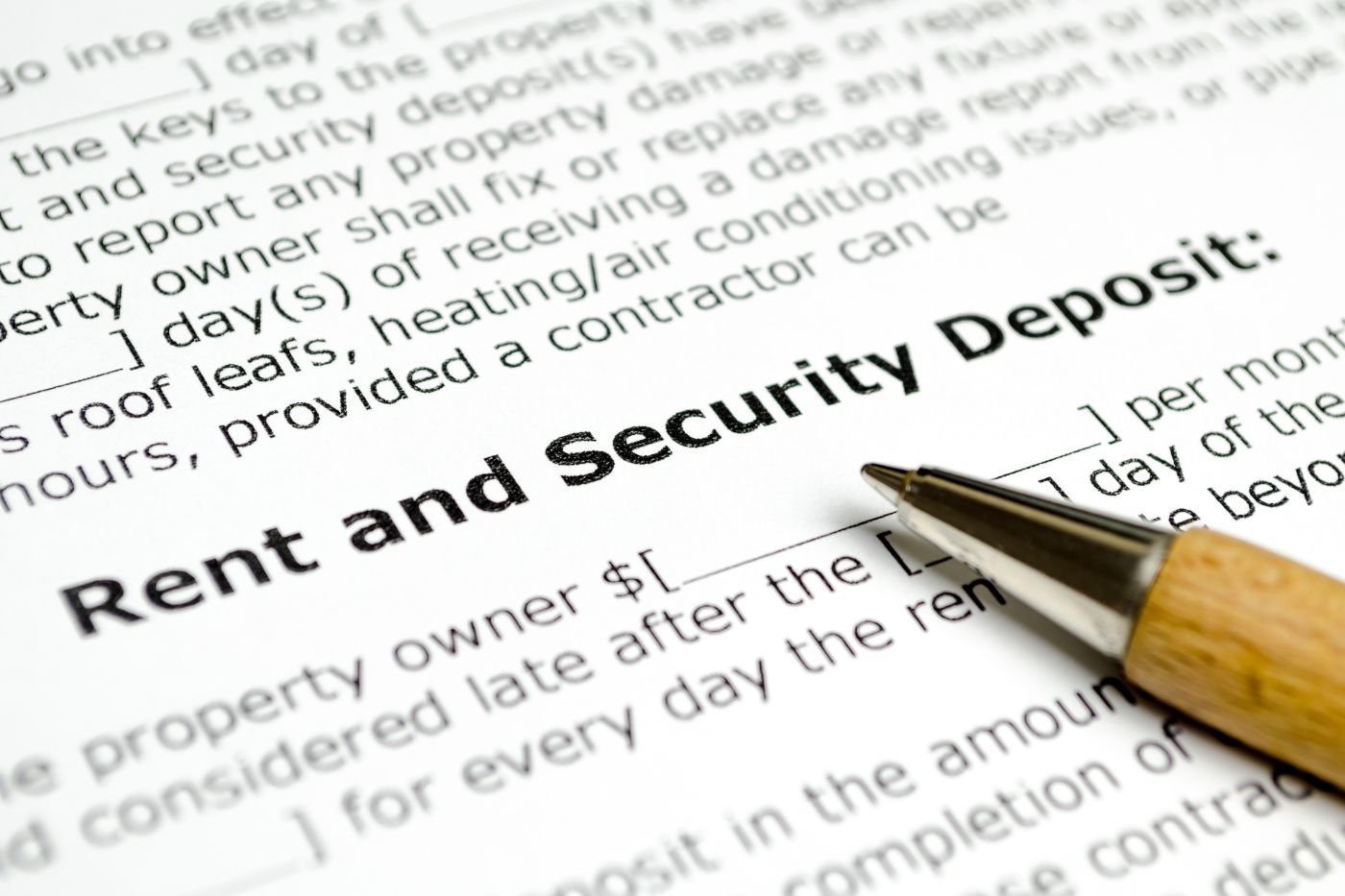
Security deposits often raise questions at the end of a lease.
Before moving in, document the home's condition with photographs or video. Pay attention to:
Walls
Floors
Windows
Appliances, and
Existing damage
Complete any move-in checklist carefully and keep a copy.
At move-out, clean the property per the lease and participate in a final walkthrough, if available. Good records allow both parties to discuss concerns based on the property's condition rather than on memory alone.
Tenants should review the lease provisions governing the deposit, permitted deductions, required documentation, and the process for requesting its return. Because the applicable requirements and legal remedies should be confirmed under current Puerto Rico law, questions about a withheld or disputed deposit may require advice from a qualified local attorney.
Communicate Clearly
Respectful communication can prevent small issues from becoming larger disputes.
When discussing repairs, inspections, lease changes, or access to the property, keep the conversation clear and professional. Confirm important discussions in writing whenever possible.
A short follow-up email can help both sides remember what was agreed. Focusing on facts also makes it easier to resolve concerns.
Know When Professional Guidance May Help

Many rental concerns can be handled through communication and a careful review of the lease. Some situations become more complex.
Repeated repair problems
Disputed deposits
Questions about property conditions
Threatened lease termination or disagreements over contractual duties
These may require assistance beyond routine property management.
Depending on the issue, a tenant may need to speak with the property owner, a licensed real estate professional, the condominium administration, an insurer, or an attorney licensed to practice in Puerto Rico.
A real estate broker or agent can help explain the transaction, communications, and lease-related process within the scope of their professional role, but legal interpretations and advice should come from a qualified attorney.
Build a Positive Rental Experience
A positive rental experience grows from preparation, communication, and mutual respect. Reading the lease, keeping records, reporting problems promptly, and caring for the property all support a successful tenancy.
Property owners benefit from responsible tenants, while tenants benefit from responsive management and clear expectations. When both sides understand their duties, many common problems can be addressed before they grow.
Every Puerto Rico rental agreement is different. The applicable responsibilities may depend on the lease, the type of residence, included furnishings and equipment, condominium or community rules, and the services managed by the property owner.
By carefully reviewing the agreement, documenting the property’s condition, communicating promptly, and obtaining qualified Puerto Rico guidance when needed, tenants can reduce misunderstandings and enjoy a smoother rental experience. Prospective tenants can also benefit from working with a knowledgeable local real estate professional when searching for a residence that matches their lifestyle, location, and leasing requirements.