Choosing between condos and houses in Puerto Rico starts with how the property will be used and what it will cost to own or rent. A condominium can offer shared amenities and coordinated building upkeep, while a house can provide more control over outdoor space and day-to-day maintenance. Neither category is automatically cheaper, easier to rent, or a better investment.
For buyers comparing a condo for sale in Puerto Rico with a house in the same budget, the useful comparison includes recurring charges, repair exposure, financing, restrictions, and location. This guide also covers tenants and landlords, because the same property can have very different costs and responsibilities under a purchase agreement or a lease.
Key Takeaways
- Compare total ownership or rental costs, not only the asking price.
- Condo fees share expenses; they do not eliminate repairs or assessments.
- Check rental, renovation, parking, and amenity rules before committing.
- Evaluate income using realistic occupancy and expenses, without assuming appreciation.
- Review each property's documents, condition, insurance, and backup systems.
Comparison: Choosing a Condominium vs. a House

The ownership structure, building condition, and agreement matter as much as the property's appearance. Compare the specific homes available rather than assuming all condos or houses offer the same advantages.
Key Considerations for Tenants
Ask for the full monthly cost and a written explanation of maintenance responsibilities. Confirm parking, pets, visitors, utilities, access to amenities, and any building rules before signing.
Advantages of Renting a Condominium
- Shared facilities: A building may offer a pool, gym, staffed entrance, or other amenities; confirm what tenants can use and whether extra charges apply.
- Coordinated common-area upkeep: Building management can arrange shared maintenance, although problems inside the unit still need to be reported and resolved under the lease.
- Location choices: A condo may put daily destinations within a convenient distance, but check the actual route, noise, and parking arrangements.
Disadvantages of Renting a Condominium
- Shared-building conditions: Noise, elevator availability, construction work, and amenity closures can affect everyday use.
- Rules and charges: Review move-in procedures, guest access, pet policies, and all tenant-paid charges rather than assuming association costs are included in rent.
Advantages of Renting a House
- Layout and outdoor space: A house may offer a yard, separate work areas, or fewer shared walls, depending on its design.
- Everyday flexibility: More space can help with storage or outdoor activities, but alterations still require the permissions specified in the lease and applicable rules.
Disadvantages of Renting a House
- Upkeep arrangements: Clarify responsibility for landscaping, pool service, appliances, pest control, and repairs.
- Total cost: Utilities and maintenance can change the comparison; a luxury condo can also cost more than a house, so compare actual offers.
Key Considerations for Buyers and Landlords
Buying adds long-term financial and maintenance obligations that renting does not transfer to the tenant. If the property will be rented out, verify that the intended use is allowed before treating projected rent as part of the purchase budget.
Advantages of Owning a Condominium
- Shared maintenance: The association coordinates work on common elements, with owners contributing through their charges.
- Facilities and location: Compare amenities, parking, access, and layout against the needs of the intended occupants, without assuming these features guarantee demand.
Disadvantages of Owning a Condominium
- Financial exposure: Recurring fees, special assessments, insurance deductibles, and major building repairs can affect the budget.
- Shared decision-making: Review the governing documents and current rules for rentals, renovations, pets, and use of common areas.
Advantages of Owning a House
- Control over upkeep: Owners can generally coordinate their own contractors and maintenance schedule, subject to applicable restrictions.
- Space choices: Private outdoor areas or additional rooms may suit personal use or a particular rental audience; evaluate the actual layout rather than the label.
Disadvantages of Owning a House
- Direct repair responsibility: Budget for the roof, exterior, grounds, equipment, and any pool or backup systems.
- Restrictions can still apply: A house may have association charges, deed restrictions, or permitting requirements; it is not automatically unrestricted.
Rental Income Potential in Puerto Rico

Neither a condo nor a house guarantees consistent rental income. Review the records and costs of the particular property, then test whether the plan remains workable with vacancies, repairs, or weaker demand.
Condominiums: Check the Building Before Forecasting Rent
Before relying on a vacation-rental strategy, obtain the master deed, bylaws, current rules, and written clarification of rental restrictions. A neighbor's online listing is not proof that the proposed operation is permitted.
The Puerto Rico Tourism Company explains innkeeper registration and room-tax obligations for short-term rentals, including stays of fewer than 90 consecutive days. Confirm the requirements for the actual operation with the agency and the municipality; tax registration alone does not establish compliance with building or land-use rules.
Use comparable bookings or leases with identifiable dates and property characteristics. The discussion of Puerto Rico rental income provides background, but a broad market average cannot establish the return of a specific unit.
Houses: Budget for Operations and Vacancy
A house can serve long-term residents or visitors when the intended use is permitted, but the building type does not determine tenant stability. Examine comparable rents, turnover, maintenance access, and the owner-paid costs of grounds, pools, utilities, and equipment.
For either property type, distinguish gross rent from income after expenses and cash flow after financing. Do not assume that future appreciation will cover weak operating results or unexpected repairs.
Condos vs. Houses: A Financial Comparison
Use the same assumptions and holding period when comparing alternatives. The table highlights questions to resolve rather than promising one property type will outperform the other.
Factor | Condominium | House |
|---|---|---|
Recurring costs | Unit expenses plus association charges; check what is included. | Direct upkeep and any community charges; confirm service costs. |
Major repairs | Review building projects, reserves, assessments, and unit responsibilities. | Inspect the roof, structure, exterior, and private equipment. |
Rental use | Check building restrictions and applicable government requirements. | Check deed, community, land-use, and government requirements. |
Income evidence | Use comparable units with similar rules, amenities, and condition. | Use comparable homes with similar size, location, and facilities. |
Downside risk | Allow for vacancy, assessments, repairs, and financing costs. | Allow for vacancy, major replacements, and financing costs. |
Factors to Consider When Choosing

Start with the intended use and a complete budget, then evaluate the location and documents. The better fit is the property whose restrictions, costs, and physical condition work for the plan.
Location: Condado, Dorado, and Río Grande
When comparing San Juan condos for sale, assess the exact building rather than relying on a neighborhood reputation. In Condado, review parking, street noise, shared facilities, and coastal exposure alongside access to daily destinations.
For Dorado or Río Grande searches, confirm the legal ownership structure and any resort or community obligations. A home marketed as a villa is not necessarily a detached, unrestricted house, and resort branding does not establish which facilities are included with ownership.
Investment Goals and Financing
Decide whether the priority is a primary residence, occasional personal use, or rental operation before comparing loans. Ask the lender how the intended occupancy and the condominium project's condition affect eligibility and terms.
Fannie Mae's condo-buying guide highlights association finances, building condition, insurance, and special assessments as important review areas. Confirm the specific lender's requirements rather than assuming every financing program uses identical criteria.
Maintenance, Insurance, and Backup Systems
Obtain an inspection and written estimates for known repairs. For condos, clarify the boundary between unit-owner and association responsibilities; for houses, identify who will maintain each private system and how urgent repairs will be handled.
Review insurance coverage, exclusions, deductibles, and the relationship between a condominium master policy and unit coverage with an insurance professional. Use the FEMA Flood Map Service Center to review flood-hazard information for the address, then discuss property-specific exposure and coverage.
Ask what a generator or battery actually powers, how water storage is maintained, and whether elevators depend on backup electricity. The presence of equipment alone does not establish its capacity, condition, or operating cost.
Flexibility and Document Review
Before committing, request current governing documents, financial statements, budgets, reserve information, assessment history, insurance records, and meeting minutes where applicable. Have Puerto Rico counsel review unclear use restrictions, ownership rights, and contractual obligations.
Renters should obtain written permission for proposed changes rather than assuming that a house allows unrestricted customization. Buyers should likewise confirm approvals for renovations, outdoor structures, or a change in use before budgeting for them.
Luxury Properties and Houses for Rent and Sale
Compare current luxury properties for sale and for rent against the ownership and rental considerations above. These four examples were marked Active when reviewed on October 19, 2026, and availability can change. Confirm all terms and property documents before making a decision.
Properties and Houses for Rent
26 Washington #10A, San Juan
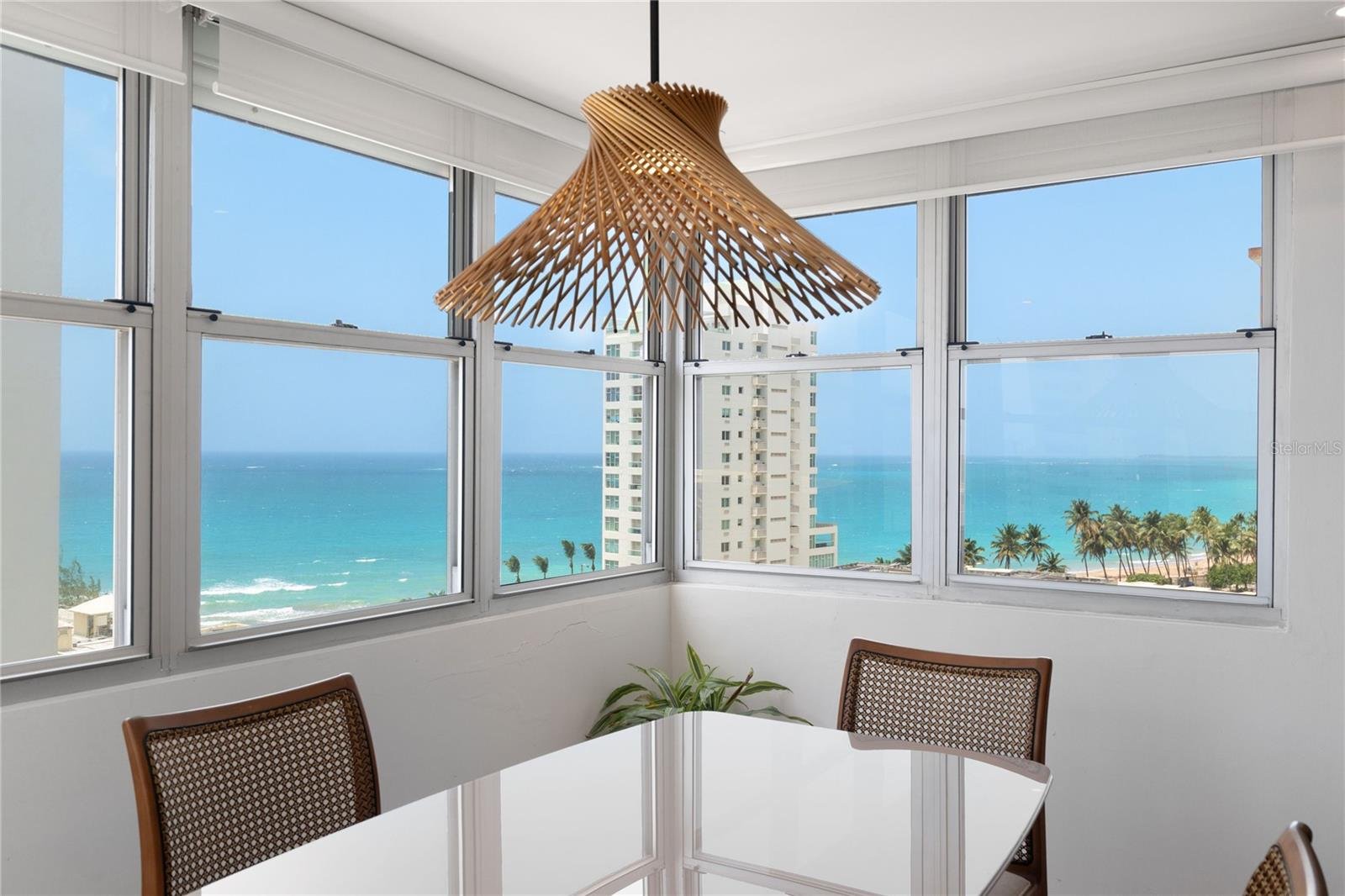
This furnished Condado condominium is listed with three bedrooms, two bathrooms, and approximately 1,416 square feet. The listing describes ocean views, a full-power generator, and fiber-optic internet.
16 Carrion Court #103, San Juan
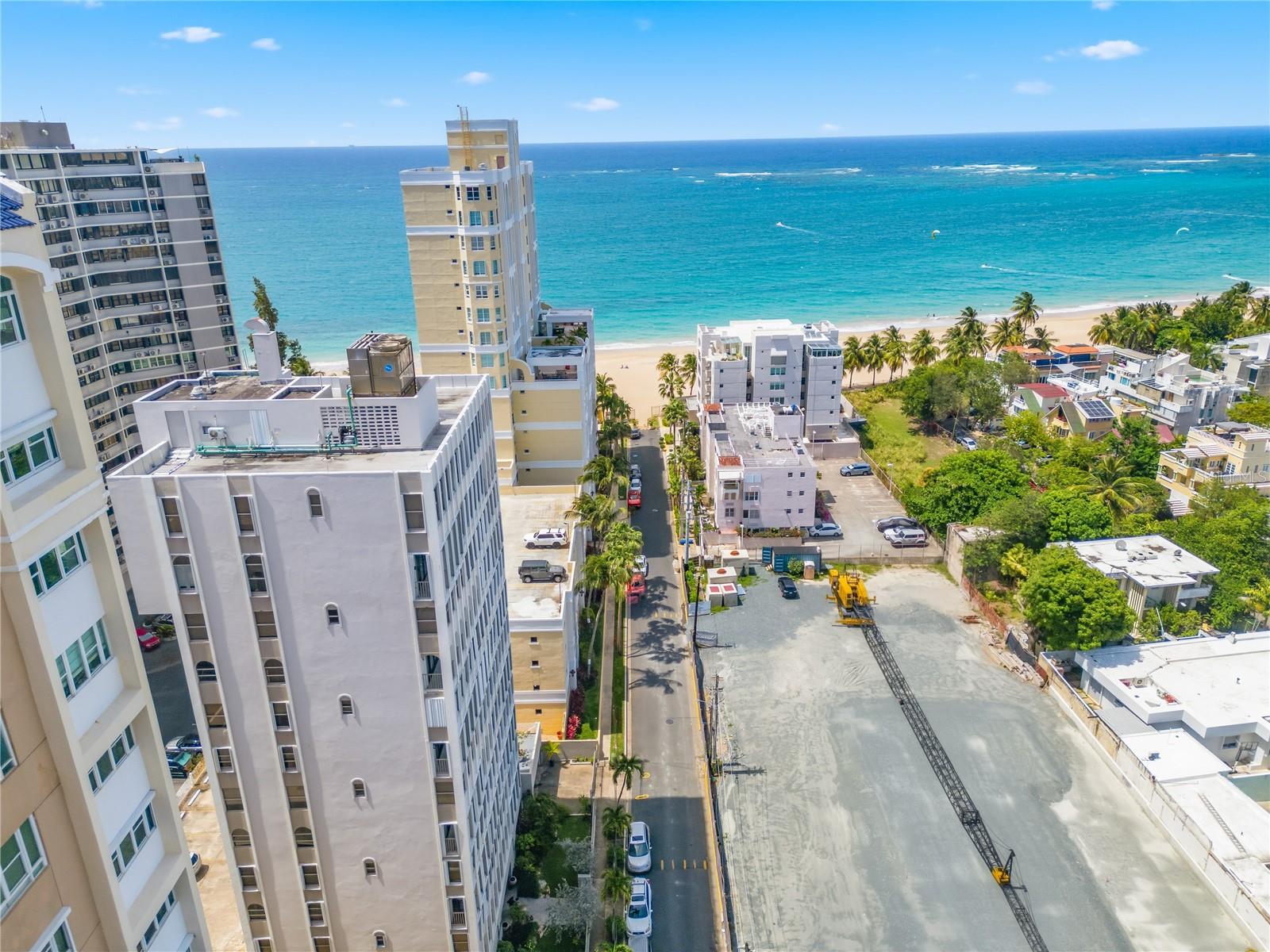
This San Juan corner condominium is listed with three bedrooms and approximately 1,750 square feet. Its description includes an ocean-view balcony, direct beach access, covered parking, and two central air-conditioning units.
Properties and Houses for Sale
1035 Ashford Avenue, West PH-B
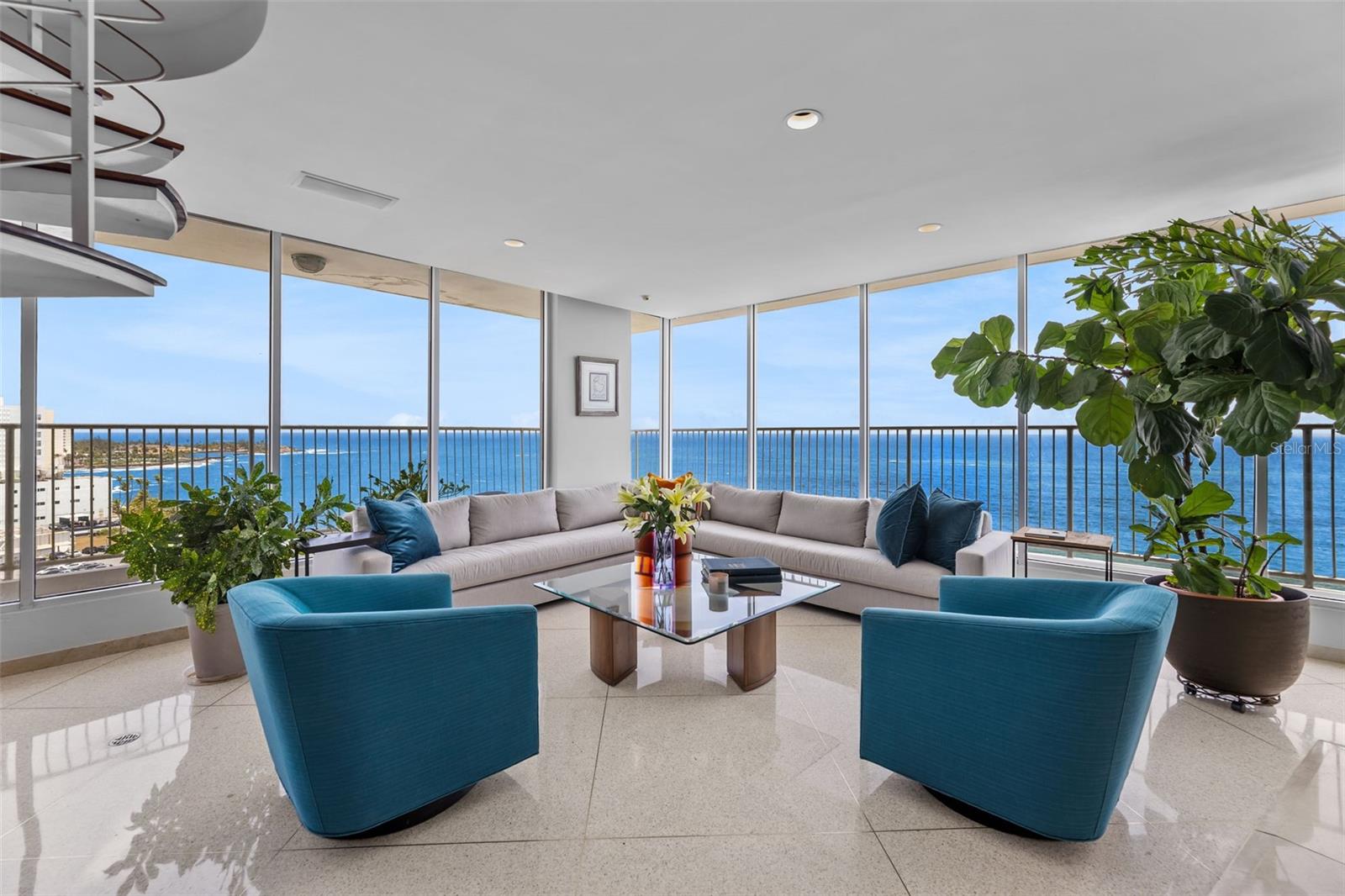
This Mirador del Condado penthouse is listed with three bedrooms, two full bathrooms and a half bathroom, and approximately 3,720 interior square feet. Its description includes a 3,870-square-foot exclusive-use rooftop terrace and views of the Atlantic, Condado Lagoon, and San Juan skyline.
5 The Greens Villas, Dorado Beach

This Dorado Beach Resort villa is offered for sale with four bedrooms, four full bathrooms and a half bathroom, and approximately 4,000 interior square feet. Its description includes covered terraces, a private jacuzzi, and golf-course and lake views.
Conclusion
Choosing between condos and houses in Puerto Rico requires comparing the specific property's costs, condition, rules, and intended use. Shared amenities and building management can be valuable, while private space and direct control may better suit other buyers or tenants. A decision supported by current documents, realistic budgets, and independent professional review is stronger than one based on promised returns or broad property-type assumptions.
If you want to rent, buy, or sell luxury property in Puerto Rico, Christie's International Real Estate Puerto Rico is here to guide you. Explore Puerto Rico luxury properties and contact our team to discuss your goals.
FAQs
These questions address common differences between condominium and house ownership. The answers depend on the specific property, agreement, and proposed use.
Is buying a condo in Puerto Rico a good investment?
It can be suitable when the purchase price, permitted use, financing, and operating costs fit the buyer's plan. Review the association's finances and building condition, and test rental projections against vacancies and repairs rather than assuming steady income.
Is it smart to buy a house in Puerto Rico?
A house may fit buyers who want private space and direct control over upkeep, but it also brings repair and operating responsibilities. Neither long-term rental stability nor appreciation is guaranteed.
Is a condo better than a house and lot?
Compare total costs, legal ownership rights, maintenance responsibilities, and daily needs. A condominium may reduce hands-on common-area upkeep, while a house may offer more private outdoor space; either can have restrictions and substantial expenses.
What should buyers check before choosing San Juan condos for sale?
Review the unit and building documents, recurring charges, assessments, insurance, parking rights, rental rules, and lender requirements. Inspect the unit and ask about shared-system condition, planned work, and backup power before committing.
Related Articles
These guides provide additional context for condominium document review and rental planning.