
Choosing between short-term and long-term rentals in Puerto Rico is not simply a question of which option produces the highest headline revenue. The better strategy depends on the property, its permitted use, local and community rules, operating costs, financing, and how actively you want to manage it.
Short-term rentals can adjust nightly rates and capture visitor demand, but they operate more like hospitality businesses. Puerto Rico long-term rentals usually offer steadier occupancy and simpler day-to-day operations, but rent growth and owner access are more constrained by the lease. The right comparison uses net income and risk, not gross revenue alone.
Key Takeaways
- Neither strategy is automatically more profitable. Compare realistic net income under conservative, base, and strong-demand scenarios.
- For Puerto Rico room-tax purposes, a short-term rental is generally a stay of fewer than 90 consecutive days.
- Short-term rental feasibility should be confirmed with the municipality, the Puerto Rico Tourism Company, the property’s title documents, and any condominium or HOA rules before purchase.
- Long-term rentals generally trade pricing flexibility for more predictable occupancy and fewer turnovers.
- Insurance, flood exposure, backup power, maintenance access, and property management can change the investment result for either model.
Short-Term vs. Long-Term Rentals in Puerto Rico
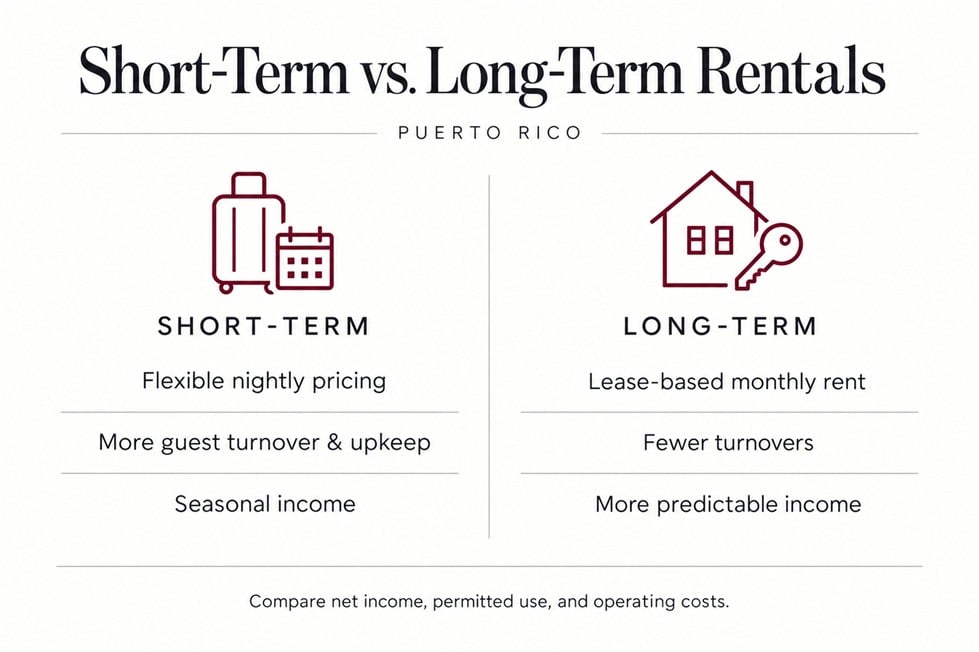
Decision factor | Short-term rental | Long-term rental |
|---|---|---|
Income pattern | Nightly pricing can change with demand, but revenue may be seasonal and volatile. | Rent is usually fixed for the lease term, which makes monthly cash flow easier to forecast. |
Operations | Frequent guest communication, cleaning, restocking, pricing, reviews, and maintenance response. | Tenant screening, lease administration, collections, inspections, renewals, and repairs. |
Owner-paid costs | Often includes utilities, internet, furnishings, linens, consumables, cleaning coordination, and platform or marketing costs. | Depends on the lease, but tenants commonly assume more recurring utilities and day-to-day occupancy costs. |
Compliance | Puerto Rico Tourism Company registration and room-tax obligations, plus applicable municipal, zoning, condominium, and HOA rules. | A written lease aligned with Puerto Rico law, the property documents, and any condominium or HOA requirements. |
Vacancy risk | Measured in unbooked nights and seasonal demand changes. | Measured in time between tenants and the risk of nonpayment or early departure. |
Owner flexibility | Potentially easier to block dates for personal use, subject to bookings and applicable rules. | Owner use is limited during the lease term. |
Best fit | A legally eligible property with strong visitor demand and reliable local operations. | A property with durable resident demand and an owner who values predictable income. |
Start With Net Income, Not a Headline Yield
Published market averages can be useful for orientation, but they are not a substitute for a property-level pro forma. Results vary by unit type, exact location, permitted use, condition, amenities, financing, and management model. A realistic analysis should use current comparable rents or bookings and document every assumption.
Modeling a Short-Term Rental
Estimate revenue from an achievable average daily rate multiplied by bookable nights and a conservative occupancy assumption. Then deduct the costs the owner will actually carry:
- platform, payment-processing, and marketing costs;
- cleaning, laundry, supplies, and turnover coordination;
- utilities, internet, backup-power costs, and routine maintenance;
- property management and after-hours guest support;
- insurance, condominium or HOA charges, permits, and taxes;
- furniture, appliance, and equipment replacement reserves; and
- mortgage payments and capital expenditures.
Stress-test lower occupancy, lower nightly rates, and higher repair or insurance costs. A short-term rental that works only in an optimistic scenario is not a resilient investment.
Modeling a Long-Term Rental
Start with current comparable monthly rents for similar properties in the same submarket. Deduct vacancy between leases, management, repairs, insurance, property charges, taxes, financing, and a reserve for major replacements. Review who pays utilities and which maintenance duties belong to each party under the proposed lease.
For additional context, compare the assumptions with our guides to rent levels in Puerto Rico and reporting Puerto Rico rental income.
Puerto Rico Short-Term Rental Rules to Verify

The Puerto Rico Tourism Company states that rentals for fewer than 90 consecutive days are subject to a 7% room occupancy tax. Owners must register as innkeepers, obtain an identification number, and file the monthly room-tax declaration by the tenth day of the following month. Review the current requirements directly with the Puerto Rico Tourism Company Room Tax Division.
That island-wide obligation is only one part of the compliance review. Municipal rules can add registration, permit, operational, or fee requirements. For example, the Municipality of San Juan maintains a short-term rental registry and permitting information. Requirements can differ elsewhere, so verify the exact municipality rather than assuming a San Juan rule applies across Puerto Rico.
Condominium, HOA, Title, and Lender Checks
A platform listing does not establish that a property may legally operate as a short-term rental. Before making an offer or relying on rental income, review:
- the deed, title report, condominium master deed, bylaws, and current amendments;
- HOA rules, minimum lease terms, guest registration, parking, noise, and amenity restrictions;
- zoning, use permits, municipal registration, and business requirements;
- the mortgage documents and written lender position on the intended rental use; and
- an insurance quote that expressly covers the proposed use.
Get current documents and written confirmations where available. Rules can change, and a prior owner’s or neighbor’s rental activity is not proof that a new operation will be permitted.
Long-Term Rental Legal and Lease Considerations
Puerto Rico’s Civil Code governs leases and sets duties for owners and tenants. Those duties include matters such as agreed rent, repairs, permitted use, inspection notice, and return of the property. The exact rights and remedies depend on the lease and applicable law, so avoid relying on generic U.S. landlord forms without Puerto Rico review. The current text is available in the official Puerto Rico Civil Code.
A practical residential lease should clearly address the term, renewal, rent, deposit, utilities, maintenance, access, occupants, pets, insurance, inventory, default, and move-in condition. Owners should obtain Puerto Rico legal advice for lease language and enforcement questions.
Insurance, Flood, and Infrastructure Due Diligence

Insurance should match the actual rental use. Ask the carrier to confirm coverage for guests or tenants, liability, loss of rental income, wind and hurricane exposure, flood, and any exclusions affecting vacant periods or business activity. Do not assume a standard owner-occupied policy covers a rental operation.
Review the property’s flood information through the FEMA Flood Map Service Center, then confirm the insurer’s underwriting requirements. Also evaluate generator or battery capacity, water storage, internet reliability, elevator dependence, storm procedures, and access to local maintenance. These items affect guest experience, tenant retention, operating costs, and recovery after an outage.
Location and Demand: Evaluate the Exact Property
Short-term demand is often strongest where visitors value proximity to beaches, dining, attractions, resort amenities, or business districts. Long-term demand is more closely tied to employment, schools, healthcare, transportation, and everyday services. Those are useful starting points, not guarantees.
Analyze the exact building and competing inventory. Two properties in the same neighborhood can perform differently because of parking, views, backup power, pet rules, security, floor plan, walkability, or rental restrictions. Our Puerto Rico short-term rental guide provides a deeper due-diligence checklist for that strategy.
Financing and Tax Treatment
Loan terms vary by lender, borrower, property, occupancy, and intended use. Ask lenders to underwrite the same property under both strategies and compare the required down payment, reserves, income documentation, rate, insurance, and any limits on short-term rental activity.
Tax treatment also depends on the owner, entity, services provided, length of stays, and applicable Puerto Rico and U.S. rules. Do not assume that rental ownership automatically qualifies for Act 60 benefits. Act 60 is a broad incentives code, and any benefit depends on the qualifying activity, current law, and an applicable decree. Review the Puerto Rico Incentives Code and obtain advice from Puerto Rico tax counsel or a qualified tax professional before relying on an incentive or classification.
Which Rental Strategy Fits Your Property?
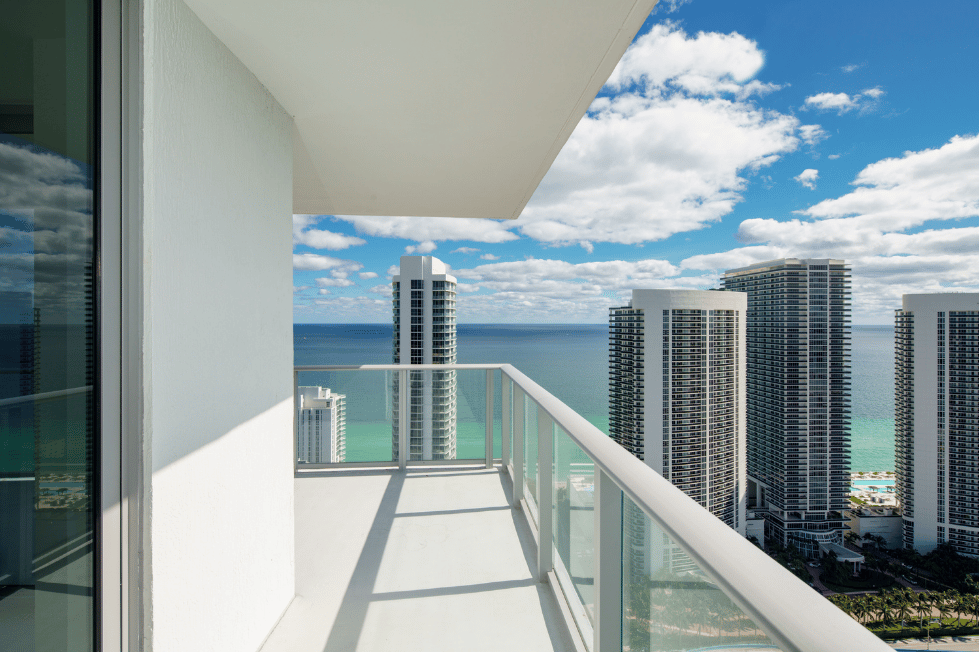
A short-term rental may fit when the use is clearly permitted, demand is supported by current comparable bookings, and you have the systems and reserves to operate a hospitality business. A long-term rental may fit when resident demand is durable, predictable monthly income matters more than pricing flexibility, and the proposed lease economics remain attractive after vacancy and maintenance reserves.
Some owners evaluate both models before purchasing and select the one that remains viable under conservative assumptions. A switch later may be possible, but it should not be assumed; leases, furnishings, permits, taxes, insurance, lender terms, and community rules can make a change costly or slow.
High-End Properties and Houses for Sale and Rent
Property selection comes before rental strategy. Review current Puerto Rico luxury real estate and neighborhoods, then confirm the permitted use, governing documents, operating costs, and realistic demand for each property. Individual listings and availability can change, so rely on the current property page and written due diligence rather than an older promotional example.

Casa Sol — PR 413 Solar C Bo. Puntas, Rincón
For Sale
Casa Sol in Puntas, Rincón, pairs four bedrooms and three bathrooms with an infinity pool, partial ocean views, and a location a short walk from Sandy Beach. Its solar panels, battery backup, and water filtration offer useful features to assess when weighing vacation-rental appeal against the upkeep and infrastructure costs of either rental strategy.
2058 Cacique, Ocean Park, San Juan
For Sale
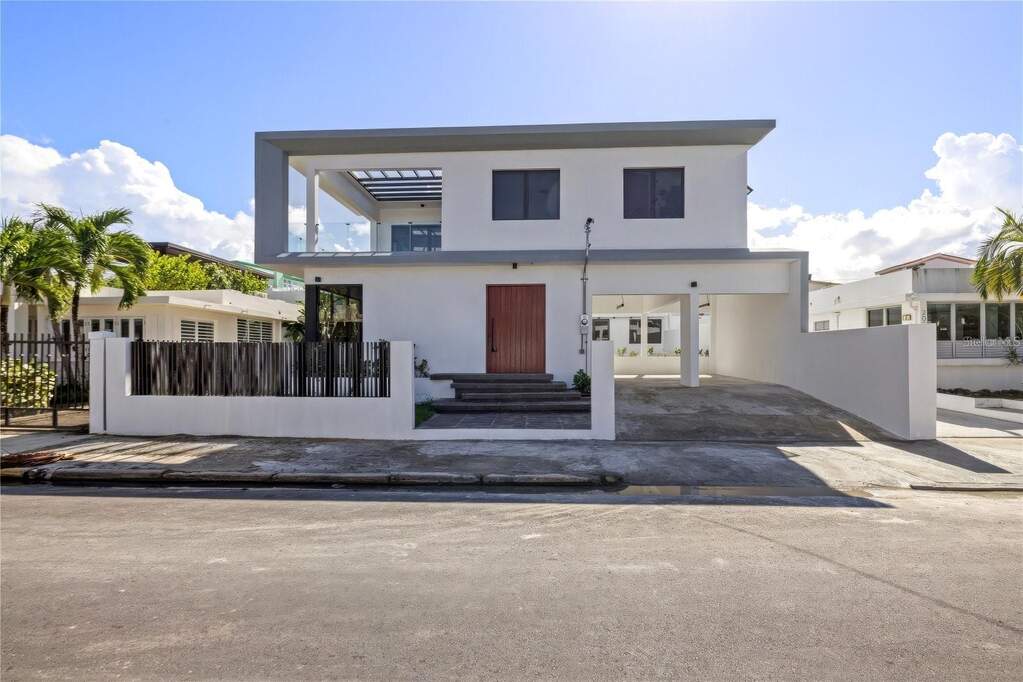
This reconstructed four-bedroom, five-bathroom Ocean Park home features an open layout, a guest suite, a pool and patio, plus a generator and cistern. Its walkable access to the beach, dining, and schools provides a useful basis for comparing vacation-oriented demand with longer-term household needs, while factoring pool and backup-system maintenance into projected costs.

Bahia Plaza — 25 Muñoz Rivera Avenue, Unit 614, San Juan
For Rent
This furnished two-bedroom residence at Bahia Plaza in Paseo Caribe offers an open floor plan, a spacious terrace, ocean and Condado Lagoon views, and access to a pool and gym. Its equipped interiors and shared amenities make it a useful reference when evaluating furnished luxury rentals, with lease length, condominium rules, and included services central to comparing costs and workload.
Boulevard del Río II, Guaynabo
For Rent
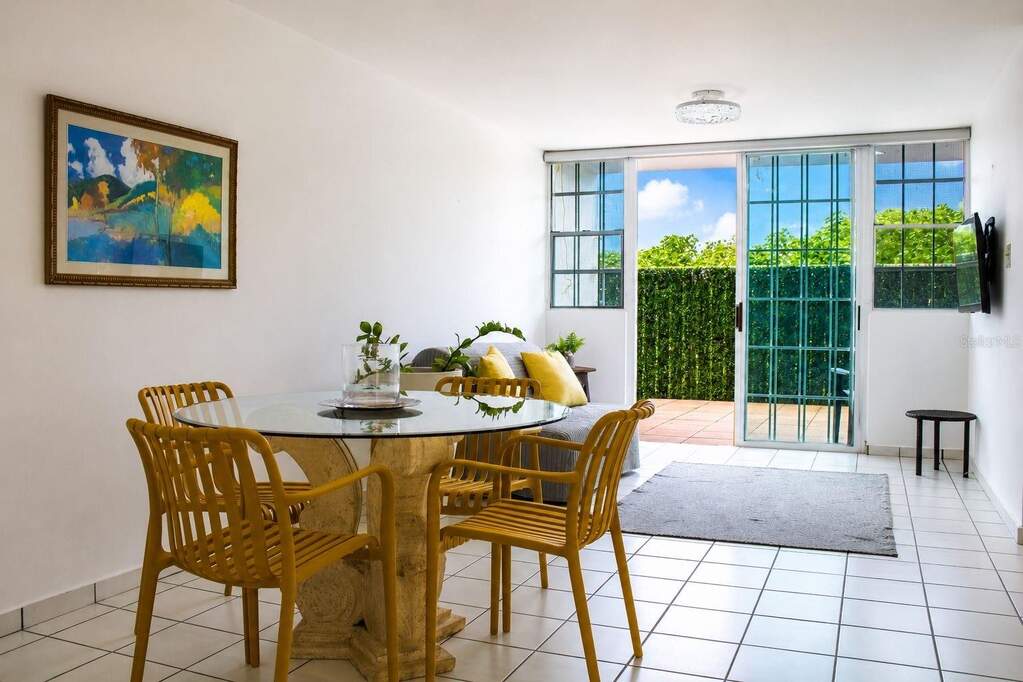
This approximately 1,400-square-foot garden apartment offers three bedrooms, two renovated bathrooms, a renovated kitchen, two parking spaces, and access to a pool and 24-hour security. Its proximity to schools, supermarkets, and restaurants makes it a useful longer-term rental comparison, highlighting everyday convenience and household needs when assessing tenant demand and operating workload.
Conclusion
The strongest rental decision is the one supported by a property-specific net-income model and verified legal, insurance, financing, and community requirements. Short-term rentals offer pricing flexibility but demand more operations and compliance. Puerto Rico long-term rentals generally provide steadier cash flow but commit the property to a lease and still require careful tenant and asset management.
If you are comparing income-producing properties, Christie’s International Real Estate Puerto Rico can help you identify suitable options and organize the property-level questions to resolve before an offer. Explore current properties or contact the team for a focused discussion.
FAQs
What is considered a short-term rental in Puerto Rico?
For Puerto Rico’s room-occupancy-tax rules, the Tourism Company describes short-term rentals as stays of fewer than 90 consecutive days. These rentals are subject to the 7% room tax and innkeeper registration requirements, along with any applicable municipal and community rules.
Are short-term rentals more profitable than long-term rentals?
Not always. Short-term rentals may produce more gross revenue, but they also carry more variable costs, turnover work, seasonality, and regulatory exposure. Compare net income using current property-level assumptions for both strategies.
Can a condominium or HOA restrict short-term rentals?
Restrictions may appear in the master deed, bylaws, rules, or amendments. Review the complete, current governing documents and obtain legal guidance before relying on short-term rental income.
Does Act 60 automatically reduce tax on rental income?
No automatic benefit should be assumed. Eligibility depends on the owner, activity, current law, and any applicable decree. A qualified Puerto Rico tax professional should review the proposed structure.
What should I verify before buying a Puerto Rico rental property?
Confirm permitted use, title and community restrictions, municipal and Tourism Company requirements, insurance, flood exposure, financing terms, operating costs, comparable demand, property condition, and management capacity before relying on projected rental income.