Puerto Rico supports several distinct rental strategies, from long-term apartments in San Juan to furnished homes in resort communities and short-term vacation stays. The right approach depends on location, property rules, operating costs, and the renter you intend to serve—not on a single island-wide rent or yield figure. Searches for rentas en Puerto Rico can include everything from primary residences to luxury seasonal homes, so investors should compare like-for-like properties before estimating income.
This guide explains how to evaluate rentals in Puerto Rico without relying on outdated averages or guaranteed-return claims. It is general information, not legal, tax, or investment advice.
Key Takeaways
- Long-term, seasonal, and short-term rentals have different demand patterns, operating costs, and compliance requirements.
- Asking rent and gross yield do not equal net return; insurance, utilities, maintenance, vacancies, management, taxes, and condominium fees can materially change the result.
- Puerto Rico treats stays of fewer than 90 consecutive days as short-term rentals for room-tax purposes. Operators must confirm registration, tax, condominium, zoning, and municipal requirements before accepting guests.
- In luxury rentals, reliable backup power, water storage, parking, security, and professional maintenance can affect tenant appeal and ownership costs.
Diverse Rental Property Options in Puerto Rico
Puerto Rico's rental market serves residents, relocating professionals, seasonal occupants, and visitors. Before buying, define the intended use and verify that the property's title, condominium documents, community rules, insurance, and local requirements permit it.
Rental Strategy by Property Type
Property Type | Typical Use | Key Due Diligence |
Single-Family Homes | Long-term or furnished family housing | Insurance, landscaping, backup systems, maintenance, and security |
Apartments and Condos | Urban long-term, corporate, or seasonal rental | HOA rules, fees, parking, generator coverage, and building services |
Multi-Unit Properties | Multiple long-term tenancies | Legal unit count, utility metering, condition, and management capacity |
Luxury Villas and Estates | Executive, seasonal, or permitted short-term stays | Staffing, maintenance, privacy, insurance, and community restrictions |
Short-Term Rentals | Stays of fewer than 90 consecutive days | Tourism Company registration, room tax, local rules, and operating costs |
A property's best use is not determined by type alone. A condominium with strong amenities may still prohibit short-term stays, while a detached home may require more maintenance than its projected rent can support.
How to Evaluate Rent in San Juan, Puerto Rico
San Juan rents can vary widely by neighborhood, building, condition, lease term, furnishing, parking, view, and included utilities. Broad averages can be misleading when a dataset mixes modest unfurnished units with luxury beachfront residences. A more reliable analysis uses recent comparable listings and executed leases from the same submarket and building class.
For each comparable, record bedroom and bathroom count, interior area, furnished status, parking, generator and cistern coverage, amenities, lease duration, and which party pays electricity, water, internet, and HOA charges. Then calculate projected net income after realistic vacancy, repairs, insurance, property management, taxes, and reserves rather than relying on gross asking rent.
San Juan Rentals: Neighborhood Overview
Neighborhood context matters as much as the apartment itself. Condado and nearby coastal areas attract renters seeking beach access, dining, schools, and walkability. Old San Juan offers a historic urban environment, but individual buildings can differ substantially in access, parking, and permitted use. Santurce and Miramar provide a broader mix of residences, cultural destinations, offices, and services, while Guaynabo often appeals to renters prioritizing suburban communities and access to the metropolitan area.
Investors should not assume that demand in one San Juan neighborhood transfers directly to another. Compare the specific building, block, lease format, and target renter.
When Is the Best Time to Rent an Apartment in Puerto Rico?
There is no universal cheapest or most profitable month. Short-term demand may be more seasonal in tourism-oriented markets, while long-term rentals respond more to local employment, school calendars, relocations, and the supply of comparable units. Hurricane season can also affect travel patterns and operating risk, but it does not guarantee lower long-term rent or easier negotiations.
Tenants should compare total occupancy cost, lease flexibility, utilities, deposits, and storm-readiness rather than timing alone. Owners should model several occupancy scenarios and maintain appropriate insurance and emergency plans.
Long-Term Rental Demand Beyond Luxury Areas
Long-term rentals serve households throughout Puerto Rico, including Bayamón, Carolina, Trujillo Alto, Guaynabo, and municipalities outside the San Juan metropolitan area. These markets should be evaluated using local comparables rather than generalized price bands. Proximity to employment, schools, healthcare, transit, parking, property condition, and reliable utilities can all influence demand.
The U.S. Census Bureau tracks Puerto Rico housing occupancy and vacancy categories, but territory-wide vacancy totals include homes that are seasonal, held off market, awaiting occupancy, or vacant for other reasons. They should not be treated as a direct vacancy rate for a particular luxury building or rental strategy. Review the American Community Survey housing-vacancy table alongside current local market evidence.
Greatest Factors Contributing to Rental Revenue

Tourism and Location
Tourism can support short-term demand in Old San Juan, Condado, Isla Verde, Dorado, Rincón, and resort communities, but location alone does not guarantee profitability. Access, views, condition, amenities, guest capacity, parking, community rules, and the number of competing properties all matter. Owners should also budget for cleaning, utilities, platform or booking costs, management, maintenance, taxes, and periods without bookings.
Short-Term Rental Operations
The Puerto Rico Tourism Company defines a short-term rental as a room, apartment, house, or villa rented for fewer than 90 consecutive days. According to its official guidance, an operator must register as an innkeeper, collect a 7% room-occupancy tax, and file the monthly declaration by the tenth day of the following month. Owners should confirm current requirements through the Puerto Rico Tourism Company and its Room Tax portal.
Those territory-level requirements do not replace municipal, zoning, building, HOA, insurance, mortgage, or other private restrictions. Confirm all applicable rules before advertising or accepting reservations.
Top Places for Vacation Rentals

Vacation-rental markets differ in access, visitor profile, seasonality, property type, and regulation. The following locations are starting points for research, not promises of occupancy or return.
Location | Rental Profile | What to Verify |
Old San Juan | Historic urban stays near cultural attractions | Building condition, access, parking, historic-district and use restrictions |
Palmas del Mar | Resort-community homes and condos in Humacao | Community rules, fees, amenity access, insurance, and management |
Guaynabo | Primarily residential and executive long-term demand | Commute, schools, security, utilities, and lease comparables |
Dorado | Luxury resort and residential demand | HOA or resort rules, membership access, staffing, and operating costs |
Isla Verde | Beachfront and airport-accessible apartments | Condo restrictions, noise, parking, insurance, and permitted rental term |
Isabela, Aguadilla, and Rincón | West-coast beach, surf, and seasonal stays | Road access, water and power resilience, management, and local comparables |
Culebra and Vieques | Island stays centered on beaches and privacy | Transportation, utilities, supplies, maintenance logistics, and local rules |
Explore Christie's International Real Estate Puerto Rico's guides to Dorado Beach, Palmas del Mar, the Puerto Rico west coast, and Culebra for more location context.
Legal Framework for Puerto Rico Rentals
Owners should evaluate the lease, property rules, taxes, insurance, and operating requirements before marketing a rental. This is particularly important for furnished luxury homes and condos, where services, amenities, and replacement costs can be substantial.
Lease Agreements
A written lease should identify the term, rent, deposit, utilities, maintenance duties, access rights, permitted occupants, pets, furnishings, and use of amenities. Have Puerto Rico counsel review the agreement and any building-specific requirements.
Tenant and Landlord Rights
Eviction, deposits, property access, repairs, and notices are legal matters. Owners and tenants should obtain current Puerto Rico legal advice instead of relying on generic online summaries.
Tax Implications
Rental income can create Puerto Rico and, depending on residency and sourcing, U.S. reporting obligations. Room tax may also apply to short-term stays. The treatment depends on the owner, entity, property, expenses, and rental format. Review our guide to reporting rental income from Puerto Rico real estate and consult qualified Puerto Rico and U.S. tax professionals.
Registration and Property Rules
For stays under 90 consecutive days, confirm Puerto Rico Tourism Company registration and room-tax compliance. Separately verify municipal and zoning requirements, condominium bylaws, deed restrictions, insurance terms, and any lender limitations. Written confirmation is preferable when eligibility is uncertain.
Guest Safety and Property Management
Safety planning should cover building compliance, locks, pool and balcony risks, smoke and carbon-monoxide alarms where appropriate, emergency contacts, storm procedures, and reliable maintenance. Professional management may help with inspections, tenant communication, housekeeping, repairs, and documentation, but owners should compare scope, fees, and local experience.
Puerto Rico Luxury Property for Rental-Investment Consideration
Current luxury properties for sale can illustrate the features investors often assess for furnished or seasonal use. Any rental plan remains subject to the property's rules, permits, insurance, and financial analysis. Listing availability can change, so verify status before relying on a property in an investment model.
West Coast Residence
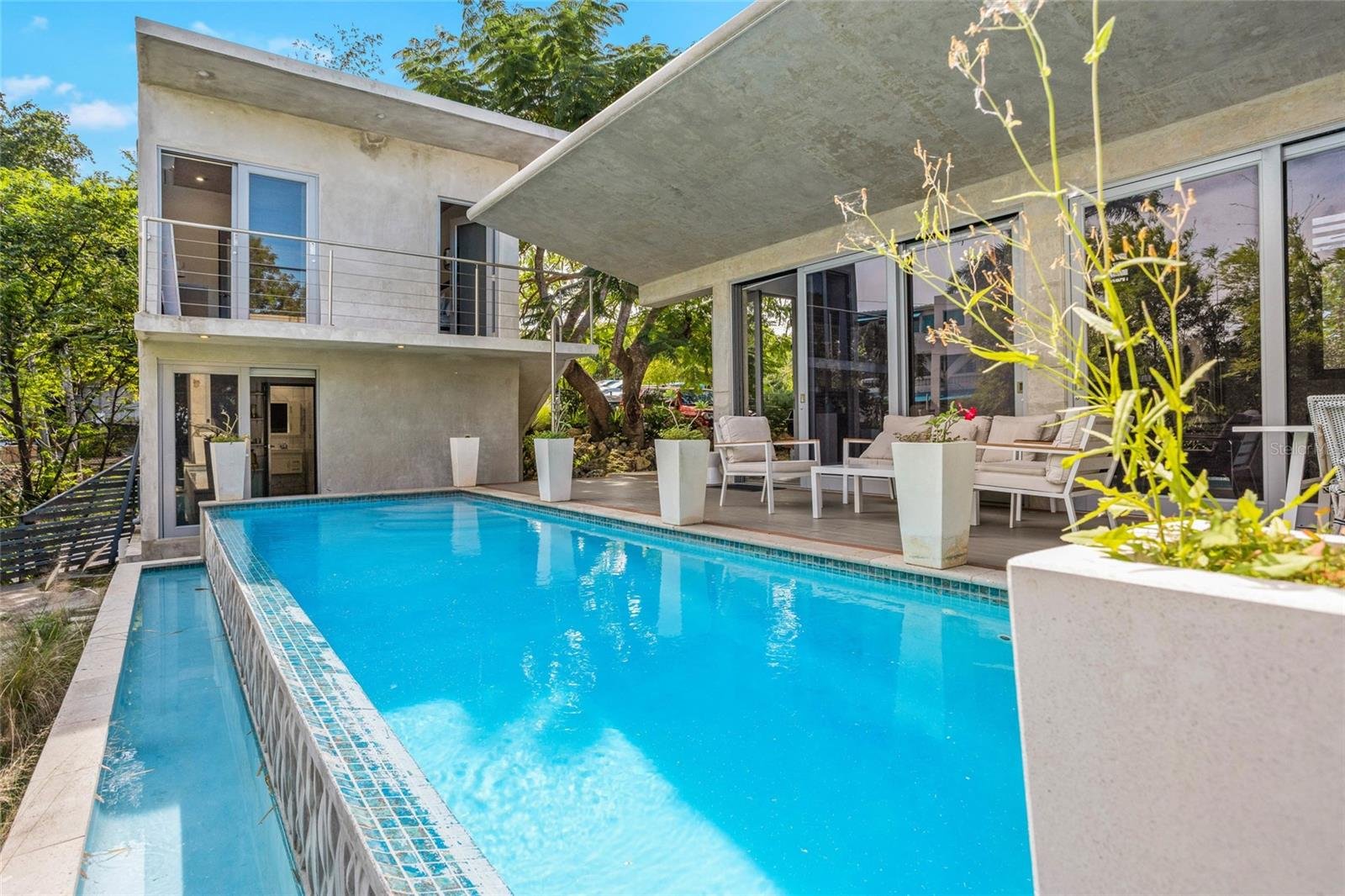
PR 413 Solar C, Puntas, Rincón, PR 00677
Casa Sol is a four-bedroom residence in Puntas with an infinity pool, partial ocean views, solar power with battery backup, and access to the Sandy Beach area. Its coastal setting and backup systems are relevant features to evaluate, but prospective owners should independently confirm all rental permissions and projected expenses.
Conclusion
Rentals in Puerto Rico can serve long-term residents, relocating professionals, seasonal occupants, and visitors, but the economics are property-specific. A sound review compares local leases or bookings, confirms permissible use, and subtracts the full cost of ownership and operation before estimating return.
Christie's International Real Estate Puerto Rico can help buyers and owners understand location, property features, and current market options. Explore available Puerto Rico properties for sale or contact our team to discuss your real-estate goals.
FAQs
How much is the average rent in Puerto Rico?
There is no single useful average for every Puerto Rico rental. Rent varies by municipality, neighborhood, property type, condition, furnishing, amenities, lease term, and included utilities. Use recent comparable listings and executed leases from the same submarket, and separate luxury or short-term properties from conventional long-term housing.
What is the vacancy rate in Puerto Rico?
Territory-wide vacancy statistics should not be used as a direct proxy for a specific investment. Census vacancy categories include units for rent as well as seasonal, recreational, awaiting-occupancy, and other vacant homes. Evaluate current availability, absorption, and lease history for the relevant municipality, neighborhood, and property class.
What are the main risks of investing in Puerto Rico rentals?
- Storm and insurance risk: Hurricanes, flooding, wind exposure, deductibles, and coverage limitations can affect costs and operations.
- Regulatory and property-rule risk: Short-term-rental, tax, zoning, condominium, and community requirements can change or differ by property.
- Operating costs: Utilities, generators, water systems, maintenance, management, cleaning, repairs, and reserves can materially reduce gross income.
- Market and vacancy risk: Demand, competing supply, tourism, employment, and lease preferences can change.
- Liquidity and exit risk: A property selected for one rental strategy may not appeal to the same buyer pool when sold.
Do short-term rentals in Puerto Rico collect room tax?
Yes. The Puerto Rico Tourism Company states that rentals for fewer than 90 consecutive days are subject to a 7% room-occupancy tax and require innkeeper registration and monthly filing. Owners should verify the current process and all additional local or property-specific restrictions before operating.