An addition built without a required permit can complicate a Puerto Rico luxury home purchase by raising questions about the home's condition, permitted use, valuation and insurability. Missing paperwork is a reason to investigate, not proof that the work was unlawful or that financing will be refused. Start by locating the relevant records and having qualified professionals compare them with the property.
This guide covers what to request, who should review it, and which questions to resolve before contractual deadlines.
Key Takeaways
- Compare the physical house against approved plans and permit history before contingencies expire, not after.
- Construction-permit filings in Puerto Rico generally require a licensed architect or engineer, so your review team should include one.
- CRIM tax records, active utilities, clear title and HOA approval do not, by themselves, establish that an addition has the required permits.
- Confirm whether OGPe or the relevant municipal office handles the property and where its historical records are kept.
- Do not assume an undocumented addition can be approved later; obtain a property-specific assessment of the available options and required approvals.
How Unapproved Additions Complicate Due Diligence and Closing

An addition may change the home's floor area, use or footprint without appearing in the records available to the buyer. A difference between the plans and the building needs an explanation: it may reflect missing records, later approvals, exempt work or work requiring further review.
The Puerto Rico Plus guide to essential inspections before buying a luxury home provides broader context for the inspection process. For permit questions, compare the applicable approvals and plans with the home's existing condition rather than relying on the listing description.
Apply the same review to an older coastal home and a residence in a gated community. A neighborhood's reputation, a recent renovation or a polished finish is not a substitute for the property's records.
Records to Request Before Contingencies Expire
Request the seller's records in writing early enough for your advisers to review them before contractual deadlines. If documents are missing, confirm the responsible authority and retrieval process rather than assuming the seller's folder is complete.
The core set for a Puerto Rico luxury real estate transaction usually includes:
- Construction permits for the original building and later work for which approval was required.
- Applicable use permits and any approvals for changes in use, as identified by your legal and design professionals.
- Approved plans and revisions, plus available as-built drawings; an as-built drawing is not, by itself, evidence of approval.
- Inspection and certification records tied to each permit case.
- Cadastral number and the property's survey or mensura.
- Coastal, environmental or historic-preservation approvals where applicable to the site and work.
- Post-storm repair documentation, including engineering reports for roof and structural work.
Puerto Rico's construction-permit dataset published by the Instituto de Estadísticas can include case status, award date, cadastral number, address, municipality, owner, and estimated cost. Treat it as a cross-check, not a complete record, since certain autonomous municipalities and older filings fall outside it.
Comparing the Physical Home With the Approved Plans

Ask a licensed architect or engineer to compare the available approved plans with existing conditions. Agree on a written scope that identifies the areas to inspect, discrepancies to record and limitations of the review.
A discrepancy needs explanation before it can be classified as a violation. The professional should distinguish missing documentation from a substantive change and identify which questions require a determination by the responsible authority.
Examples of Changes to Review
- Terraces, balconies, and marquesinas enclosed into conditioned living space.
- Garages converted to bedrooms, gyms, or staff quarters.
- Rooftop additions, pergolas, and summer kitchens.
- Detached casitas, cabanas, and pool equipment structures.
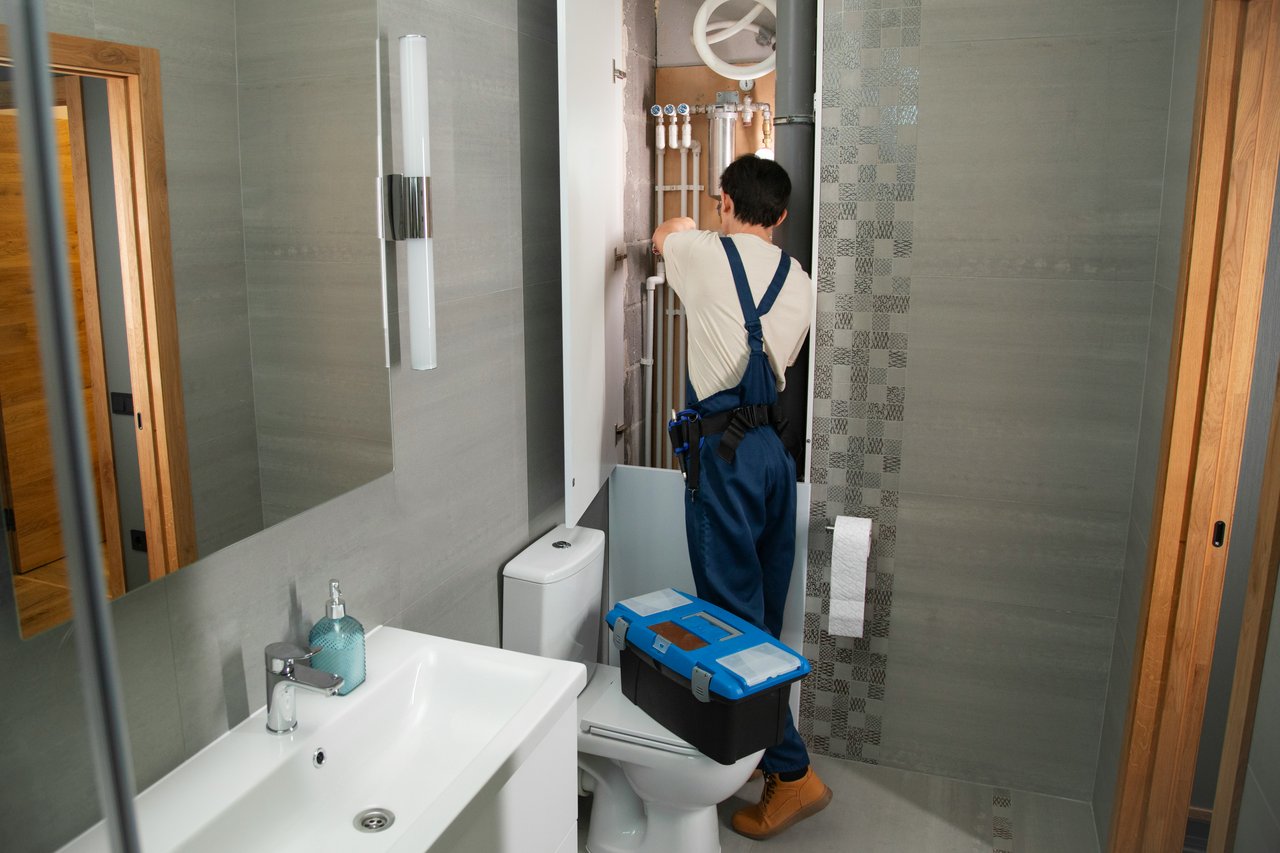
- Relocated or added bathrooms with unrecorded plumbing runs.
Coastal Parcels Need an Extra Layer
For a coastal parcel, ask your advisers whether setbacks, environmental restrictions or flood-related requirements affect the existing additions or intended work. Identify these questions early, alongside the condition assessment, so they can inform the purchase decision.
Minor Exempt Work Versus Work That Requires Approval
OGPe distinguishes exempt work from construction and remodeling that require a permit process. Have the relevant authority or qualified professional confirm whether the exemption criteria apply, including the rules relevant when existing work was performed and those governing any proposed corrective work.
Use the table as a list of questions for your reviewer, not as a permit-exemption determination.
Type of Work | What to Clarify | Records or Questions |
|---|---|---|
Painting, flooring, cabinetry | Exact scope and location | Does an exemption apply? |
Like-for-like fixtures | Systems affected by replacement | Are approvals or certifications needed? |
Enclosing a terrace or balcony | Changes to area, structure and use | Do the approved plans cover the enclosure? |
Adding bedrooms or a casita | Footprint, occupancy and services | Which approvals cover the added space? |
Roof or structural changes | Nature and extent of the work | What engineering and approval records exist? |
Changing property use | Existing and intended use | Does the applicable use approval match? |
Pool, electrical or septic work | System scope and site constraints | Which permits and certifications apply? |
For an older or historically significant property, ask whether preservation review applies before assuming exterior changes are routine. Our build-versus-rehab cost guide explains why the scope of proposed work matters when comparing purchase options.
Identifying the Responsible OGPe or Municipal Authority
Confirm the office responsible for the property and the records you need. OGPe provides a process for requesting file copies, while municipal records may require a separate request; Guaynabo's permits office, for example, identifies a municipal route for certain older files.
Provide the cadastral number, address and any known permit case numbers when asking the authority to locate records. Include previous owner or project names where available, but do not rely on a name-only search.
If a search returns no result, ask which dates, municipalities and permit types the search covers. The public dataset is not a substitute for a file request or a property-specific determination.
The Three Professionals Your Review Team Needs

Legal interpretation, plan review and condition inspection answer different questions. Agree on each professional's scope and reporting deadline so that a general inspection is not mistaken for a permit-compliance opinion.
Puerto Rico Attorney
Ask a Puerto Rico attorney to review ownership and encumbrances, the contract, and the legal implications of missing approvals. Have counsel explain your deadlines, available contractual protections and the responsibilities of the parties involved in closing.
Licensed Architect or Engineer
OGPe directs owners undertaking new construction or remodeling to a licensed architect or engineer for the permit process. Ask the appropriately qualified professional to assess discrepancies and explain what further investigation or applications may be necessary, without assuming approval is guaranteed.
Independent Property Inspector
Arrange an independent inspection with a written scope covering the property's relevant structure and systems. Refer suspected structural or other specialist issues to an appropriately qualified professional; an inspection report alone does not establish permit compliance.
Christie's International Real Estate Puerto Rico can help with property selection and showings. Independent legal, architectural, engineering and inspection professionals should assess the records, condition and compliance questions; brokerage representation does not replace those assessments. Our home-buying decision guide provides broader context for organizing the purchase.
Financing, Insurance, and Appraisal Questions That Follow
An undocumented addition does not produce the same lending or insurance outcome in every transaction. Ask the lender, appraiser and insurer how the specific findings affect their assessment, and obtain written clarification before relying on an assumption.
Fannie Mae's appraisal guidance requires commentary on the quality, appearance and market-value impact of additions lacking required permits; it does not prescribe automatic zero value for every such addition. That guidance is program-specific, so confirm the requirements of your own lender.
- Ask how the appraiser will report the additional area and whether it affects the valuation.
- Ask the lender which records, repairs or other conditions, if any, must be satisfied before closing.
- Give the insurer an accurate description of the property and additions, and request clarification of coverage, exclusions and documentation requirements.
- Ask whether the proposed coverage addresses the structures and uses you intend to insure.
- Discuss flood risk and any required elevation information separately from construction-permit questions.
A cash purchase removes the mortgage-underwriting step, not the need to assess condition, legal exposure or insurance. If you are comparing an existing home with a new-build alternative, our new-construction due-diligence guide identifies additional project questions.
Why Other Property Records Do Not Replace Permit Verification
These records answer different questions and can help your advisers investigate the property. None should be treated, on its own, as confirmation that every addition has the required approvals.
- CRIM records concern property taxation; an addition's appearance in the tax record is not a substitute for its permit history.
- Active water or electricity service does not establish that every later alteration was approved.
- Title review addresses ownership and recorded rights or encumbrances; ask counsel separately about construction approvals.
- HOA or condominium consent addresses the applicable private rules and does not replace required government approvals.
- A prior appraisal serves a valuation purpose and should not be treated as a permit-compliance certificate.
Read these documents together with the permit record and the professional assessment of existing conditions. Investigate inconsistencies rather than treating any single document as clearance.
Purchase Decisions When an Addition Lacks Documentation
Discuss the available options with your attorney and technical advisers before making an unconditional commitment. The appropriate response depends on the findings, the contract and any lender or insurer requirements; approval, cost and timing cannot be assumed.
- Ask the seller to address the issue before closing. Counsel can define the required evidence, responsibility and agreed milestone, subject to the necessary professional and authority review.
- Discuss a price adjustment or escrow arrangement if legally and practically available. Neither a discount nor reserved funds makes unauthorized work lawful, and the parties and any lender must accept the arrangement.
- Consider whether proceeding with a documented unresolved issue is acceptable only after obtaining qualified advice. Written disclosure does not itself cure a violation or guarantee insurance or financing.
- Consider ending the transaction if the risks are unacceptable and the contract permits it. Ask counsel about your rights, notice requirements and deadlines before acting.
Keep the records and professional findings for future decisions, including resale. An unresolved question can remain relevant even if the current purchase goes ahead.
A Concise Buyer Checklist for Permit Due Diligence
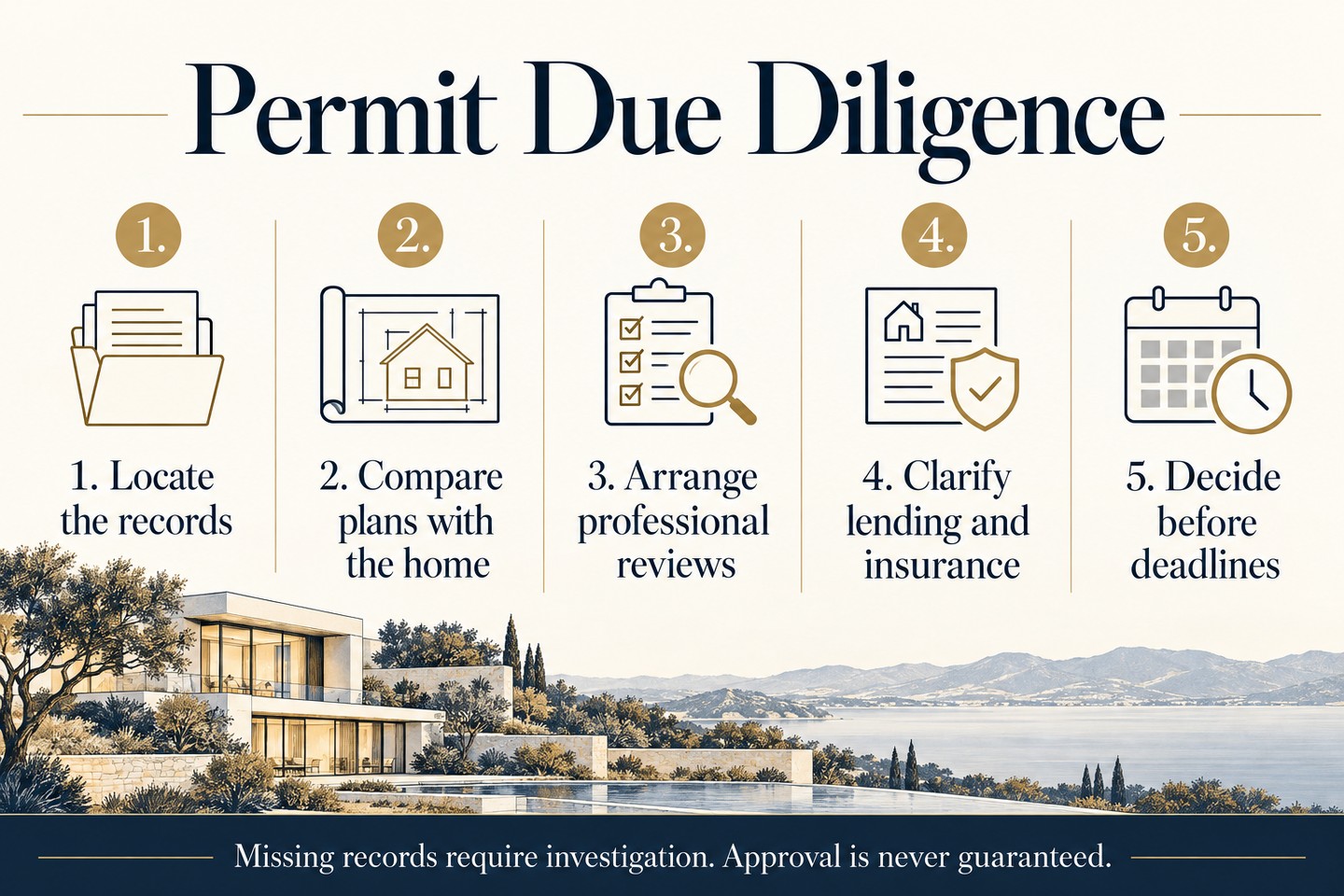
Use this checklist to organize requests and assign responsibility during due diligence. Set deadlines with your advisers and allow related reviews to run in parallel where practical.
- Confirm the cadastral number and whether OGPe or an autonomous municipality holds the file.
- Request the full permit, plan, and certification set from the seller in writing.
- Cross-check against permisos.pr.gov and available public permit data.
- Arrange the condition inspections and specialist structural or systems assessments appropriate to the property.
- Add coastal, environmental, and flood review where the parcel location requires it.
- Share findings with your lender, insurer, and Puerto Rico attorney before removing contingencies.
Puerto Rico Luxury Properties for Sale
The following luxury properties for sale offer a range of residential and investment options in San Juan and Dorado. They are included for browsing, not as examples of permit defects or as certifications of compliance. Evaluate each property's records and suitability with independent professionals before committing.
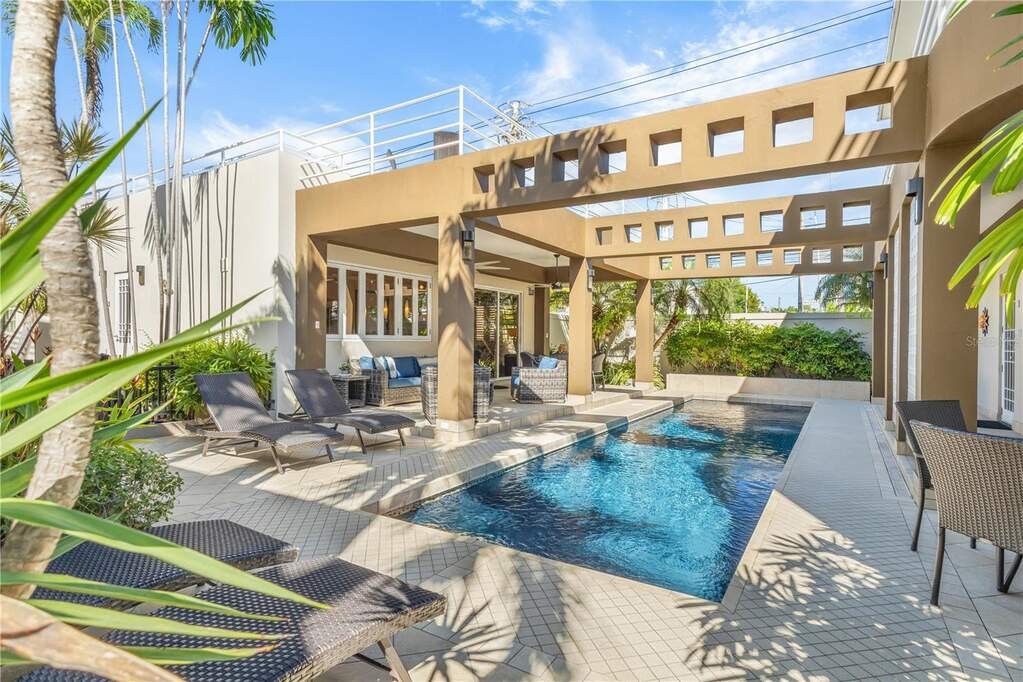
1858 Mcleary, San Juan
For Sale
This Ocean Park property has three residential units totaling five bedrooms and six bathrooms, with 4,142 square feet of listed living space. Features include a swimming pool, rooftop terraces, two enclosed garages and a full-property generator.
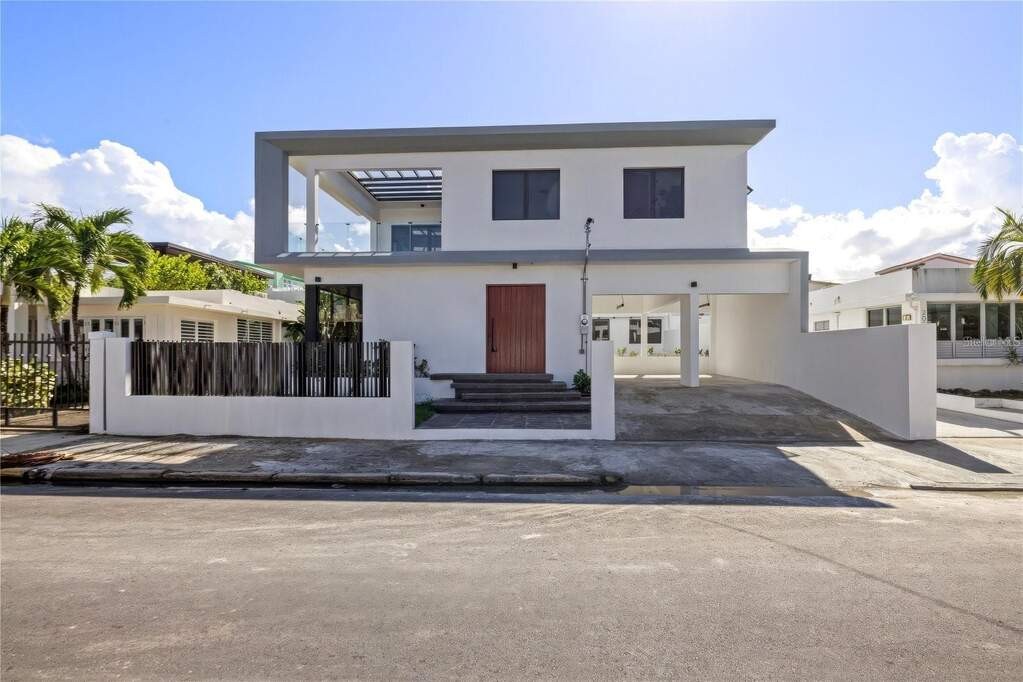
2058 Cacique, San Juan
For Sale
This Ocean Park home has four bedrooms, five full bathrooms and 3,300 square feet of living space. The listing describes an open layout, a guest suite, a pool and patio, plus a generator and cistern.

266 San Francisco Unit 266, Old San Juan
For Sale
This is a multi-unit investment offering rather than a single-family home: a six-story building totaling 12,350 square feet with five full-floor one-bedroom lofts and ground-floor commercial space. An elevator serves the building, which sits inside the historic core of Old San Juan.
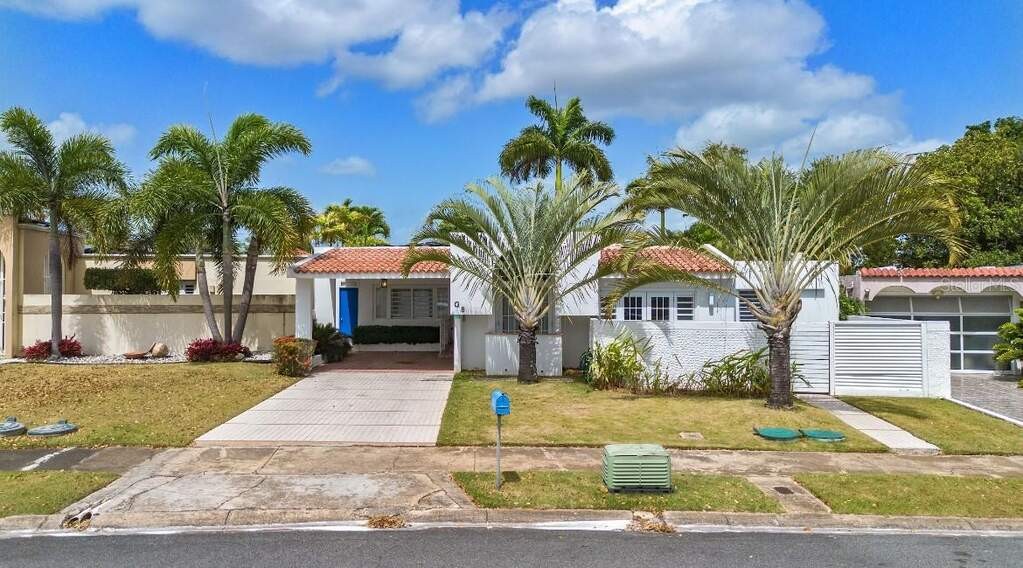
Calle 2 Dorado Del Mar G8, Dorado
For Sale
Three bedrooms, two full bathrooms, and a half bath occupy 1,600 square feet in Dorado del Mar. The home has a private pool, solar panels, and a Tesla Powerwall for backup power.
Conclusion
Missing permit records should prompt investigation before contractual deadlines, not an assumption that approval is impossible or guaranteed. Compare the available records with the property and ask qualified professionals to explain unresolved differences. Use those findings, together with your contract and financing or insurance requirements, to decide whether to proceed.
Explore our luxury properties in Puerto Rico to compare available homes and investment options. Share your preferred locations, property features and budget with Christie's International Real Estate Puerto Rico to focus your search and arrange showings. Retain independent legal and technical professionals to assess any property before committing.
Frequently Asked Questions
These answers summarize practical questions to raise during due diligence. They provide general information, not property-specific legal, lending or engineering advice.
What should I ask the seller to provide on day one?
Request available permit case numbers, approved plans and revisions, completion or certification records, and drawings of later alterations. Ask your advisers which additional records are relevant to the property's history and intended use.
How do I handle appraised square footage that exceeds permitted square footage?
Ask the appraiser and lender how they will report and evaluate the difference, and have your architect or engineer investigate its cause. Discuss any proposed price or contract changes with your attorney rather than assuming the area must be excluded or can automatically be approved.
What’s the fastest way to locate older or hard-to-find permit records?
Ask the responsible authority how to retrieve the file using the cadastral number, address and known case numbers. Check whether older records require a municipal or archival request; an empty online search is not conclusive.