
Puerto Rico is one of the most desirable destinations in the Caribbean, offering stunning landscapes, pristine beaches, and vibrant communities. As the home of Old San Juan—the second-oldest European-established capital in the Americas—the island blends historical charm with modern conveniences, making it ideal for both short-term getaways and long-term living. From relaxing at a coastal resort to staying in a cozy guest house, many places in Puerto Rico offer rewarding stays for travelers and families, provided the location and lodging fit their needs.
This guide covers practical safety checks for a Puerto Rico visit and the questions worth asking if you are considering a longer stay or a home purchase.
Key Takeaways
- There is no official 2026 ranking of Puerto Rico’s “safest” places to stay; assess the exact address, lodging, and your plans.
- Puerto Rico’s 2026 crime releases provide useful context, but islandwide counts cannot predict risk at a particular hotel or on a particular block.
- For coastal stays, check weather alerts, swimming conditions, and evacuation routes; Atlantic hurricane season runs June 1–November 30.
- Compare recent lodging reviews, entry security, lighting, parking, and late-night transport before booking.
- For Culebra or Vieques, check current ferry schedules and ticket availability; advance purchase is helpful but not mandatory.
Is Puerto Rico Safe to Visit?

Is Puerto Rico safe to visit? The answer depends on where you stay, what you plan to do, and the precautions you take.
Petty theft can occur in crowded visitor areas and around unattended belongings. Check current conditions for your specific destination, keep valuables secure, and plan how you will get back to your lodging after dark.
Travel guides offer useful practical perspectives, but their descriptions are not a substitute for current, address-specific evidence:
WorldNomads notes that “traveling to Puerto Rico is generally safe... petty crime and theft do happen in San Juan, just as in other big cities across the United States,” while also stressing the importance of safeguarding valuables.
Similarly, TravelNoire explains that Puerto Rico is “generally safe for tourists who stay in well-populated areas and take basic precautions,” adding that “Old San Juan and resort areas like Isla Verde are quite safe during the day.”
For a current reality check, Puerto Rico’s Statistics Institute publishes monthly Type I crime reports by municipality and police area. Its preliminary second-quarter 2026 report recorded 137 homicides from April through June, compared with 112 in the same period of 2025. These islandwide figures are important context, but they do not measure visitor risk at a specific hotel or establish a reliable ranking of neighborhoods. Check the exact address, recent reviews, and local guidance before deciding where to stay.
Puerto Rico’s Commitment to Safety and Well-Being
A useful safety plan covers more than crime. Weather alerts, evacuation routes, transportation, and lodging details all matter when choosing where to stay.
Disaster Readiness for Visitors
Hurricane season officially runs June 1–Nov 30; monitor forecasts and advisories.
Download the FEMA app for real-time alerts, shelter info, and checklists.
Coastal areas have tsunami evacuation maps and routes published by the PR Seismic Network; PREMB’s tsunami annex outlines island procedures.
Agencies and researchers publish evacuation-time mapping for tsunami scenarios (useful for planning if you’ll stay near the coast).
Public Safety and Visitor Practices
After dark, use well-lit, active routes and confirm your ride or licensed taxi before getting in. Keep valuables out of parked cars, including at beaches and trailheads, and ask your hotel or host about the immediate area.
What the Tourism Health & Safety Seal Means
The Puerto Rico Tourism Company Health & Safety Seal was created around COVID-19 mitigation. It is not a general crime-safety rating or proof that a neighborhood is safer. For a stay today, confirm current lodging details, working locks and alarms, recent guest feedback, and the property’s specific location.
Safety Checklist Before You Travel
Use these simple steps—alerts, smart transport, secure parking, and vetted stays—to make your trip smoother and safer from arrival to checkout.
Enable phone alerts; review hurricane basics if traveling Jun–Nov.
Save key numbers (hotel front desk, airline/rental, 911) and keep ID/card backups via cloud.
Choose stays with direct beach access or attended parking; book licensed tours for water/eco activities.
For coastal stays, glance at local tsunami maps so you know your route—just like you’d note fire exits in a hotel.
Checking alerts, evacuation routes, transport, and lodging details before departure makes it easier to adjust plans if conditions change.
How to Choose a Safe Base
Choosing the right home base in Puerto Rico is less about chasing the “perfect” neighborhood and more about matching your plans to on-the-ground realities. Use the guide below to quickly weigh vibe by day vs. night, safe beach access, walkability and lighting, and how close you’ll be to well-patrolled tourism corridors.
Day vs. night vibe: Walk the neighborhood (or use Street View) to sense how it feels in daylight and after dark. Areas that are lively with cafés and families by day may quiet down at night—plan dinners and walks on the main corridors then switch to rideshare for late returns. Ask your hotel where guests typically stroll after sunset.
Beach access & lifeguards: If beach time is a priority, choose zones with flagged swimming areas and lifeguard stations (common at resort strips like Condado and Isla Verde). Look for hotels/condos that front the beach or have direct access—this reduces time in parking lots, which are common targets for petty theft. Follow surf/current flags and posted advisories.
Walkability, lighting & sightlines: Favor blocks with continuous sidewalks, good lighting, and active storefronts. At night, stick to well-trafficked routes between your stay, dining, and the beach; avoid poorly lit side streets, parks, and secluded overlooks. If you’ll rent a car, verify on-site or valet parking.
Proximity to tourism/police zones: Staying inside established tourism districts typically means more patrols, wayfinding, and cameras. Check how close you are to hotel rows, plazas, and staffed attractions; being a few blocks inside these zones usually feels safer than being just outside. When in doubt, ask the front desk or host for their “safe routes” map and late-night transport tips.
Safest Places to Stay in Puerto Rico
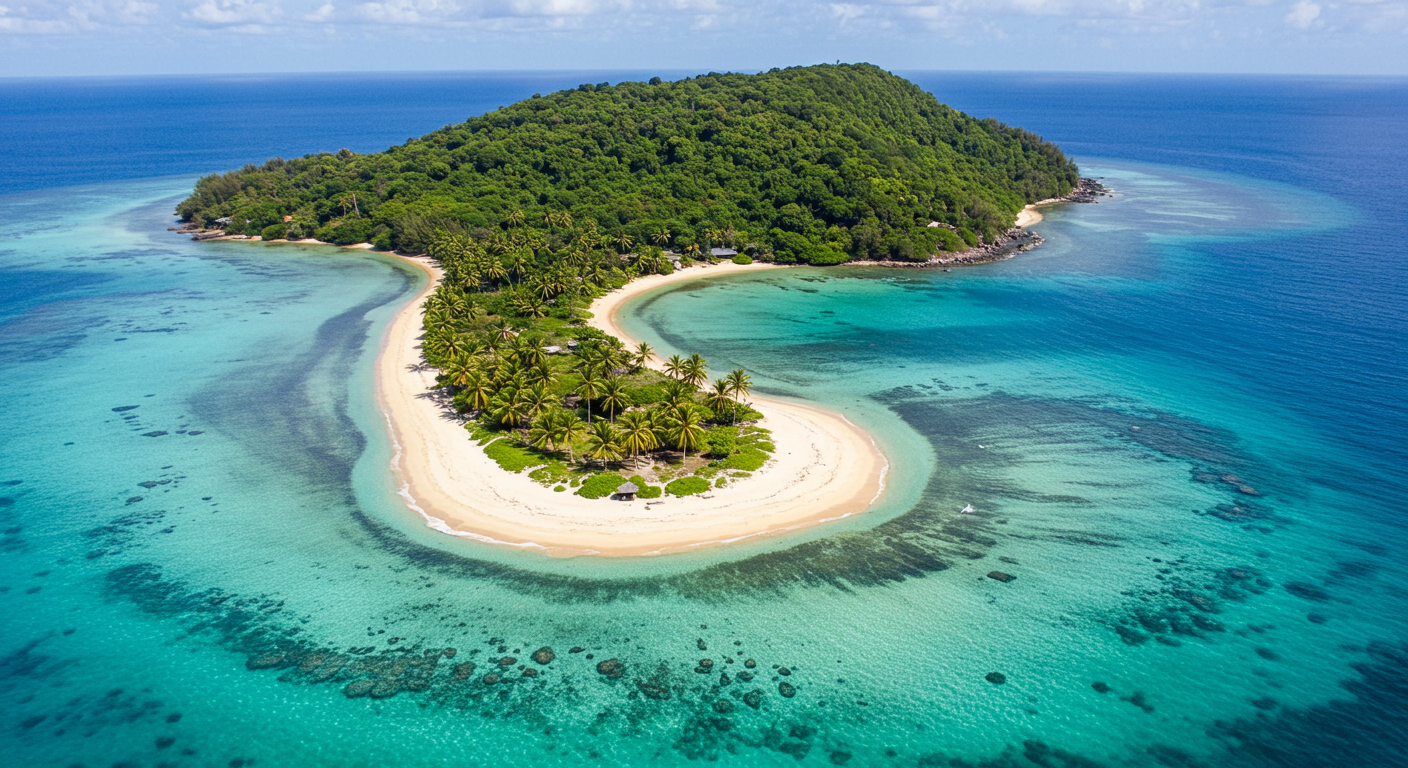
Image Source: Discovery Map
The areas below are popular bases for different kinds of trips, not a ranked list of the island’s safest neighborhoods. A third-party guide to the safest places may suggest destinations to research, but it does not establish comparative 2026 risk for a particular address. Whether you are planning a vacation or considering a long-term investment, assess the lodging, street, beach conditions, and transport options that matter to you.
Area | What it’s like (snapshot) | Who it’s for | Day/Night safety (essentials) | Where to book (traveler POV) |
Condado (San Juan) | Beachfront, walkable, upscale; cafés/boutiques on Ashford Ave | First-timers, families, couples | Use hotel/valet; no valuables in beach cars; rideshare late | Beachfront resorts & high-rise condos on/near Ashford |
Old San Juan | Cobblestones, colonial landmarks, museums & plazas | History lovers, weekenders, culture trips | Stroll by day; choose central hotels; rideshare at night | Boutique hotels in/near main plazas |
Ocean Park (San Juan) | Residential beach vibe; kite/surf scene; quieter than Condado | Families, long weekends, low-key stays | Book on lit streets near beach gates; empty car policy; rideshare at night | Guesthouses, boutiques, condo rentals a few blocks from beach |
Isla Verde (Carolina) | Wide resort beach 10–15 min from SJU; condo-hotels | Convenience seekers, beach-first families | Swim near flags; stick to main strip at night; licensed taxis | Beachfront resorts & condo-hotels on main strip |
Miramar (San Juan) | Quiet, tree-lined; lagoon views; near Convention Center/Distrito | Business travelers, couples wanting calm | Fine by day; rideshare to dining/nightlife; pick well-lit streets | Boutique hotels & serviced apts near lagoon/Convention Center |
Guaynabo (Metro) | Suburban, gated, schools/malls; local living vs tourist | Families, long stays, relocators | Rent a car; main roads at night; use secured parking | Branded hotels, aparthotels, vetted condos on main arteries |
Dorado | Ultra-luxury coastal town; gated resorts, golf, beach clubs | Families, luxury travelers, privacy seekers | Gated entries & private security; valet inside resorts | Resort-managed residences, golf villas, vetted luxury rentals |
Palmas del Mar (Humacao) | Master-planned; beaches, marina, golf, tennis, equestrian | Families & groups; “park-once” vacations | Controlled access; roaming security; lock beach-lot vehicles | Condo villas & resort-managed stays near beach/marina/golf |
Rincón | Surf town, sunsets, cafés; small-town beach life | Surfers, DN’s, couples, families | Beach parking = no valuables; heed surf flags; rideshare at night | Small inns, beachfront apts, hillside villas by breaks/plaza |
Fajardo | Marinas, cays, biobay; gateway to El Yunque | Boaters, families, eco-adventurers | Licensed tour operators; rideshare at night; stay in busy waterfront areas | Marina-area hotels/condos; family resorts with tour desks |
Culebra & Vieques | Low-key sister islands; top beaches/biobay | Beach purists, honeymooners, villa travelers | Limited lighting; slow night driving; cash backup; secure beach parking | Small inns, guesthouses, villa rentals; check current ferry schedules |
Aguadilla | Scenic coves, family attractions; BQN airport access | Families, west-coast explorers | No valuables in beach lots; mind currents; main routes at night | Boutique hotels, condo resorts, cliffside villas near beaches |
Buying Property in a Safe Neighborhood
If safety is shaping where you stay, it's worth knowing that the same well-patrolled, gated, and master-planned communities travelers favor are also among the island's most sought-after places to buy a home. Many visitors who fall for these neighborhoods end up putting down roots here. These neighborhood guides offer a starting point:
- Dorado — gated resort living with private security, golf, and beach clubs.
- Palmas del Mar (Humacao) — a master-planned, controlled-access community popular with families and relocators.
- Guaynabo — suburban, gated neighborhoods with schools and malls, minutes from San Juan.
To compare current homes in these areas, Browse current luxury listings or explore San Juan neighborhoods to find the area that fits you best.
Safety Tips as You Visit Puerto Rico
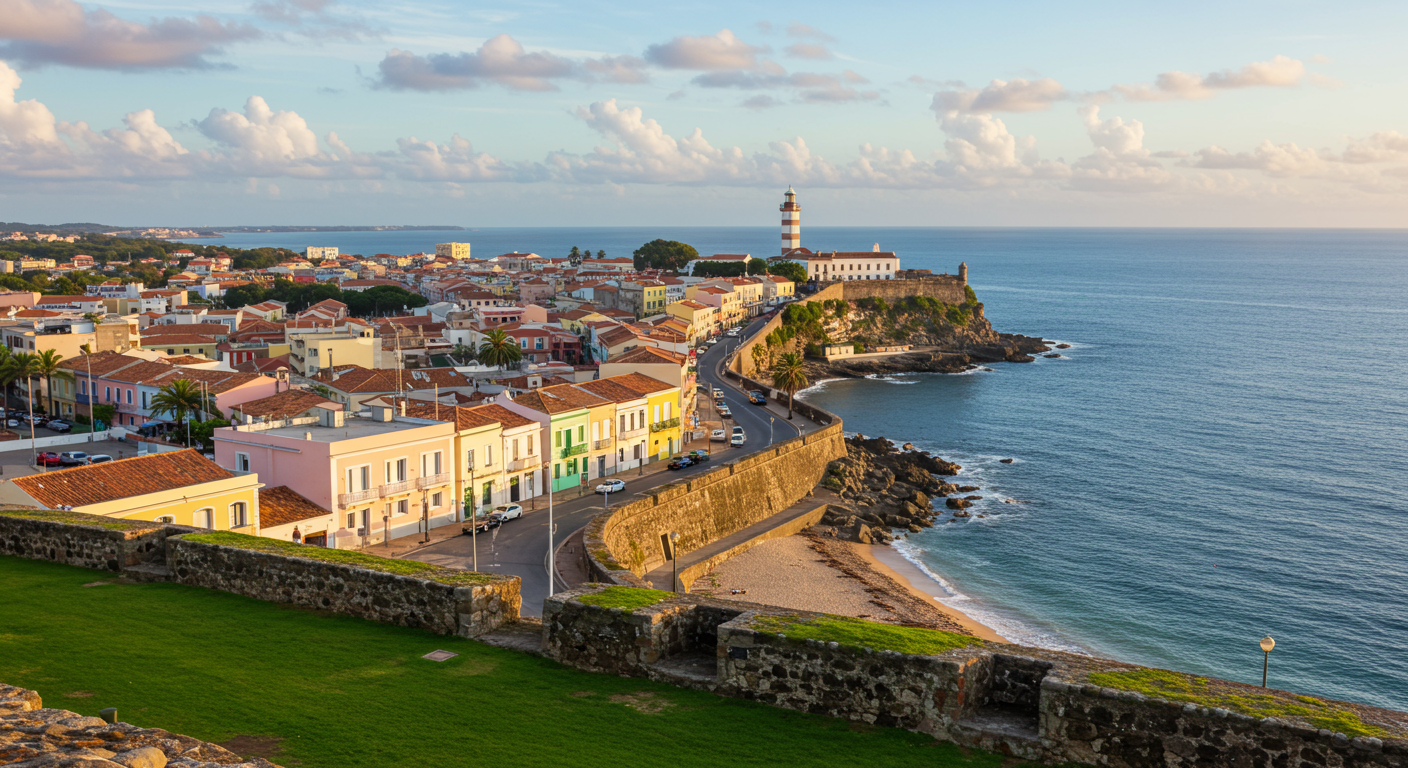
Image Source: Christie's International Real Estate Puerto Rico
Travelers often consider Ocean Park and Condado for their San Juan location, while Rincón offers a different west-coast pace. None is a guarantee of safety. The most useful comparison is the exact lodging, its surroundings, your transport options, and current conditions during your stay.
Here are some essential safety tips for visiting or planning a stay in Puerto Rico:
Before You Go
Save emergency contacts: 911 (emergency), hotel front desk, airline, rental car
Enable weather/emergency alerts; if traveling June–Nov, review hurricane basics.
Photocopy IDs/cards; store backups in your email/cloud.
At Your Hotel and the Beach
Use the room safe; keep passports and spare cards inside.
Don’t leave valuables in parked cars—especially at beach lots.
Swim near flags/lifeguards; follow local surf/current advisories.
Getting Around
Prefer licensed taxis or rideshare at night; confirm driver and plate.
Park in well-lit, attended areas; choose hotel/valet after dark.
If driving, stick to main routes at night and mind potholes in rural roads.
Out and About
Stay on well-trafficked, well-lit streets after dark.
Keep phones/wallets zipped and cross-body; avoid flashy jewelry.
Use ATMs inside banks/malls; shield PINs.
Money and Documents
Carry only what you need for the day; keep a backup card in the safe.
Enable card travel alerts and transaction notifications.
Weather and Nature
Hydrate and use reef-safe sunscreen; wear hats/UV layers.
Check daily forecasts during hurricane season; adjust plans if advisories change.
For hiking or remote beaches, go with a buddy and share your location plan.
Health Basics
Pack a mini kit (bandages, pain reliever, antihistamines, motion-sickness meds).
Use mosquito repellent in green, coastal, or dusk/dawn areas.
Verify your travel insurance details (medical + trip interruption).
If Something Happens
Call 911 first; then contact your hotel/host for local support.
For lost cards/IDs, freeze them via your bank app and file a report.
Safety Essentials for Visitors

Choose well-lit routes, keep valuables out of beach parking lots, and confirm your ride before you travel at night. Weather alerts and a backup plan are also useful when conditions change.
Item | What to do | When | Why it matters | Pro tip |
Beach parking | Park in attended, well-lit lots; take valuables with you | Day & evening beach visits | Beach/trailhead lots are common targets for petty theft | Pick beachfront stays with on-site/valet parking to skip public lots |
No valuables in cars | Leave nothing visible or in the trunk | Any time you park | Opportunistic theft is quick and silent | Use a small beach bag with only essentials; store backups in-room |
Licensed transport | Use licensed taxis or rideshare; confirm car/plate in app | Nights, airport runs, late dinners | Verifies driver identity and route | Set pickup at hotel lobbies or busy storefronts for visibility |
Stick to lit, busy routes | Walk main corridors; avoid empty side streets/parks after dark | Evenings & night | Visibility and foot traffic deter crime | Ask your hotel for a “safe routes” map and late-night tips |
ATM & card hygiene | Use ATMs inside banks/hotels; shield PIN; enable card alerts | Cash runs & shopping | Reduces skimming/fraud risk | Keep one card on you; leave a backup in the room safe |
Hotel safe | Store passports, spare cards, jewelry | Check-in and daily | Minimizes loss impact | Photograph IDs and email a copy to yourself before travel |
Beach flags & lifeguards | Swim near flags and lifeguard stands; heed surf/current advisories | Beach days | Conditions can change quickly | Ask lifeguards about rip currents before entering the water |
Sun/heat protection | Apply reef-safe sunscreen, hydrate, wear hats/UV layers | Midday & outdoor activities | Prevents sunburn/heat stress | Set a phone reminder to reapply sunscreen every 2 hours |
Weather alerts (hurricane season) | Enable FEMA/phone alerts; check daily forecast June–Nov | Trip planning & mornings | Early notice helps adjust plans safely | Build a rainy-day/indoor backup plan (museums, dining, spa) |
Getting Around Safely in Puerto Rico

Image Source: Tripadvisor
Choose the transport that fits your plans and the time of day—then pair it with a few simple habits to keep every leg of your trip smooth. If you’re staying in the metro area, consider San Juan hotels with shuttle service when planning your transportation.
Rent a Car vs. Rideshare
Rent if you’ll beach-hop or explore outside San Juan; choose rideshare/taxis at night or for dinner/drinks so you can skip parking and drive-time.
The SJU airport rental directory lists major and local agencies. Counter hours, pickup locations, and shuttle arrangements can change, so confirm them with your chosen operator when booking.
Rideshare and Taxis
Uber operates throughout the San Juan metro (including SJU pickups/Reserves).
Lyft lists San Juan and SJU service; confirm availability and pickup details in the app.
Official taxis: metered or fixed “tourist zone” rates; use licensed stands.
For late dinners or drinks, a verified rideshare or licensed taxi can spare you a nighttime drive and parking search.
Resort Shuttles
Use hotel/condo shuttles or golf carts inside gated resorts (Dorado, Palmas) for lit, low-stress transfers.
Example: The Palmas del Mar (Wyndham Palmas) has an on-property complimentary shuttle for getting across the resort; golf carts are widely used.
Culebra/Vieques Ferries
Check the current schedule and ticket availability before traveling. Advance purchase is useful, especially on busy dates, but Puerto Rico Ferry says it is not required; same-day sales depend on remaining capacity.
Ceiba ⇄ Culebra and Ceiba ⇄ Vieques service is operated by Puerto Rico Ferry. Check PuertoRicoFerry.com for schedules and alerts, and read the ferry ticket rules before booking: nonresidents have limited advance online inventory, day-of tickets may be sold at the terminal, passengers should arrive at least one hour early, and boarding closes ten minutes before departure.
Planning note: If your schedule is tight, consider an alternate travel plan in case your preferred sailing sells out or service changes.
Water Safety
Heed lifeguards and beach flags; avoid isolated coves at dusk; check surf/current advisories before swimming or snorkeling.
Best Luxury Properties for Sale and Rent
The properties below offer a closer look at homes in some of the areas discussed above. Explore luxury properties for sale and rental options, then verify each listing’s current availability and features before making plans:
Luxury Properties for Sale

60 SOLDADO SERRANO, SAN JUAN PR, 00911
Villa Blanca is a reimagined seven-bedroom Ocean Park estate offering resort-style amenities, energy resilience, and luxury rental potential just three blocks from the beach.

Haudimar Beach Apart Ph Unit: G303, Isabela, PR 00662, Puerto Rico
This ocean-view 4-bedroom penthouse at Haudimar Beach Apartments in Jobos, Isabela offers resort-style amenities, walkable beach access, and short-term rental potential in a prime coastal location.
Luxury Properties for Rent
26 WASHINGTON #10A SAN JUAN PR, 00907
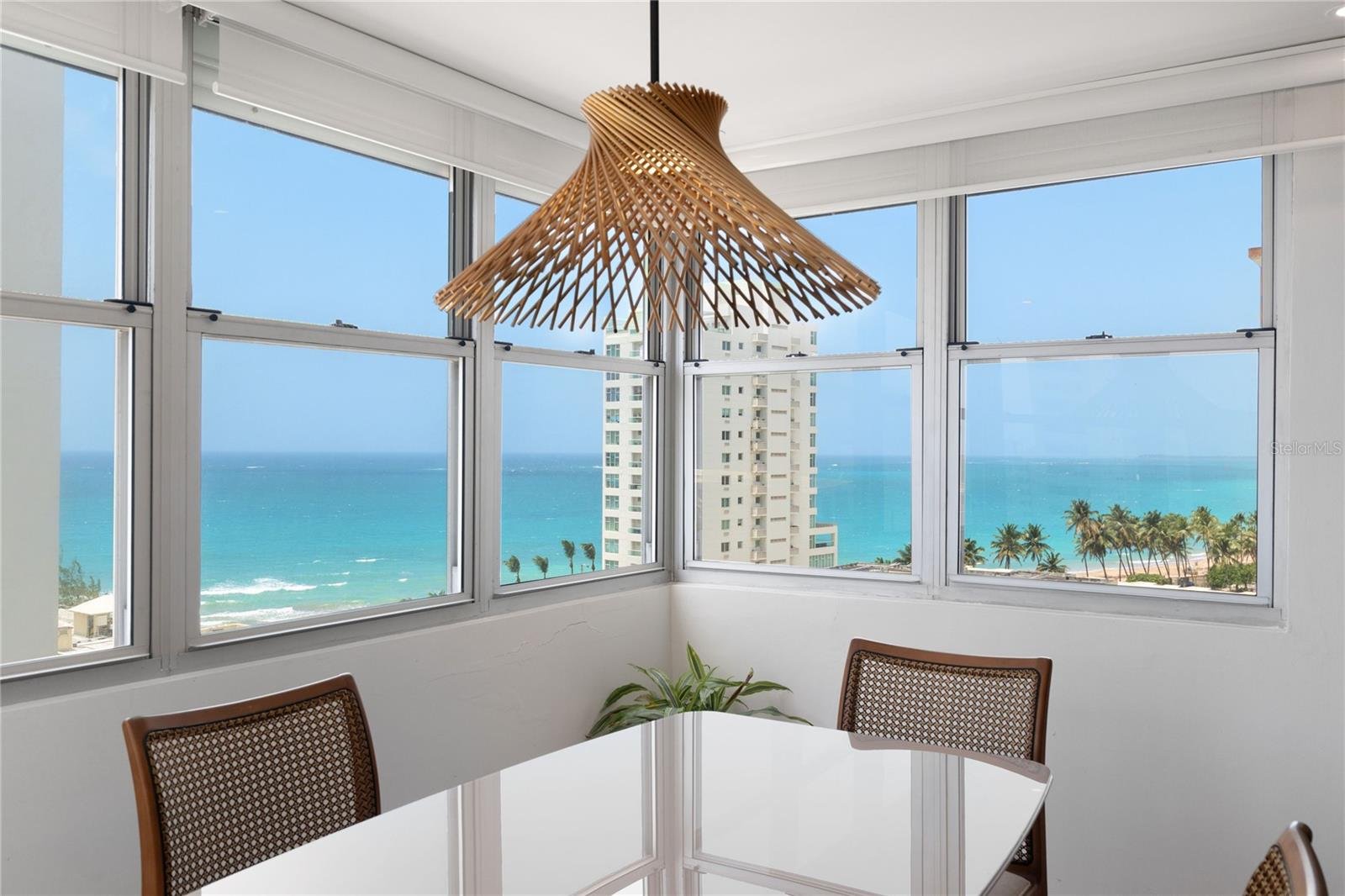
This renovated three-bedroom, two-bathroom Condado rental offers ocean views from a tenth-floor corner residence and a full-power generator for the building. Its Washington Street location near cafés, grocers, schools, and Ashford Presbyterian Hospital makes it a relevant option for readers considering luxury living in one of this guide’s featured neighborhoods.
Conclusion
Puerto Rico offers many rewarding places to stay, from the historic streets of Old San Juan to coastal resorts and quieter western towns. No islandwide statistic can tell you whether a particular hotel, rental, or block is safe, so compare the exact location, recent reviews, security features, transport, and nearby beach conditions. As you plan a 2026 visit, keep an eye on official weather alerts and check current local guidance before you go.
If you want to rent, buy, or sell Puerto Rico luxury properties, Christie’s International Real Estate Puerto Rico is here to guide you. Our team can help you evaluate neighborhoods and properties against your lifestyle and investment goals.
FAQs
Which Part of Puerto Rico Is Best to Stay In?
It depends on your itinerary and the exact property. Condado and Isla Verde suit visitors who want beaches, dining, and city access; Old San Juan suits history-focused trips; Dorado and Palmas del Mar offer resort-oriented stays; and Rincón, Aguadilla, Culebra, and Vieques appeal to travelers who want a slower coastal pace. Compare recent lodging reviews, accessibility, beach conditions, and transport before booking. The San Juan rental guide offers more local context.
What Is the Safest Place in Puerto Rico?
There is no defensible single answer for every traveler. Published crime counts cover broad geographies and different types of incidents; they do not rank individual hotels or streets. Choose a base that fits your trip, then review its specific address, access and lighting, recent guest reports, weather exposure, and late-night transport.
What Are the Safest Neighborhoods in Puerto Rico?
Condado, Old San Juan, Isla Verde, Dorado, and other destinations are commonly considered by visitors, but calling any of them the “safest” would imply a comparison the available 2026 data cannot support. Safety conditions can vary within an area and change over time. Use official crime reports for context and assess the precise property with local advice.
Where Should I Go for a Safe Stay?
Start with the experience you want, then check current conditions where you plan to sleep and spend time. A staffed hotel or well-reviewed rental near the activities you intend to visit can be a practical choice, but confirm secure entry, parking, transport, and beach or weather conditions rather than relying on a neighborhood label alone.
What Are the Best Places to Visit in Puerto Rico?
Some of the best places to visit in Puerto Rico include Old San Juan, El Yunque National Forest, Rincon, and the islands of Culebra and Vieques. On the west coast, Aguadilla's beaches and nearby areas like Isabela and Aguada are top destinations for their natural beauty and cultural significance. For history enthusiasts, the National Register of Historic Places includes landmarks such as the Punta Borinquen Lighthouse in Aguadilla.
Adventure seekers can also enjoy snorkeling, paddleboarding, and hiking to Survival Beach, making it a dynamic spot for exploration.
Are Luxury Resorts in Puerto Rico All-Inclusive?
Not necessarily. The Dorado Beach resort is a luxury stay, but its official description does not establish a universal all-inclusive plan. Check the specific room package for meals, activities, and fees before booking. For any resort or boutique hotel, compare recent guest feedback, access controls, beach conditions, and the location of your actual room or rental.
Related Articles
These guides offer more detail on Puerto Rico neighborhoods and property decisions.