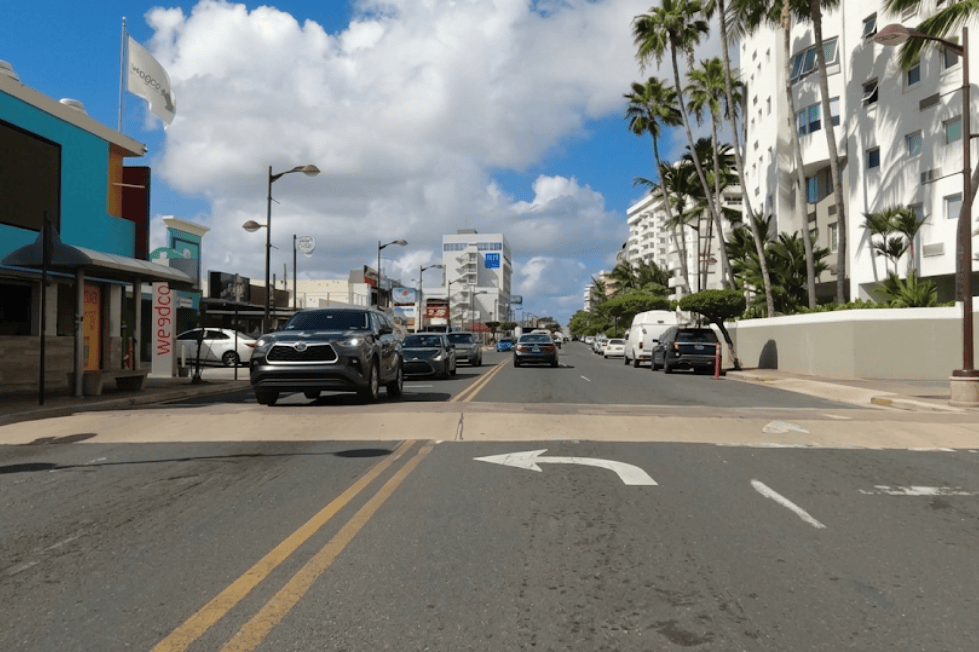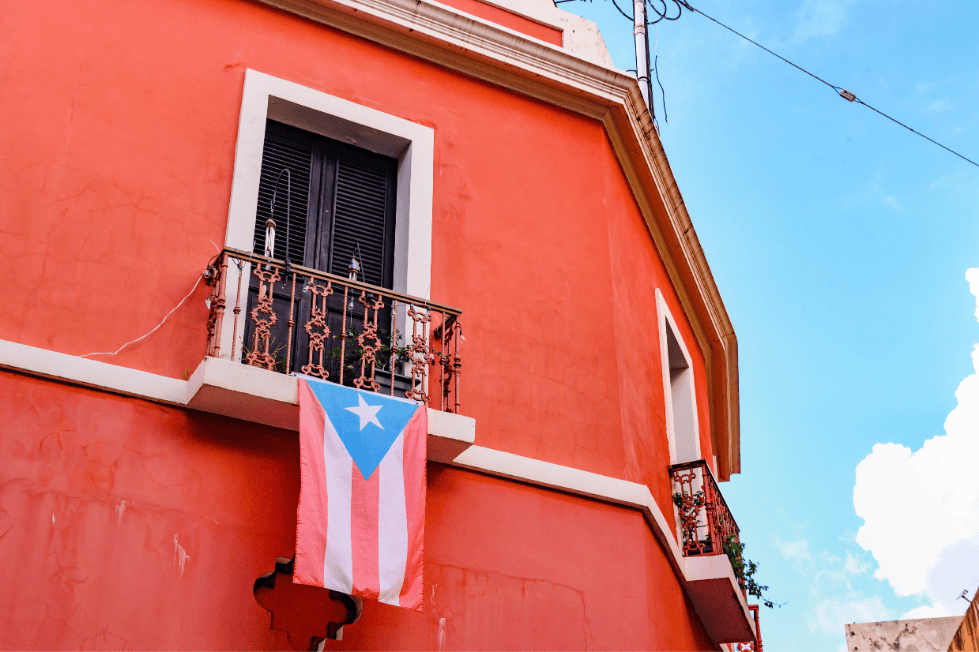
Buying a house in Puerto Rico involves more than choosing a view and negotiating a price. Buyers should compare ownership type, location, condition, insurance availability, title and tax records, financing terms, and the steps required to execute and record the deed.
This 2026 guide explains how to buy a house in Puerto Rico without relying on broad price claims or guaranteed investment outcomes. Use it as a planning checklist, then confirm property-specific requirements with qualified local professionals.
Key Takeaways
- Choose the property type and location by intended use, monthly carrying costs, and tolerance for maintenance.
- Use a written offer and contract with clear deadlines, contingencies, deposit terms, and included items.
- Review title, CRIM, permits, flood exposure, insurance, HOA or condominium records, and physical condition before closing.
- For financed purchases, compare the Loan Estimate with the Closing Disclosure and resolve discrepancies before signing.
- Keep availability, rental projections, tax benefits, and appreciation claims property-specific and independently verified.
Property Types to Compare Before You Buy
Puerto Rico homes for sale range from urban condominiums and historic residences to gated resort homes, coastal estates, inland houses, and development land. The best fit depends on how you plan to use the property, the services you expect, and which expenses you are prepared to manage after closing.
Condominiums
Condos can provide security, shared amenities, and less exterior maintenance, especially in San Juan and resort communities. Review the master deed, bylaws, current budget, insurance, meeting minutes, reserve information, assessments, parking rights, pet rules, and short-term-rental restrictions before committing.
Single-Family and Gated-Community Homes
Detached homes can offer more privacy, outdoor space, and control over improvements. Budget for roof, drainage, generator or solar equipment, water systems, landscaping, security, and any community or architectural-review fees.
Historic and Coastal Property
Historic districts and beachfront locations require closer attention to permitted work, coastal exposure, access rights, corrosion, drainage, insurance, and future repair costs. A view or address should never substitute for an inspection, records review, and property-specific insurance quotes.
Land and New Construction
For land or a custom build, verify zoning, legal access, utilities, survey boundaries, environmental constraints, permits, and the feasibility of the proposed design. Buyers comparing a completed home with a buildable site can review this guide to building a house in Puerto Rico versus buying.
How to Buy a House in Puerto Rico

The transaction should be organized around written terms, documented due diligence, and a closing calendar. A local real estate professional can coordinate the search and negotiations, while the lender, notario-abogado, inspector, insurer, surveyor, accountant, and other advisers address their respective parts of the file.
1. Define the Search and Ownership Budget
Set a purchase range and a separate annual budget for property tax, insurance, HOA or condominium fees, utilities, maintenance, security, and storm preparation. If rental use matters, verify that the deed, association rules, zoning, permits, and current registration requirements allow the intended operation before relying on income projections.
2. Prepare Financing or Proof of Funds
Financed buyers should obtain a lender preapproval and ask which documents, appraisal standards, insurance conditions, reserves, and down payment rules apply. Cash buyers should still document funds and preserve inspection, title, appraisal, and other protections appropriate to the transaction.
3. Submit a Written Offer
A strong offer identifies the price, included property, deposit, financing terms, due-diligence period, target closing date, and any sale or appraisal contingency. Avoid assuming that a standard percentage or deadline applies to every deal; the signed contract controls the parties' obligations and the treatment of the deposit.
4. Negotiate the Purchase Agreement
Puerto Rico transactions may use an option agreement or another purchase contract depending on the deal. Review the exact language governing default, extensions, inspections, title objections, financing, casualty risk, furnishings, and refundability with the appropriate advisers before signing.
5. Complete Due Diligence
Coordinate physical inspections and review title and tax documentation, permits, survey information, property disclosures, and association records when applicable. For mortgage transactions, the Consumer Financial Protection Bureau recommends reviewing the Loan Estimate, Closing Disclosure, note, mortgage or security instrument, and deed in advance; the Closing Disclosure is generally provided at least three business days before closing.
6. Close Before a Notario-Abogado
Puerto Rico real estate conveyances are executed through a public deed authorized by a licensed notario-abogado. Confirm the final deed, ownership names, purchase price, funds, prorations, stamps, certifications, and post-closing submission for recording before signing.
Due Diligence That Protects the Purchase
Due diligence should test whether the property can legally and practically support your intended use. The following checks help convert an attractive listing into a documented purchase decision.
Title, Registry, and CRIM Review
Confirm the registered owner, legal description, liens, easements, restrictions, and any gap between the physical property and the recorded description. Review the CRIM account and certifications for the parcel, including any balance, exemption, or valuation issue that needs to be resolved or allocated at closing.
Permits and Improvements
Match additions, pools, terraces, converted rooms, generators, solar systems, and other material work to available permits and plans. Unapproved improvements can affect financing, insurance, future construction, and resale, so document the proposed treatment in the contract when an issue appears.
Inspection and Building Condition
Use an independent inspector and add specialists when the property warrants structural, electrical, plumbing, roof, pool, pest, septic, environmental, or other review. Obtain repair estimates for material findings instead of relying on a general allowance.
Flood, Wind, Earthquake, and Insurance Questions
Check the property's flood zone through the official FEMA Flood Map Service Center, then request property-specific coverage and pricing from licensed insurance professionals. Ask what is excluded, which deductibles apply, whether wind, flood, and earthquake coverage are separate, and what documentation the lender requires.
Condominium and HOA Records
Review budgets, reserves, insurance, recent meeting minutes, pending litigation, planned capital work, assessments, delinquency levels, and rules affecting renovations, leasing, pets, parking, storage, and generators. A low monthly fee is not automatically a benefit if reserves or building systems are underfunded.
Choosing the Right Puerto Rico Location

Location should be evaluated through daily routines as well as resale appeal. Compare commute patterns, airport access, schools, healthcare, walkability, beach access, utilities, storm exposure, community rules, and the condition of the specific building or street.
Condado
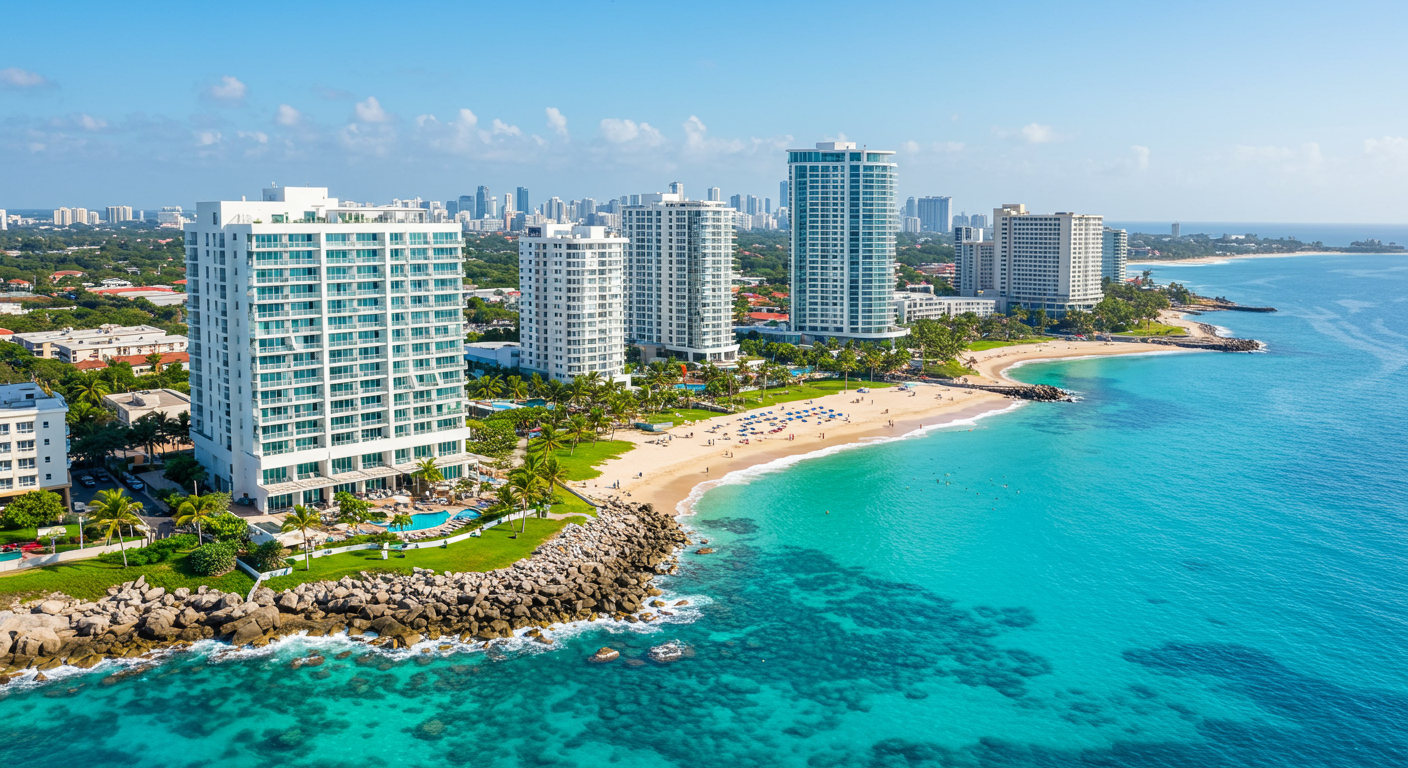
Condado offers a walkable coastal setting with condominiums, restaurants, hotels, services, and access to central San Juan. Buyers should compare building reserves, parking, generators, flood exposure, and rules for renovations or rentals.
Image Source: Christie's International Real Estate Puerto Rico
Dorado
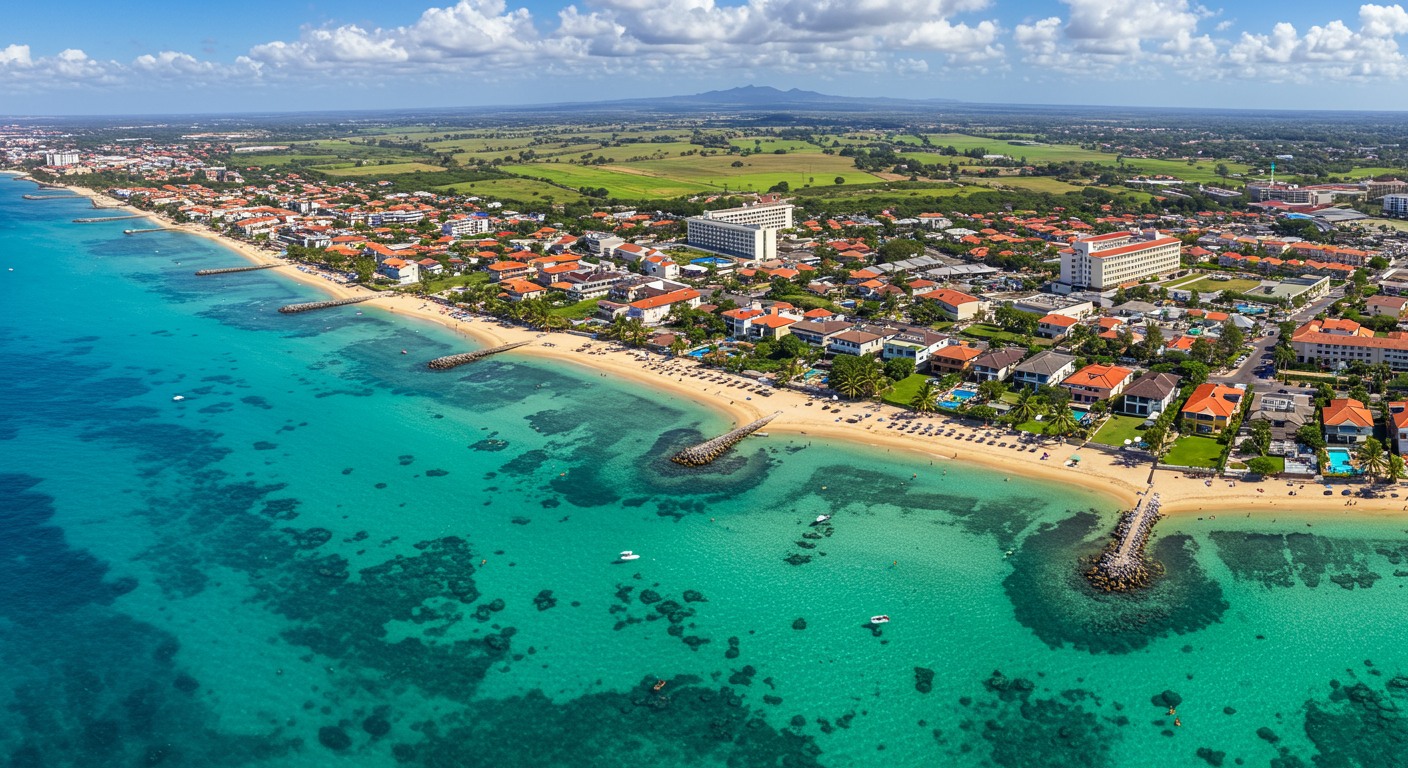
Dorado includes resort, golf, gated, and traditional residential settings west of San Juan. Confirm community fees, membership terms, beach or amenity access, maintenance obligations, and travel time for the specific address.
Image Source: Christie's International Real Estate Puerto Rico
Ocean Park
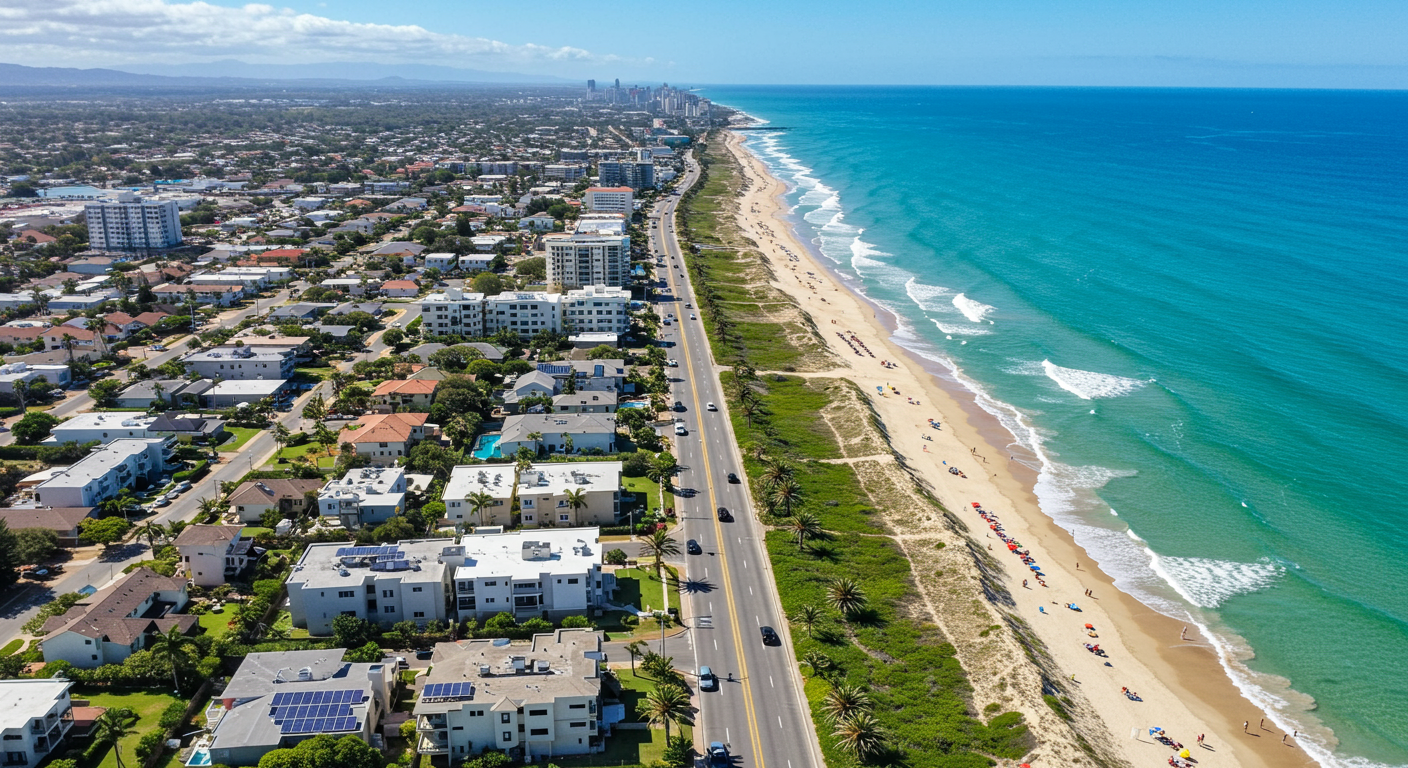
Ocean Park pairs a low-rise residential character with direct proximity to the beach and central San Juan. Review flood and wind exposure, security arrangements, parking, drainage, and the permit history of expanded or remodeled homes.
Image Source: Christie's International Real Estate Puerto Rico
Isla Verde
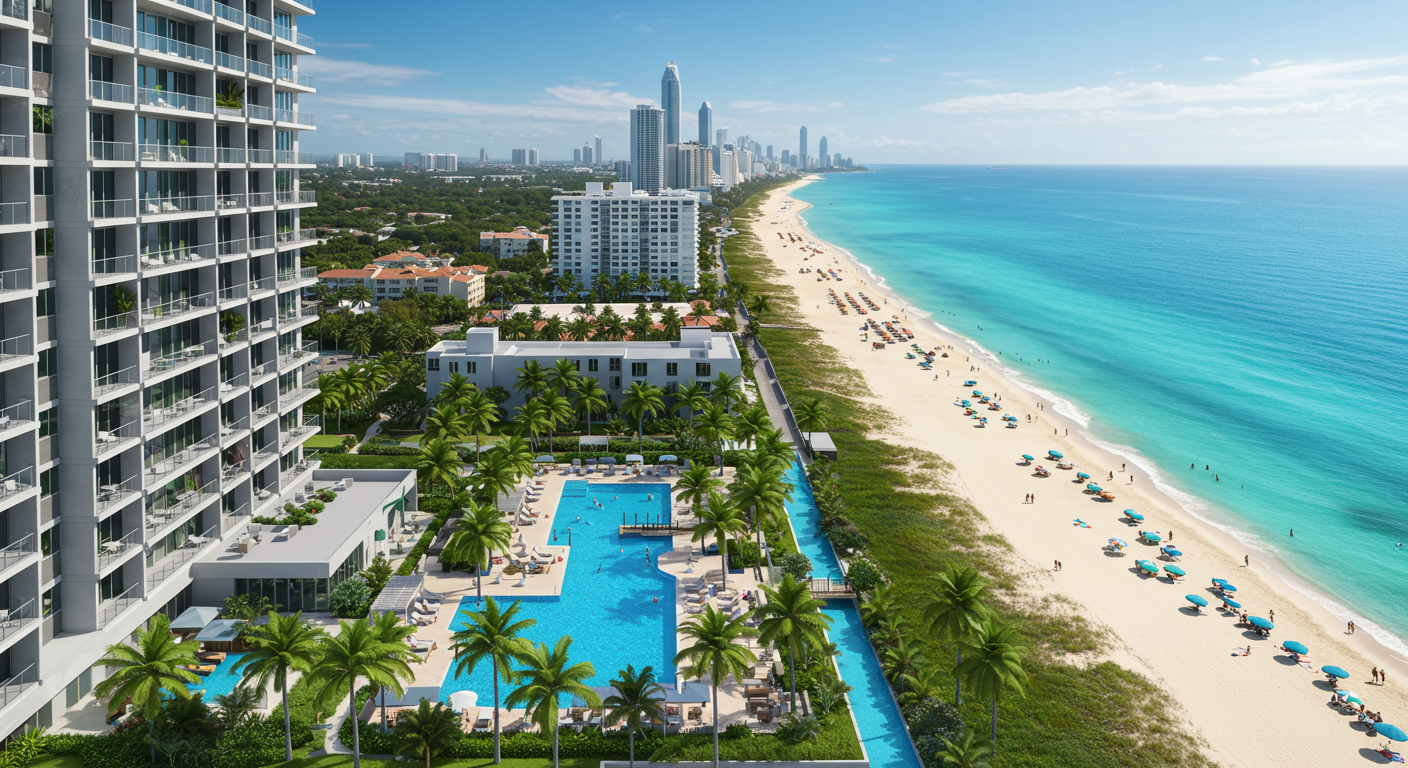
Isla Verde combines beachfront condominiums, hotels, restaurants, and quick airport access in Carolina. Compare aircraft and street noise, building condition, beach access, parking, and association rules property by property.
Image Source: Christie's International Real Estate Puerto Rico
Miramar
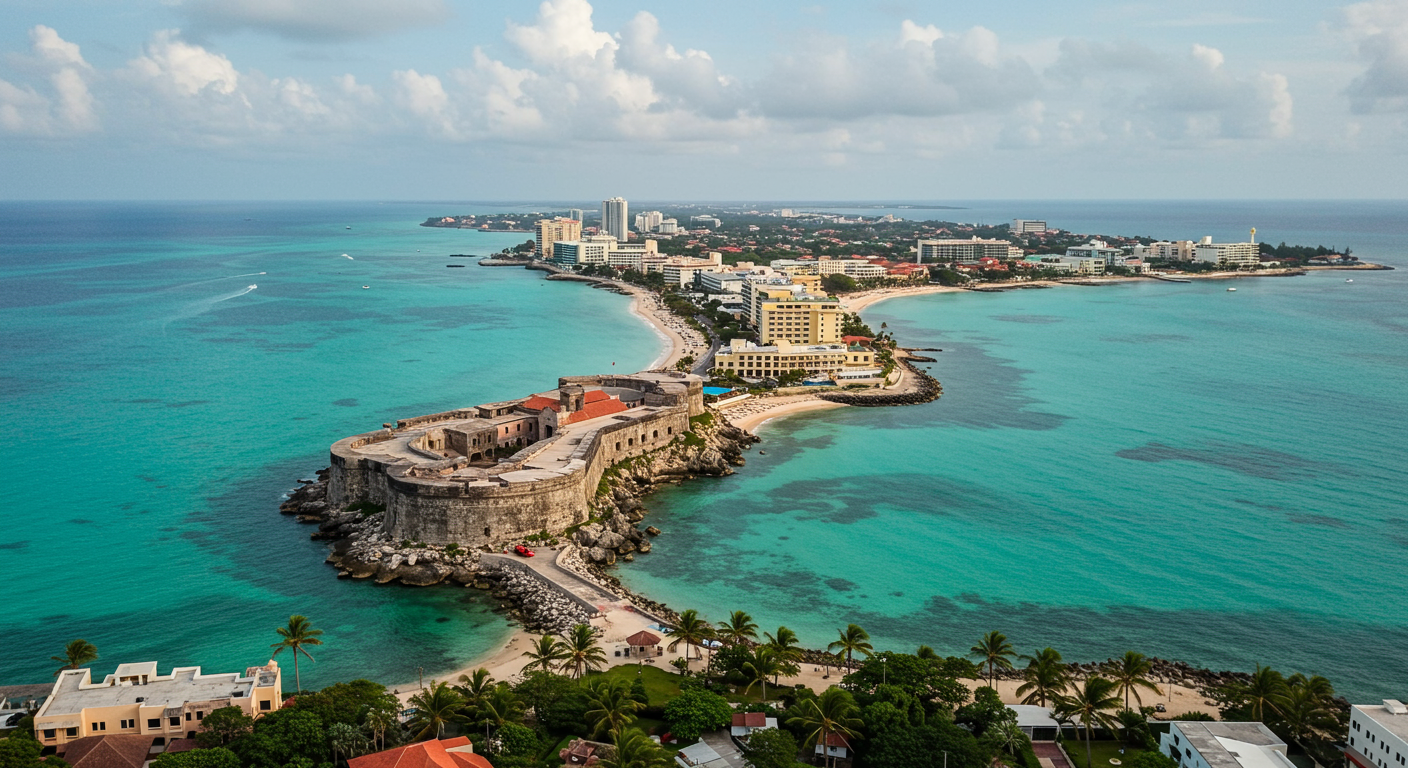
Miramar offers historic homes and condominiums near Santurce, the convention district, and central San Juan. Historic character can bring renovation and preservation questions, so verify permits, building systems, parking rights, and allowed exterior changes.
Image Source: Christie's International Real Estate Puerto Rico
Santurce

Santurce covers varied urban districts with apartments, single-family homes, arts venues, restaurants, and access to the coast. Evaluate the immediate block, noise, parking, property condition, zoning, and future nearby development rather than treating the area as one uniform market.
Image Source: Christie's International Real Estate Puerto Rico
Guaynabo
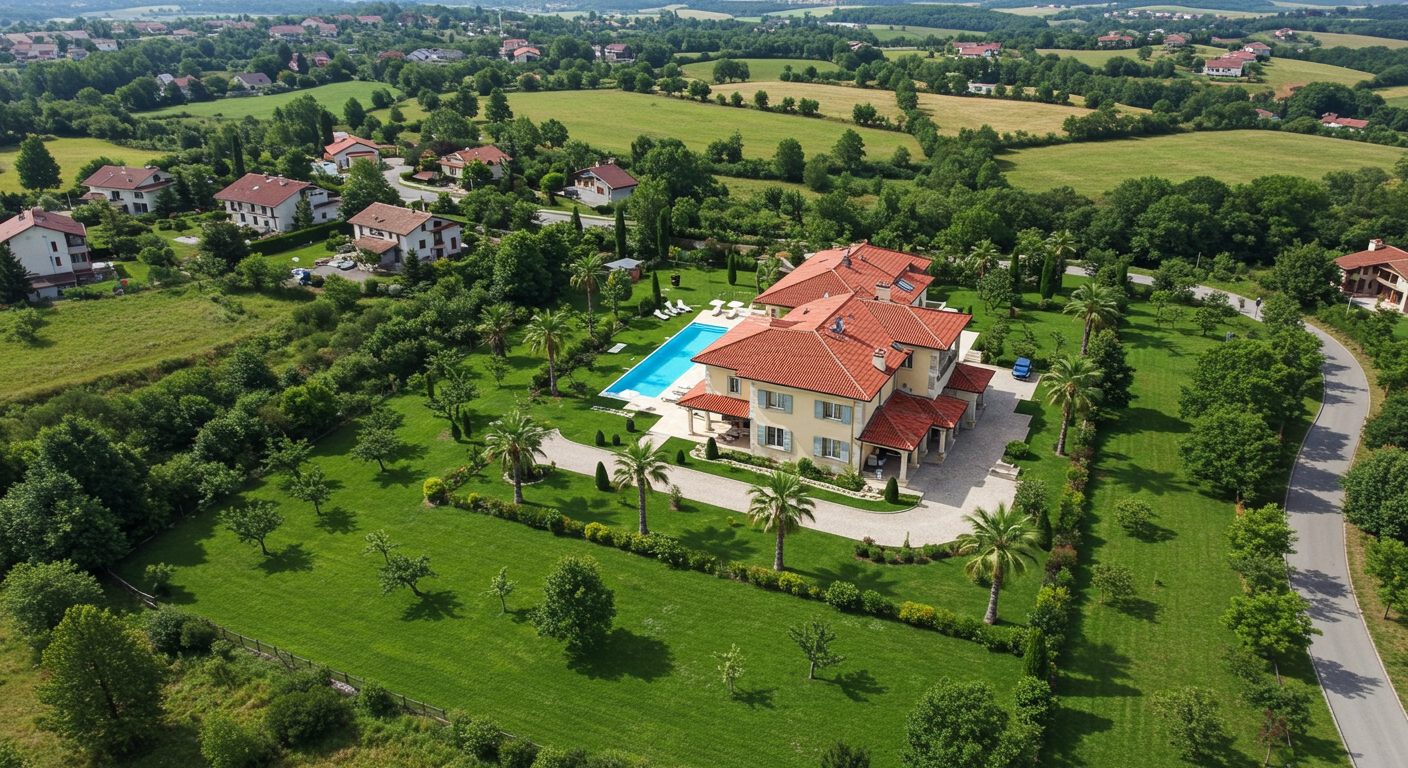
Guaynabo provides suburban and gated options with access to metropolitan employment, schools, shopping, and services. Compare traffic patterns, backup power and water, community fees, slope and drainage, and the age of major systems.
Image Source: Christie's International Real Estate Puerto Rico
Carolina

Carolina extends beyond Isla Verde to suburban, urban, and coastal communities with different price points and property types. Confirm municipal location, flood exposure, commute, community rules, and access to the services important to your household.
Image Source: Christie's International Real Estate Puerto Rico
Old San Juan

Old San Juan offers historic architecture, walkability, cultural institutions, and a distinctive urban setting. Buyers should investigate preservation requirements, building systems, moisture, parking, access for repairs, condominium records, and the legal status of alterations.
Image Source: Christie's International Real Estate Puerto Rico
Questions to Ask Before Making an Offer
A concise question list helps buyers compare properties consistently and spot missing records early. Ask for written answers and supporting documents where the issue could affect price, use, financing, insurance, or closing.
- What exactly is included in the sale, and which fixtures or furnishings are excluded?
- Are all additions and renovations permitted and reflected in available plans or records?
- What are the current property taxes, association fees, assessments, insurance costs, and utility expenses?
- Are there title, boundary, easement, access, lien, CRIM, or condominium issues still being resolved?
- What contingencies and deadlines protect the deposit if financing, appraisal, inspection, title, or insurance is unsatisfactory?
- If rental use is planned, which deed, association, zoning, permit, and registration rules apply today?
Conclusion
Buying a house in Puerto Rico is easier to evaluate when you separate the lifestyle decision from the legal, physical, insurance, and financing checks. The strongest offer is not simply the highest price; it is one supported by clear contingencies, verified records, and a realistic ownership budget. Because every property and contract differs, confirm the final structure with your broker, lender, notario, inspector, insurer, and tax adviser.
If you are ready to compare Puerto Rico luxury properties, tell our team which locations, property types, and priorities matter most to you. Contact Christie's International Real Estate Puerto Rico for a property-specific search and a coordinated path from first tour to closing.
FAQs
Can a U.S. citizen buy a house in Puerto Rico?
Yes. U.S. citizens can purchase real estate in Puerto Rico, but the transaction follows Puerto Rico's property, notarial, tax, and registration requirements. Financing, insurance, condominium, and due-diligence requirements still depend on the buyer and property.
How much should I budget beyond the purchase price?
Use property-specific estimates rather than a single percentage. Ask the lender and closing professionals to itemize loan costs, notarial and recording charges, prepaid items, insurance, taxes, HOA or condominium amounts, inspections, appraisal, survey work, and immediate repairs.
Should I buy a condo or a house?
A condo may reduce exterior maintenance and provide shared amenities, while a house may offer more privacy and control. Compare the full ownership cost, rules, reserves, building condition, storm readiness, and intended use before deciding.
Do I need flood insurance?
Flood coverage depends on the property's location, lender requirements, policy terms, and your risk tolerance. Check the official flood map and obtain written insurance quotes before the contract deadlines expire.
Can I use the home as a short-term rental?
Possibly, but permission is not automatic. Verify the deed, condominium or HOA rules, zoning, permits, registration, tax, insurance, and platform requirements for the exact property and planned operation.