Proof of funds is often required before even scheduling a viewing for luxury properties in Puerto Rico. This strict prerequisite frequently catches buyers off guard, but it represents just one of several unique challenges when purchasing premium real estate on the island. The luxury market operates differently here, characterized by limited inventory and specific protocols that mainland buyers rarely encounter.
These nuances are essential to success, especially when balancing Act 60 compliance with the pursuit of an ideal primary residence. These nine strategic tips will help you succeed in Puerto Rico's distinctive luxury real estate landscape.
Key Takeaways
- Puerto Rico luxury listings are relationship-driven, so the best inventory may not be public.
- A connected, local luxury agent can determine what you see and how smoothly you close.
- Prepare proof of funds early, because many sellers require it before showings.
- If you’re pursuing Act 60, choose a home you can truly live in year-round and coordinate taxes carefully.
- Treat backup systems and legal due diligence as non-negotiable essentials, not extras.
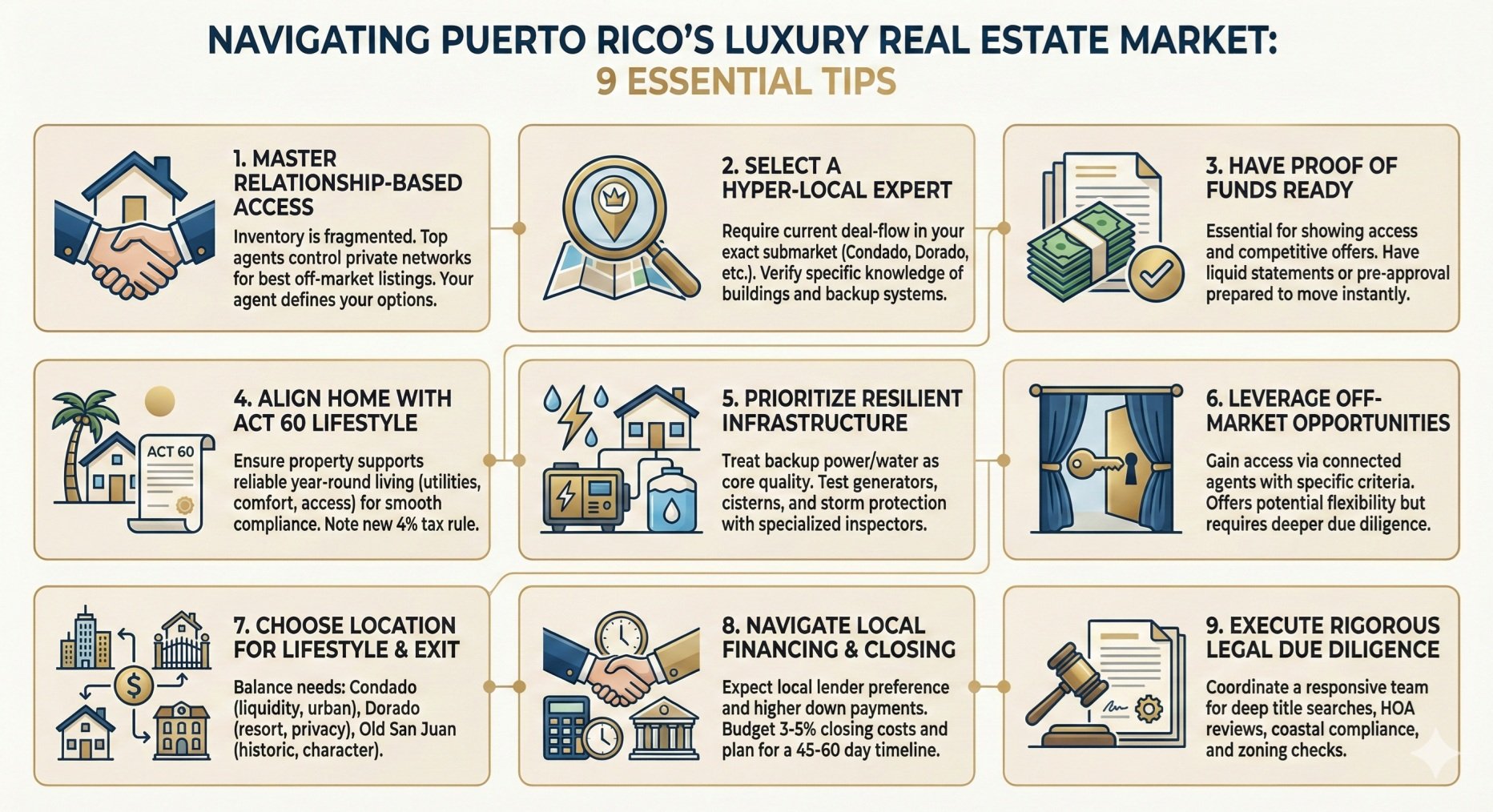
Tip 1: Relationship-Driven Luxury Market Access
Puerto Rico’s luxury inventory is still fragmented compared to many mainland markets. Even with better digital visibility today, access to the best properties often depends on relationships. Agent-to-agent networks, developer connections, and private-owner circles control inventory—especially in Condado, Dorado, and Old San Juan.
What This Means for You
- Two agents can show you two completely different “versions” of the market in the same week.
- Some trophy homes never hit public portals, and others are marketed quietly to protect privacy.
- Your representation can directly shape what you even get to see.
How to Protect Yourself From Information Gaps
- Verify property facts (HOA rules, assessments, upgrades, permits, flood zone, generator/cistern specs) using documentation—not just verbal assurances.
- Ask for recent, relevant comps and the logic behind pricing (not only “it’s the area”).
- Assume early details might conflict and build your process around confirmation.
Tip 2: Choose a Connected Luxury Agent
Image Source: christiesrealestatepr
In Puerto Rico luxury real estate, “good” isn’t enough—your agent needs current, local deal-flow in the exact submarket you’re buying in (Condado beachfront towers vs. Dorado gated golf communities vs. Old San Juan historic homes).
What to Ask (Use Direct, Specific Questions)
- “What have you closed in the last 12 months in my exact area and price band?”
- “Which buildings/communities do you consider high governance quality and why?”
- “What off-market channels do you actively work—developers, private owners, attorney/banker referrals?”
- “Which HOA boards are strict on renovations, rentals, pets, and noise?”
Red Flags in Luxury Representation
- Vague answers, no transaction references, or an agent who only forwards public listings.
- No clear process for documentation, inspections, and legal coordination.
- Weak understanding of backup systems, tropical construction risks, or coastal restrictions.
Tip 3: Prepare Proof of Funds Early
Luxury sellers in Puerto Rico often screen buyers before granting access. Proof of funds is not just “helpful”—it can be required to schedule showings or to receive disclosures in competitive situations. Even cash buyers can be asked to verify liquidity quickly.
Your Luxury-Ready Documentation Checklist
- Bank statements (last 2–3 months) showing liquid funds
- Investment statements (to support overall net worth and strength)
- If financing: pre-approval from a lender that can close in Puerto Rico
- Proof of income (often requested for financed purchases or residency planning)
- Optional but powerful: a letter from your private banker/financial advisor confirming capacity
Timing Advantage
In Dorado and prime Condado inventory, the best-fit listings can attract multiple buyers immediately. If your financial package is not ready, you risk missing the window before a property goes under contract.
Tip 4: Align Purchase With Act 60
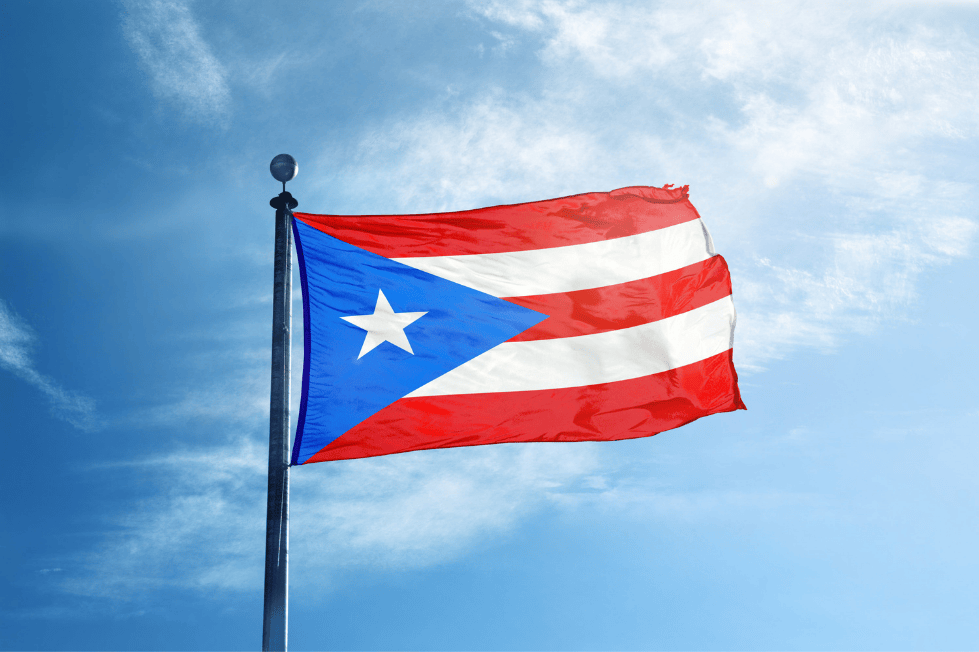
If you’re pursuing Act 60 benefits, your luxury home must support a real, functional year-round lifestyle—not a “vacation-only” setup. Your property choice can either make compliance smooth or create constant friction.
Key Act 60-Related Considerations for the Property
- Reliable utilities and internet (especially if your work requires stability)
- Easy access to airport routes and essential services
- A home layout that supports long stays (office space, storage, livable flow, security)
- A neighborhood you can live in comfortably for long periods, not just peak season
- Act 60 Requirements and How Your Home Supports Compliance
Act 60 Requirement | Luxury Property Consideration | Practical Compliance Strategy |
Purchase a primary residence within required timeframe | Choose markets with strong liquidity (Condado/Dorado) | Start the search early; watch inventory weekly |
Maintain meaningful presence on-island each year | Prioritize comfort, backup power/water, strong connectivity | Keep travel records + proof of on-island activity |
Establish local banking footprint | Work with banks familiar with high-net-worth clients | Open accounts early to streamline closing logistics |
Annual charitable contribution (as applicable) | Select causes aligned with your interests and community ties | Build a simple annual giving plan tied to your advisor team |
Important note: Starting January 1, 2026, new Individual Resident Investor applicants face a fixed 4% tax on capital gains, interest, and dividends (previously 0%). While this rate remains highly competitive with the mainland, the rule change makes professional tax coordination essential to your timeline.
Tip 5: Inspect Backup Systems Thoroughly
A luxury home in Puerto Rico is not evaluated the same way as a mainland luxury home. Backup power, water resilience, and storm readiness are core quality indicators, not add-ons.
Critical Systems to Evaluate (And Test)
- Generator: size, fuel type, auto-transfer, maintenance records, load testing
- Cistern: capacity, pumps, filtration, service history
- Hurricane protection: shutters, impact windows/doors, roof condition
- Moisture control: drainage, ventilation, A/C performance, humidity mitigation
- Internet: primary provider + backup options
- Security: cameras, alarm monitoring, access control, lighting
Use the Right Inspector
Mainland inspectors may overlook Puerto Rico-specific risks, including termite exposure, salt-air corrosion, hidden moisture infiltration, and complex generator/cistern integration. Hire inspectors who routinely evaluate high-end coastal and tropical construction—and budget time for functional testing, not only visual review.
Tip 6: Use Off-Market Inventory Channels

A meaningful portion of prime luxury activity happens quietly: sellers value discretion, want to “test the market,” or prefer pre-qualified buyers. These opportunities often require relationships, reputation, and a clear buyer profile.
How to Increase Your Off-Market Access
- Work with an agent who lives in your price tier and regularly collaborates with other luxury specialists.
- Make your criteria specific (price range, bedrooms, view type, building/community, must-have systems).
- Be ready to move quickly: proof of funds, attorney availability, inspection schedule.
Why Off-Market Can Work in Your Favor
- Less public pressure can create negotiating flexibility.
- Sellers may accept cleaner terms from a credible buyer over a higher but messier offer.
- You may see homes that match your needs before they hit the broader market.
Due Diligence Is Even More Important Off-Market
Private listings sometimes have fewer readily available comps or a history not publicly available. That makes documentation, inspections, HOA review, and title diligence non-negotiable.
Tip 7: Pick Locations for Long-Term Value
“Best place to buy” depends on how you’ll live and how you’ll exit. Luxury buyers in Puerto Rico often balance lifestyle and investment considerations, especially in markets such as Condado, Dorado, and Old San Juan.
Condado (High Liquidity, Urban Convenience)
Condado remains one of Puerto Rico’s most liquid luxury corridors: beachfront condominium living, strong buyer demand, walkability, restaurant density, and proximity to Luis Muñoz Marín International Airport. If resale flexibility matters, this often ranks high.
What to Evaluate in Condado Towers
- HOA governance quality and reserves
- Generator coverage (full building vs. partial loads)
- Water systems (cistern, pumps, maintenance cadence)
- Short-term rental rules and enforcement (building-by-building reality matters)
Dorado (Resort Lifestyle, Privacy, Family Appeal)
Dorado attracts buyers seeking gated communities, golf, resort services, and a residential feel. It represents Puerto Rico's crown jewel for prestige, with luxury inventory in prime communities often exceeding $6 million and commanding over $600 per square foot.
What to Evaluate in Dorado Communities
- Access control and security infrastructure
- Community rules around renovations and rentals
- Backup power/water, storm readiness standards
- Proximity to essentials you rely on weekly
Old San Juan (Historic Prestige, Character, Complexity)
Old San Juan offers unmatched architecture and cultural value, but historic properties can bring renovation complexity, preservation constraints, and higher diligence needs. It can be a strong choice if you’re aligned with the maintenance reality and regulatory details.
Tip 8: Plan Financing and Closing Locally

Luxury financing in Puerto Rico can differ from your mainland expectations. Down payments can be higher, timelines can stretch, and local banking relationships often help underwriting and execution.
Common Financing Realities in the Luxury Band
- Larger down payments are often standard at higher price points.
- Local lenders may prefer an established banking relationship.
- Unique properties (historic, coastal, complex HOAs) can affect underwriting.
Typical Closing Costs and Planning
Closing costs often run 3–5% of purchase price. Complex luxury transactions requiring additional legal review or specialized diligence can push this higher. Build this into your budgeting early so it doesn’t disrupt your offer strategy.
Closing Timeline Expectations
A well-run luxury closing commonly takes 45–60 days from contract execution. Delays can occur due to title complexities, HOA documentation timelines, and seasonal scheduling constraints. Keep your team coordinated from day one to avoid deadline drift.
Tip 9: Make Legal Due Diligence Core
Puerto Rico luxury transactions can involve unique layers: title history complexity, coastal restrictions, HOA governance, environmental considerations, and permitting realities that differ from mainland workflows.
Legal Due Diligence Checklist (Luxury-Level)
- Title search with a long enough lookback to catch historical issues
- Survey verification and boundary confirmation
- HOA document review (financials, minutes, reserves, pending assessments)
- Coastal or environmental compliance verification where applicable
- Zoning confirmation + any development restrictions that affect your intended use
- Property tax assessment review and history
- Utility easements/access rights verification
Build a Team That Works Together (And Stays Responsive)
Luxury purchases move faster when your agent, attorney, inspector, and tax professional are coordinated. If one member is slow, the entire deal becomes fragile—especially when competing buyers are waiting for an opening.
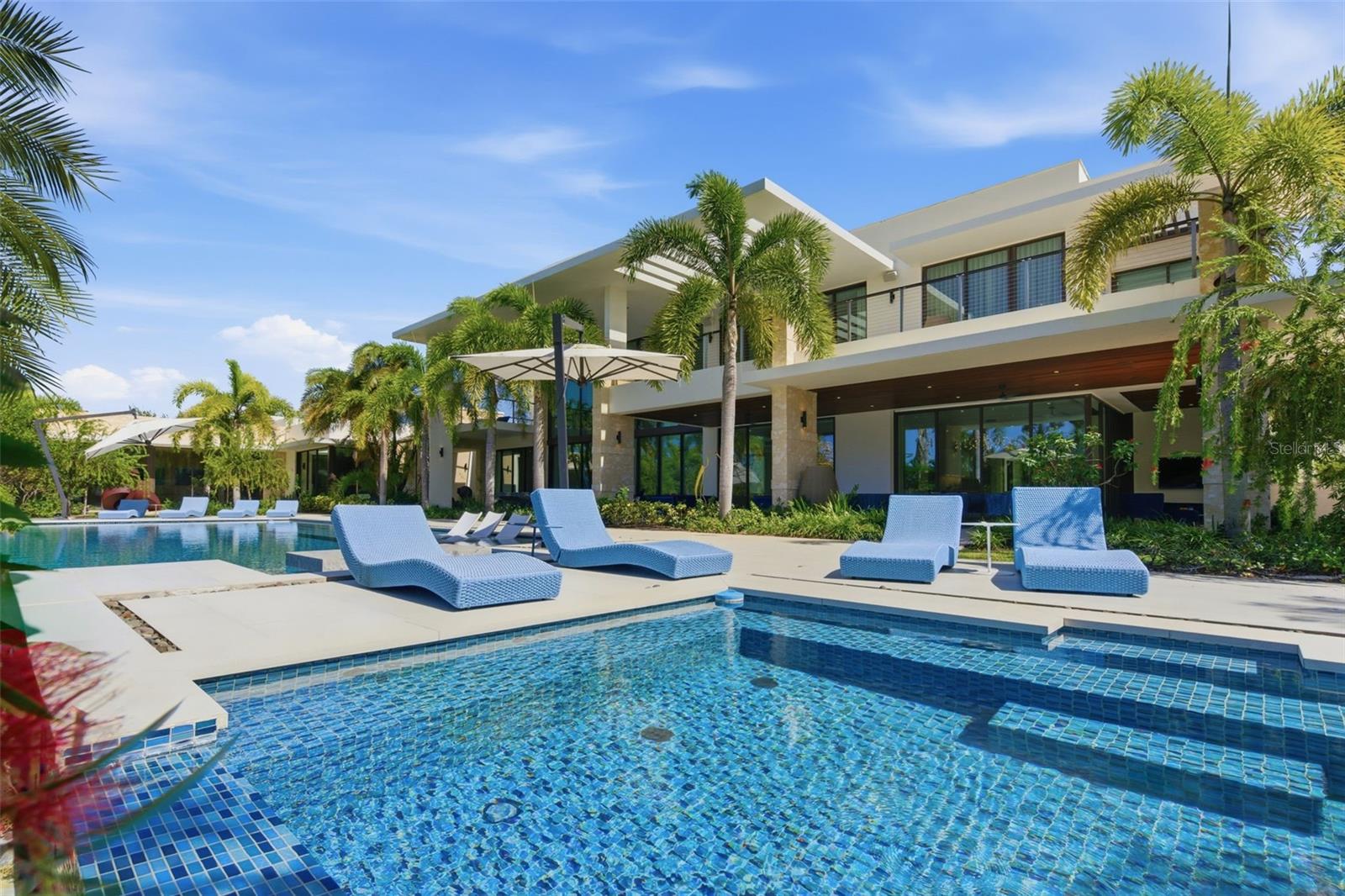
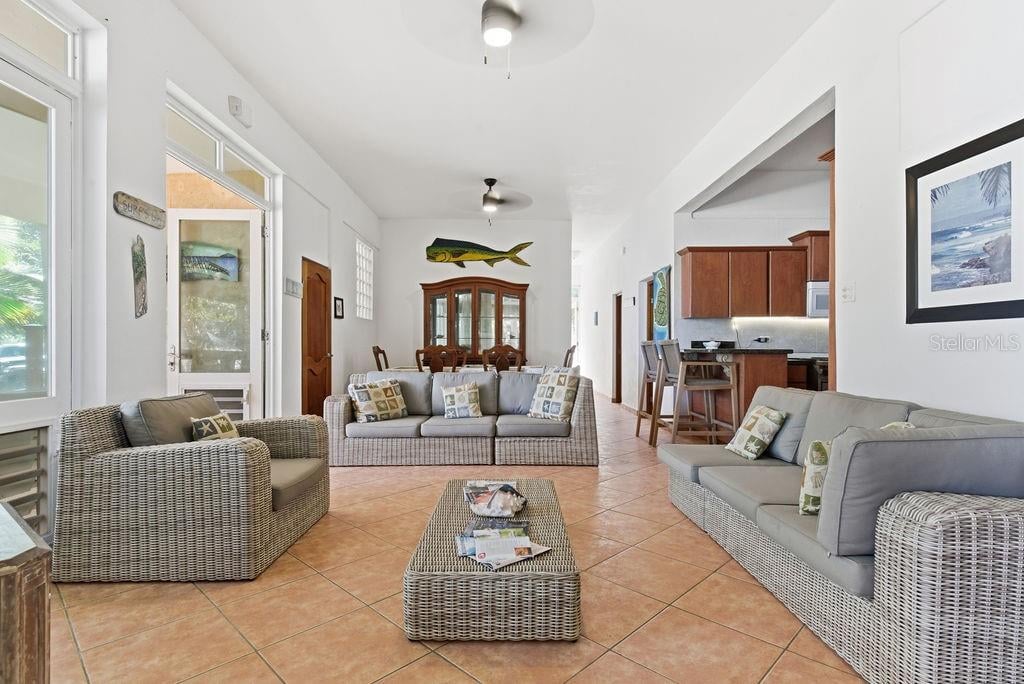
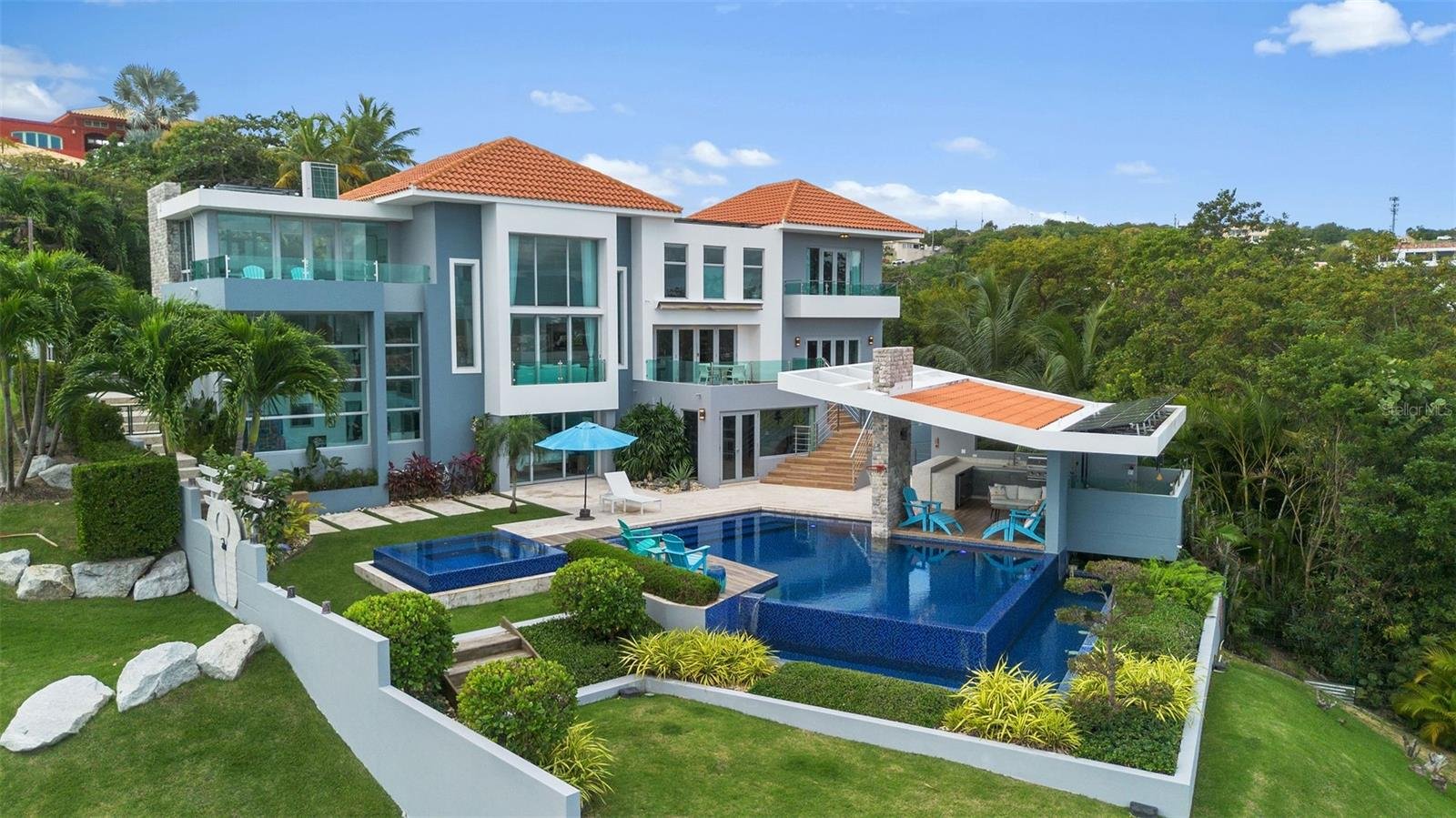
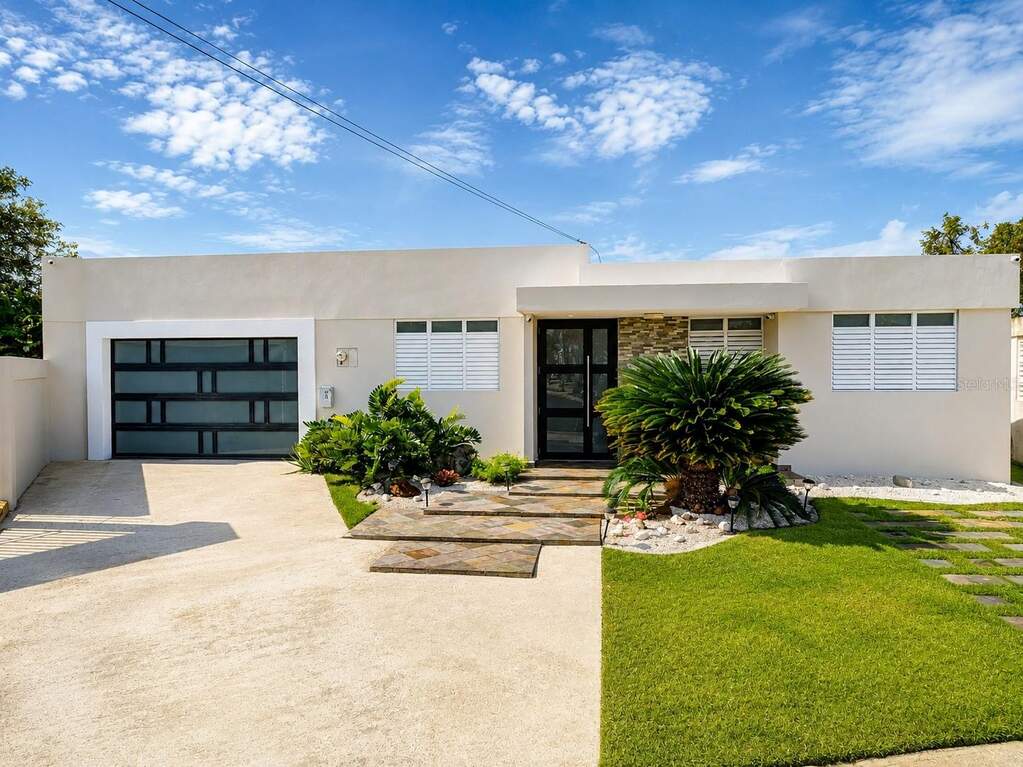
Puerto Rico Luxury Properties for Sale
Conclusion
Buying a luxury home in Puerto Rico is not only about taste—it’s about process. The market rewards buyers who arrive prepared: with the right agent access, proof of funds, infrastructure awareness, and a diligence team that understands Puerto Rico realities. These nine tips are designed to protect you from the most common surprise points mainland luxury buyers face.
At Christie’s International Real Estate Puerto Rico, we combine deep local market access with global luxury standards to guide discerning buyers through each step. When you’re ready, our specialists can align these tips to your exact location goals, timeline, and luxury property criteria so you can buy with clarity and confidence.
FAQs
Why are wealthy homebuyers flocking to Puerto Rico?
Wealthy homebuyers are increasingly attracted to Puerto Rico due to several factors:
- Tax Incentives: Puerto Rico offers significant tax benefits under Act 60, which include no federal income tax on Puerto Rico-sourced income and favorable capital gains tax rates.
- Beautiful Climate and Scenery: The island boasts a tropical climate, stunning beaches, and lush landscapes, making it an ideal place for luxurious living.
- Quality of Life: Puerto Rico offers a high quality of life with modern amenities, a rich cultural heritage, and vibrant communities.
- Investment Opportunities: The real estate market in Puerto Rico presents promising investment opportunities with a range of properties, from beachfront villas to urban condos.
Do I need a U.S. mainland real estate attorney, or a Puerto Rico-based one?
Use a Puerto Rico real estate attorney. Local counsel is essential for island-specific title record nuances, permitting norms, HOA governance practices, and coastal/historic restrictions that mainland attorneys may not routinely handle.
What should I budget annually beyond the mortgage or purchase price?
Plan for recurring costs like HOA/condo fees, insurance (often higher near the coast), generator and cistern servicing, landscaping/pool maintenance, security monitoring, and property management if you won’t be on-island year-round.
How do negotiations typically work in Puerto Rico’s luxury market?
Expect less pricing transparency and more seller discretion, especially with private listings. Strong offers often hinge on clean terms (deposit strength, flexible closing dates, fewer contingencies) and a buyer profile that matches the seller’s privacy and timing needs.