Puerto Rico real estate financing follows many familiar U.S. mortgage principles, but the lender pool, underwriting process, insurance review, and closing logistics can differ from a mainland transaction. Buyers of luxury homes should compare lenders early, confirm how each institution treats the property type and location, and avoid assuming that one lender’s credit, down-payment, reserve, or timeline requirements apply across the market. This guide explains how financing a luxury home in Puerto Rico typically works and which questions to resolve before making an offer.
Key Takeaways
- Puerto Rico mortgages are available through local banks, mortgage institutions, and other qualified lenders, but products and underwriting standards vary.
- The 2026 conforming-loan limit for a one-unit property in Puerto Rico is $832,750; a loan above the applicable limit is generally treated as nonconforming or jumbo.
- Credit score, down payment, reserves, debt-to-income ratio, and maximum loan amount are lender- and borrower-specific rather than universal.
- Appraisal, title, condominium, insurance, flood-zone, and permitting reviews can affect approval and timing.
- Buyers should compare written Loan Estimates and coordinate with Puerto Rico legal, tax, insurance, and real estate professionals.
Local vs. U.S. Lenders: The Puerto Rico Mortgage Landscape
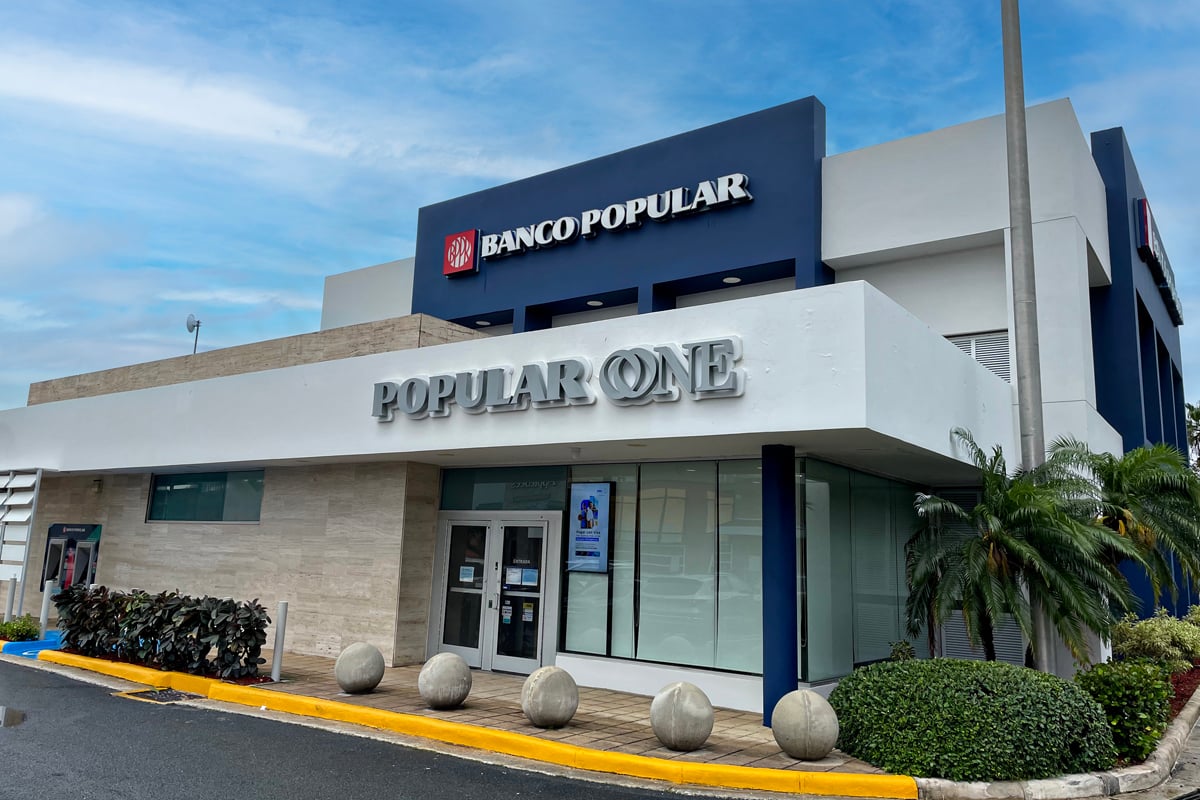
Image Source: Banco Popular
Many buyers begin with Puerto Rico-based banks and mortgage institutions because these lenders routinely evaluate local title records, insurance conditions, condominium documents, appraisals, and closing practices. Institutions such as Banco Popular de Puerto Rico, FirstBank, and Oriental are examples of local-market lenders, but naming an institution is not a recommendation and does not guarantee that it offers the right product for a particular buyer. Availability, pricing, and qualification standards can change, so buyers should verify current programs directly.
A mainland banking relationship can still be useful, especially when a private bank or wealth-management team offers portfolio lending. However, buyers should confirm at the outset that the lender will accept Puerto Rico real estate as collateral and can complete the local appraisal, title, insurance, and closing requirements.
How to Compare Puerto Rico Mortgage Lenders
- Ask whether the lender finances the municipality, condominium, resort, or property type under consideration.
- Request the required down payment, liquidity reserves, documentation, and appraisal process in writing.
- Compare interest rate, annual percentage rate, points, lender credits, closing costs, prepayment terms, and cash to close.
- Confirm whether the quoted rate is locked, how long the lock lasts, and what happens if the closing date changes.
- Verify the lender or mortgage institution through the appropriate Puerto Rico and federal regulatory resources.
For buyers who do not fit a conventional profile, our guide to borrowing structures in Puerto Rico real estate explains additional loan categories and underwriting considerations.
Jumbo Loans in Puerto Rico: Requirements and Criteria
For 2026, the FHFA conforming-loan limit for a one-unit property in Puerto Rico is $832,750. A mortgage above the applicable conforming limit is generally a jumbo or other nonconforming loan, but the label does not create one universal set of terms. Each lender determines its eligible loan amounts, property standards, borrower qualifications, and reserve requirements.
Luxury-home applicants should expect a detailed review of income, assets, liabilities, credit, liquidity after closing, and the property itself. Rather than relying on blanket claims such as a mandatory 740 credit score or a fixed 30% down payment, ask the lender for a scenario-specific term sheet or Loan Estimate.
Financing Type | Loan Amount | Down Payment and Credit | Best Next Step |
|---|---|---|---|
Conforming conventional | Up to the applicable 2026 FHFA limit | Varies by program and lender | Compare written Loan Estimates |
Jumbo or nonconforming | Above the applicable conforming limit | Varies by lender, borrower, and property | Confirm reserves, appraisal, and property eligibility |
Portfolio or private-bank loan | Set by the institution | Relationship- and asset-dependent | Review collateral, pricing, and liquidity requirements |
Documentation and Due Diligence
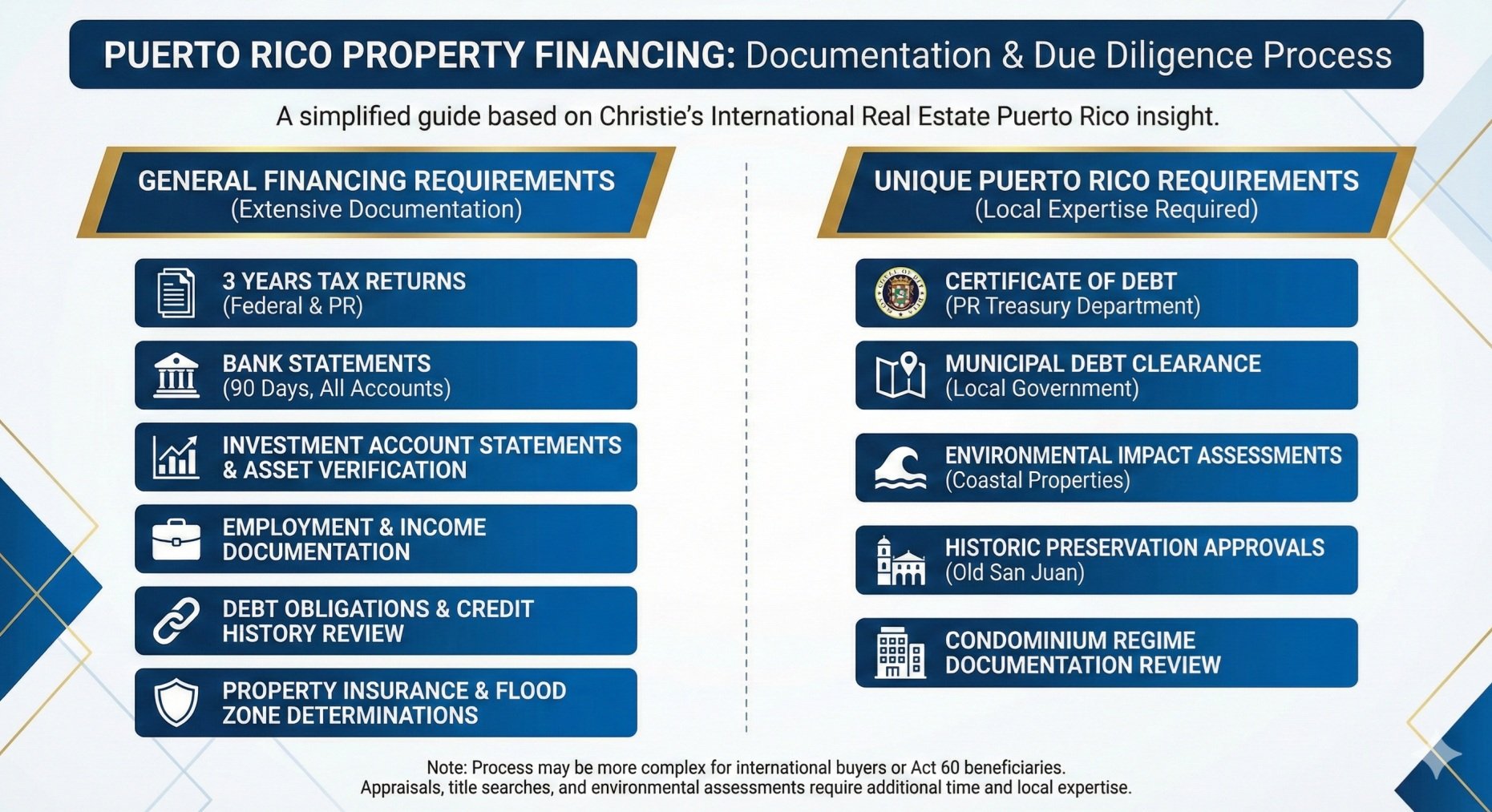
The exact file depends on the borrower and loan program. Salaried, self-employed, business-owner, international, trust, and entity borrowers may receive different documentation requests, and a lender may ask for updated information during underwriting.
Commonly Requested Borrower Documents
- Recent income records and tax returns for the period required by the lender
- Bank, brokerage, retirement, and other asset statements
- Employment or business-income verification
- Information about debts, housing expenses, and other obligations
- Identification, residency, entity, trust, or foreign-buyer documents when applicable
- Evidence explaining the source of the down payment and closing funds
Puerto Rico Property Review
- Appraisal acceptable to the lender
- Title study and review by a Puerto Rico attorney-notary
- Property-tax, lien, permit, and registry checks appropriate to the transaction
- Hazard, windstorm, and flood-insurance review
- Condominium declaration, financial information, assessments, and insurance when applicable
- Survey, coastal, environmental, or historic-zone review when the property requires it
Interest Rates, Loan Estimates, and Total Borrowing Cost
Puerto Rico mortgage rates cannot be summarized accurately with a permanent premium over mainland rates. Pricing changes with market conditions and with the borrower’s credit profile, loan-to-value ratio, reserves, occupancy, property type, loan structure, and chosen lock period.
For most covered mortgages, the Consumer Financial Protection Bureau explains that a lender must provide a Loan Estimate after receiving the required application information. Compare more than the headline rate: review annual percentage rate, points or credits, projected payment, estimated taxes and insurance, total loan costs, and cash to close. Before settlement, compare the final Closing Disclosure with the most recent Loan Estimate and ask about any material change.
Factors That Can Affect Approval or Pricing
- Property condition, use, appraisal support, and marketability
- Condominium finances, litigation, insurance, and planned assessments
- Windstorm and flood coverage availability and cost
- Borrower income structure, credit, liquidity, and post-closing reserves
- Whether the home will be a primary residence, second home, or investment property
Alternative Financing Strategies

Some luxury buyers consider portfolio loans, private-bank credit, securities-backed borrowing, bridge financing, or seller financing when a standard mortgage does not fit the transaction. These options can provide flexibility, but they may introduce variable rates, shorter maturities, collateral calls, cross-default provisions, or other risks. Buyers should review the complete credit documents with independent legal, tax, and financial advisers before pledging investment assets or accepting nonstandard terms.
Portfolio and Private-Bank Solutions
- Underwriting may consider a broader banking or investment relationship.
- Loan amounts and repayment structures are established by the institution.
- Additional assets may be pledged, creating risk beyond the purchased property.
- Interest-only or adjustable-rate features require careful cash-flow and exit planning.
International and Seller-Financing Considerations
Foreign-national and cross-border borrowers should ask lenders about eligible income, currency conversion, tax documents, funds-transfer procedures, and required reserves. Seller financing must be documented correctly and reviewed for Puerto Rico property, notarial, tax, and consumer-credit implications. Neither approach should be treated as a shortcut around legal due diligence.
Working With Puerto Rico Mortgage Lenders

Start by describing the transaction accurately: purchase price, property address, intended occupancy, borrower structure, source of funds, and desired closing date. A prequalification can help with early planning, but it is not final approval; the lender must still verify the borrower and approve the property.
Lender Type | Potential Fit | Questions to Ask |
|---|---|---|
Puerto Rico bank or mortgage institution | Borrowers seeking local mortgage and closing experience | Property eligibility, reserves, appraisal, insurance, and timing |
Private bank or portfolio lender | Borrowers with complex income or substantial managed assets | Relationship requirements, collateral, rate structure, and covenants |
Government-backed or assistance program lender | Eligible owner-occupants whose property and loan fit the program | Current eligibility, limits, occupancy rules, fees, and property standards |
Timeline and Closing Process

Luxury-home closings in Puerto Rico do not follow one guaranteed schedule. Timing depends on underwriting, appraisal availability, title and registry findings, condominium documents, insurance, permits, agreed contingencies, and the readiness of every party. Buyers should build flexibility into the contract and ask the lender, broker, and attorney-notary for a transaction-specific timeline.
Typical Financing and Closing Sequence
- Pre-offer planning: compare lenders, organize documents, and clarify budget and cash reserves.
- Application and disclosures: submit the required information and compare written Loan Estimates.
- Property review: complete appraisal, title, insurance, condominium, inspection, and other due diligence.
- Final underwriting: satisfy remaining borrower and property conditions and review final loan documents.
- Closing: review the Closing Disclosure when applicable, coordinate funds, execute the deed before the Puerto Rico notary, and complete recording steps.
Tax Considerations and Act 60

A mortgage decision should not be based on a general description of Puerto Rico tax incentives. Residency, source-of-income, decree, application-date, and asset-specific rules require individualized analysis, and a real estate purchase alone does not establish eligibility for Act 60 benefits.
2026 update: Puerto Rico Act 38-2026 amended the Resident Individual Investor provisions of Act 60. The 4% rules for qualifying interest, dividends, and specified post-residency appreciation apply to covered decree applications submitted on or after January 1, 2027, while the program was extended through 2055. Applicants who filed on or before December 31, 2026 are addressed under separate statutory provisions, so buyers should obtain current advice from a qualified Puerto Rico tax professional rather than relying on a simplified headline.
Puerto Rico Luxury Properties for Sale
Understanding the financing process helps buyers evaluate properties with a realistic view of underwriting, liquidity, insurance, and closing timing. The following luxury properties for sale in Puerto Rico illustrate the range of condominium, resort, urban, and estate purchases that may require different financing approaches. Christie’s International Real Estate Puerto Rico can help coordinate the property search with the buyer’s lender and professional advisers while the buyer independently evaluates loan terms.
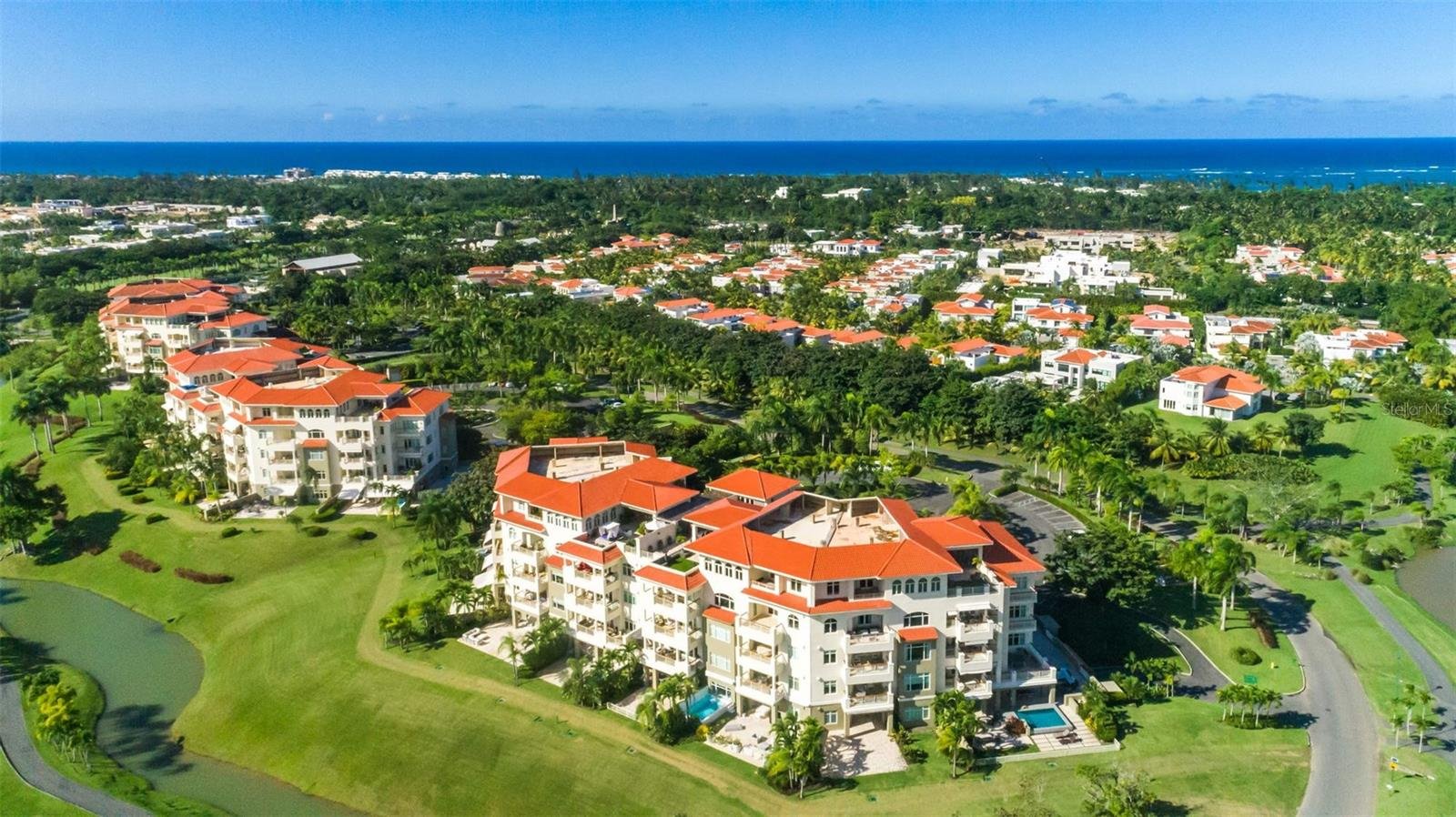
500 Plantation Dr #PH-3403, Dorado, PR
This six-bedroom Plantation Village penthouse offers 7,414 square feet of interior living area in Dorado Beach. Its condominium setting and price point make early confirmation of jumbo-loan, appraisal, insurance, and condominium eligibility especially important.
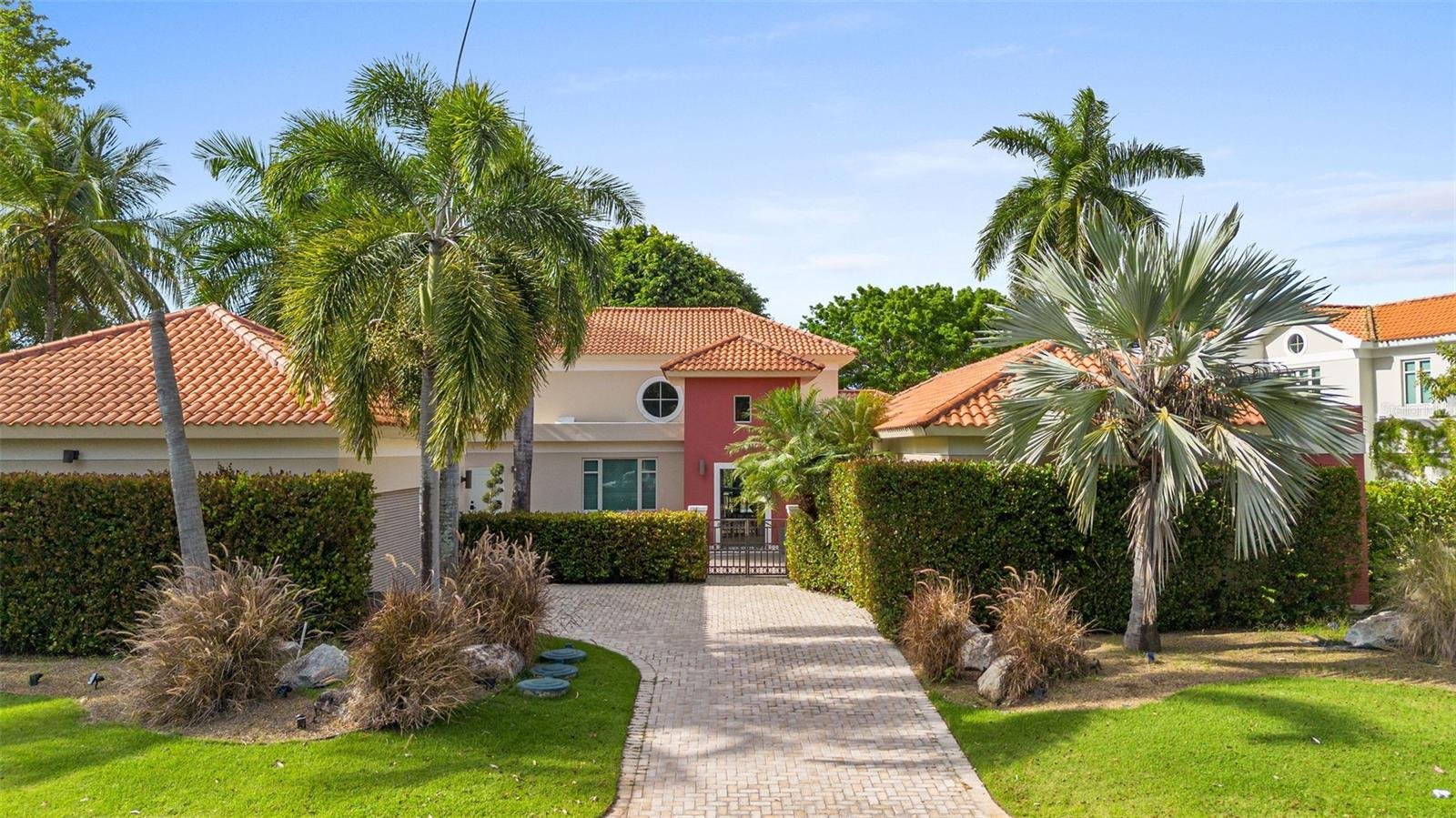
COSTA VERDE ACADEMY DRIVE #1, HUMACAO, PR
Set on a 1,246 m² lot in Costa Verde, Palmas del Mar, this approximately 3,600 sq. ft. residence offers 4 bedrooms, 3.5 bathrooms, soaring 26-foot ceilings, acoustically considered interiors, a pool, golf course and pond views, and a generator, just 400 meters from The Palmas Academy.
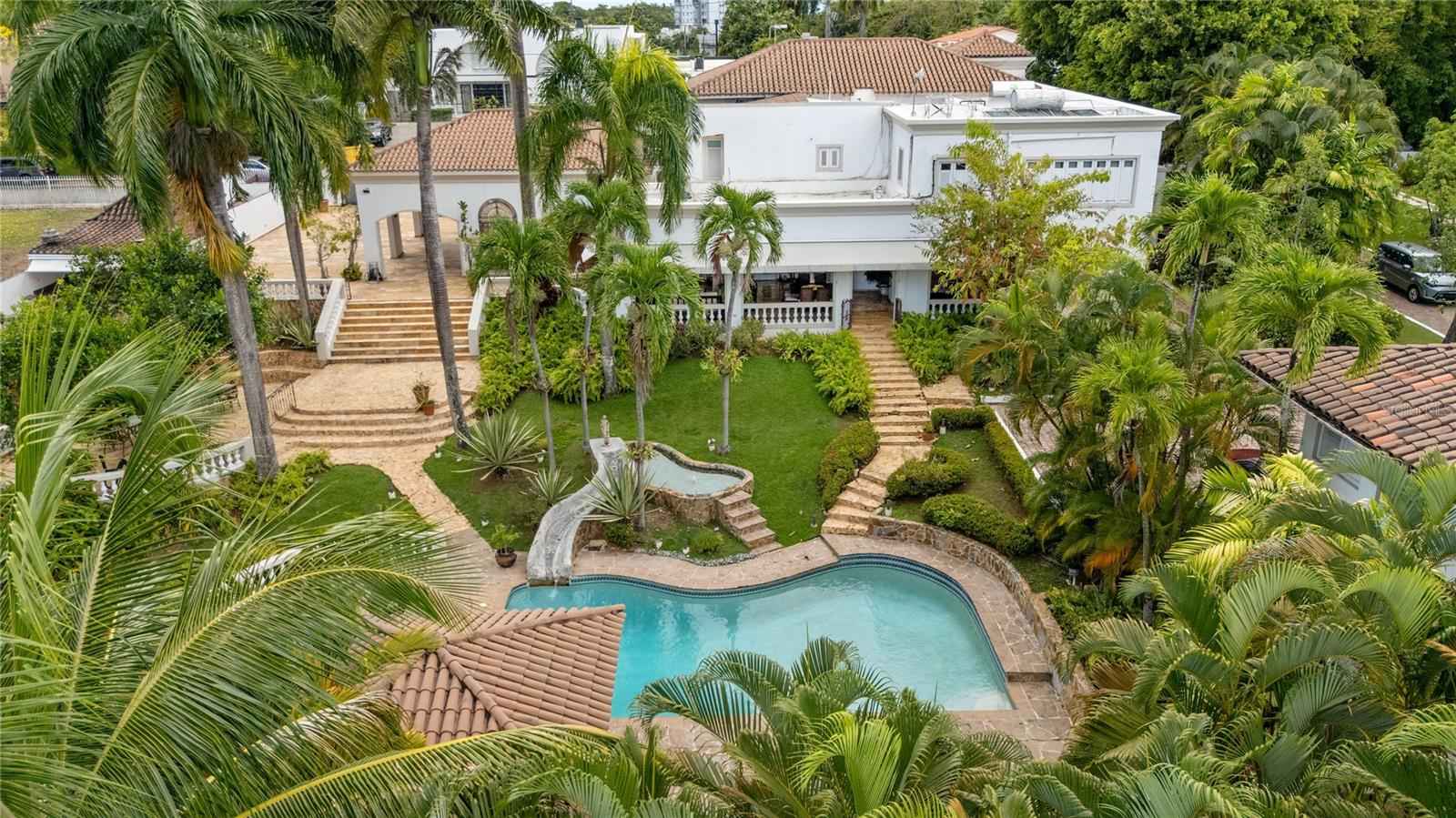
A Street Villa Caparra #A-13, Guaynabo, PR
This active Villa Caparra estate includes a main residence, detached guest house and office, pool, and expansive indoor-outdoor spaces. The listing reports 6,359 square feet of interior living area, so appraisal scope and documentation are important for any financed offer.

1 Calle San Gerónimo Unit 319, San Juan, PR
This 710-square-foot oceanfront studio is offered for sale near Condado and Old San Juan. Buyers considering rental use should independently verify the current condominium rules, insurance, loan occupancy classification, and applicable short-term-rental requirements.
Conclusion
Puerto Rico real estate financing works best when lender selection begins before the property search becomes time-sensitive. Buyers should replace assumptions about fixed down payments, credit scores, rates, and closing periods with written terms tailored to their finances and the specific property. Careful coordination among the lender, broker, attorney-notary, insurer, appraiser, tax adviser, and other specialists can reduce avoidable surprises without eliminating the need for independent review.
If you are looking to buy, sell, or rent Puerto Rico luxury properties, Christie’s International Real Estate Puerto Rico can help you evaluate relevant markets, identify suitable homes, and coordinate the real estate side of the transaction with your chosen financing and professional team. Contact us to begin a confidential conversation about your objectives.
FAQs
Can mainland buyers obtain a mortgage for Puerto Rico real estate?
Yes, qualified buyers can finance Puerto Rico property, but not every mainland lender accepts Puerto Rico collateral. Confirm geographic and property eligibility before relying on a preapproval.
What credit score or down payment is required for a Puerto Rico luxury home?
There is no single requirement for every loan. The lender sets its standards based on the loan program, borrower, occupancy, property, loan amount, and overall risk profile.
When does a Puerto Rico mortgage become a jumbo loan?
For 2026, a one-unit loan above the applicable $832,750 FHFA conforming limit in Puerto Rico is generally nonconforming or jumbo. The lender’s own product definitions and maximum amounts still apply.
What should I compare between mortgage offers?
Compare Loan Estimates for interest rate, APR, points or credits, projected payment, loan costs, cash to close, prepayment terms, rate-lock details, and estimated taxes and insurance. Ask each lender to explain material differences.
Can I buy a luxury home in Puerto Rico with cash and still perform due diligence?
Yes. Cash buyers can still obtain inspections, appraisal, title and permit reviews, surveys where appropriate, insurance and flood analysis, and condominium documentation with local professional guidance.
How can I reduce financing delays after going under contract?
Organize financial records early, respond promptly to underwriting requests, confirm property and insurance eligibility, and coordinate appraisal, title, condominium, and legal work as soon as the contract permits.