
Choosing beachfront property in Puerto Rico means weighing daily access to the coast against the costs and responsibilities of an exposed location. Ocean views, outdoor living, and proximity to the sand can make a home appealing, but rental returns, resale speed, and future appreciation depend on the individual property.
If you are comparing Puerto Rico beachfront homes for sale, use this guide to assess access, insurance, building condition, and ownership costs. Browse Puerto Rico homes for sale alongside the checklist, then confirm which listings offer direct beach frontage rather than a nearby beach or an ocean view.
Key Takeaways
Distinguish beachfront, oceanfront, and ocean-view listings before comparing prices.
Build a budget from property-specific quotes, HOA records, and inspection findings.
Review beach-access rights, coastal boundaries, flood exposure, and permitted uses.
Treat rental income and resale premiums as projections requiring evidence, not assured benefits.
Investment Returns: Liquidity, Lifestyle Value, and the Market
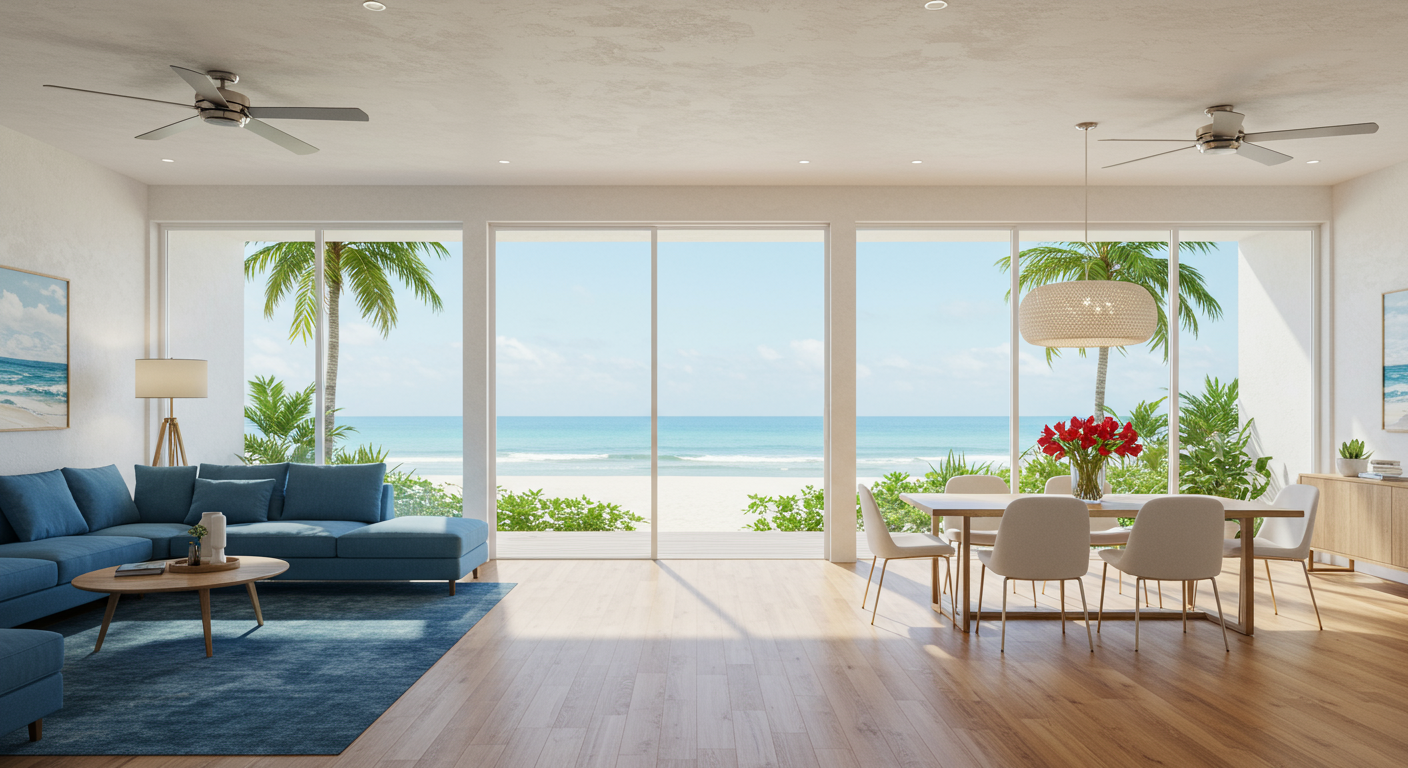
Beachfront ownership can combine personal use with rental potential. Keep those goals separate in your budget: time reserved for your household is time unavailable to paying guests. Start with the property’s legal use, condition, operating history, and comparable sales rather than an island-wide yield estimate.
Liquidity and Comparable Sales
A desirable view does not guarantee a quick sale. Request recent closed sales and current competing listings with similar frontage, size, condition, and building type. Compare days on market and price reductions within that group. Asking prices and broad Puerto Rico house-price indexes do not establish the value or liquidity of a particular coastal home.
Lifestyle Premium
Direct access to the coast can support morning walks, outdoor dining, and time by the water without a drive. Visit at different times to assess noise, public activity, wind exposure, parking, and the actual route to the beach. Determine what these conveniences are worth to you without assuming a fixed resale premium.
Rental Income and Holding Period
Request documented occupancy, collected rents, operating expenses, and owner-use dates when evaluating an existing rental. Model vacancy, management, cleaning, utilities, repairs, insurance, HOA charges, taxes, and financing separately. Confirm the intended rental use and applicable building or community restrictions before relying on projected revenue.
There is no universal holding period that guarantees a profitable beachfront investment. Test a scenario with lower rent, unexpected repairs, and a slower resale. A purchase should remain manageable without depending on immediate appreciation.
Who Benefits Most From Beachfront Ownership

A full-time resident may prioritize daily convenience and a practical commute, while a second-home buyer may value outdoor space and reliable upkeep while away. A rental buyer needs a credible operating plan as well as a desirable location. These priorities can lead to different properties even within the same neighborhood.
Primary Residence Considerations
Consider groceries, healthcare, work, parking, power and water backup, and the accessibility of the beach route. Coastal exposure also calls for a plan for storms and maintenance. Inland properties can face hurricane and flood hazards too; compare the actual sites rather than treating one location category as safe.
Financial Readiness
Keep reserves for uninsured losses, deductibles, repairs, and vacancy. For a condominium, request the budget, recent meeting minutes, reserve information, and planned assessments. A low advertised monthly fee does not establish the total cost of ownership.
True Cost Analysis: HOA Fees, Insurance, and Wind Mitigation

Use actual documents and written quotes instead of generic annual cost ranges. Two beachfront properties can have different insurance needs, building conditions, shared expenses, and financing terms.
Cost category | What to obtain before purchase |
|---|---|
Flood coverage | A property-specific quote, coverage limits, exclusions, and deductible |
Wind and homeowners coverage | Replacement-cost estimate, hurricane deductible, and written terms |
HOA or condominium charges | Current dues, budget, reserves, assessments, and master insurance policy |
Maintenance | Inspection-based repair list and contractor estimates |
Property taxes | Current CRIM records, outstanding balances, and applicable assessment information |
Financing and closing | Lender estimate, required coverage, and closing-cost breakdown |
Most homeowners insurance does not cover flood damage. FEMA’s flood-insurance guidance explains why separate flood coverage matters. Ask an insurance professional to distinguish wind damage, storm-surge flooding, contents coverage, and any master-policy gaps; do not assume one policy covers every storm loss.
Wind Mitigation Investments
Have roof connections, shutters, impact-rated openings, and garage doors evaluated for the specific building. Obtain installation estimates and confirm any premium reduction with the insurer in writing. Neither a fixed project budget nor a promised percentage discount is a reliable substitute for quotes.
Salt Exposure and Maintenance
FEMA’s guidance on coastal corrosion explains why salt and moisture warrant attention to metal connectors and fasteners. Inspect exposed hardware, railings, concrete, coatings, and mechanical equipment. Base servicing and replacement schedules on condition, exposure, and manufacturer guidance rather than a universal maintenance multiplier.
Essential Oceanfront Property Inspection Focus Areas

A coastal purchase calls for a property-specific review by an inspector or engineer, with legal and permitting questions assessed by the appropriate professionals. Use these six areas to organize the review.
Foundation and Structural Assessment
Concrete integrity and rebar corrosion from salt exposure
Proper elevation compliance with current flood zone requirements
Foundation drainage systems and waterproofing effectiveness
Structural connections and hurricane tie-downs
Flood and Water Management Systems
Flood zone designation and base flood elevation compliance
Drainage systems, sump pumps, and water diversion
Seawall condition and erosion protection measures
Basement or lower-level flooding history and mitigation
Wind Mitigation and Hurricane Preparedness
Window and door impact resistance certifications
Roof attachment methods and wind rating compliance
Hurricane shutter systems and installation quality
Garage door reinforcement and secondary water barriers
Environmental and Regulatory Compliance
Maritime zone permits and setback compliance
Environmental restrictions on modifications or additions
Septic system functionality in high water table areas
Coastal erosion patterns and long-term viability
Mechanical Systems Adaptation
HVAC corrosion, equipment condition, and service records
Electrical system elevation and moisture protection
Plumbing materials suitable for coastal environment
Pool and spa equipment protection from salt spray
Insurance and Documentation Review
Current flood and hurricane insurance policy terms
Claims history and previous storm damage repairs
Wind mitigation inspection reports and premium discounts
HOA master policy coverage and individual requirements
Start the flood review with the FEMA Flood Map Service Center. Have a qualified professional interpret the parcel’s mapped conditions and relevant elevation information. Maps are one part of due diligence, alongside site conditions, drainage, erosion, and prior damage records.
Comparing Views, Frontage, and Amenities

Listing language can describe very different settings. Compare the actual relationship between the building, shoreline, and access route before paying for a feature that may not meet your needs.
Listing description | What it usually describes | What to verify |
|---|---|---|
Beachfront | A property immediately adjoining a beach | Boundaries, usable access, shoreline conditions, and legal rights |
Oceanfront | A property adjoining the ocean, potentially on cliffs or rocky coast | Whether there is a safe and lawful route to a beach |
Ocean view | A view of the ocean without necessarily adjoining it | Sight lines, obstructions, and distance to beach access |
Waterfront | Frontage on a body of water, which may be a lake, river, or ocean | The body of water, permitted uses, access, and site-specific hazards |
Beach Access Is Not Private Ownership of the Beach
Puerto Rico’s beaches and maritime-terrestrial public domain are subject to public-use protections. A private gate, community beach club, or direct access path does not establish exclusive ownership of the beach. Review the survey, title, access rights, and any maritime-terrestrial boundary determination with Puerto Rico counsel. DRNA Regulation 4860 provides the public-domain framework.
Do not assume an existing seawall, stairway, deck, or shoreline structure is authorized or can be replaced after damage. DRNA’s maritime-terrestrial public-domain division handles relevant coastal-use permissions. Determine the approvals applicable to the site before planning changes.
Community and Club Amenities
Confirm which amenities are included in HOA dues and which require separate membership.
Check transferability, waiting lists, guest access, and current fees directly.
Review the condition and funding of pools, shared roofs, elevators, and other common facilities.
Do not assume a marina slip, golf membership, or beach-club access transfers with a home.
Why Christie's International Real Estate Puerto Rico

Image Source: Christie’s International Real Estate Puerto Rico
Christie’s International Real Estate Puerto Rico offers a starting point for comparing coastal properties across the island. Discuss the location, type of frontage, home requirements, and budget you want to prioritize. Use independent legal, inspection, and insurance reviews to assess the obligations attached to a particular property.
The Beauty of Beachfront Living and Luxury Properties for Sale
The following properties illustrate different approaches to coastal living, from direct beachfront and cliffside oceanfront settings to homes near the coast. All four were displayed as active when checked; availability and details can change. Confirm frontage and access rather than assuming every coastal listing is beachfront.
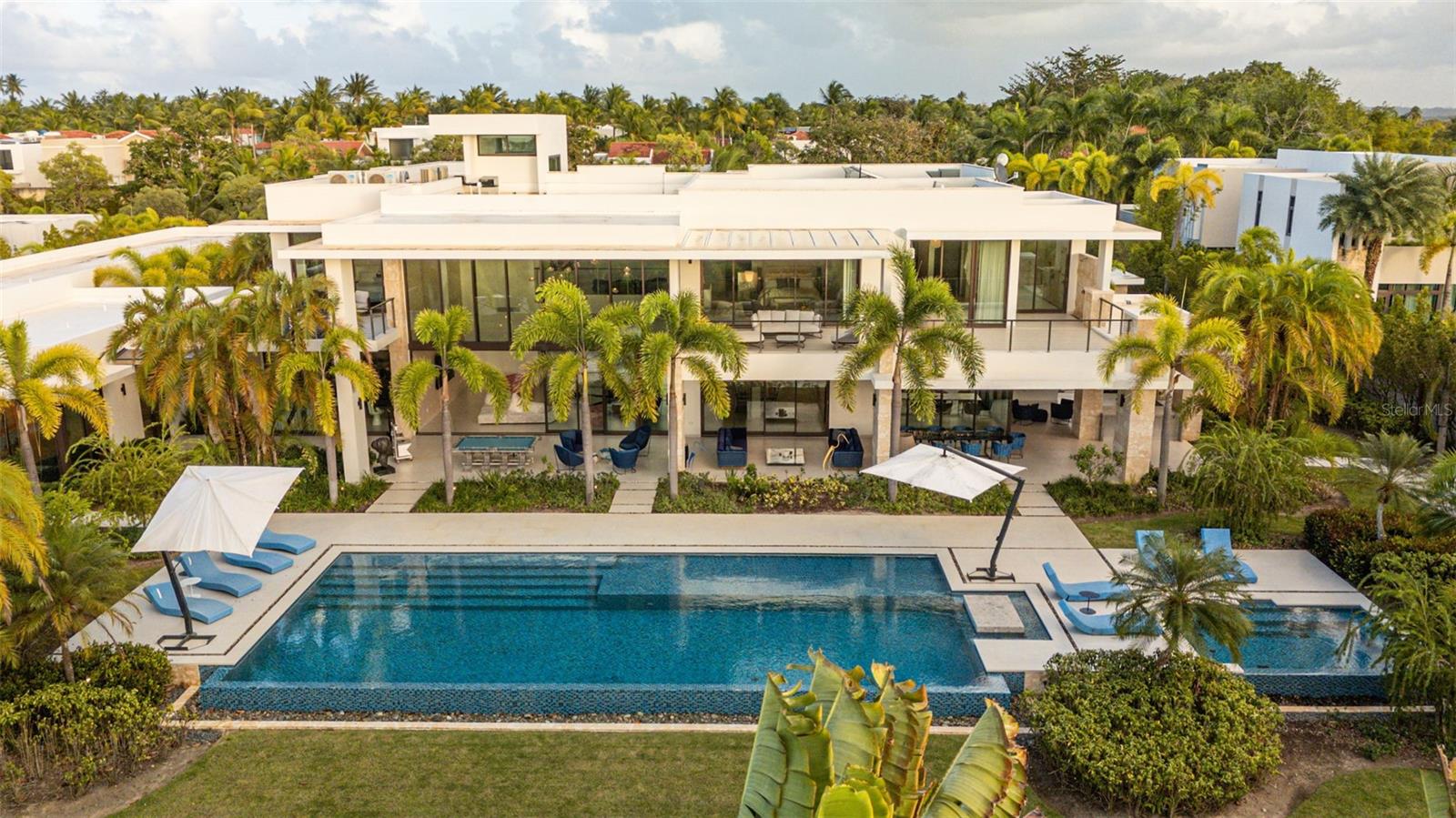
206 LEGACY DORADO PR, 00646
This Legacy estate in Dorado Beach is listed with seven bedrooms and 13,145 square feet of interior space; its description separately reports approximately 16,746 square feet of total construction. Features include a pool, bowling alley, and half basketball court. It is included as a Dorado Beach community option, not as a verified direct-beachfront home.
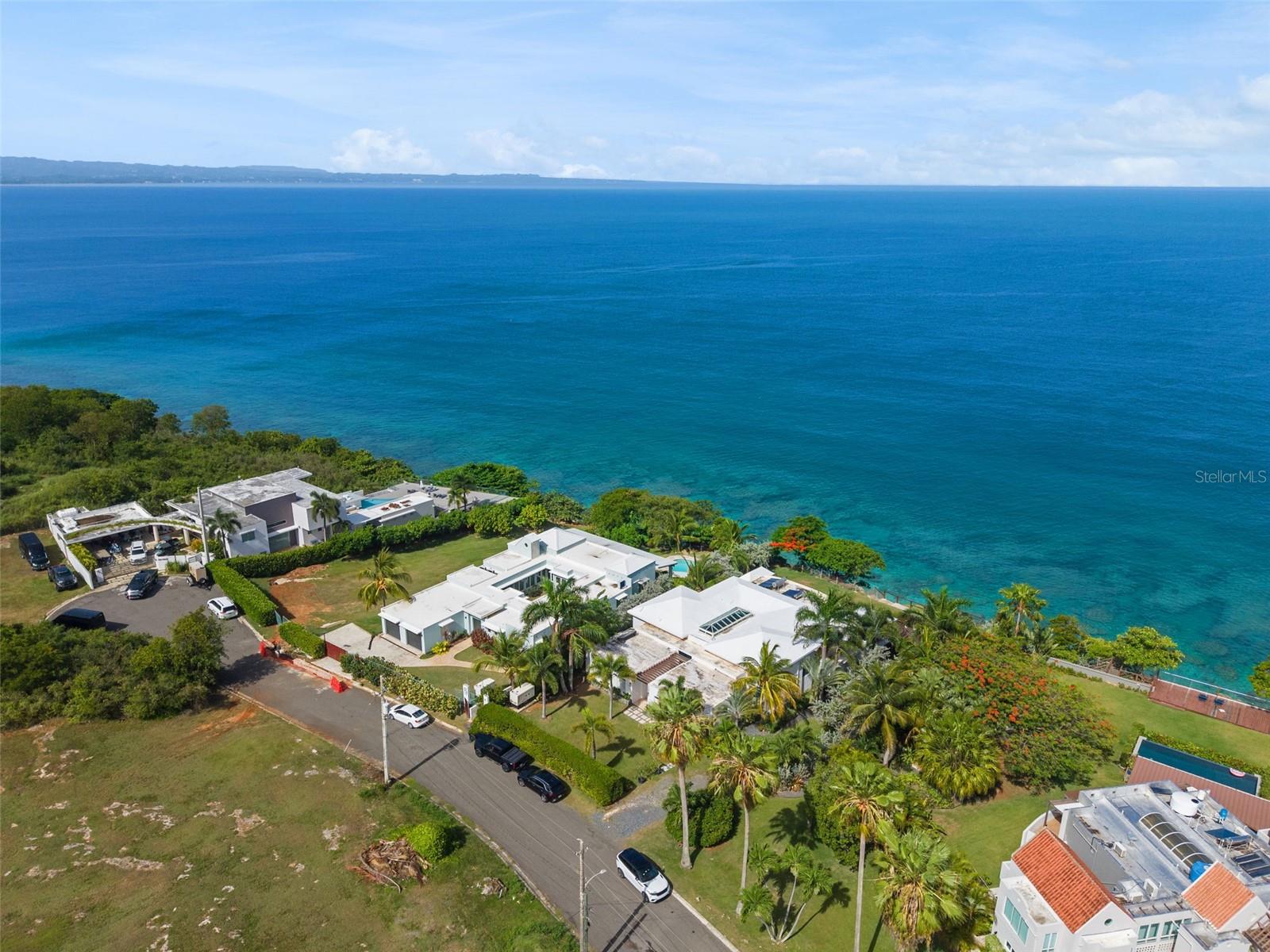
Lot 4 IBIZA ST, RD 107 KM 2.7 AGUADILLA PR, 00603
This Aguadilla cliffside oceanfront estate is listed with five bedrooms, six bathrooms, Atlantic views, and an infinity pool. The listing describes access to a beach below the cliffs. Inspect that route and confirm access rights; past rental-performance claims should be supported by operating records before entering a financial projection.

473 Bo. Ensenada CARR 413 KM HM 0.7 RINCON PR, 00677
This Rincón oceanfront property is listed with eight bedrooms, eight bathrooms, approximately 7,000 square feet, and direct beach access. Review its layout, permitted use, building condition, and shoreline exposure in relation to your residence or rental plans.
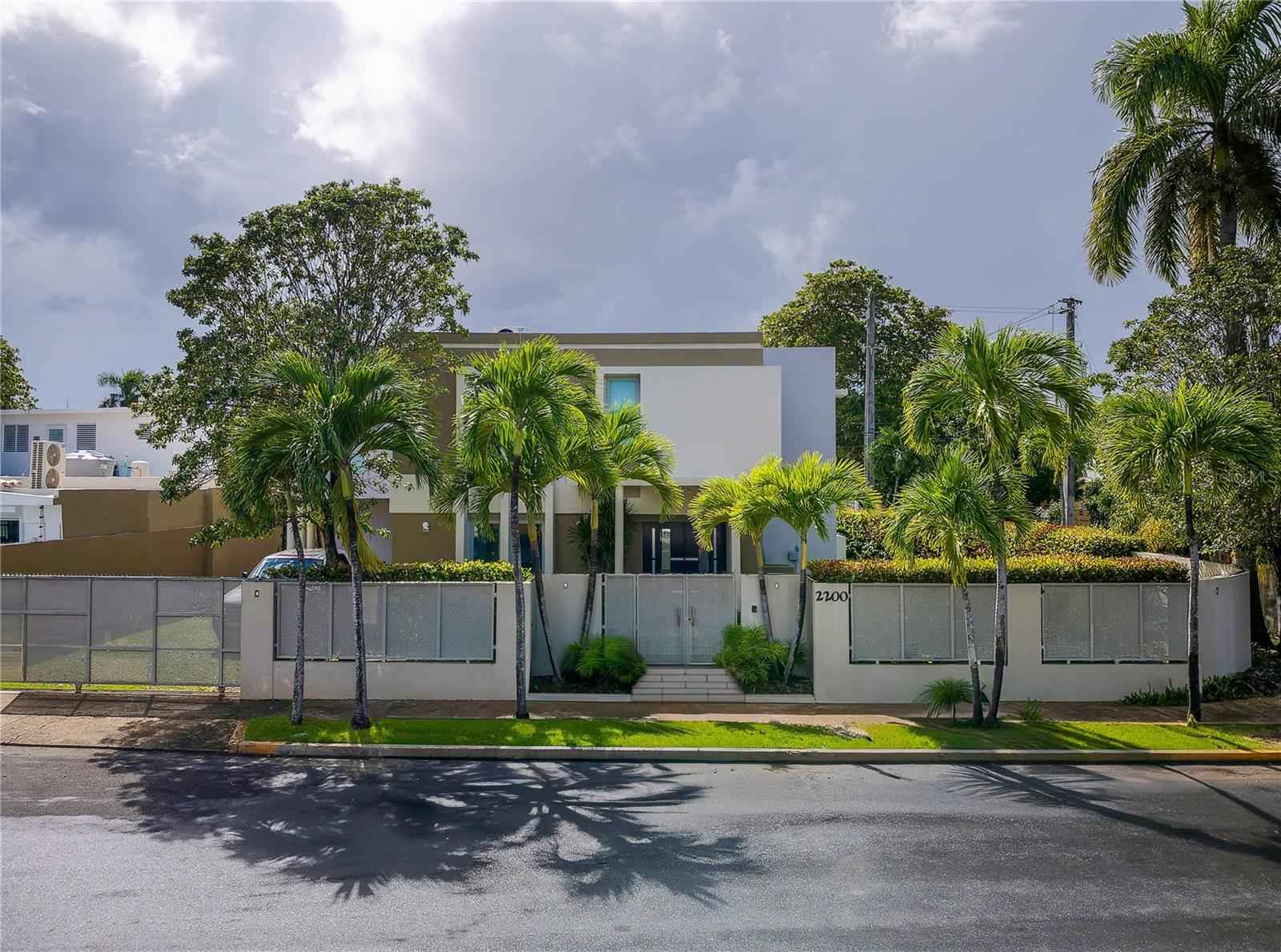
2200 CACIQUE ST SAN JUAN PR, 00913
This Santa Teresita residence is listed with five en suite bedrooms, a pool, generator, and cistern. It offers a San Juan coastal-neighborhood alternative near beaches, rather than verified direct beachfront frontage.
Final Thoughts
The right beachfront purchase balances how you want to live with what the property costs to own. Views and access matter, but so do title, coastal exposure, building condition, insurance, and permitted use. A documented budget and property-specific review are more useful than promises of guaranteed appreciation or rental returns.
To compare beach homes for sale in Puerto Rico, explore Christie’s Puerto Rico property listings and discuss your preferred location, frontage, and ownership plans with the team.
FAQs
What is the difference between beachfront and waterfront?
Beachfront describes a property adjoining a beach. Waterfront is broader and may refer to an ocean, river, or lake. Oceanfront can include cliffs or rocky shorelines without easy beach access. Verify both the setting and legal access before relying on the listing label.
Does a beachfront home include a private beach?
Do not assume it does. Private access through a property or community is different from ownership of the beach. Have the boundaries and applicable public-use and access rights reviewed before purchase.
What maintenance should I expect?
Plan for inspections and servicing of exposed metalwork, exterior coatings, concrete, roofing, and mechanical systems. Review storm repairs and service records, and obtain estimates for the actual building. Exposure and condition matter more than a fixed annual allowance.
How should I compare rental potential?
Use documented rents, occupancy, expenses, restrictions, and comparable properties. Distinguish gross rental income from net operating income and cash flow after financing. A beachfront address alone does not establish a yield or an occupancy advantage.
Which costs should I review before making an offer?
Review insurance quotes and deductibles, HOA dues and assessments, taxes, maintenance, financing, and closing costs. For rentals, add management, cleaning, vacancy, and utilities. Keep reserves for unexpected work and uninsured losses.
Will a better view guarantee a higher resale value?
No. A view can influence buyer preferences, but price and marketability also depend on condition, usable space, legal access, insurance, carrying costs, and competing inventory. Use comparable closed sales rather than a universal percentage premium.