
A Puerto Rico map does more than show distance. It reveals how the island’s major cities, coastal corridors, resort communities, and mountain towns create very different real estate choices for buyers.
This 2026 guide explains where the major cities in Puerto Rico are located, how geography affects access and property type, and what buyers should verify before comparing opportunities. It is a planning guide rather than a promise of returns, and every property requires current market evidence and property-specific due diligence.
Key Takeaways
- San Juan anchors Puerto Rico’s largest urban market, while Bayamón and Carolina broaden the metropolitan housing and commercial landscape.
- Ponce and Mayagüez serve southern and western Puerto Rico, with different employment, education, tourism, and housing patterns.
- Coastal, city, and mountain properties carry different access, utility, insurance, permitting, and maintenance considerations.
- Opportunity Zone and Act 60 rules are not automatic property benefits; eligibility depends on the investor, transaction, program, and current law.
- Use maps to narrow locations, then verify title, legal use, permits, flood exposure, infrastructure, condition, and comparable transactions.
Puerto Rico Map: Geography and Population

Image Source: BBC
Puerto Rico is a U.S. territory in the northeastern Caribbean, east of the Dominican Republic and west of the U.S. Virgin Islands. The main island measures roughly 100 miles east to west and 35 miles north to south, with a mountainous interior, coastal plains, offshore islands, and metropolitan corridors that shape travel time and development.
The U.S. Census Bureau estimated Puerto Rico’s population at 3,184,835 on July 1, 2025. Population totals alone do not establish real estate demand, so buyers should also examine municipal trends, employment centers, transportation, housing supply, and the specific neighborhood around a property.
How Geography Affects Property Decisions
- North and metropolitan coast: Denser urban services, employment centers, condominiums, and established residential neighborhoods.
- East and southeast: Resort communities, marinas, golf, coastal homes, and access to island municipalities.
- South: Ponce-centered urban and historic districts alongside coastal and inland communities.
- West: Mayagüez, Rincón, Aguadilla, and nearby towns with education, tourism, surfing, and coastal housing markets.
- Central mountains: Cooler elevations and larger rural sites where road access, slope, utilities, drainage, and permits deserve added attention.
Major Cities in Puerto Rico and Their Real Estate Markets

The major cities in Puerto Rico do not function as interchangeable markets. Each municipality has its own neighborhoods, inventory, transportation patterns, development rules, and buyer profiles, so citywide labels should be followed by neighborhood-level research.
San Juan
San Juan is Puerto Rico’s capital and principal business, tourism, cultural, and transportation hub. Condado, Miramar, Santurce, Old San Juan, Ocean Park, and Hato Rey serve different residential and commercial needs, ranging from walkable condominiums and historic buildings to offices and single-family neighborhoods.
Bayamón and Carolina
Bayamón is part of the San Juan metropolitan area and offers established residential neighborhoods, retail, services, and access to major roads. Carolina extends from inland communities to Isla Verde, where airport access, beaches, condominiums, hotels, and tourism create a different ownership and rental environment.
Ponce
Ponce is a major city on the southern coast with historic architecture, cultural institutions, commercial districts, and residential neighborhoods. Buyers should distinguish between restored historic property, conventional housing, commercial space, and land that may require more extensive permitting or infrastructure review.
Mayagüez
Mayagüez is an educational, medical, commercial, and transportation center for western Puerto Rico. Its market differs from resort-oriented Rincón and Aguadilla, although the cities are connected through broader west-coast employment, education, tourism, and service networks.
Coastal Real Estate Markets

Coastal markets include beachfront homes, resort residences, condominiums, hillside properties with water views, and communities that are near—but not directly on—the shore. Dorado, Rincón, Río Grande, Humacao, Vieques, and Culebra can appeal to very different buyers, even when listings use similar lifestyle language.
Confirm whether a property has deeded access, public access, or only a view. Review flood maps, erosion and drainage conditions, wind and flood insurance, salt-air maintenance, utilities, emergency access, and any coastal or environmental permits before treating proximity to the water as an uncomplicated advantage.
Dorado, Río Grande, and Humacao
Dorado includes gated and resort-connected communities west of San Juan. Río Grande combines residential areas with resort and rainforest access, while Humacao includes established communities such as Palmas del Mar; fees, services, rental rules, and owner responsibilities vary by development.
Rincón, Vieques, and Culebra
Rincón is known for surfing, tourism, and west-coast sunsets, while Vieques and Culebra add island logistics to the ownership equation. Buyers should verify ferry or flight access, freight costs, contractor availability, water and power systems, backup capacity, septic systems, and the feasibility of year-round property management.
Urban Real Estate in San Juan and Other Cities

Urban markets can offer walkability, employment access, hospitals, schools, dining, and condominium services, but building quality and monthly costs vary widely. Compare association budgets, reserves, insurance, assessments, parking, generators, water storage, elevators, permits, and rules for renovation or rental.
Commercial and mixed-use properties require an additional review of zoning, legal use, accessibility, life-safety systems, tenant arrangements, operating expenses, and redevelopment approvals. This guide to residential and commercial real estate in Puerto Rico explains the distinction in more detail.
Questions for City Buyers
- What services and destinations are realistically reachable at the times you will use them?
- Does the building have current permits, adequate reserves, insurance, backup power, water storage, and documented maintenance?
- Are parking, storage, furnishings, memberships, or rooftop rights included in the deed or contract?
- Do condominium documents and local rules permit the intended occupancy, renovation, business, or rental use?
Mountain and Interior Real Estate

Adjuntas, Utuado, Jayuya, Cayey, and other interior municipalities can offer privacy, larger parcels, agricultural settings, and cooler elevations. The tradeoff is that steep roads, rainfall, landslide exposure, bridges, drainage, cellular service, utilities, septic systems, and emergency access may require more investigation.
Do not assume that an attractive parcel is buildable. Compare the deed and survey with zoning, environmental constraints, legal access, utility availability, topography, soil conditions, and permits; the guide to Puerto Rico mountain homes provides additional location-specific questions.
Opportunity Zones, Act 60, and Legal Due Diligence

Image Source: Christie’s International Real Estate Puerto Rico
Puerto Rico received extensive Qualified Opportunity Zone designations, but a location inside a designated tract does not make every purchase or project eligible for preferential treatment. The IRS explains that benefits depend on qualifying gain, investment through a Qualified Opportunity Fund, eligible property or business activity, timing, and continuing compliance.
Act 60 is also not a blanket real estate incentive. Benefits depend on the applicable program, decree, bona fide residency or business requirements, income source, and current Puerto Rico and federal law, so buyers should obtain independent legal and tax advice before relying on projected savings.
Property-Level Review
- Confirm ownership, liens, recorded boundaries, easements, access, and property-tax records.
- Compare the deed, survey, permits, plans, and actual structures or improvements.
- Review zoning, legal use, environmental restrictions, flood exposure, and insurance availability.
- Inspect structure, roof, windows, electrical, plumbing, septic or sewer, solar equipment, generator, cistern, and drainage.
- Use recent relevant transactions and current competing inventory rather than generalized return claims.
Current Properties Across Puerto Rico
These listings illustrate how location and property type change across Puerto Rico’s map. If you are comparing luxury properties for sale, use them to refine your preferred city, coast, island, or community and the due-diligence questions that follow. Availability and listing details can change, so confirm current status before scheduling a tour.

934 Isla Norte, Dorado
This furnished 2023 residence has four bedrooms, six bathrooms, and approximately 5,100 square feet. Its Dorado setting lets buyers compare gated-community services, association obligations, insurance, and access to the metropolitan area.
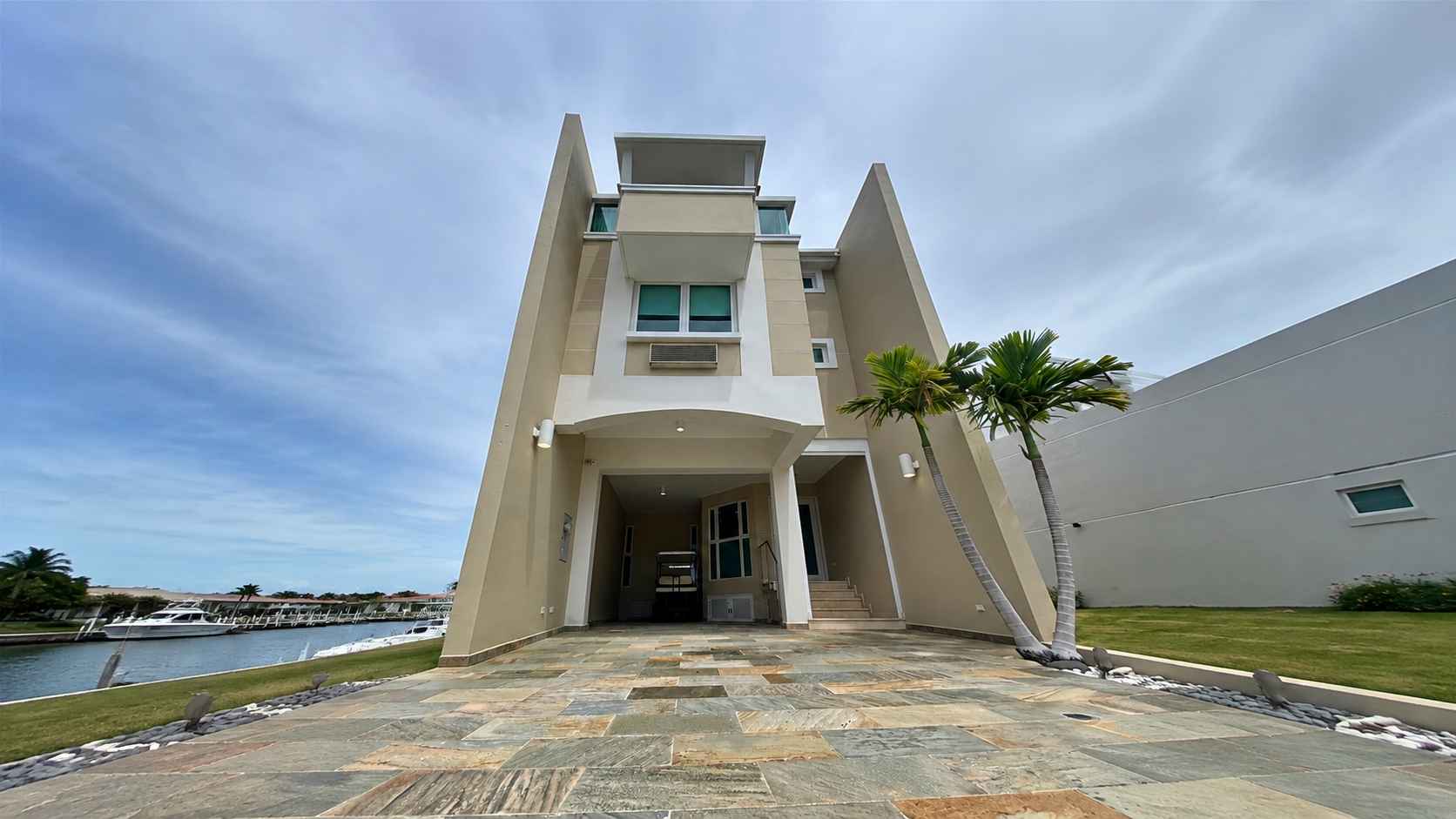
14 Peninsula de San Juan Street, Humacao
This four-bedroom, four-bath residence contains approximately 3,612 square feet in Humacao. Buyers can evaluate its community amenities, waterfront setting, fees, maintenance responsibilities, and storm preparation.
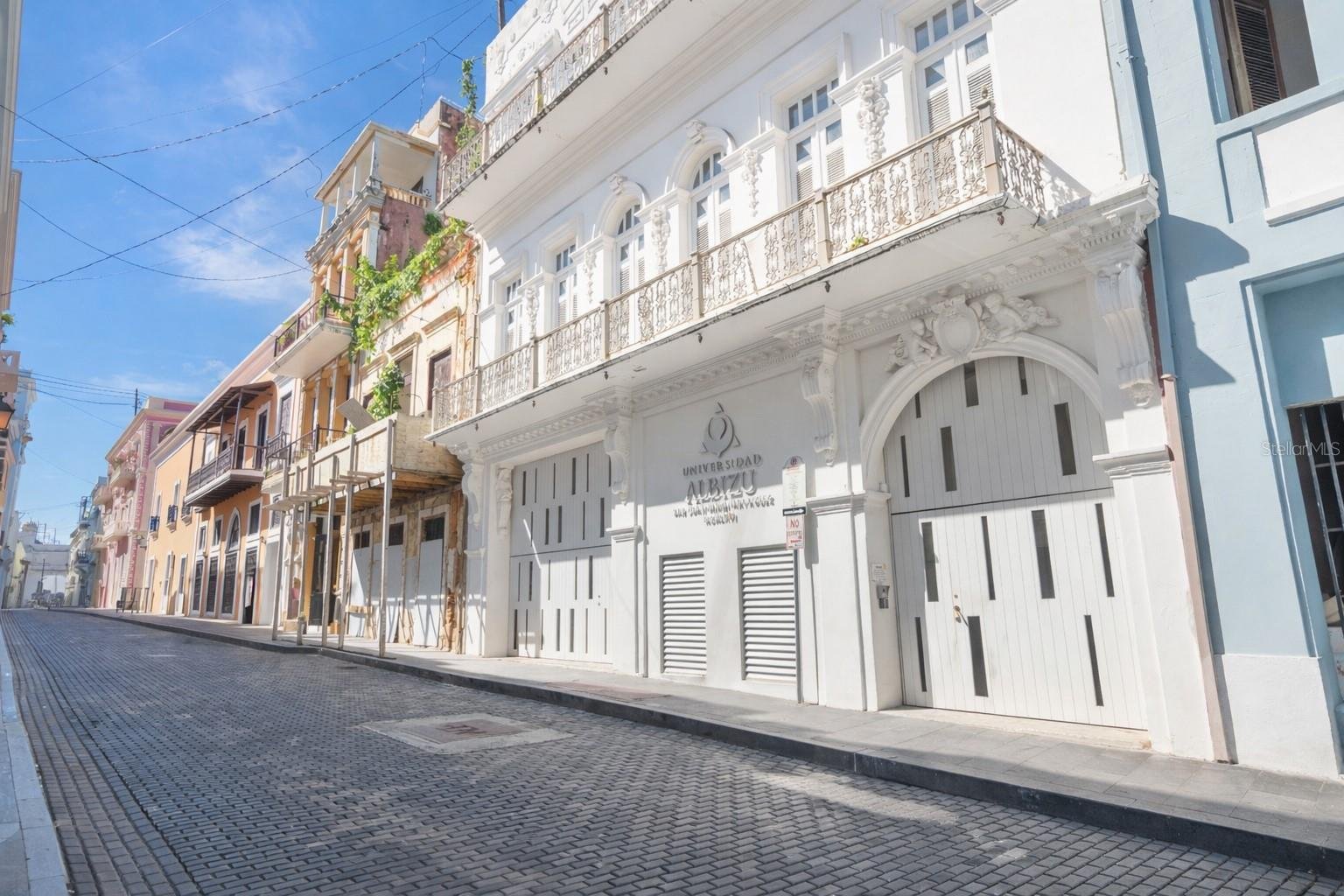
205 Luna, Old San Juan
This approximately 21,899-square-foot historic property contains a restored 1913 theater and flexible institutional, cultural, office, or creative space. Its Old San Juan location makes zoning, preservation, accessibility, operating costs, and intended use central to the review.

11 Barrio Frailes, Culebra
This three-bedroom, four-bath residence offers approximately 3,000 square feet on about five acres in Culebra. The island setting makes utilities, backup systems, freight, access, maintenance, insurance, and management important purchase considerations.
Conclusion
Puerto Rico’s map connects distinct urban, coastal, resort, island, and mountain real estate markets rather than one uniform market. The best location depends on the buyer’s intended use, access needs, services, risk tolerance, operating budget, and willingness to manage property-specific conditions. Maps can narrow the search, but documents, inspections, current market evidence, and professional advice should guide the purchase.
If the map has helped you narrow the search, explore Puerto Rico luxury properties currently represented across the island. Compare each option by municipality, access, services, ownership costs, and the practical risks outlined above. When a location fits your priorities, contact Christie’s International Real Estate Puerto Rico to verify availability and plan a focused property tour.
FAQs
What Are the Major Cities in Puerto Rico?
San Juan is the capital and largest urban center, while Bayamón, Carolina, Ponce, Caguas, and Mayagüez are also important cities and municipalities. Each contains multiple neighborhoods and property types, so buyers should research below the city level.
Is Puerto Rico Part of the United States?
Yes. Puerto Rico is an unincorporated territory of the United States, although local property, tax, permitting, registry, and notarial procedures still require Puerto Rico-specific guidance.
Does an Opportunity Zone Location Guarantee Tax Benefits?
No. Eligibility depends on the investor, gain, fund, property or business activity, timing, and compliance with applicable federal rules; obtain independent tax and legal advice.
What Should Buyers Check Before Choosing a Location?
Compare access, services, employment or recreation needs, utilities, insurance, flood and slope exposure, legal use, permits, association obligations, maintenance, and recent relevant transactions.
Related Articles
Continue your research with these Christie’s International Real Estate Puerto Rico guides:


