Mountain homes for sale in Puerto Rico appeal to buyers who want privacy, natural scenery, and a different pace from the island’s coastal and urban markets. The strongest opportunities are not defined by views alone: road access, drainage, utilities, insurance, title, permits, and ongoing maintenance can determine whether a mountain property is practical to own. This guide explains where buyers typically look, what to inspect, and how to evaluate luxury mountain homes without relying on broad promises about appreciation or rental income.
Key Takeaways
- Puerto Rico’s central and northeastern mountains include communities with cooler-feeling elevations, coffee-country landscapes, and access to rivers, forests, and cultural sites.
- Buyers should investigate access roads, slope stability, drainage, backup power, water storage, septic systems, internet service, permits, and insurance before committing.
- Views and privacy may support a property’s appeal, but value and resale depend on location, condition, legal status, market demand, and comparable sales.
- Tax, tourism, and rental strategies require advice from qualified Puerto Rico legal, tax, permitting, and insurance professionals.
Does Puerto Rico Have Mountains?

Yes. The Cordillera Central crosses much of the island’s interior and includes Cerro de Punta, Puerto Rico’s highest point. The Sierra de Cayey extends through the south-central region, while the Sierra de Luquillo rises in the northeast near El Yunque National Forest, the only tropical rainforest in the U.S. National Forest System.
These regions are not one uniform market. A residence near Guaynabo can combine elevated views with access to metropolitan San Juan, while properties in Cayey, Utuado, Jayuya, Adjuntas, or Ciales may offer more land and a rural setting but require longer drives to services. Buyers should compare the specific municipality, elevation, road network, and microclimate rather than treating every inland property as interchangeable.
Why Buyers Consider Luxury Mountain Homes in Puerto Rico

Privacy, Land, and Views
Mountain properties may provide larger lots, separation from neighbors, broad valley or coastal views, and room for gardens, guest accommodations, or recreational space. Those advantages vary by parcel. Confirm boundaries through a survey, review easements and rights of way, and verify that any additional structures or proposed uses are legally permitted.
Climate and Lifestyle
Higher elevations can feel cooler than low-lying coastal areas, especially at night, although temperature, rainfall, wind, and humidity vary substantially across the island. Mountain living can also mean steep roads, fog, heavier localized rain, falling vegetation, and longer travel times. Visit the property in different weather and at different times of day before deciding that the setting fits your routine.
Mountain settings are often marketed around wellness, and general-interest coverage of mountain living discusses possible lifestyle benefits. Such articles are not medical evidence or a substitute for assessing a property’s actual air quality, accessibility, moisture, and suitability for an individual household.
Culture and Access to Nature

Puerto Rico’s mountain towns are closely associated with coffee cultivation, local festivals, artisan traditions, rivers, caves, and Taíno heritage. In Utuado, buyers can explore the Caguana Indigenous Ceremonial Park; Discover Puerto Rico also provides visitor information for Utuado, Jayuya, and Ciales. This cultural and environmental context can enrich daily life, but it should not be treated as a guarantee of tourism revenue.
What to Inspect Before Buying a Mountain Property
A mountain property requires a more detailed review than its scenery alone suggests. The following checks help buyers evaluate access, construction, essential systems, and long-term ownership costs before moving forward.
Road Access and Emergency Planning
Determine whether the access road is public or private, who maintains it, and whether emergency and service vehicles can reach the house. Test the route during rain, confirm gate access, and understand any shared-road agreement. Ask about past washouts, landslides, fallen trees, and extended closures, then verify material disclosures through inspections and available public records.
Slope, Drainage, and Structure
A qualified engineer should evaluate retaining walls, foundations, visible cracking, drainage channels, erosion, and the stability of slopes around the home. A standard visual inspection alone may not address geotechnical conditions. Buyers should also confirm permits for additions, pools, terraces, cisterns, solar equipment, and other improvements.
Power, Water, Septic, and Connectivity
Mountain homes may have solar panels, batteries, generators, cisterns, filtration systems, wells, or septic systems. Review the capacity, age, warranties, service records, permits, and replacement cost of each system instead of assuming that “off-grid” means maintenance-free. Ask an internet provider to confirm service at the exact address if remote work or security monitoring is essential.
Insurance and Operating Costs
Obtain property-specific insurance quotes before the end of the inspection period. Coverage, exclusions, deductibles, and lender requirements may differ based on construction, location, access, wind exposure, flood mapping, and prior claims. Budget for vegetation control, road work, pest management, water systems, backup power, and specialized labor as well as ordinary home maintenance.
Sustainable Features: Useful, but Property-Specific

Solar generation with battery storage can improve resilience, while rainwater collection, passive ventilation, efficient appliances, and thoughtful shading may reduce dependence on utilities. Performance depends on system design, household demand, maintenance, roof condition, orientation, and local conditions. Buyers interested in sustainable and eco-friendly luxury homes should request equipment specifications and have the systems inspected by qualified professionals.
Examples of environmentally oriented hospitality on the island include Casa Grande Mountain Retreat, Royal Isabela, and Hix Island House. They illustrate different approaches to landscape, conservation, and guest experience, but they are not direct comparables for a private residence. Owners considering green construction can also review this local overview of eco-friendly building challenges.
Investment, Rental, and Tax Considerations
No mountain home is automatically a safe or appreciating investment. A sound analysis should include acquisition costs, financing, insurance, repairs, management, vacancy, utilities, taxes, expected holding period, comparable sales, and a conservative exit plan. Short-term rental use may also depend on municipal rules, community restrictions, permits, market seasonality, accessibility, and the home’s ability to operate reliably during outages.
Puerto Rico tax incentives are complex and depend on the taxpayer, source of income, decree terms, timing, and continuing compliance. Read a general overview of Act 60 and consult independent Puerto Rico tax counsel before relying on any projected benefit; this third-party discussion of Puerto Rico tax incentives may provide additional questions to raise with your adviser. Tax incentives should never substitute for property-level due diligence.
Four Current Properties to Explore
Availability and terms can change, so confirm current status directly with the listing team.

RD15 KM20.6 BO. QUEBRADA ARRIBA, CAYEY, PR
This 5-acre Cayey retreat is positioned at approximately 1,000 meters in elevation and offers four bedrooms, four bathrooms, panoramic views, and private access. Its solar, battery, generator, and water-storage features make system documentation and maintenance history important parts of due diligence.

GUAVATE 184 BO, CAYEY, PR
This lakefront property in Guavate combines more than ten acres with a furnished two-bedroom residence, gated access, mountain scenery, and potential for a private retreat or carefully evaluated future use. Buyers should verify development possibilities, utilities, environmental conditions, and permitting before assigning value to expansion plans.
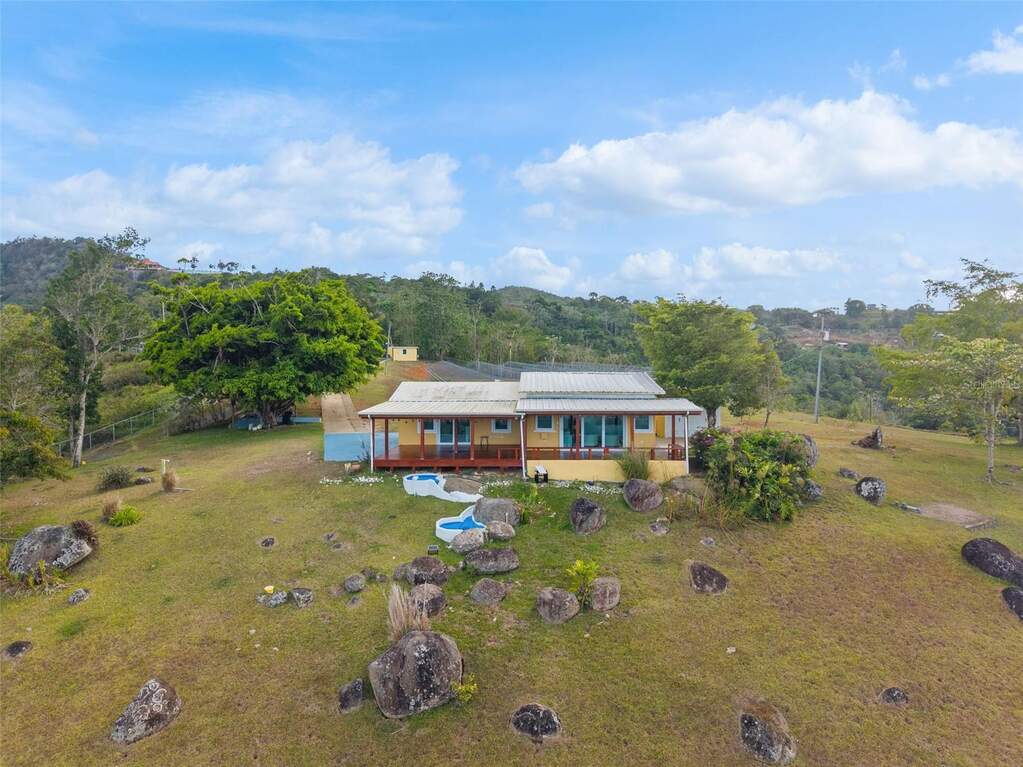
PR-7722 KM 4.2 CALLE HERACLIO COLON, CAYEY, PR
This three-bedroom Cayey residence offers approximately 2,750 square feet in a rural mountain setting. Its layout and elevated surroundings may suit buyers prioritizing space and privacy, subject to inspection of access, drainage, utilities, and all property records.

5R MOUNT RESACA BARRIO FLAMENCO, CULEBRA, PR
Set on Mount Resaca in Culebra, this seven-bedroom property consists of two villas with private plunge pools amid tropical vegetation. Buyers evaluating it as a residence or hospitality asset should independently review access, operations, licensing, insurance, and income assumptions.
Conclusion
Puerto Rico’s luxury mountain homes can offer privacy, expansive views, distinctive architecture, and close connections to the island’s interior landscapes and communities. Their appeal must be balanced against property-specific questions involving access, terrain, infrastructure, maintenance, insurance, title, and permits. Careful inspections and advice from qualified local professionals help buyers compare the lifestyle benefits with the true cost and responsibility of ownership.
If you would like to rent, buy, or sell luxury property in Puerto Rico, Christie’s International Real Estate Puerto Rico is here to guide you through every stage of the process. Explore our Puerto Rico luxury properties and connect with our team for advice tailored to your goals.
FAQs
What are the main challenges of maintaining a mountain home in Puerto Rico?
Common concerns include steep or private roads, drainage, erosion, retaining walls, vegetation, power and water reliability, septic maintenance, and access after severe weather. The risks and costs depend on the individual parcel, so buyers should use qualified inspectors and engineers rather than general assumptions.
How does mountain-community life compare with urban areas?
Mountain municipalities can offer a quieter pace, local traditions, agricultural landscapes, and closer access to rivers, forests, and community festivals. Services, commute times, internet options, and shopping may be more limited than in metropolitan San Juan; buyers can review federal information on Puerto Rico rural community networks and spend meaningful time in the target area before buying.
Is buying a mountain home in Puerto Rico difficult?
The process is manageable with the right local team, but mountain properties may require additional diligence. Buyers should confirm title, survey boundaries, permits, financing, insurance, access rights, utilities, and structural or geotechnical conditions with appropriate real estate, legal, lending, engineering, and tax professionals.
Can a mountain property be used as a short-term rental?
Possibly, but buyers should not assume approval or profitability. Confirm municipal requirements, permits, community restrictions, tax registration, insurance, management, emergency access, and realistic demand before relying on rental income.