Investing in Puerto Rico land can offer the freedom to design a home or development around a specific site. It also brings risks that a finished property may have already resolved: access, utilities, buildability, permits, construction cost, and environmental exposure. In 2026, the advantage lies in choosing a parcel whose verified rights and realistic budget fit the project—not in assuming that vacant land is automatically cheaper or more profitable.
Key Takeaways
- Land offers design flexibility only within the parcel’s zoning, environmental, and permit limits.
- Compare total acquisition, infrastructure, construction, insurance, and holding costs—not land price alone.
- Check title, survey, legal access, utilities, flood exposure, and buildability before committing.
- Act 60 benefits are not triggered by buying land; eligibility depends on the applicable program and personal facts.
- Potential appreciation and resale are uncertain, so model a conservative exit.
Steps to Purchasing Land in Puerto Rico

A sound land purchase starts with the intended use, then tests whether the specific parcel can support it. These steps help buyers avoid confusing an attractive setting with a permitted, financeable building site.
Define the Project and Budget
Decide whether the goal is a private residence, a multi-home project, agriculture, or long-term landholding. Set a maximum all-in budget that includes survey work, professional fees, utility connections, site preparation, permits, financing, taxes, and a contingency for delays.
Search and Screen Candidate Parcels
Compare location, size, terrain, road access, and asking price, but treat listing descriptions as leads rather than proof of buildability. The Puerto Rico land guide offers a broader checklist for evaluating a lot before an offer.
Verify Title, Boundaries, and Access
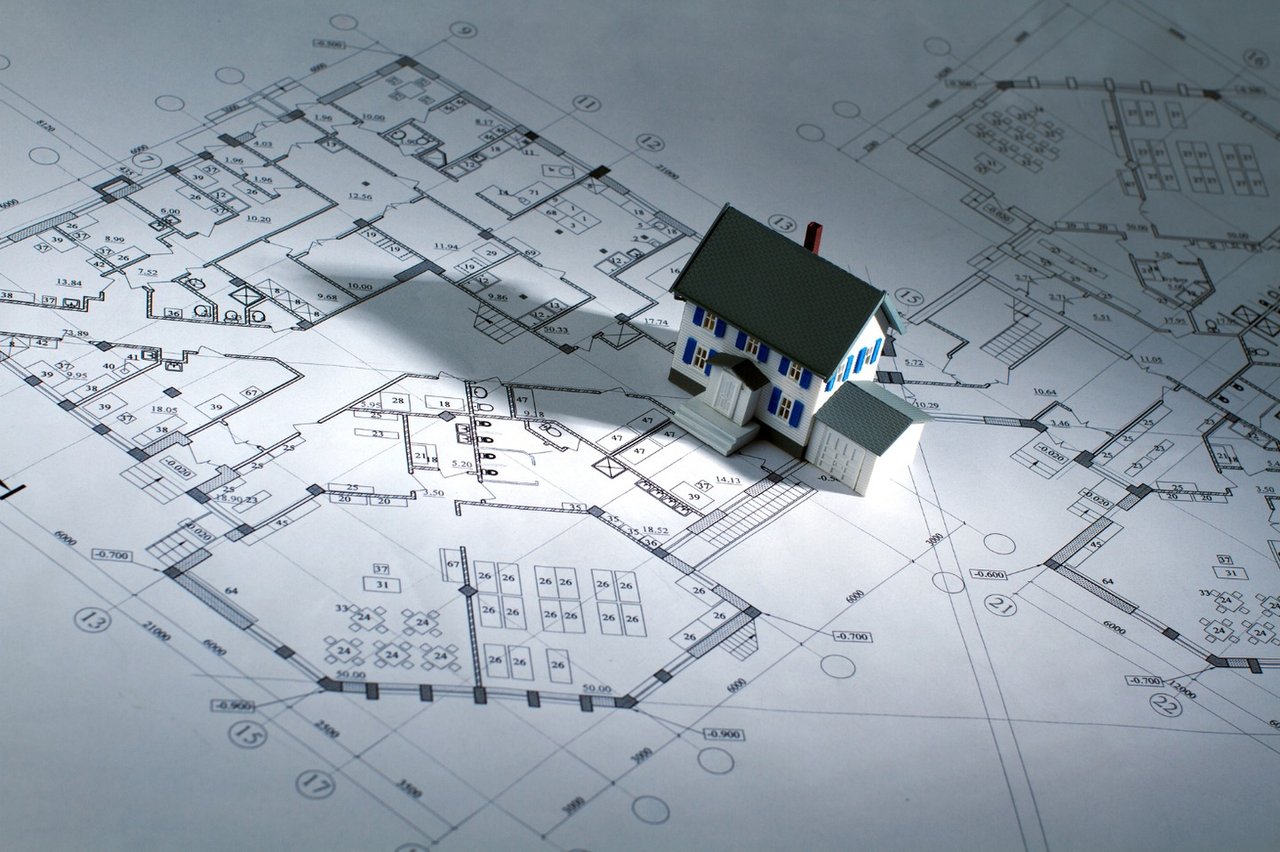
Have a Puerto Rico real-estate attorney or notary review the deed, Property Registry record, liens, easements, and any restrictions. Commission an appropriate survey and confirm that road access is legal and usable; a mapped road or informal path alone is not enough.
Confirm Zoning, Hazards, and Permits
Use the Planning Board’s interactive zoning catalog as an initial screen, then have a qualified local professional confirm the parcel’s current classification and permitted use. Review flood and coastal exposure, slope, drainage, protected areas, and any community rules. The OGPe permits portal describes the relevant application system; no listing or conceptual plan should be treated as a permit.
Price Financing and Construction
Ask lenders about land-specific terms before assuming a standard home mortgage will apply. Obtain written site-work and utility estimates, a preliminary design and construction budget, and a realistic schedule from local professionals before the purchase becomes unconditional.
Seven Advantages of Investing in Puerto Rico Land
Vacant land can be appealing for a luxury home or carefully planned development. Each advantage below is conditional on the parcel’s legal rights, physical characteristics, financing, and intended use.
1. Design and Customization

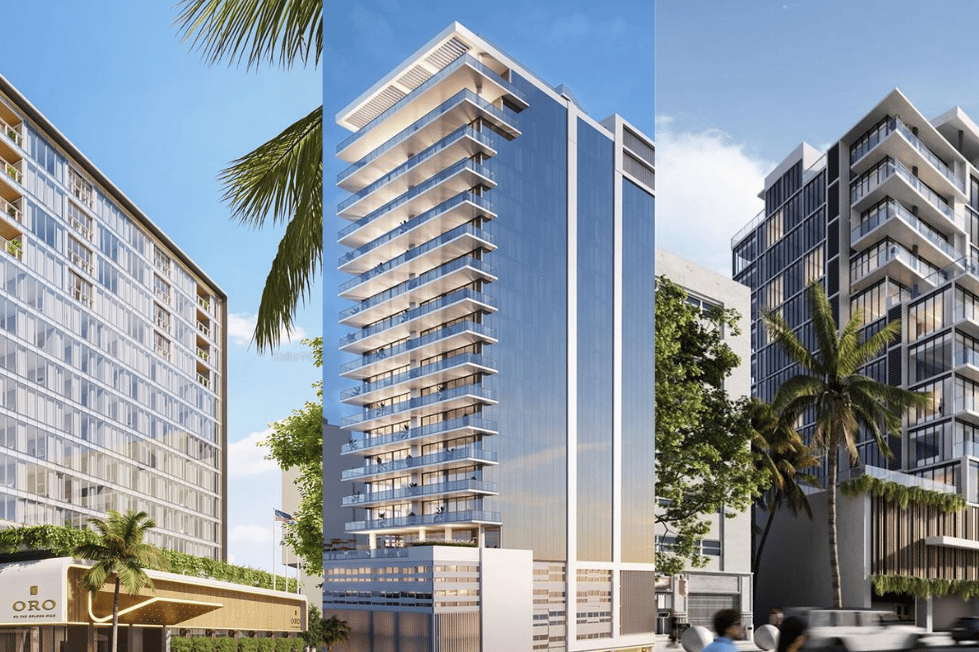
Starting with land allows an owner to plan the layout, orientation, privacy, outdoor areas, and materials together rather than retrofitting an existing house. The design must still fit the lot’s setbacks, height limits, access, drainage, and approvals. A buyer comparing inland and beachfront properties should assess how those constraints change with location.
2. Better Control of the Total Project Brief

A vacant parcel can let buyers set priorities before construction begins: living space, resilience, maintenance, and future expansion. This is budget control, not a guarantee of a lower price. Site work, foundations, utility extensions, permitting, and financing can make a seemingly inexpensive lot costlier than an existing home.
Compare the land-plus-build estimate against completed properties serving the same buyer. Include carrying costs during design and approvals, and revisit the budget whenever the scope changes.
3. Choice of Setting

Image Source: Christie’s International Real Estate Puerto Rico
Puerto Rico offers coastal, resort, urban, and mountain settings, but the right site depends on the project. A Dorado resort homesite, a Rincón hillside parcel, and an Aguadilla coastal tract require different checks for access, infrastructure, weather exposure, and likely resale buyers. Do not infer the amount of available buildable land from a municipality name alone.
4. Tax Planning With Clearer Assumptions

Land acquisition does not, by itself, qualify an owner for Act 60 tax benefits or an exemption from property tax, import duties, or permitting requirements. Puerto Rico’s DDEC issued a 2026 Act 60 bulletin addressing changes for individual resident investors, including residence commitments. A development or business incentive is a separate question that requires program-specific review by qualified Puerto Rico and federal tax advisers.
For underwriting, calculate ordinary taxes and transaction costs first. Include a tax incentive only after eligibility and decree terms have been independently confirmed.
5. A Project Matched to Its Market

Land lets a developer or owner select a site for a defined audience instead of adapting a finished property to the wrong use. That may mean a private estate with room for privacy or a parcel that could support another concept if legally permitted. Study actual comparable sales, competing inventory, and buyer demand for that property type; island-wide luxury headlines are not a substitute.
6. Potential Appreciation and Resale Options

A well-located parcel may gain value, but appreciation is neither automatic nor measurable from a broad house-price index. Vacant land can be harder to finance and sell than a completed home, particularly if approvals, utilities, or buildability are uncertain. Use comparable land transactions, holding costs, and multiple exit scenarios rather than a broad residential house-price index that does not measure vacant land.
7. Flexibility in Project Timing

Buying land can allow a buyer to plan design and financing in phases rather than accept an existing home’s layout. That flexibility has limits: permit validity, lender requirements, insurance, carrying costs, and changing construction prices can force decisions sooner than expected. Review Puerto Rico new construction options against a realistic timeline, not an assumed fast approval.
Puerto Rico Land Properties for Sale
Current listings illustrate how different Puerto Rico land opportunities can be. Buyers comparing luxury properties for sale should review each parcel’s title, permitted use, infrastructure, and site conditions separately. The four land listings below were active when checked in October 2026; availability can change.

Finca Morales, Barrio Barrazas, Carolina
This active 90-acre Carolina listing describes rolling terrain and natural springs. A buyer should independently verify access, water rights, zoning, and the buildable portion of the parcel.

Lot 17 Villa Dorado Estates, Dorado
This active 0.99-acre Dorado homesite is offered with architectural plans according to its listing. Buyers should confirm whether those plans and the intended design can receive all required approvals.

Calle Las Palmas, Rincón
This active 7.16-acre parcel in Puntas offers a different scale and setting from a resort homesite. Its listing notes that utilities are nearby; buyers should still obtain parcel-specific connection and site-work estimates.

Carr 107 Km 1.1, Borinquen, Aguadilla
This active 14.32-acre Aguadilla parcel is listed as waterfront land with Atlantic views. Its cliffside location makes slope, coastal, access, and permitting reviews particularly important before any design assumptions.
Conclusion
Puerto Rico land can offer room for a custom home or development, but its value depends on what can actually be built and at what total cost. Zoning, access, utilities, environmental constraints, and construction financing deserve as much attention as the view. In 2026, a carefully verified parcel is a stronger starting point than a promise of automatic tax savings or appreciation.
If you want to rent, buy, or sell Puerto Rico luxury properties, Christie’s International Real Estate Puerto Rico is here to guide you. Our team can help you compare locations and listings while your legal, design, and tax advisers assess the parcel-specific details.
FAQs
Is buying land in Puerto Rico automatically cheaper than buying a home?
No. The purchase price may be lower, but site work, utilities, permits, construction, insurance, financing, and holding costs can change the total considerably.
Does owning land qualify a buyer for Act 60 incentives?
No. Incentive eligibility depends on the specific program, decree, timing, and the buyer’s circumstances; acquiring a parcel alone does not establish it.
What should be checked before buying a coastal lot?
In addition to title and survey, review legal access, zoning, flood and coastal exposure, environmental constraints, utility service, community restrictions, and the permits required for the intended design. The beachfront zoning guide explains the regulatory questions in more detail.
Related Articles
These guides help compare land opportunities and the rules that shape a building plan.