Buying a beach house in Puerto Rico requires more than comparing ocean views and asking prices. Coastal buyers also need to examine flood exposure, wind protection, salt-air maintenance, access rights, insurance availability, and the condition of shared amenities. This guide explains how to evaluate luxury beach houses for sale in Puerto Rico while keeping long-term ownership costs and resale considerations in view.
Puerto Rico's coastal markets vary widely, from resort communities such as Dorado Beach and Palmas del Mar to urban beachfront neighborhoods in San Juan and relaxed west-coast destinations near Rincón and Aguadilla. Inventory and pricing can change quickly, so current listings and property-specific due diligence are more reliable than broad price estimates.
Key Takeaways
- Evaluate the property, shoreline conditions, flood zone, insurance options, and community obligations before making an offer.
- Direct beach access, protected views, resort amenities, and proximity to services can affect demand, but each feature should be verified.
- Salt air, humidity, wind, and heavy rain can increase inspection and maintenance needs for coastal homes.
- Use current comparable sales, active inventory, and local professional advice instead of relying on fixed island-wide price ranges.
Current Beach House Inventory and Price Bands

Puerto Rico offers beachfront condominiums, detached coastal homes, resort residences, and private island retreats. The range is especially broad across Dorado Beach, Palmas del Mar, the west coast, Isla Verde, and San Juan. Buyers should compare properties within the same neighborhood, building, or resort because condition, elevation, amenities, and water access can create substantial differences.
Geographic Price Variations
- Dorado Beach: A resort-oriented market where golf, private clubs, beach access, security, and branded amenities can influence value and carrying costs.
- Palmas del Mar: A large resort community in Humacao with beach, marina, golf, equestrian, and residential options; fees and access rights vary by property.
- Condado and Ocean Park: Urban coastal living near restaurants, schools, services, and San Juan employment centers, with a mix of condominiums and houses.
- Isla Verde: Beachfront condominium living near Luis Muñoz Marín International Airport, with building-specific rules, reserves, and assessments to review.
- Rincón and Aguadilla: West-coast markets known for beaches, surfing, sunsets, and access to Rafael Hernández International Airport.
- Culebra: A limited-inventory island market where transportation, utilities, water, septic systems, and property management deserve extra attention.
Construction and Maintenance Cost Reality
Construction and renovation budgets depend on design, site access, materials, labor, permitting, and the level of wind and corrosion protection required. A coastal project may also need specialized waterproofing, drainage, impact-resistant openings, backup power, and equipment designed for salt-air exposure. Obtain written estimates from qualified local contractors before using any per-square-foot figure in a purchase decision.
The same principle applies to an existing beachfront home: review service records and expected replacement cycles for the roof, windows, air-conditioning equipment, generator, pool systems, and exterior finishes. The National Hurricane Center's hurricane preparedness guidance can help owners build a property-specific storm plan.
Deal Filters That Help Control Ownership Costs

Four practical filters can reveal costs that are easy to miss during an initial viewing: wind protection, corrosion resistance, shoreline conditions, and flood exposure. None guarantees a particular insurance premium or resale result, but each can shape maintenance planning, financing, and negotiations.
Wind Mitigation Assessment
Ask the inspector and insurer to evaluate the features that apply to the specific home. Do not assume that a construction type or individual upgrade will produce a particular discount; underwriting requirements and credits vary by insurer and policy.
- Impact-rated windows, doors, shutters, and garage doors
- Roof covering, attachment method, age, drainage, and maintenance history
- Concrete, steel, or other structural systems and their documented condition
- Generator, battery storage, water cistern, and storm-preparation procedures
- Evidence of past water intrusion, repairs, and insurance claims
Corrosion and Salt-Air Resistance
Salt and humidity can shorten the useful life of metal components, exterior finishes, mechanical equipment, and electronics. A coastal inspection should look beyond cosmetic wear and identify active corrosion, moisture problems, deferred maintenance, and equipment that may require early replacement.
- Window frames, railings, fasteners, doors, and exterior hardware
- Air-conditioning condensers and ventilation systems
- Concrete cracking, exposed reinforcing steel, waterproofing, and sealants
- Drainage, grading, roofs, terraces, and balconies
- Pool, spa, generator, solar, and electrical equipment
Shoreline, Seawall, and Erosion Review
Not every coastal property has a seawall, and the presence of one does not eliminate erosion or flooding concerns. Buyers should verify who owns and maintains any shoreline structure, whether permits or engineering reports exist, and whether the beach or access route changes seasonally.
- Current seawall or revetment condition, if present
- Drainage paths and visible erosion
- Surveyed boundaries, setbacks, easements, and beach access rights
- Community maintenance responsibilities and planned assessments
- Permits for shoreline work or additions near the coast
Flood Zones and Insurance
Use FEMA's Flood Map Service Center to review the official map for a property's location, then confirm how the lender and insurer interpret that information. Standard homeowners policies generally do not cover flood damage, so buyers should discuss separate flood coverage, deductibles, exclusions, and replacement-cost assumptions with licensed insurance professionals.
- Flood zone and map effective date
- Base flood elevation and elevation certificate, when available
- Lowest-floor elevation and location of mechanical equipment
- Available NFIP and private flood-insurance options
- Prior flooding, drainage issues, claims, and documented mitigation
Resale Value Drivers in Luxury Beach Markets

Coastal resale value is property-specific. Direct water access, view protection, building condition, community finances, insurance availability, and the quality of nearby amenities may all affect demand, but no feature guarantees appreciation or a fixed premium.
Ocean Positioning and Beach Access
Confirm whether the home is directly oceanfront, across a road, or set behind another parcel. Verify access rights, surveyed boundaries, public-versus-private access points, and any restrictions that could affect how the shoreline is used.
- Recorded access rights and easements
- Setbacks and development restrictions
- Seasonal changes in usable beach area
- Neighboring parcels and future development potential
- Maintenance obligations for paths, gates, or shoreline features
View Corridors and Sight-Line Protection
A broad ocean view can be an important lifestyle and marketing feature, but buyers should not assume it is permanent. Review zoning, adjoining ownership, permitted projects, easements, vegetation, and the property's elevation with the appropriate local professionals.
- Existing view or conservation easements
- Zoning and height limits on adjoining parcels
- Approved or proposed nearby development
- Landscaping responsibilities and privacy
- Sunrise, sunset, wind, and shade orientation
Club Access and Community Amenities
Golf, marina, beach-club, fitness, dining, and security services may broaden a property's appeal. Confirm what transfers with the sale, what requires a separate membership, and whether fees, waiting lists, restrictions, or special assessments apply.
- Membership transferability and initiation fees
- Marina slip availability and vessel restrictions
- Beach-club and recreational access
- HOA budgets, reserves, insurance, and recent meeting minutes
- Rental, pet, renovation, and guest policies
Pre-Offer Evaluation Checklist

A focused pre-offer review helps buyers understand the home's physical condition, recurring expenses, legal status, and competitive position. The scope and timing depend on the property and contract, so build adequate inspection and document-review periods into the offer with local professional guidance.
Technical Property Assessment
- Use inspectors experienced with coastal construction and salt-air exposure.
- Obtain engineering review for seawalls, foundations, slopes, or major structural concerns.
- Review the roof, openings, drainage, waterproofing, electrical, plumbing, and HVAC systems.
- Confirm flood-zone information and request an elevation certificate when relevant.
- Document backup-power, water-storage, and storm-protection systems.
- Request permits, warranties, invoices, and maintenance records for major work.
Financial Due Diligence
- Obtain property-specific wind, homeowners, and flood-insurance quotes.
- Estimate routine coastal maintenance and near-term capital projects.
- Review HOA or condominium fees, budgets, reserves, insurance, and special assessments.
- Confirm utility costs and servicing requirements for generators, batteries, pools, and cisterns.
- Discuss property taxes and possible exemptions with a qualified Puerto Rico adviser.
- Keep a contingency for storm preparation, deductibles, and repairs.
Legal and Regulatory Review
Puerto Rico real estate transactions involve local title, registry, notarial, permitting, and coastal-use considerations. A qualified Puerto Rico attorney or notary can review the title study, survey, recorded liens, access rights, permits, community documents, and the proposed purchase agreement.
- Confirm ownership and registered liens or encumbrances.
- Review surveys, boundaries, easements, and beach-access rights.
- Verify permits for additions, pools, shoreline work, and significant renovations.
- Review zoning, environmental, and coastal restrictions.
- Confirm utility and road access.
- Read condominium or HOA covenants, rules, budgets, and minutes.
Market Positioning Analysis
Compare the property with recent sales and current competition in the same micro-market. A useful analysis accounts for condition, water access, view quality, elevation, building or community finances, and whether the property is offered furnished.
- Review recent comparable sales and expired or withdrawn listings.
- Study days on market and documented price changes.
- Verify rental rules and permits before projecting rental income.
- Check planned infrastructure and nearby development.
- Separate seller asking prices from closed-sale evidence.
- Adjust the offer for known repairs, assessments, and insurance costs.
Puerto Rico Luxury Properties for Sale
Coastal due diligence becomes more useful when it is applied to real homes in distinct Puerto Rico markets. The following current listings illustrate urban beachfront living, private-island scenery, resort-adjacent amenities, and west-coast access. Explore more luxury properties for sale represented by Christie's International Real Estate Puerto Rico.
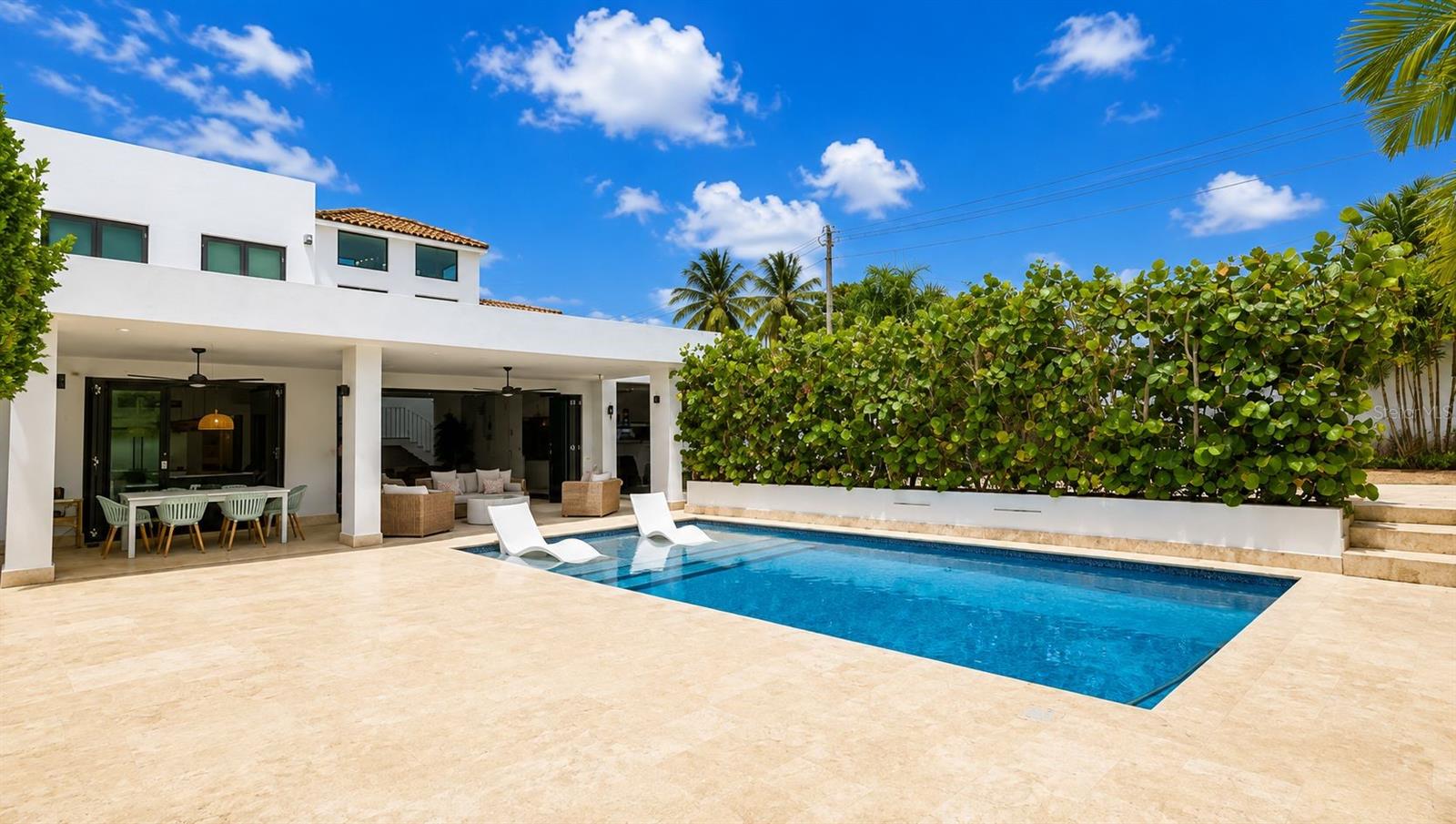
60 Soldado Serrano, San Juan
Villa Blanca is a seven-bedroom Ocean Park residence with indoor-outdoor living areas and resilience features suited to a coastal setting. The home is located about three blocks from the beach and offers access to the restaurants, schools, and services of coastal San Juan.

3307 Ave Isla Verde, Penthouse, Carolina
This five-bedroom Isla Verde penthouse offers 6,149 square feet of living area and wide views of the ocean, lagoon, and city. Its beachfront position and terraces make flood, wind, building-insurance, and condominium-document review especially relevant.

3 La Quinta, Melones Beach, Culebra
This four-bedroom Culebra residence sits on approximately 1.03 acres near Melones Beach and offers panoramic water views. Buyers considering island properties should give added attention to transportation, utilities, septic systems, maintenance logistics, and access to local services.
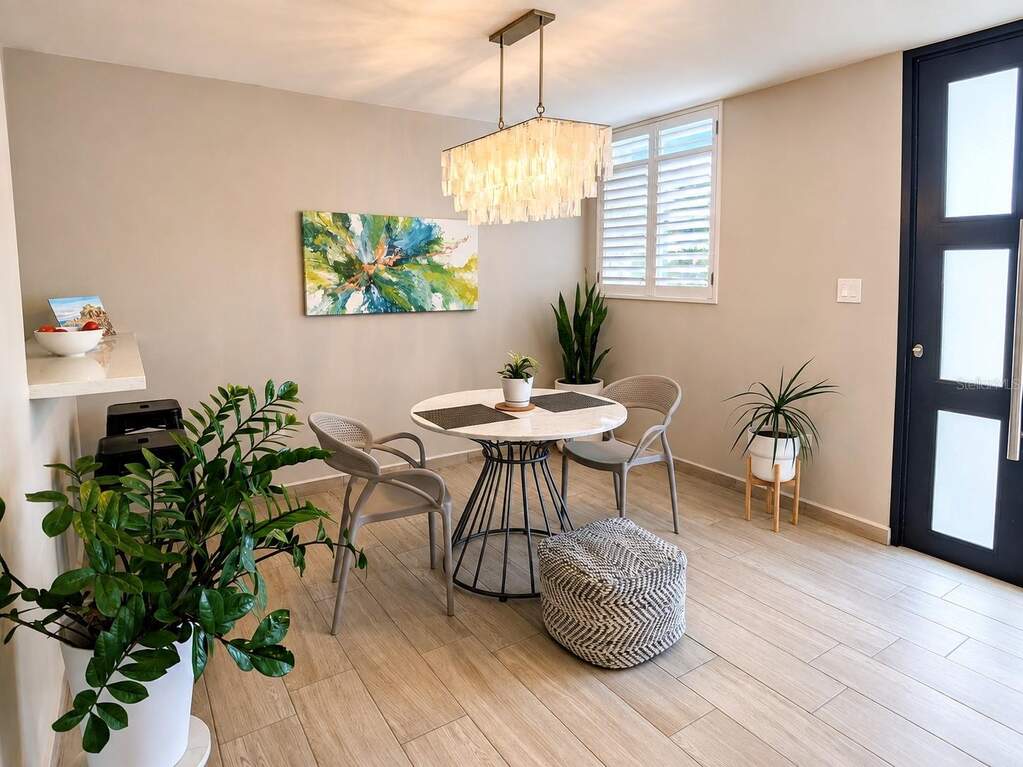
A8 Calle Guajataca, Aguadilla
Under contract and accepting backup offers, this move-in-ready 3-bedroom, 2-bathroom home in Aguadilla’s Camaseyes neighborhood features owned solar panels, battery backup, no HOA fees, and a prime location near surf beaches and BQN Airport.
Conclusion
Puerto Rico beach houses can offer exceptional access to the island's coastline, but the best purchase decisions begin with property-specific evidence. Review physical condition, flood exposure, insurance, access rights, community finances, and long-term maintenance before comparing lifestyle benefits. Current listings and recent comparable sales should guide pricing decisions because coastal inventory changes quickly.
If you are looking to buy, sell, or rent Puerto Rico luxury properties, Christie's International Real Estate Puerto Rico can help you evaluate locations, current inventory, and transaction considerations. Contact the team for guidance tailored to your property goals.
FAQs
What are the legal steps for purchasing a beachfront property in Puerto Rico?
A purchase generally includes a written agreement, title and lien review, financing or proof-of-funds requirements, inspections, a notarial closing, and registration of the deed. The exact process depends on the property and transaction, so buyers should use qualified Puerto Rico legal, tax, lending, and real estate professionals.
How does Puerto Rico's climate affect beachfront property maintenance?
Humidity, salt air, wind, heavy rain, and tropical storms can accelerate corrosion and expose waterproofing or drainage weaknesses. Regular inspections and maintenance of roofs, openings, concrete, metalwork, HVAC equipment, generators, and exterior finishes are important.
Can non-U.S. citizens buy beachfront property in Puerto Rico?
Foreign buyers can generally acquire real estate in Puerto Rico, but immigration status, financing, tax reporting, entity structure, sanctions screening, and other U.S. and Puerto Rico rules may affect an individual transaction. Buyers should obtain advice from qualified legal and tax professionals before committing funds.
What should buyers know about wind and flood insurance?
Coverage, deductibles, limits, exclusions, and lender requirements vary by property and insurer. Obtain written quotes early, confirm whether flood coverage must be purchased separately, and make sure replacement-cost assumptions reflect the home's construction and coastal exposure.
How do construction costs affect a beach-house purchase?
Coastal access, permitting, material specifications, corrosion protection, wind protection, and contractor availability can materially change a renovation budget. Replace broad per-square-foot estimates with a scope of work and current written bids for the specific property.
What supports resale demand for a luxury beach property?
Water access, views, condition, elevation, insurance availability, community finances, nearby amenities, and ease of travel can all influence buyer demand. Their effect varies by micro-market and does not guarantee appreciation, so use recent comparable sales and current competition.