
Coastal land for sale in Puerto Rico can support a custom residence, resort-adjacent retreat, or larger development, but an ocean view does not establish that a parcel is buildable. Zoning, the maritime-terrestrial public domain, flood exposure, environmental conditions, title, access, utilities, and the proposed use all require parcel-specific review before a buyer commits.
This 2026 guide explains the main due-diligence questions and compares four currently active coastal or coastal-area land listings. It provides general real estate information, not legal, engineering, environmental, tax, or investment advice.
Key Takeaways
These are the most important points to verify when evaluating land near Puerto Rico’s coast.
- A coastal location does not guarantee that a parcel can support the home, subdivision, or hospitality project a buyer envisions.
- Confirm zoning and permitted uses through official Puerto Rico planning and permitting resources before relying on listing language.
- Flood maps, shoreline conditions, wetlands, drainage, and the maritime-terrestrial zone can reduce usable acreage or change design requirements.
- Title, boundaries, legal access, utilities, insurance, financing, and construction costs should be reviewed before the option or purchase contract becomes nonrefundable.
- Current listings illustrate available opportunities, but price, availability, approvals, and development potential can change.
Coastal Land Versus an Existing Coastal Home

Buying land offers control over the design and placement of a future home, while buying an existing residence provides more certainty about the structure, access, and utility connections. The better option depends on the buyer’s timeline, risk tolerance, budget, and willingness to manage design and permitting.
Customization and Site Planning
A vacant parcel allows the architect to respond to views, prevailing wind, drainage, vegetation, and the household’s space requirements. That flexibility is valuable only after the usable building envelope and applicable restrictions have been verified.
Timeline and Execution Risk
A finished home may allow a faster move, although its permits and existing improvements still require due diligence. A land purchase adds design, engineering, permit, contractor, utility, and site-preparation phases that can change the budget and completion date.
For a detailed comparison, review building versus buying beachfront and the guide to how buyers can build a luxury home in Puerto Rico.
Value Cannot Be Assumed
Coastal scarcity can support buyer interest, but land does not automatically appreciate faster than a completed home. Future value depends on the acquisition price, permitted use, buildability, infrastructure, carrying costs, environmental constraints, market demand, and the eventual project.
Due Diligence Before Buying Coastal Land
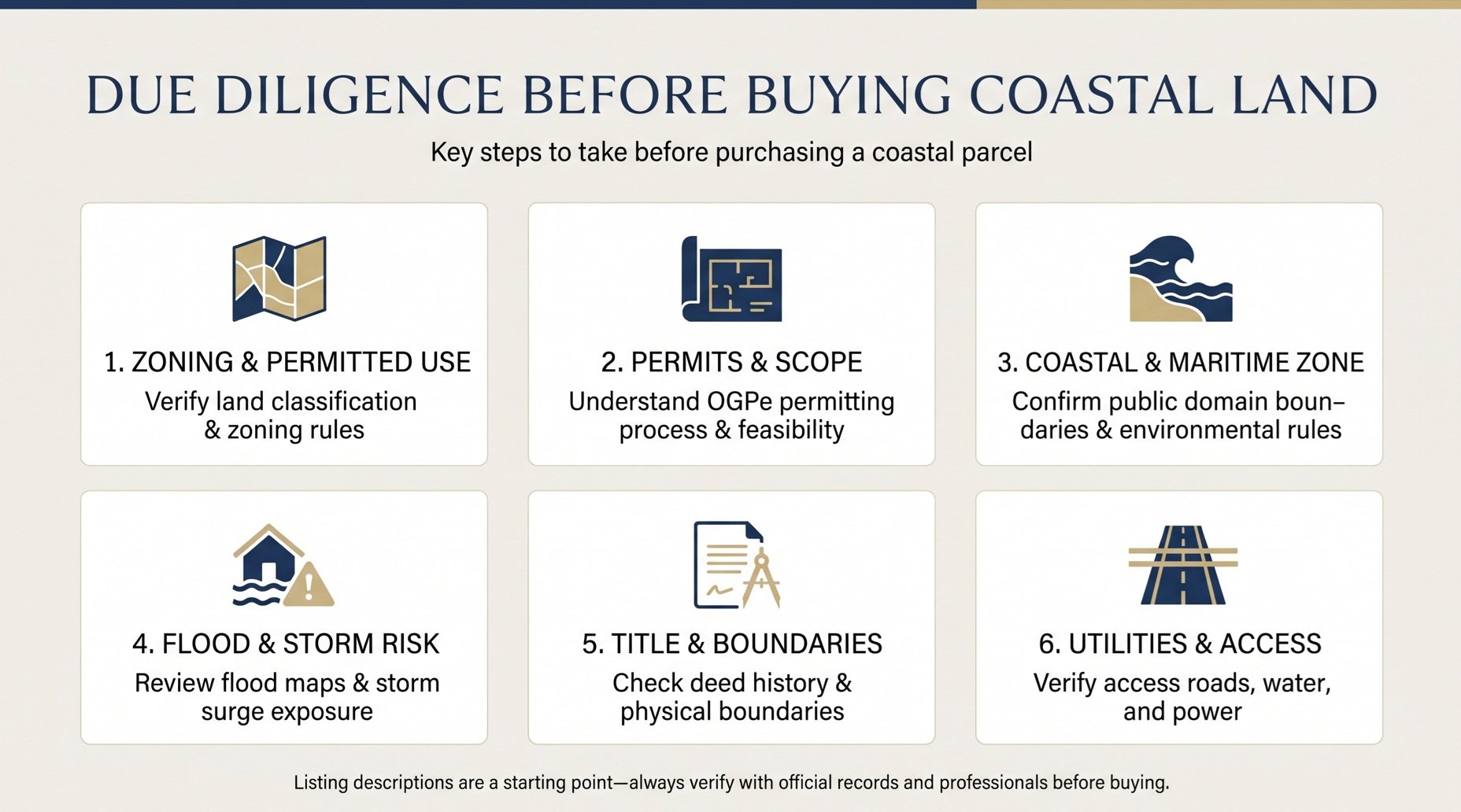
Due diligence should test the proposed use against the parcel’s legal, physical, and financial conditions. A listing description is a starting point, not a substitute for official records and professional analysis.
Zoning and Permitted Use
Use the Puerto Rico Planning Board’s zoning catalog to review the mapped classification, then have a Puerto Rico professional confirm the rules and any municipal overlay that applies. Zoning can affect use, density, lot size, height, setbacks, subdivision, and whether a variance or discretionary review may be needed.
Permits and Project Scope
The Puerto Rico Office of Permit Management explains that new construction generally requires a licensed architect or engineer to process the construction permit. The OGPe portal also provides resources for permits, case status, subdivision requests, and copies of property files.
Do not describe an unapproved concept as buildable simply because the zoning appears compatible. The final path depends on the plans, site conditions, agency review, and any applicable environmental or infrastructure requirements.
Maritime-Terrestrial Zone and Coastal Resources
Puerto Rico’s Department of Natural and Environmental Resources manages uses involving the maritime-terrestrial public domain, territorial waters, and submerged lands. The DRNA coastal division notes that structures or uses such as docks, breakwaters, marinas, and ramps can require authorization and must be compatible with coastal-zone policies.
A survey, coastal assessment, and agency review may be necessary to determine where private ownership and the public domain lie and whether dunes, mangroves, wetlands, reefs, habitat, or public-access concerns affect the project.
Flood, Storm, and Erosion Exposure
Review both mapped flood risk and site-specific conditions. The Puerto Rico Planning Board’s interactive flood maps include Advisory Base Flood Elevation information developed with FEMA after Hurricanes Irma and María.
A flood-map designation does not replace engineering, drainage, elevation, storm-surge, wave-action, or erosion analysis. Buyers should also obtain current insurance guidance because coverage availability, exclusions, elevation requirements, and premiums can materially affect the ownership budget.
Title, Boundaries, and Legal Access
Ask a Puerto Rico attorney-notary to review the title study, deed, Property Registry status, liens, easements, inheritance history, and restrictions. A licensed surveyor should confirm boundaries, acreage, encroachments, topography, and legal access rather than relying only on online maps or marketing measurements.
Utilities, Roads, and Site Work
Verify who controls the access road and whether water, sewer or septic, electricity, telecommunications, and stormwater infrastructure can serve the proposed project. Remote or steep coastal sites may require substantial work for grading, retaining structures, erosion control, utility extensions, or backup systems.
A Practical Review Sequence
The order below helps buyers identify major constraints before spending heavily on a complete design.
- Define the intended use, approximate building program, and ownership structure.
- Review title, Registry information, boundaries, legal access, and recorded restrictions.
- Confirm zoning, overlays, maritime-terrestrial issues, flood information, and environmental constraints.
- Obtain preliminary input from a licensed architect, engineer, surveyor, and other needed specialists.
- Verify utilities, road access, insurance feasibility, financing, taxes, and realistic site-development costs.
- Use contract contingencies and deadlines that allow the required investigations before funds become nonrefundable.
Financing, Budget, and Ownership Planning
Vacant-land financing is often evaluated differently from a mortgage on a completed home, and terms vary by lender, borrower, parcel, and project. Buyers should request current written proposals instead of relying on a generic down-payment percentage.
Build a Total Project Budget
Budget for more than the purchase price. Surveys, design, engineering, legal work, environmental studies, permits, utility connections, site preparation, insurance, financing costs, taxes, construction, and contingencies can all affect feasibility.
Separate Property Ownership From Tax Incentives
Buying land does not automatically qualify an owner or project for Act 60 or another incentive. Eligibility depends on the applicable program, decree, activity, investment, and continuing compliance, so tax treatment should be reviewed separately with qualified Puerto Rico and U.S. advisers.
Coastal Land for Sale in Puerto Rico
These four active listings show the range of coastal and coastal-area land currently offered in Río Grande, Culebra, Añasco, and Humacao. Buyers can also explore luxury properties for sale across Puerto Rico. Listing details and availability were checked on October 30, 2026, but should be reconfirmed before making a decision.
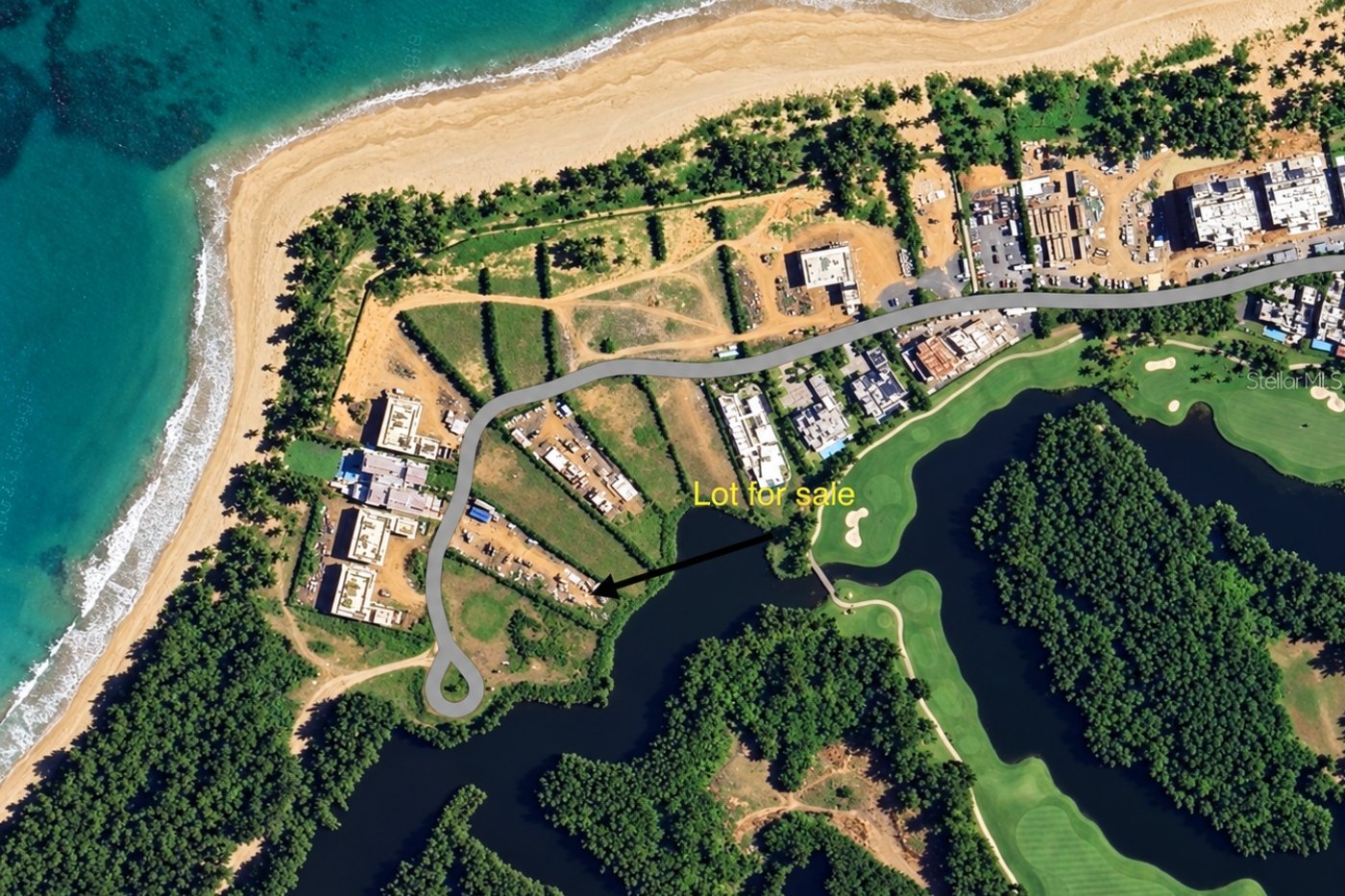
2 PR-187, Río Grande, Puerto Rico
This active 0.98-acre land listing is offered at $4 million inside a gated resort community with lake frontage and beach access. The listing identifies public sewer and available electricity, water, and high-speed internet, but buyers should independently verify capacity and connection requirements.

250 Zoni Playa Larga, Culebra, Puerto Rico
This active oceanfront parcel is listed at $3.2 million with 24.83 acres above Playa Larga. Its listing describes elevated views toward Culebrita and St. Thomas, trade-wind exposure, waterfront status, and land extending toward the beach.
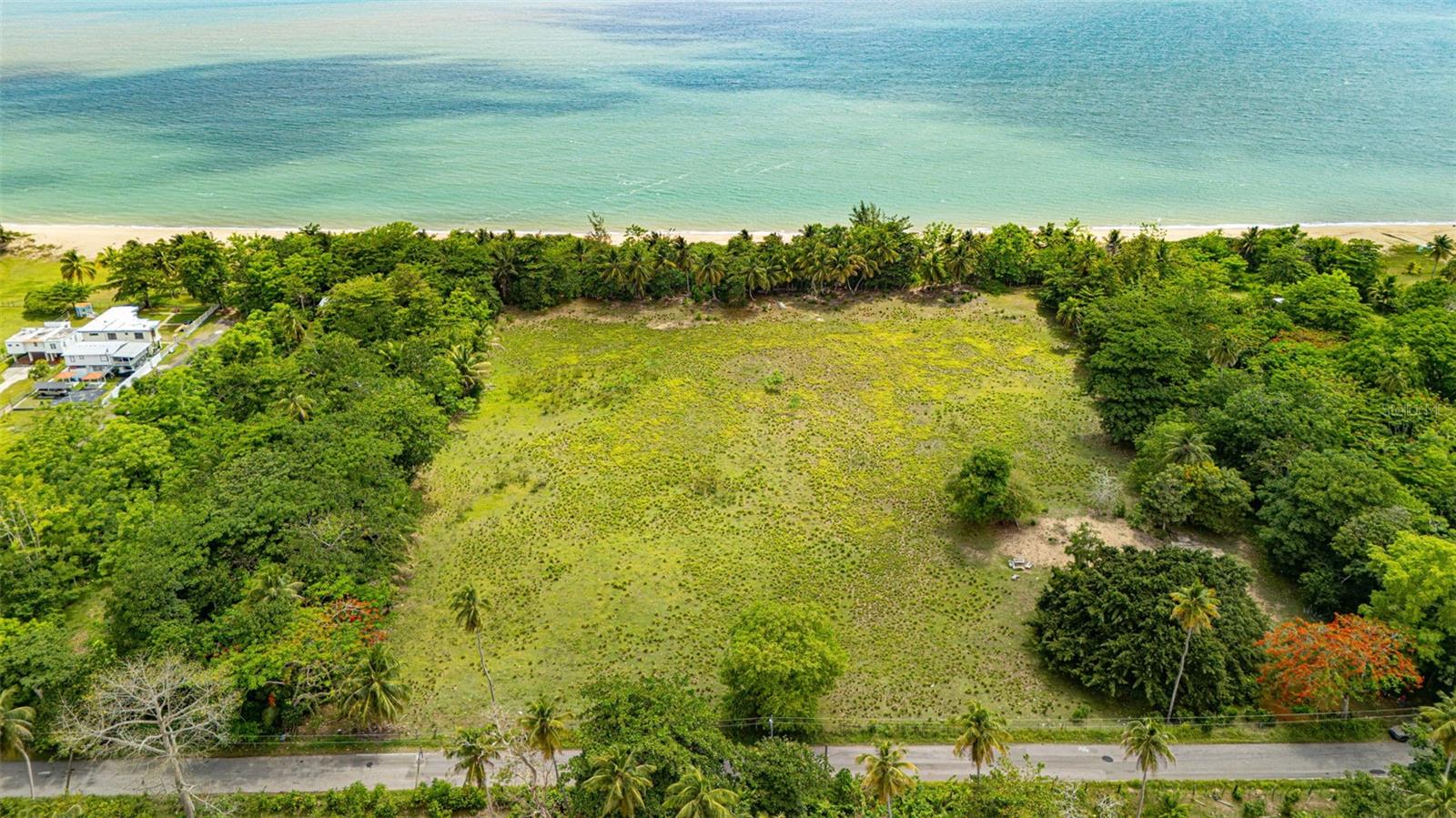
Comm. Playa, Carr. 401 KM HM 1.9, Añasco
This active Barrio Playa listing is offered at $3.9 million with approximately 5.43 acres and reported beachfront frontage. The listing identifies RT-B low-density tourism-residential zoning, but every proposed hospitality or residential use remains subject to parcel-specific approvals and due diligence.
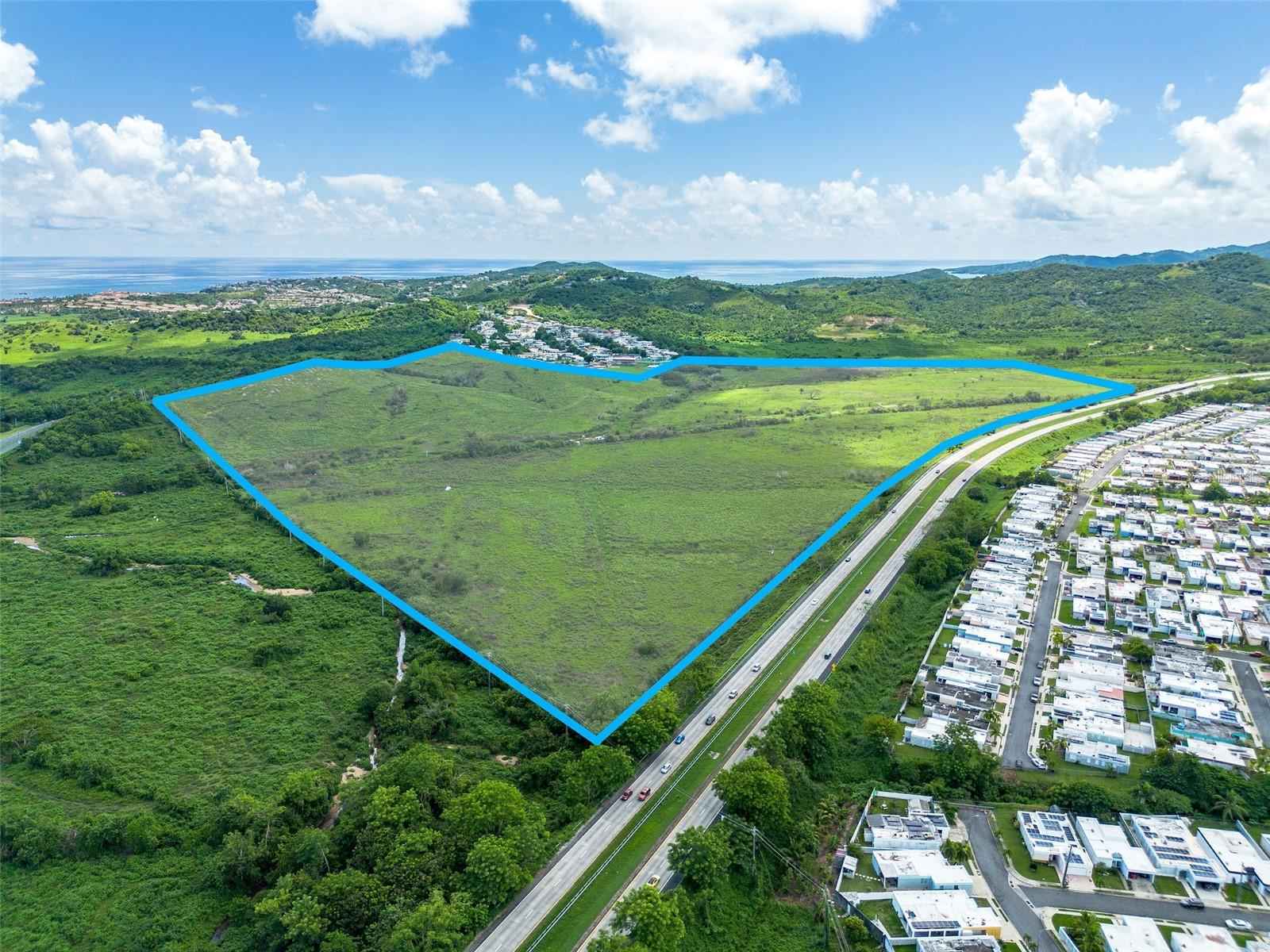
PR-906, Humacao, Puerto Rico
This active 135-acre parcel is offered at $6.8 million near PR-53 and Palmas del Mar. The listing identifies Residential Intermediate zoning and positions the tract for residential development, subject to verification of access, infrastructure, environmental conditions, and approvals.
Conclusion
Coastal land in Puerto Rico can provide design freedom and access to distinctive locations, but buildability must be proven rather than assumed. The strongest purchase decisions connect title, zoning, coastal and flood review, utilities, access, insurance, financing, and construction planning before closing. Buyers should assemble qualified Puerto Rico legal, design, engineering, surveying, environmental, tax, and insurance support appropriate to the parcel and intended project.
Readers looking to buy, sell, or evaluate Puerto Rico luxury properties can rely on Christie’s International Real Estate Puerto Rico for local property guidance. Contact the team to discuss suitable locations and current listings while independent advisers evaluate legal, technical, tax, and financial questions.
FAQs
Can Foreign Buyers Purchase Coastal Land in Puerto Rico?
Foreign buyers can purchase Puerto Rico real estate, but ownership does not provide U.S. immigration status or extend an authorized stay. Cross-border tax, entity, financing, and future-sale consequences should be reviewed before closing.
How Do I Check Whether Coastal Land Is Buildable?
Review title and survey information, zoning and overlays, the maritime-terrestrial zone, flood and environmental conditions, legal access, utilities, and the proposed design with the appropriate Puerto Rico professionals and agencies. No single map or listing statement establishes final buildability.
Does Oceanfront Zoning Guarantee a Construction Permit?
No. Zoning is only one part of the review, and the plans, site conditions, coastal resources, flood requirements, infrastructure, and agency approvals can affect whether and how a project proceeds.
Is Coastal Land Guaranteed to Appreciate?
No. Value can rise or fall based on market conditions, purchase price, buildability, approvals, carrying costs, environmental exposure, infrastructure, and the completed project.
Related Articles
These guides provide additional detail on building decisions, land-use barriers, and beachfront regulations.


