
Puerto Rico's Opportunity Zone landscape has fundamentally changed. OZs are now permanent under federal law, but Puerto Rico no longer enjoys the broad, near island‑wide OZ designation it once held under the original rules. Instead, the island now operates under a capped, redesignation-driven framework that requires investors to verify tract status with precision.
In this article, you will find a clear account of the current, post-reform role that Opportunity Zones play in Puerto Rico's investment ecosystem—what shifted, why it matters, and how it reshapes strategy for fund managers, direct investors, and developers pursuing Puerto Rico luxury real estate.
Key Takeaways
Puerto Rico no longer has blanket Opportunity Zone coverage after 2026.
Investors must verify Opportunity Zone status at the census-tract level.
The new capped framework makes designated tracts more competitive.
Act 60 and OZ benefits can still support strong investment strategies.
Puerto Rico luxury real estate decisions now require tighter compliance planning.
How Puerto Rico's Opportunity Zone Status Has Changed

Image Source: thefilipinochronicle.com
Puerto Rico operated under a uniquely expansive arrangement in which all of its low‑income census tracts were automatically treated as Qualified Opportunity Zones, giving the island near island‑wide OZ coverage. That blanket designation made Puerto Rico an outlier in the federal OZ program, giving investors a level of flexibility that no U.S. state could match.
That era is ending, and the transition carries real consequences for anyone with capital deployed—or planning to deploy—in Puerto Rico real estate.
One Big Beautiful Bill Act
The One Big Beautiful Bill Act drew a clear line. Puerto Rico's blanket OZ status expires on December 31, 2026. After that date, Puerto Rico enters the same decennial, capped redesignation process that applies to other U.S. states and territories, rather than retaining its earlier, broadly applied OZ map.
The Old Blanket Regime
Under the original Tax Cuts and Jobs Act of 2017, federal law deemed every low‑income census tract in Puerto Rico to be a Qualified Opportunity Zone, effectively creating a blanket designation across most of the island. This was a deliberate policy choice, reflecting the island's economic distress following Hurricane Maria and years of fiscal crisis.
Investors could structure a qualified opportunity fund in Puerto Rico and deploy capital almost anywhere on the island with confidence that the OZ benefits apply.
No tract-level verification was required.
Investors could target high-value coastal areas, urban centers, and rural communities alike.
The blanket status made Puerto Rico uniquely attractive compared to mainland OZ markets, where only 25% of eligible tracts received designation.
Fund managers structured deals with broad geographic flexibility, which simplified due diligence considerably.
The New Capped-Tract Framework
New OZ designations for Puerto Rico are now subject to the same 25% cap on eligible census tracts that applies to other U.S. states and territories, including the updated treatment for rural areas under OZ 2.0. The new OZ 2.0 law tightens eligibility by requiring that a tract’s median family income not exceed 70% of the relevant area or state median, and it eliminates the prior contiguous‑tract rule that allowed some non‑distressed areas to qualify indirectly.
New OZ designations occur on July 1, 2026, and every 10-year anniversary thereafter.
The first redesignated zones take effect on January 1, 2027.
Puerto Rico must nominate tracts that meet the income threshold, competing within a capped allocation rather than receiving automatic blanket coverage.
The loss of blanket opportunity zone status means that many tracts currently treated as OZs will no longer qualify after December 31, 2026.
This is a structural shift, not a minor adjustment. The investment math changes when you can no longer assume that a given parcel sits inside a qualifying zone.
How the Permanent Extension Interacts With Puerto Rico's Narrower OZ Map
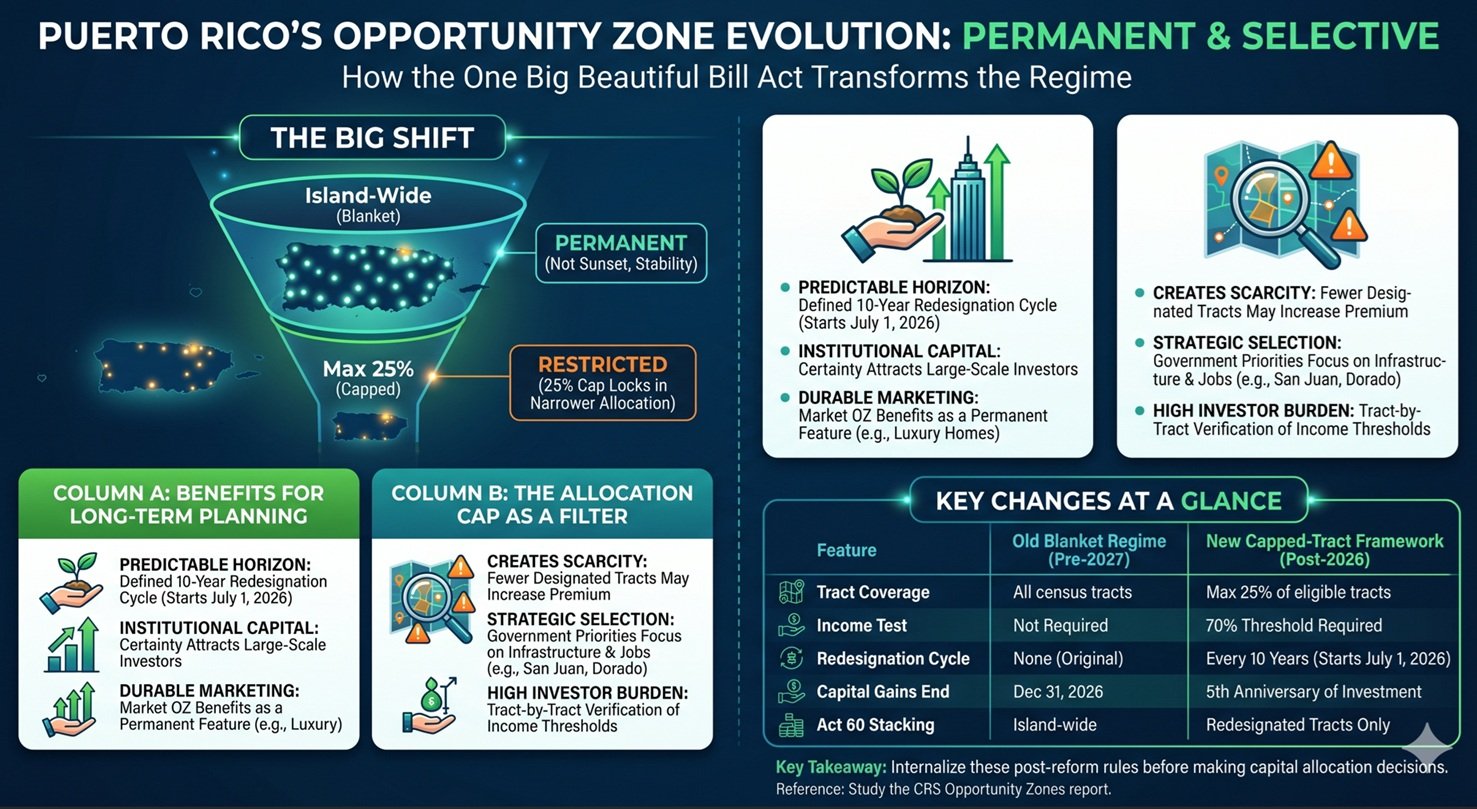
The permanent extension of the OZ regime sounds like good news, and in many respects it is. A 10-year redesignation cycle gives investors and fund managers a predictable planning horizon. But the extension also locks in the new constraints, meaning Puerto Rico's narrower allocation is not a temporary condition—it is the new baseline.
The Puerto Rico opportunity zones extension under the One Big Beautiful Bill Act creates a program that is simultaneously more durable and more restrictive for the island.
What the Permanent Extension Means for Long-Term Planning
A permanent OZ program gives developers and fund managers the ability to underwrite long-term projects without worrying that the program will sunset. That certainty has real value, particularly for large-scale real estate development in Puerto Rico OZs, where project timelines often stretch five to ten years. The 10-year cycle also means that tracts not designated in 2027 have a defined window to make the case for inclusion in the next round.
Fund managers can now structure qualified opportunity fund Puerto Rico vehicles with longer investment horizons.
The permanent status supports institutional capital that requires program certainty before committing.
Developers pursuing Puerto Rico luxury homes in designated tracts can market OZ benefits as a durable feature, not a temporary one.
The redesignation cycle creates a planning calendar that did not exist under the original program.
The Allocation Cap as a Competitive Filter
The 25% cap functions as a competitive filter. Puerto Rico's government must now make deliberate choices about which tracts to nominate, and those choices will reflect economic, political, and development priorities. Tracts with strong development pipelines, existing infrastructure, and clear job-creation potential are likely to receive priority.
Investors should monitor Puerto Rico's official nomination process closely as 2026 approaches.
Tracts in established investment corridors—near San Juan, Dorado, and other high-activity zones—may receive preference.
The cap creates scarcity, which can increase the premium on designated tracts and the properties within them.
New opportunity zone caps in Puerto Rico will likely concentrate OZ activity in fewer, more strategically selected areas.
This table reflects the post-reform Puerto Rico Oz rules and the Puerto Rico Oz redesignation 2026 timeline that every investor and fund manager should internalize before making capital allocation decisions.
Verifying Tract Status: What Investors Must Do Now

Tract-level verification is now a required step in any Puerto Rico OZ investment process, not an optional check.
Step-by-Step Tract Verification Process
Identify the census tract. Use the U.S. Census Bureau's tract locator to confirm the exact census tract number for the property or development site in question.
Check the official OZ designation list. Cross-reference the tract number against the IRS-published list of designated Opportunity Zones. After January 1, 2027, use the updated list reflecting the 2026 outcomes for Puerto Rico OZ redesignation.
Confirm the effective date. A tract nominated on July 1, 2026, becomes effective January 1, 2027. Capital deployed before that date into a tract that loses OZ status may not qualify under the new rules.
Review the income qualification. Confirm that the tract meets the 70% median-family-income test under the federal opportunity zone law changes introduced by the One Big Beautiful Bill Act.
Consult qualified legal and tax counsel. Given the complexity of the transition, engage advisors familiar with both federal OZ rules and Puerto Rico's local tax framework before closing any transaction.
Why This Matters for Fund Managers
Fund managers operating qualified opportunity fund Puerto Rico vehicles face a specific challenge: they must ensure that every investment made after December 31, 2026, falls within a confirmed, redesignated tract. Investments made in tracts that lose OZ status will not satisfy the QOF's qualified opportunity zone business property requirements, potentially disqualifying the fund.
Existing investments made under the OZ 1.0 framework may continue to benefit from transitional rules after 2026, depending on their timing and structure, but investors should confirm the details with qualified tax counsel.
New capital raises should clearly disclose the tract verification requirement to investors.
Fund documents may need to be updated to reflect the post-reform Puerto Rico Oz rules and the narrower geographic scope
How This Reshapes OZ and Act 60 Investment Strategies in Puerto Rico

The interaction between federal OZ benefits and Puerto Rico's Act 60 incentives has always been one of the island's most compelling investment structures. That stacking opportunity still exists, but the new framework changes where and how it applies. Investors who previously relied on blanket OZ coverage to layer benefits across a wide range of properties now need to be more selective.
The era of broad geographic arbitrage under Puerto Rico OZs is effectively over. What replaces it is a more targeted, tract-specific approach that rewards careful site selection and deeper due diligence.
Stacking OZ Benefits With Act 60
Puerto Rico’s incentives code (Act 60 and the Opportunity Zones Development Act) allows qualifying OZ projects to claim a transferable investment tax credit of up to 25% of eligible cash contributions to a local qualified opportunity fund, in addition to local tax and municipal relief. These benefits can stack with federal OZ incentives, including long-term capital gains deferral, to create a combined incentive structure that remains among the most favorable in the U.S. market.
The 25% transferable tax credit under Act 60 applies to QOF investments in Puerto Rico, regardless of the federal OZ changes.
Federal long-term capital gains deferral in Puerto Rico now ends at the earlier of sale or the fifth anniversary of the investment date under the revised rules.
Investors combining opportunity zones and Act 60 must confirm that the target property sits within a redesignated tract to access both benefit layers simultaneously.
The narrower OZ map may actually strengthen the Act 60 stacking argument in designated tracts, as those areas will attract concentrated capital and development activity.
Implications for Real Estate Development and Luxury Property Markets
The shift toward targeted OZ designations has a direct effect on real estate development in Puerto Rico OZs and on the broader Puerto Rico luxury real estate market. Developers who previously had the flexibility to select sites across the island must now anchor their projects to confirmed designated tracts.
Puerto Rico luxury properties located within redesignated tracts will carry a premium tied to their OZ status.
Developers pursuing luxury properties in Puerto Rico outside designated tracts will need to rely on Act 60 and other local incentives rather than federal OZ benefits.
The concentration of OZ capital in fewer tracts may accelerate development in those areas, increasing competition for land and potentially driving up acquisition costs.
Investors targeting Puerto Rico luxury homes in OZ-designated areas should move with urgency as the redesignation process unfolds.
Strategic Shifts for Direct Investors
Direct investors—those not operating through a formal QOF structure—face a different but related set of considerations. The blanket regime made it relatively straightforward to invest directly in Puerto Rico real estate and claim OZ-adjacent benefits through a fund structure. The capped framework demands more precision.
Direct investors should prioritize tracts with strong nomination prospects before the July 1, 2026, redesignation deadline.
Properties in areas with existing development momentum—near established infrastructure, employment centers, or tourism corridors—are more likely to fall within redesignated tracts.
Investors should treat the redesignation process as a market signal: tracts that receive designation will likely see increased demand and valuation pressure in the years following January 1, 2027.
The federal opportunity zone law changes also introduce new reporting and compliance requirements that direct investors should review with qualified advisors.
What Stays the Same and What Remains Uncertain

Image Source: christiesrealestatepr.com (Guaynabo neighborhood guide)
Not everything in the OZ framework changed. The core structure of capital gains deferral, basis step-up, and exclusion of post-investment gains remains intact. The permanent extension preserves these benefits for the long term, and Puerto Rico's Act 60 framework continues to offer compelling local incentives independent of federal OZ status.
What remains genuinely uncertain is which specific tracts Puerto Rico will nominate and whether the nomination process will prioritize economic need, development potential, or some combination of both.
The 70% median-family-income test will exclude many of the island's more affluent tracts, which may have previously benefited from blanket coverage.
Tracts in economically distressed areas are likely to receive priority, which may redirect OZ capital away from premium coastal markets.
The elimination of the contiguous-tract rule means that buffer zones around high-activity development areas will no longer receive automatic inclusion.
Investors with existing positions in current OZ tracts should model scenarios where those tracts lose designation after December 31, 2026, and assess the impact on projected returns.
Featured Properties and Houses for Sale
Opportunity Zones have created significant prospects for luxury home and real estate buyers. However, finding the best properties can be a daunting task. At Christie's International Real Estate Puerto Rico, we simplify this process by curating a selection of premier properties tailored to your preferences and interests. Explore our listings to discover your dream home in the most sought-after locations.
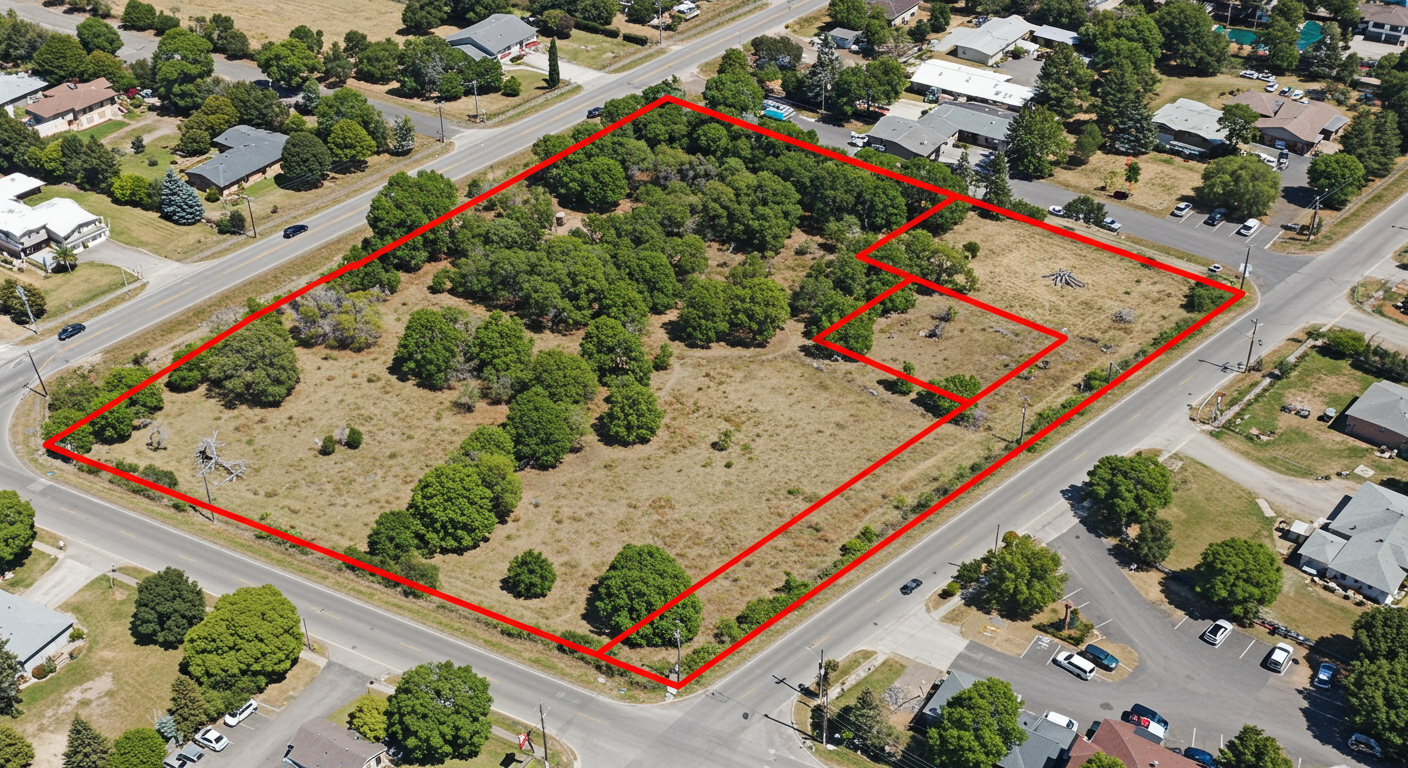
LOT 8 VILLA DORADO ESTATES
Embrace unparalleled luxury at Lot 8 Villa Dorado Estates in the Dorado Beach Ritz Reserve, a six-star resort and the only one of its kind in the Western Hemisphere. This 0.99-acre lot offers spectacular water views, proximity to pristine beaches, and exclusive amenities, presenting a unique opportunity to build a dream home in a highly desired location.

3307 Ave Isla Verde Unit: PH, Carolina, PR 00979, Puerto Rico
This lavishly furnished beachfront penthouse offers panoramic ocean, lagoon, and city views, expansive terraces, a gourmet kitchen, wine cellar, five private parking spaces, and convenient access to San Juan’s airport, dining, and entertainment.

PR-7722 KM 4.2 Calle Heraclio Colon, Cayey, PR 00736, Puerto Rico
This secluded 100-plus-acre Cayey mountain estate offers two residences, panoramic views, extensive infrastructure, versatile zoning, and exceptional equestrian, agricultural, and retreat potential.
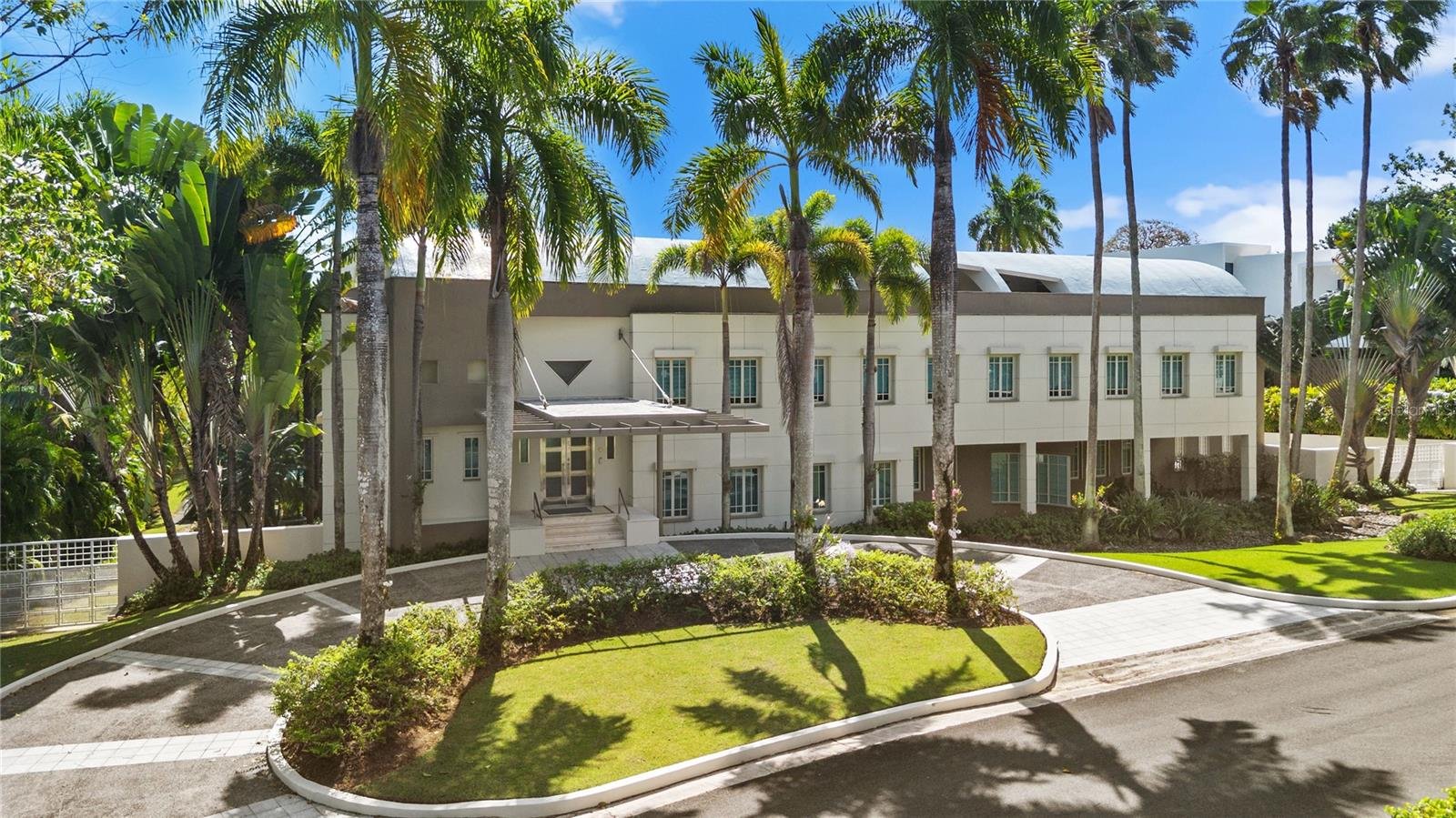
9 CASTAÑA ST GUAYNABO PR, 00968
Expansive 7-bedroom San Patricio estate on 1.2 acres with over 10,000 sq. ft., resort-style amenities, gym, backup systems, and easy access to Condado and Dorado.
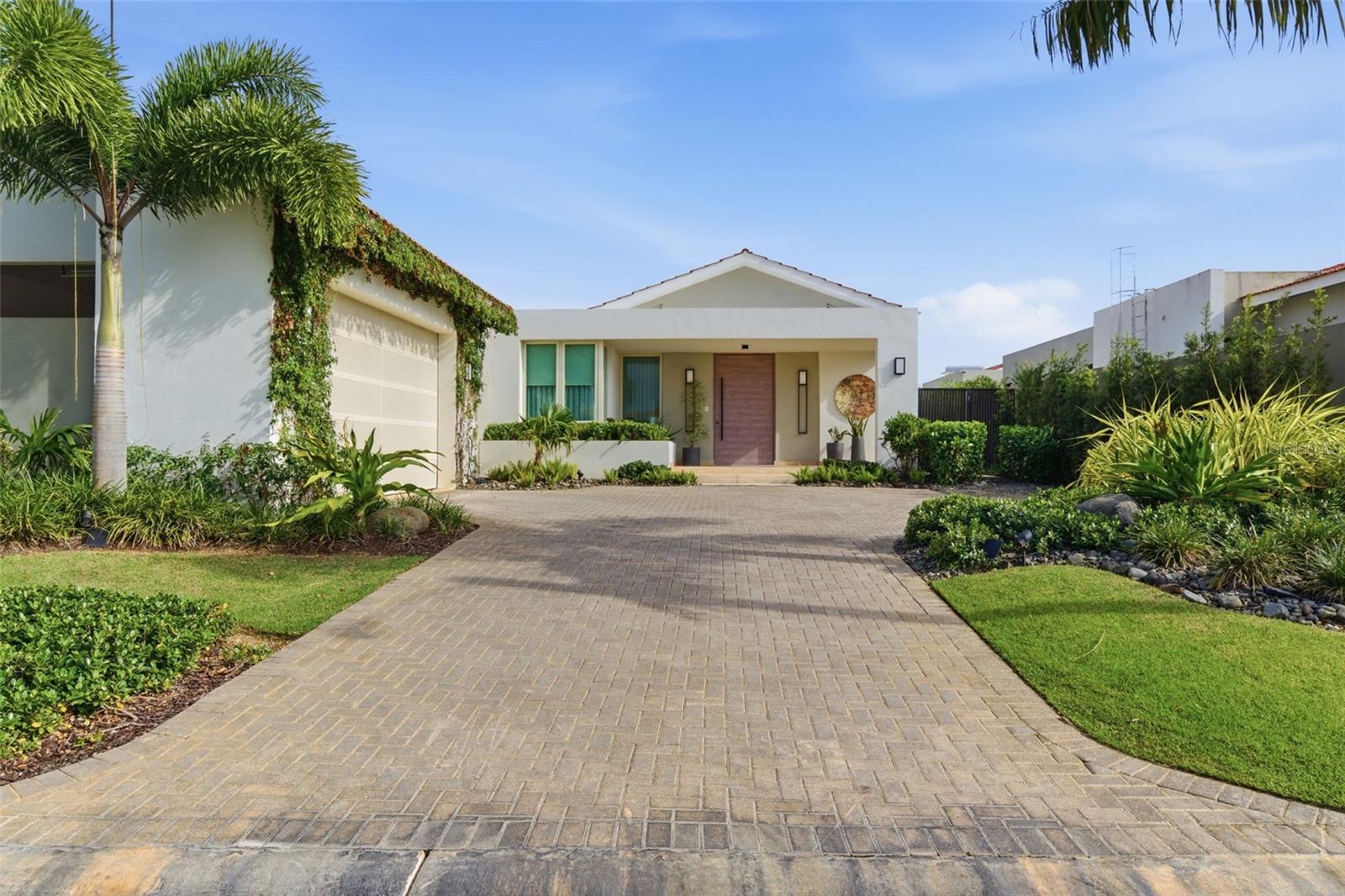
934 ISLA NORTE DORADO PR, 00646
Modern 4-bedroom Sabanera Dorado home built in 2023 with 5,100 sq. ft., private pool, furnished interiors, lush views, and access to top community amenities.
Conclusion
Designating Puerto Rico as the largest Opportunity Zone in the United States under the Tax Cuts and Jobs Act of 2017 has significant implications for the luxury real estate market. The tax incentives and potential for economic development present lucrative opportunities for investors. However, weighing the benefits against the risks is crucial to determine whether investments in ready-made luxury homes or undeveloped land better align with individual investment goals and strategies.
Discover unparalleled luxury and investment potential with Christie's International Real Estate Puerto Rico. Whether you're looking to buy, sell, or rent out your property, our expert team provides personalized service and exceptional opportunities. Visit us today to explore our exclusive listings and start your journey toward a rewarding real estate experience.
FAQs
How do you know if you are in an Opportunity Zone?
To determine if you are in an Opportunity Zone, use the Opportunity Zone Map provided by the U.S. Department of the Treasury or other certified tools. These maps let you enter an address or view a geographic area to see whether it falls within a designated Opportunity Zone. Local government websites and economic development agencies also often provide resources and information on Opportunity Zone locations.
What is Act 60 in Puerto Rico, and how is it related to Opportunity Zones?
Act 60, also known as the Puerto Rico Incentives Code, consolidates various tax incentives to promote economic development on the island. It includes benefits for individuals and businesses in manufacturing, tourism, and real estate. While Act 60 and Opportunity Zones (OZs) are separate initiatives, they can complement each other. Investors can combine Act 60 tax incentives with the federal tax benefits of Opportunity Zones to maximize their financial advantage when investing in Puerto Rico.
Why invest in Puerto Rico?
Investing in Puerto Rico presents unique opportunities, thanks to its designation as the largest Opportunity Zone in the United States, which offers substantial tax incentives. The island's diverse investment opportunities span luxury real estate, tourism, technology, and manufacturing. Puerto Rico's strategic location, natural beauty, and favorable tax laws, including those under Act 60, make it an attractive destination for investors seeking financial growth and a high quality of life.