
Moving to Puerto Rico appeals to people seeking a U.S. jurisdiction with a Caribbean setting, year-round outdoor living, and established residential communities. Palmas del Mar, in Humacao, is often considered by relocating professionals, families, retirees, and remote workers because it combines homes, recreation, community services, and coastal access within one large planned development.
This 2026 guide explains why people consider living in Puerto Rico, what Palmas del Mar offers, and which financial, legal, infrastructure, and property questions to resolve before moving.
Key Takeaways
- U.S. citizens can move to Puerto Rico without a visa, but tax residency and incentive eligibility involve separate legal tests.
- Palmas del Mar offers a planned-community setting with golf, a marina, athletic facilities, beaches, restaurants, and varied housing.
- Amenities may require memberships, fees, or separate access arrangements that buyers should confirm.
- Property due diligence should cover title, permits, community rules, insurance, drainage, backup utilities, and total ownership costs.
- Act 60 is not automatic, and moving to Puerto Rico does not by itself determine how every category of income will be taxed.
Why People Move to Puerto Rico

For U.S. citizens, Puerto Rico offers domestic relocation without an immigration or work-visa process. Residents use the U.S. dollar, and many federal systems continue to apply, although Puerto Rico has its own tax agencies, property law procedures, permitting systems, and local government requirements.
Why are people moving to Puerto Rico? Common reasons include climate, proximity to beaches, cultural ties, remote-work flexibility, family considerations, and access to communities with established amenities. Tax incentives may be relevant for some households, but they should be evaluated only after lifestyle, employment, healthcare, schooling, and housing needs.
Why Expats Choose Palmas del Mar
Palmas del Mar is a large planned residential and resort community on Puerto Rico's southeast coast. Its neighborhoods include condominiums, villas, detached homes, golf-area properties, and waterfront residences, giving newcomers more housing formats than a single resort building or subdivision.
Community Layout and Daily Convenience
Residents can access restaurants, recreation, professional services, and community facilities without traveling to San Juan for every routine need. Exact services change over time, so buyers should verify current hours, providers, membership terms, and the driving distance from a specific neighborhood.
Palmas del Mar is part of Humacao rather than the San Juan metro area. Anyone who expects to commute frequently should test the route at relevant times instead of relying on an advertised drive time.
Golf, Marina, Beaches, and Recreation
The community is known for golf, marina access, beaches, trails, equestrian and athletic facilities, and organized recreation. Access is not necessarily included with every property. Confirm whether a home includes transferable memberships, what initiation or recurring fees apply, and whether facilities are operated independently from the homeowners association.
Community Rules and Security
Palmas del Mar includes controlled-access areas and community security services, but no community can guarantee personal safety. Review current procedures, emergency access, visitor policies, and neighborhood-specific rules.
The Palmas del Mar Homeowners Association publishes governing and design documents. Buyers planning additions or renovations should review the current rules and obtain written guidance before assuming a project will be approved.
Act 60 and Puerto Rico Tax Residency

Puerto Rico tax incentives are frequently mentioned in relocation discussions, but property ownership in Palmas del Mar does not create eligibility. Act 60 contains multiple programs with different requirements, application procedures, compliance obligations, and rules for particular income.
Bona Fide Residence Is More Than a Day Count
The IRS Publication 570 explains that bona fide Puerto Rico residence generally requires meeting a presence test, having no tax home outside Puerto Rico, and having no closer connection to the United States or a foreign country than to Puerto Rico. The presence test includes alternatives and exceptions, so “183 days” should not be treated as the only possible rule.
Income sourcing also matters. Moving does not automatically convert gains that accrued before relocation or income earned from services performed elsewhere into Puerto Rico-source income. Prospective applicants should obtain individualized advice from qualified Puerto Rico and U.S. tax professionals before moving or changing investments.
Do Not Base the Move on a Savings Table
The prior article included fixed tax-savings examples and universal rate comparisons. Those figures have been removed because results depend on decree terms, income source, timing, residency, entity structure, federal rules, and ongoing compliance.
Living in Palmas del Mar: Practical Considerations

Utilities and Remote Work
Internet, electricity, water, cellular coverage, and backup systems can vary by property and neighborhood. Remote workers should request a recent speed test for the exact address and verify generator, battery, solar, cistern, and maintenance arrangements.
Ask whether backup systems serve the individual property, a condominium building, or shared community infrastructure. Confirm fuel storage, transfer switches, service contracts, battery capacity, and which loads remain powered during an outage.
Healthcare
Availability, insurance participation, appointment access, and specialty care should be checked directly with providers. Buyers with ongoing medical needs should identify suitable local services and test the travel time to preferred hospitals before choosing a property.
Schools and Family Logistics
Families should verify current admissions, grade levels, transportation, tuition, calendars, and language programs with each school. Childcare, extracurricular activities, and commuting needs can be as important as the home's size or view.
Hurricane, Flood, and Insurance Planning
Coastal living requires property-specific review of wind and flood exposure, drainage, shutters or impact glazing, roof condition, elevation, insurance, and emergency plans. Community gates and amenities do not replace inspections or insurance analysis.
Buying or Renting Before You Move

Consider a Trial Rental
Renting first can help a household compare neighborhoods, commute patterns, amenity use, noise, exposure, and daily routines before buying. Confirm lease terms, utility responsibilities, parking, pet rules, club access, and hurricane-season procedures.
Property Due Diligence
A Puerto Rico purchase should include review by appropriate local professionals. Buyers should verify title, boundaries, recorded easements, permits, tax status, homeowners association obligations, insurance, assessments, and the condition of structural and backup systems.
Request current budgets, financial statements, meeting minutes, rules, insurance information, and assessment history for any condominium or association. Renovation plans should be checked against both government permits and community design controls.
Calculate the Full Cost of Ownership
Compare purchase price or rent together with association dues, club memberships, insurance, utilities, maintenance, landscaping, pest control, backup-power servicing, and travel costs. Unsupported mainland-versus-Palmas percentage tables have been removed because they cannot represent every household or property.
Community Life and Integration

Clubs, sports, schools, volunteer activities, restaurants, and neighborhood associations can help newcomers build routines. Integration also means engaging with Puerto Rico beyond a gated community, learning local customs, supporting local businesses, and using Spanish where practical.
Descriptions such as “expat community” can obscure the fact that Palmas del Mar includes Puerto Rican residents, mainland transplants, international owners, renters, and seasonal visitors. New residents should evaluate whether that mix fits their preferred lifestyle.
Palmas del Mar Puerto Rico Luxury Properties for Sale
Christie’s International Real Estate Puerto Rico maintains a current search for Palmas del Mar and Humacao luxury real estate. The property examples below preserve the article's original conversion section; status, pricing, features, and availability should be confirmed on the individual listing page.
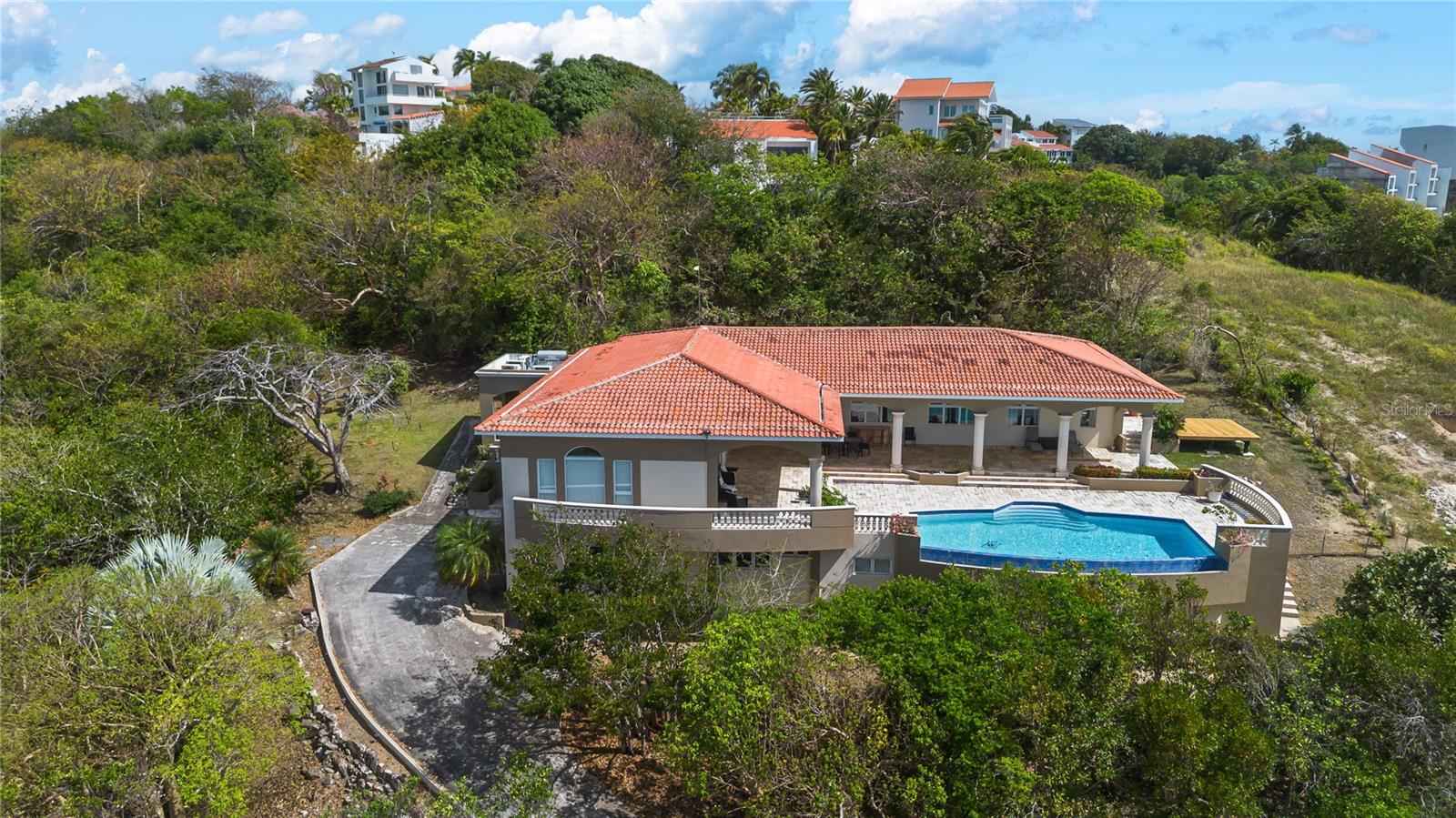
9 Shell Castle, Humacao
This five-bedroom villa offers indoor-outdoor living, an infinity pool, privacy, and views toward the Caribbean Sea and Vieques.
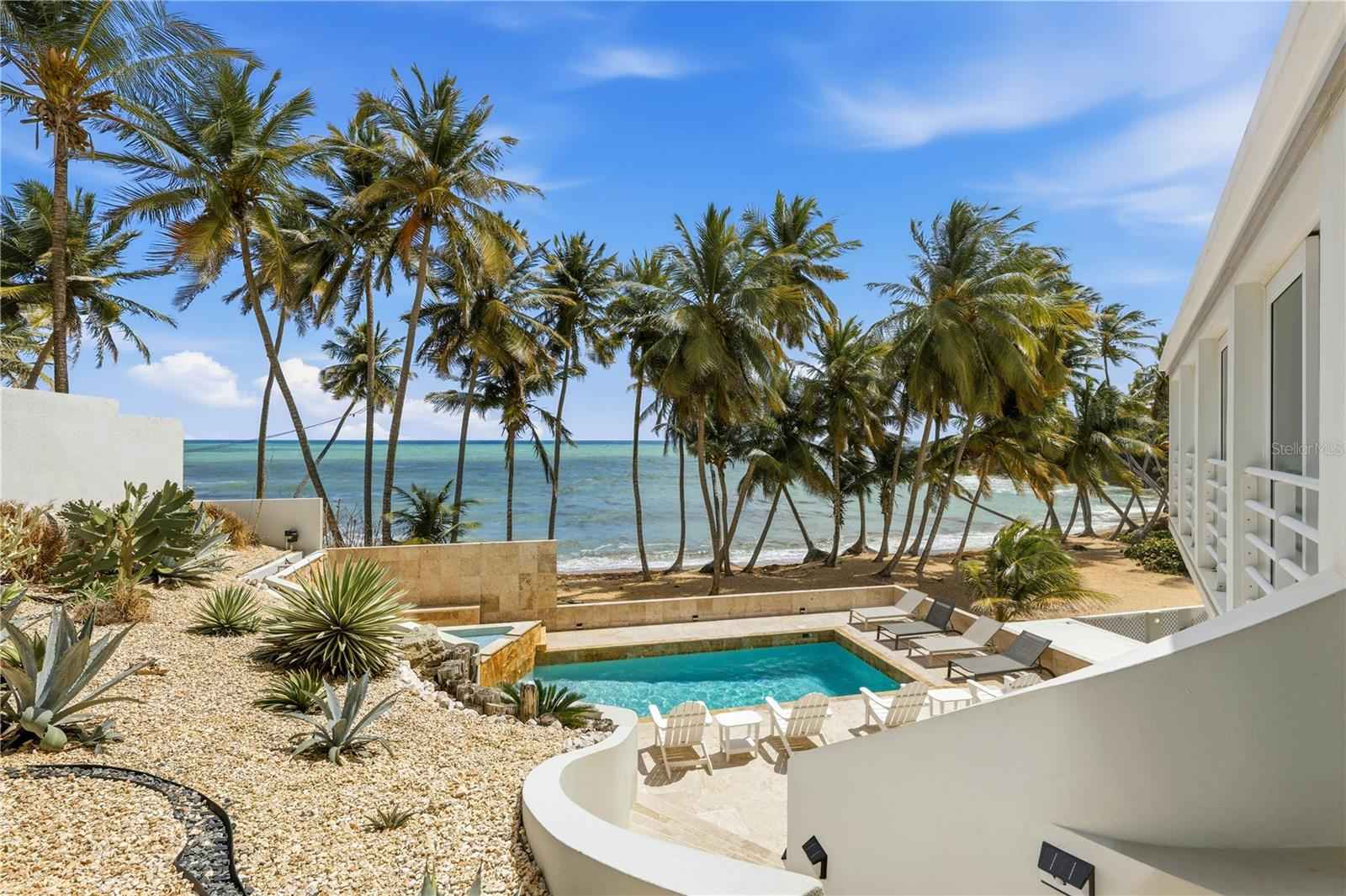
32 Shell Castle, Humacao
This contemporary residence includes five bedrooms, terraces, a pool, solar panels, battery backup, and wide sea views.

23 Harbour Lights Drive, Humacao
This five-bedroom estate includes water views, a guest suite, fitness space, a pickleball court, and large indoor-outdoor living areas.

22 Roble Valley, Palmas del Mar
This six-bedroom residence offers private bedroom suites, modern gathering spaces, greenbelt views, and access to the broader Palmas del Mar community.
Conclusion
Palmas del Mar combines varied housing, recreation, community services, and coastal living within one planned development. A successful move depends on matching a specific neighborhood and property with work, family, healthcare, financial, and infrastructure needs. Tax incentives, amenities, and ownership costs should all be independently verified before committing.
Christie’s International Real Estate Puerto Rico can help buyers compare luxury homes in Palmas del Mar and elsewhere on the island. The brokerage also assists owners preparing to sell distinctive Puerto Rico property. Contact the team for professional guidance when buying, selling, or renting luxury property in Puerto Rico.
FAQs
Can U.S. citizens move to Puerto Rico without a visa?
Yes. U.S. citizens can relocate to Puerto Rico without a visa or work permit, although tax, licensing, property, and registration requirements may still apply.
Why do expats choose Palmas del Mar?
People consider Palmas del Mar for its range of homes, controlled-access neighborhoods, recreation, marina, golf, beaches, restaurants, schools, and community services. Availability and access vary by property and membership.
Does buying a home qualify someone for Act 60?
No. Property ownership alone does not establish bona fide Puerto Rico residence or eligibility for an Act 60 decree. Applicants need individualized legal and tax advice.
Should newcomers rent before buying in Palmas del Mar?
A trial rental can help compare neighborhoods, commutes, amenities, utility performance, and daily routines. Buyers who already know the community can proceed with property-specific inspections and legal review.
What should buyers review before purchasing?
Review title, permits, boundaries, association documents, assessments, insurance, drainage, wind and flood exposure, utilities, backup systems, memberships, and total ownership costs.