
Before buying a Puerto Rico luxury condo, request nine core records: the master deed and amendments; bylaws and current rules; certified unit plans and appurtenance records; audited financials, the current budget and the unit debt certification; reserve information; special-assessment history; the association’s master insurance documents; board and owners’ meeting minutes; and written litigation and claims disclosures. Together, they show what the unit legally includes, how the condominium is governed, whether the association can meet its obligations and which costs or restrictions may affect the purchase.
This guide explains what to verify in each file and when a finding should be referred to a Puerto Rico attorney, notary, insurance professional, engineer or lender.
Key Takeaways
The master deed and recorded amendments define the unit, its percentage interest and the rights attached to parking, storage, terraces and other spaces.
Bylaws and current rules can affect rentals, pets, renovations, guests and the use of shared amenities.
Financial statements, budgets, reserves and assessment history should be read together to understand the building’s operating and capital needs.
Insurance review must address covered property, exclusions, limits, deductibles and how the master policy interacts with unit-owner coverage.
Minutes and litigation disclosures can reveal projects, disputes and claims that are not apparent during a showing.
Request All Nine Documents Before the Review Deadline

Ask for the complete package as soon as the purchase agreement permits and preserve enough time for professional review. The buyer’s contractual rights and deadlines depend on the signed agreement, so avoid assuming that a standard cancellation or renegotiation period applies. Puerto Rico’sCondominium Act, Law 129-2020, and theDepartment of Consumer Affairs condominium regulations provide the governing framework, but counsel should explain how they apply to the specific property and transaction.
Organize the review around four questions: What does the buyer own? What may the owner do? What obligations and risks already exist? What costs are reasonably foreseeable? Christie’s guide tocash and financed offers in Puerto Rico likewise recommends completing property-specific and condominium review before weakening contractual protections.
1. The Master Deed and Amendments Define the Property

The master deed, or escritura matriz, establishes the condominium regime and describes the units and common elements. Review the unit description, percentage interest, limited common elements and all recorded amendments; then compare them with the listing, survey or plans and the condition observed during inspection.
Do not assume that a terrace, rooftop area, cabana, parking stall or storage room belongs exclusively to the apartment because it appears in marketing materials. Have the closing professionals verify the recorded title and related rights through Puerto Rico’sProperty Registry, and resolve any inconsistency before closing.
Questions to Answer
Does the legal description match the unit being sold?
Which elements are private, common or limited common elements?
What percentage interest and voting rights attach to the unit?
Do recorded amendments change use rights or ownership boundaries?
2. Bylaws and Current Rules Control Everyday Use
The bylaws and current house rules explain how the condominium operates. Review restrictions affecting leasing and short-term rentals, pets, guests, noise, renovations, deliveries, amenities, vehicles and the use of balconies or terraces.
Ask whether the association has adopted amendments or separate policies that do not appear in the original bylaws. If rental income or a major renovation matters to the purchase, obtain written confirmation of the current rule and enforcement practice instead of relying on a verbal summary.
3. Certified Plans and Appurtenance Records Confirm Parking and Storage
Request the certified unit plan and documentation for every parking space, storage area or other appurtenance represented as part of the sale. The objective is to confirm location, dimensions and legal status—not merely which space the seller currently uses.
Compare the documents with the physical unit and identify enclosed balconies, combined rooms, relocated walls or other alterations that may require permits or condominium approval. A qualified attorney, notary, architect or engineer should evaluate mismatches and determine what additional records are necessary.
4. Audited Financials, the Budget and Unit Debt Certification Show Current Obligations

Read recent audited financial statements together with the current operating budget. Look for recurring deficits, material receivables, unusual transfers, unpaid obligations and major year-over-year changes in insurance, utilities, payroll, repairs or professional fees.
Request the association’s certification of amounts owed for the specific unit and have the closing team confirm how arrears and other balances will be handled. Condo dues are ordinarily separate from the mortgage payment, so the Consumer Financial Protection Bureau advises buyers to include them in affordability planning. Christie’s overview of Puerto Rico luxury closing costs also explains why association charges and due-diligence expenses must be considered apart from the purchase price.
5. Reserve Information Tests the Capital Plan
Obtain the latest reserve study if one exists, along with the current reserve balance and any schedule of anticipated capital work. Compare projected repairs for roofs, façades, elevators, generators, water systems, pools and other shared assets with the money actually available.
A reserve figure has little meaning without context. Ask when the underlying study was prepared, what assumptions it uses, which projects have already been completed and whether the board plans to fund a gap through higher dues, financing or a special assessment.
6. Special-Assessment History Reveals Nonrecurring Costs
Request a history of approved and proposed special assessments, including amounts, purposes, payment schedules and the balance associated with the unit. Confirm whether the purchase agreement assigns unpaid installments to the seller or buyer and whether another assessment is under discussion.
Read assessment history beside the minutes and reserve information. Repeated assessments may indicate large projects, insufficient funding or a deliberate choice to keep regular dues lower, and the implications depend on the building’s full financial picture.
7. Master Insurance Documents Define Association Coverage

Ask for the current master policy declarations, certificate, endorsements and deductible information—not only a one-page certificate. A licensed insurance professional should explain covered property, exclusions, valuation basis, wind or named-storm terms, flood coverage and how a loss or deductible may be allocated among owners.
FEMA’s Residential Condominium Building Association Policy form shows that condominium flood coverage has its own conditions, limits and exclusions. The association’s policy does not eliminate the need to evaluate unit-owner coverage, personal property, improvements, loss assessment exposure and other gaps for the specific unit.
8. Board and Owners’ Meeting Minutes Reveal Decisions in Progress
Review recent board and owners’ meeting minutes for recurring discussions about repairs, engineering reports, insurance renewals, delinquency, rule changes, contracts, assessments and disputes. One reference may be routine, while the same issue appearing repeatedly can signal an unresolved project or rising cost.
Ask for the period that is reasonably available and relevant to the purchase rather than assuming a fixed number of months is always sufficient. Cross-check important entries against budgets, contracts, notices, reports and subsequent minutes so that an early proposal is not mistaken for a final decision.
9. Litigation and Claims Disclosures Identify Legal and Financing Risk
Request a written disclosure of active or threatened litigation, administrative matters, insurance claims and significant disputes involving the association. Determine the nature of each matter, available insurance, legal expenses, potential exposure and whether the issue may affect financing, insurability, repairs or resale.
Do not infer the outcome of a claim from a short description. Association counsel, the buyer’s attorney, the lender and the insurer may need different documents before they can assess the risk.
Turn the Documents Into an Offer Decision
Create a short issue list that identifies the supporting document, the unanswered question, the responsible adviser and the applicable contract deadline. Separate conditions that require clarification from conditions that justify a price adjustment, seller cure, escrow arrangement, additional contingency or withdrawal under the contract.
The same discipline applies when comparing buildings. Christie’s luxury-condo buyer guide highlights association finances, reserve funding and use restrictions, while Puerto Rico Plus’s comparison of Dorado and Condado luxury living shows why condominium obligations and carrying costs vary by community and property type.
Puerto Rico Luxury Properties for Sale: Four Current Condos
These four current condominium listings illustrate why document review must be property-specific. Each building has its own master deed, rules, financial position and insurance structure, even when two properties share the same coastal market. Review these luxury properties for sale as examples, then verify availability, price and every material listing fact before relying on them.

3307 Ave Isla Verde Unit: PH, Carolina, PR 00979
For Sale
This Isla Verde penthouse is listed with five bedrooms, six bathrooms and approximately 6,149 square feet. Its terraces and beachfront setting make the deed, appurtenance, insurance and assessment records especially important to verify.

1 Calle San Geronimo Unit: 319, San Juan, PR 00907
For Sale
This condominium residence is listed with one bedroom, one bathroom and approximately 710 square feet. Buyers should confirm the current dues, unit debt certification, rental rules and rights associated with any advertised amenities.

500 Ocean Drive #553, Humacao, PR 00791
For Sale
This Palmas del Mar condominium is listed with four bedrooms, four bathrooms and approximately 2,650 square feet. Its coastal, resort-community setting makes association rules, insurance, reserves and capital plans central to the review.
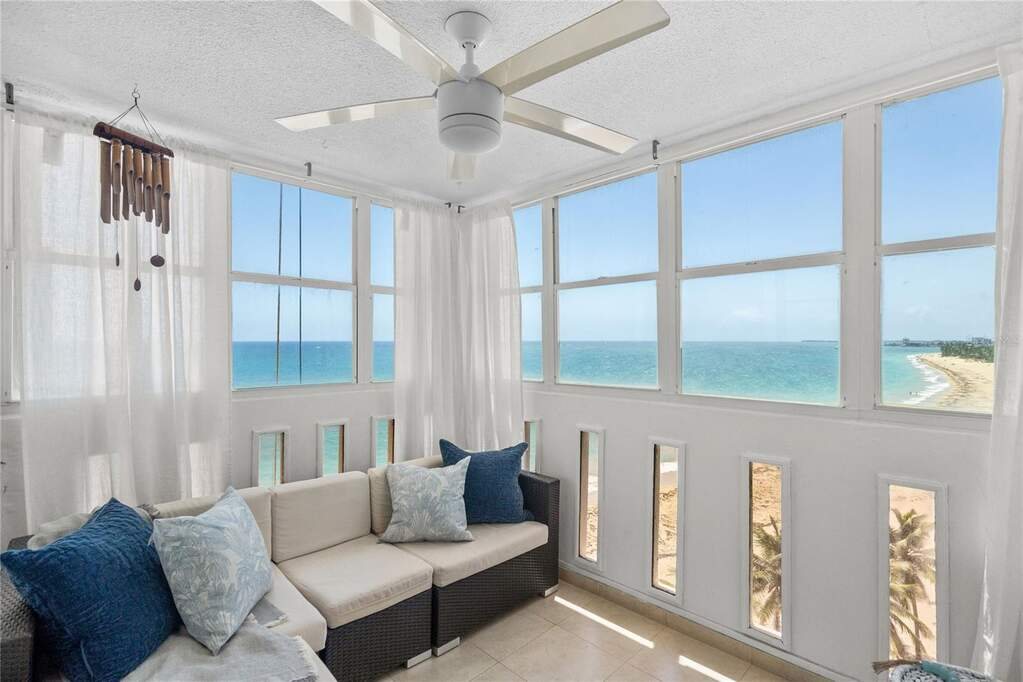
1479 Avenida Ashford Unit: 802, San Juan, PR 00907
For Sale
This Ashford Avenue condominium is listed with one bedroom, one bathroom and approximately 644 square feet. Buyers should verify the unit’s ownership records, building rules, current budget, assessments and insurance before making an offer.
Conclusion
Nine-document review turns a view-driven purchase into a decision based on legal rights, financial condition, insurance and governance. The documents should be evaluated together because a manageable concern in one file can become material when paired with weak reserves, an assessment or litigation. A Puerto Rico attorney, notary, insurance professional and other qualified advisers should interpret issues for the specific transaction.
Explore current luxury properties in Puerto Rico when you are ready to compare buildings and communities. Ask Christie’s International Real Estate Puerto Rico to coordinate property-specific questions and current listing information. Contact the team before your contract deadlines begin.
FAQs
When should a buyer request the condominium documents?
Request them as soon as the signed agreement allows and leave enough time for legal, financial and insurance review. The contract controls the buyer’s deadlines and remedies, so obtain transaction-specific advice rather than relying on a standard timetable.
Can the listing agent summarize the documents for the buyer?
An agent can help obtain and organize records but should not replace legal, accounting, engineering or insurance advice. Material provisions and risks should be interpreted by qualified professionals working for the buyer.
What should happen if the documents reveal a serious issue?
Document the issue, request the supporting records and determine which contract provision applies. Depending on the facts and the agreement, the buyer’s advisers may recommend clarification, further investigation, a negotiated cure or credit, a change in terms, or use of an available cancellation right.