
Updated September 2026
Can US Citizens Buy Property in Puerto Rico?
Yes. U.S. citizens can buy property in Puerto Rico, and they do not need a visa to move there. The purchase follows Puerto Rico’s local civil-law, notarial, and property-registration framework. Owning a home, qualifying for a mortgage, establishing tax residency, and receiving Act 60 benefits are separate matters.
For non-U.S. citizens, buying property does not grant immigration status. This guide explains the practical questions to resolve before a purchase: title and closing documents, financing, property taxes in Puerto Rico, land use, insurance, utilities, and relocation requirements.
Key Takeaways
- Foreigners buying property in Puerto Rico face unique legal, regulatory, and financial challenges due to differences from their home countries.
- Engaging local real estate professionals and requesting reliable translations or bilingual explanations when needed can help buyers understand transaction documents.
- Adequate property insurance and an understanding of local infrastructure reliability are essential for protecting real estate investments in Puerto Rico.
- Property ownership does not grant immigration status; non-U.S. citizens should review separate entry and residency requirements when planning travel or relocation to Puerto Rico.
1. Legal and Regulatory Hurdles

Understanding and navigating Puerto Rico's legal and regulatory framework can be daunting. Questions like, 'Can Americans buy property in Puerto Rico?' often arise, highlighting the need to understand property laws, tax regulations, and the process of property ownership in Puerto Rico, which may differ significantly from other regions.
Here is a table that shows the basics of Puerto Rican property laws:
Ownership Rights | |
Fee Simple Ownership | The most common form of property ownership allows owners the greatest control over their property. Owners can sell, lease, or will their property as they wish, subject to local laws and regulations. |
Condominium Ownership | In condominiums, ownership is divided into individual units held in fee simple and shared ownership of common areas. Condominium owners are subject to the condominium association's rules and regulations. |
Usufruct | Less common is the right to enjoy the use and benefits of another's property for a period without owning it outright. This concept is from civil law and can apply in certain situations. |
Succession Laws | Inheritance laws in Puerto Rico may differ from those in the U.S. mainland. Forced heirship rules, which require a portion of an estate to be left to certain heirs, could potentially apply. |
Zoning Laws | |
Land Use Classification | Properties are classified by use, such as residential, commercial, industrial, agricultural, or mixed-use. Zoning classifications dictate what activities can take place on a property. |
Building Regulations | Zoning laws also cover building regulations, including height restrictions, density limits, and setback requirements, to ensure safety, privacy, and aesthetic standards are met. |
Environmental Protections | Certain areas may have additional restrictions to protect natural resources, historical sites, and ecological zones. This can affect development possibilities and property use. |
Permits and Approvals | Property owners must obtain the necessary permits and approvals from local municipalities and other regulatory bodies for new construction or major renovations. This process ensures compliance with zoning laws and building codes. |
Changes and Variances | Property owners can request changes to zoning classifications or variances for specific projects. These requests involve reviewing the home-buying process and, typically, public hearings before making a decision. |
Process of Buying Property in Puerto Rico | |
Research and Selection | The first step involves researching and selecting the property. This can be done independently or with the help of real estate agents. During this phase, it's crucial to consider location, property type, budget, and legal status (clear title). |
Offer and Negotiation | Once you've selected a property, you make an offer. If the seller accepts, you enter into negotiations culminating in a property purchase agreement. This agreement outlines the terms of the sale, including price, contingencies, and closing date. |
Due Diligence | After agreeing on terms, the buyer conducts due diligence. During the due diligence phase, buyers may also need to investigate who owns a property in Puerto Rico to ensure clear title and avoid encumbrances. A title search is conducted during this phase to ensure the seller has the right to sell the property and that the title is clear. |
Securing Financing | If you're not paying cash, this is the stage to secure financing. Mortgage options in Puerto Rico may differ for non-residents, so it's essential to explore your options early. |
Closing | At closing, the conveyance of real property is generally formalized through a public deed before a Puerto Rico notary. The deed should then be presented for recordation in the Puerto Rico Property Registry, where registration is important for establishing the recorded status and priority of property rights, particularly with respect to third parties. Buyers should have their notary or attorney explain both the execution of the deed and the subsequent registration process. See Puerto Rico's Property Registry Act. |
Property Registration | The final step is registering the property in the buyer's name. The notary public usually handles this process, ensuring the property is legally recorded in the new owner's name at the Puerto Rico Property Registry. |
Here are key things to consider when doing these transactions in acquiring luxury real estate in Puerto Rico:
- Get services from real estate professionals, such as a local real estate attorney and a local real estate agent, preferably bilingual.
- Puerto Rico recognizes both Spanish and English as official languages. Buyers who are not comfortable with the language used in a transaction document should request a reliable translation or bilingual explanation before signing rather than assume every document must legally be produced in both languages. Puerto Rico's Official Languages Act recognizes both languages and provides that a public or private document is not invalid merely because it is written in one of them.
Differences Between U.S. and Foreign Buyers in Puerto Rico
Can Americans buy property in Puerto Rico? Yes. U.S. citizens and foreign buyers use Puerto Rico’s local conveyancing framework. Immigration, financing, tax treatment, documentation, and cross-border funds can create different considerations for individual buyers.
Separate the requirements for owning property from those for entering, living, or working in Puerto Rico.
Key Differences:
- Immigration status and real estate ownership should be considered separately. Non-U.S. citizens may need an appropriate visa, ESTA authorization, or other immigration status to enter, live, or work in Puerto Rico, depending on their nationality and circumstances. Purchasing real estate does not by itself provide U.S. immigration status or permanent residency. Buyers planning to relocate should review the U.S. Department of State's visitor visa requirements and, when relevant, the separate requirements for immigration programs such as the USCIS EB-5 Immigrant Investor Program.
- Financing eligibility: Mortgage access depends on the lender, loan program, residency status, credit profile, income documentation, property type, and intended use. Obtain lender-specific requirements before committing to a purchase.
- Legal Process: Puerto Rico uses its own civil-law, notarial, and property-registration framework for real estate conveyances. Foreign buyers generally go through the same local conveyancing framework, although immigration status, financing eligibility, tax treatment, documentation, and cross-border funds may create additional considerations. Puerto Rico's Property Registry law provides the legal framework for recording real-property rights.
Content Matrix: Differences Between U.S. and Foreign Buyers in Puerto Rico
Aspect | U.S. Citizens | Foreign Buyers |
|---|---|---|
Visa Requirements | Not required | No immigration status is created merely by purchasing property; separate U.S. entry or residency requirements apply when traveling to or relocating to Puerto Rico. |
Financing | Eligibility depends on the lender, loan program, credit profile, income documentation, and property. | Eligibility, documentation, and down-payment requirements vary by lender, program, and residency status. |
Legal Process | Puerto Rico’s civil-law, notarial, and property-registration framework applies. | The same local conveyancing framework generally applies; tax, financing, immigration, documentation, and cross-border funds may add considerations. |
2. Financing and Banking

Obtaining financing from local banks may be more complicated for foreigners due to a lack of credit history in Puerto Rico and differing banking regulations. Additionally, understanding the financial implications, including tax incentives such as Act 20 and Act 22 (now part of Act 60), requires thorough research and possibly legal advice.
Understanding Act 60 Eligibility and Tax Treatment
Puerto Rico's Act 60 contains several separate incentive programs, each with its own eligibility requirements, qualifying income, application process, and tax treatment. The tax benefits available to an exempt business should not be treated as identical to those available to an Individual Resident Investor, and purchasing real estate by itself does not qualify a buyer for Act 60 benefits. Prospective applicants should review the Puerto Rico Incentives Code, Act 60-2019 as amended and obtain individualized Puerto Rico and U.S. tax advice before relying on an incentive in a purchase or relocation decision.
Individual Resident Investor Capital Gains
Act 60's Individual Resident Investor provisions should not be described as a blanket capital-gains exemption for Puerto Rico real estate. The program contains specific rules governing qualifying interest, dividends, securities and defined “Other Assets,” as well as separate rules for gains that accrued before and after becoming a Puerto Rico resident. Puerto Rico Treasury guidance defines “Other Assets” for these provisions as commodities, currencies, and qualifying blockchain-based digital assets. See the Puerto Rico Department of Treasury's Individual Income Tax instructions for additional detail.
2026 Act 60 Update: Puerto Rico enacted Act 38-2026 on March 10, 2026, amending the Individual Resident Investor program. For qualifying applications submitted on or after January 1, 2027, the amended law generally establishes a preferential 4% Puerto Rico income-tax rate for specified interest, dividends, and qualifying post-residency capital gains and extends the program's relevant period through 2055. Different rules may apply to existing decrees and applications submitted before that date, so readers should confirm which version applies to them. See Act 38-2026 in Puerto Rico's legislative record and the Puerto Rico Fiscal Agency's March 2026 summary of the change.
Financing and Financial Planning
Tax incentives do not guarantee mortgage approval, favorable loan terms, or investment returns. Assess financing separately with a lender and review the applicable decree, qualifying income, residency rules, and ongoing compliance obligations with Puerto Rico and U.S. tax advisers.
Financing Availability
Local Banks vs. International Banks
Local banks in Puerto Rico may offer mortgage products specifically designed for the local market, but they might require more extensive documentation from foreigners. International banks operating in Puerto Rico might offer alternative options more familiar to foreign investors.
Credit Requirements
Puerto Rican banks will assess your creditworthiness when applying for a mortgage. This process might involve providing additional financial documentation for foreigners due to lacking a local credit history.
Interest Rates
Variable vs. Fixed Rates
Understand the types of interest rates available (fixed, adjustable, or a combination) and how they can impact your mortgage payments over time.
Comparative Rates
Interest rates in Puerto Rico can differ from those in the mainland U.S. or other countries, so it's important to research current rates and compare offers from different banks.
Down Payment and Loan-to-Value Ratios
Lender-Specific Down Payments
Mortgage availability for non-U.S. citizens and nonresident buyers varies significantly by lender, loan program, residency status, credit profile, income documentation, property type, and intended use of the property. Buyers should therefore obtain lender-specific eligibility and down-payment requirements rather than rely on a single percentage range. For example, Fannie Mae's non-U.S.-citizen borrower guidance addresses eligible lawful resident borrowers, while HUD's current FHA residency requirements apply different eligibility rules to FHA-insured financing.
Loan-to-Value Ratio
The loan-to-value (LTV) ratio compares the loan amount with the property value used by the lender. Maximum LTV and required down payments vary by lender, loan program, borrower qualifications, property type, and intended use.
Budget Beyond the Down Payment
Before making an offer, request a written estimate of lender charges, notary and registration costs, taxes, insurance, inspections, and any condominium or community charges that apply. Confirm who pays each item under the purchase agreement rather than relying on a single island-wide percentage. Use the Puerto Rico closing-cost planning guide to organize questions for your lender and closing professional.
3. Real Estate Market Differences

The real estate market in Puerto Rico has its own dynamics, including valuation methods, property conditions, and market trends, which may differ from those in other countries. Understanding these nuances is crucial to making informed investment decisions.
Buying Land in Puerto Rico: Checks Before an Offer
If you are considering land in Puerto Rico, confirm that the parcel fits your intended use before committing to a purchase. A vacant lot should not be treated as ready to build simply because it is offered for sale.
- Title and access: Ask your attorney to review ownership, liens, easements, and legal access, and have the parcel boundaries checked.
- Permitted use: Review Puerto Rico zoning and permit due diligence for the proposed home, subdivision, or other project.
- Site feasibility: Investigate flood exposure, drainage, terrain, utility connections, and the cost of preparing the site.
- Financing and timing: Confirm whether a lender finances the land and any planned construction, and allow time for professional reviews before contractual deadlines.
Property Conditions and Construction Standards
The condition of properties in Puerto Rico can vary widely, partly due to the impact of hurricanes and earthquakes. Construction standards may also differ to accommodate these conditions, with some older properties not meeting newer, more stringent codes designed to withstand natural disasters.
Market Trends and Economic Influences
Puerto Rico's real estate market is uniquely affected by its economic situation, including debt challenges and population trends (such as emigration), as well as specific incentives aimed at attracting investment (e.g., Acts 20 and 22, now Act 60). These factors can create volatility and opportunities that are not as pronounced in other markets.
4. Infrastructure and Services

Infrastructure conditions can vary substantially by municipality, neighborhood, building, electrical feeder, and even individual address. Before purchasing, buyers should verify recent electricity and water-service history, backup power and water systems, broadband availability, road access, and disaster-recovery considerations for the specific property rather than relying solely on municipality-wide assumptions. Broadband availability can be checked at the property level through the FCC National Broadband Map, while water-service information is available through the Puerto Rico Aqueduct and Sewer Authority.
Infrastructure and Services | Description | Property-Specific Checks |
Water Supply | The Puerto Rico Aqueducts and Sewer Authority (PRASA) manages Puerto Rico's water supply. It provides potable water services across the island, though reliability varies. | Verify recent water-service interruptions, pressure, storage capacity, and any backup supply at the specific property. |
Electricity | Puerto Rico's electric system currently involves several entities. PREPA retains ownership and certain operational responsibilities, while LUMA operates the transmission and distribution system and Genera PR operates thermal generation assets. The Puerto Rico Energy Bureau's current rate-review materials describe these respective roles. | Review the property’s outage history, electrical service, generator or solar-and-battery systems, and maintenance records. |
Internet Services | Internet services in Puerto Rico vary widely, with fiber optic, cable, and satellite options available. Coverage and speed can differ significantly. | Check address-level broadband availability, then confirm service options, installation, and expected speeds with the provider. |
Road Services | The road network includes highways and local roads with varying conditions. Maintenance and traffic congestion can be issues, especially in rural areas. | Inspect the actual access roads, drainage, maintenance responsibilities, and alternative routes, including access during severe weather. |
5. Insurance and Natural Disasters

Puerto Rico is prone to hurricanes, earthquakes, and other natural disasters. Obtaining adequate insurance coverage can be a challenge, but it is essential for protecting property investments. Being well-informed about the various insurance options available enhances this protection strategy.
Property Insurance
Review the property's insurance coverage carefully for hurricane and wind damage, earthquakes, flooding, and other relevant hazards. Coverage varies by policy, and flood damage is generally not covered by a standard homeowners policy, meaning separate flood insurance may be necessary. Buyers should verify exclusions, deductibles, limits, and lender requirements before closing. The Federal Emergency Management Agency explains that homeowners insurance generally does not include flood coverage.
Business Interruption Insurance
For investors in commercial real estate or business owners on the island, business interruption insurance can compensate for lost income when a business cannot operate due to damage from a natural disaster.
Liability Insurance
This covers injuries that could occur on the property due to the structural damage caused by a natural disaster. It's particularly important for commercial property owners.
6. Residency and Visa Issues

For non-U.S. citizens, understanding the requirements for residency and any visa implications is important. While U.S. citizens can move freely to Puerto Rico, non-U.S. citizens must understand the U.S. immigration system and other factors.
- Knowing the U.S. Immigration System: Non-U.S. citizens must navigate the complex U.S. immigration system to obtain the appropriate family-based, employment-based, or investment-based visa. This process involves extensive paperwork, interviews, and potentially long wait times.
- Meeting Residency Requirements: For U.S. federal tax purposes, bona fide Puerto Rico residency generally requires satisfying a presence test as well as the tax-home and closer-connection tests. Although spending at least 183 days in Puerto Rico is one way the presence requirement may be satisfied, it should not be presented as the only requirement or as a complete test by itself. The IRS guidance for individuals living in U.S. territories and IRS Publication 570 explain these rules in greater detail.
- Understanding Tax Implications: Foreigners must understand the tax implications of becoming residents of Puerto Rico, including how it affects their global income and compliance with both U.S. federal and Puerto Rican tax laws. Proper tax planning and advice are crucial to maximizing benefits and avoiding pitfalls.
- Maintaining Visa Status: Maintaining the status can be challenging once a visa is obtained. This includes ensuring ongoing compliance with visa conditions, such as employment requirements for work visas, and being aware of renewal processes and deadlines.
- Access to Public Services and Benefits: Foreigners need to understand their rights to public services and benefits in Puerto Rico, including healthcare, education, and social services. This includes determining eligibility and navigating language or bureaucratic barriers to accessing these services.
Typical Immigrant Visas
Here are the immigrant visas that foreigners should be aware of when seeking residency or obtaining a visa in Puerto Rico:
Family-Based Immigrant Visas
For immediate relatives of US Citizens:
- Spouses: Foreign spouses of U.S. citizens can apply for a family-based immigrant visa.
- Unmarried Children Under 21: Children of U.S. citizens under 21 and unmarried.
- Parents: Parents of U.S. citizens, provided the U.S. citizen is 21 or older.
For family preference categories:
- First Preference (F1): Unmarried adult children (over 21) of U.S. citizens.
- Second Preference (F2A): Spouses and unmarried children (under 21) of green card holders.
- Second Preference (F2B): Unmarried adult children of green card holders.
- Third Preference (F3): Married children of U.S. citizens.
- Fourth Preference (F4): Siblings of U.S. citizens if the U.S. citizen is over 21.
Employment-Based Immigrant Visas
Categories range from EB-1 to EB-5, covering individuals with extraordinary abilities, professionals holding advanced degrees, skilled workers, special immigrants, and investors willing to create U.S. jobs through substantial investment.
Consider Processing Time
Visa processing can be time-consuming, often taking months or even years, depending on the visa category and country of origin. This delay can affect applicants' plans and timelines. To mitigate delays, plan for them by applying as early as possible. Keep track of application status through official channels and maintain flexibility in travel and relocation plans.
7. Currency and Financial Stability

Buyers funding a Puerto Rico property purchase from another currency should account for conversion costs and exchange-rate movements when budgeting in U.S. dollars.
Challenges
- Exchange Rate Fluctuations: Foreign buyers may incur costs due to exchange rate fluctuations, which can increase the overall cost of the property.
- Banking Differences: Navigating the differences between home-country banking systems and those in Puerto Rico can add complexity.
Solutions
- Currency Exchange Planning: Work with financial advisors to plan for currency exchanges at favorable rates. Consider using forward contracts to lock in exchange rates and minimize risk.
- U.S. Dollar and Exchange-Rate Exposure: Puerto Rico uses the U.S. dollar, so buyers whose assets and income are already denominated in dollars avoid a separate local-currency conversion. Buyers funding a purchase from another currency, however, remain exposed to exchange-rate movements between their home currency and the U.S. dollar before and during the transaction.
Understanding the transition to the US dollar and planning accordingly can help mitigate financial risks, making the property acquisition process smoother and more predictable.
Luxury Properties and Houses for Sale in Puerto Rico
Once you have considered financing, property due diligence, and any relocation requirements, explore these luxurious houses for sale through Christie’s International Real Estate Puerto Rico. Confirm current availability and property details before arranging a viewing.

32 SHELL CASTLE HUMACAO PR, 00791
32 Shell Castle is a refined oceanfront retreat in Palmas del Mar, offering contemporary coastal design, sweeping Atlantic views, seamless indoor-outdoor living, resort-style terraces, solar backup power, and access to one of Puerto Rico’s premier resort communities.

2021 Calle Italia, San Juan, PR 00911, Puerto Rico
This beachfront building lot in Ocean Park offers 8,500 square feet of land with 10,000 square feet of interior capacity, unparalleled views, and direct beach access, along with permitted plans by renowned architects, providing a unique opportunity to create a custom home in one of Puerto Rico's most sought-after neighborhoods, listed with an HOA fee of approximately $120.00 per month.
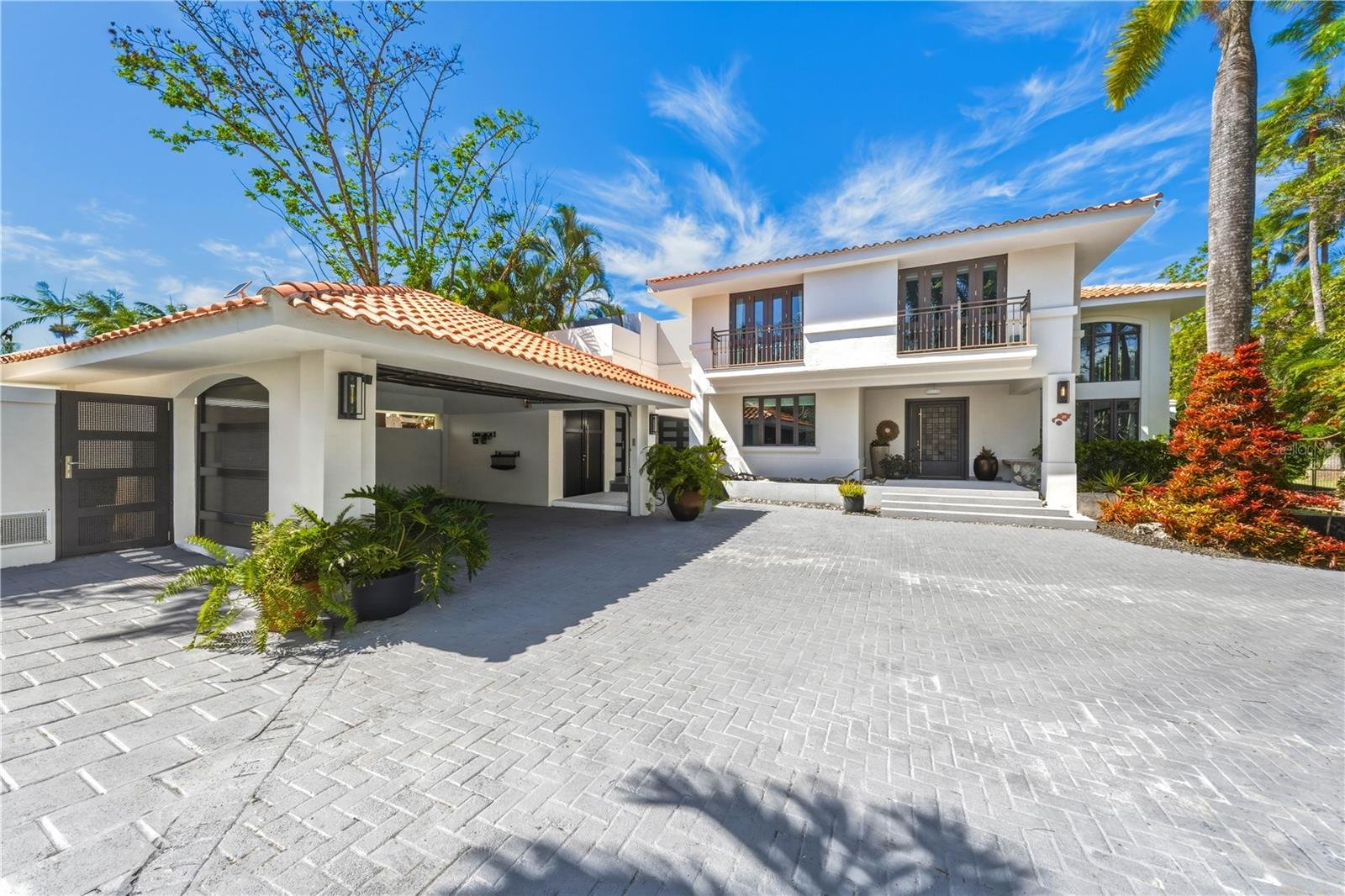
29 DORADO BEACH EAST DORADO PR, 00646
29 Dorado Beach East is a private tropical residence on a nearly half-acre corner lot, offering grand interiors, 6 ensuite bedrooms, seamless indoor-outdoor living, an infinity pool, summer kitchen, lush landscaping, and access to Dorado Beach Resort’s world-class beach, golf, dining, fitness, and club amenities.
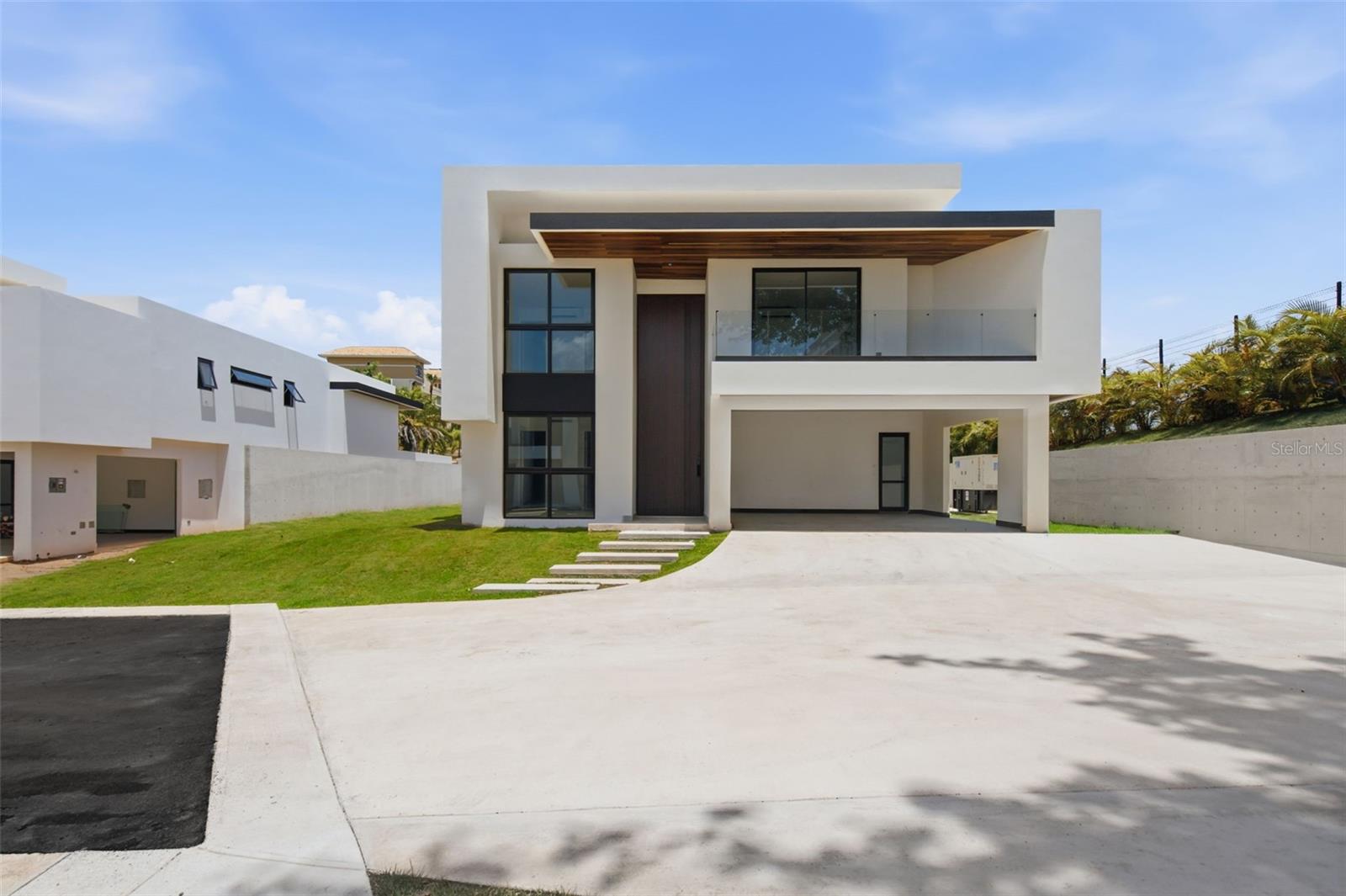
45 SERENO GUAYNABO PR, 00969
A newly built four-bedroom Sereno residence in Guaynabo featuring soaring ceilings, a Siematic kitchen, private pool and refined indoor-outdoor living.
Popular Destinations for Real Estate Investment in Puerto Rico

Image Source: Expedia
If you're wondering, "Can Americans buy property in Puerto Rico?", the answer is yes! Puerto Rico offers a diverse real estate market with great investment potential. Here are some of the top locations to consider:
1. San Juan – Urban and Luxury Living
- As the capital and economic hub, San Juan has a strong real estate market.
- Top Neighborhoods:
- Condado: High-end condos, luxury beachfront properties, and vibrant nightlife.
- Old San Juan: Colonial-style homes, rich history, and tourism appeal.
- Isla Verde: Popular for beachfront condos and vacation rentals.
- Properties in these areas may attract buyers interested in primary residences, second homes, or rental use, but potential returns vary by property, purchase price, operating costs, financing, taxes, insurance, condominium or community restrictions, short-term-rental rules, and future market conditions. Buyers should evaluate these factors individually rather than assume appreciation or rental profitability.
2. Luquillo – Beachfront Investment
- Known for its stunning beaches and proximity to El Yunque Rainforest.
- High demand for vacation rentals due to tourism.
- Offers more affordable beachfront options than San Juan.
Other Notable Areas:
- Dorado: Luxury communities and golf resorts.
- Rincón: A hotspot for surfers and eco-tourism investments.
- Ponce: Ideal for historical property investments.
Investing in Puerto Rico real estate can be highly rewarding, but due diligence is essential to maximize returns.
Conclusion
Navigating the complexities of purchasing, relocating, or investing in property in Puerto Rico can be challenging and fraught with legal, regulatory, and financial hurdles. At Christie's International Real Estate Puerto Rico, we understand these challenges intimately and are dedicated to providing our clients with the expertise and support needed to overcome them. Our deep knowledge of the local real estate market, legal frameworks, and financing options positions us as a trusted partner for those looking to buy, sell, or rent properties on this beautiful island.
Whether you are a foreign investor seeking to navigate the unique market dynamics of Puerto Rico, a family looking to relocate to the island, or a property owner interested in renting out your property, we at Christie's International Real Estate Puerto Rico are here to assist you. Contact us today to learn more about how we can support your real estate endeavors in Puerto Rico.