
Days 1–2 establish the due-diligence foundation by collecting core property documents and launching your key zoning, environmental, and municipal verification requests in parallel.
Zoning laws in Puerto Rico can make or break your land acquisition deal. Buyers sometimes discover zoning restrictions only after signing, which can trigger costly delays or even deal cancellations. Smart investors confirm zoning compatibility before submitting their letter of intent (LOI).
Understanding Puerto Rico's zoning framework requires navigating multiple agencies and regulations that directly impact your investment timeline and profitability.
Key Takeaways
- Confirm zoning and overlays before your LOI by getting the official zoning certification and cross-checking municipal land-use maps.
- Run a parallel, 7-day workflow: zoning + environmental + utilities + municipal special-district checks to avoid timeline surprises.
- Treat environmental, coastal, flood, and historic constraints as primary deal drivers, since they can change feasibility, cost, and schedule.
- If rezoning is needed, expect months—not weeks—and validate alignment with land-use policy, POT/land-use maps, and Joint Regulation standards early.
Essential Zoning Verification Before Your Letter of Intent
The Junta de Planificación de Puerto Rico establishes zoning laws that determine what you can build, how you can use the property, and specific design limitations. These regulations get enforced through the Oficina de Gerencia de Permisos (OGPe), which serves as your primary contact for most zoning inquiries. You need five critical pieces of information before making any offer.
Start with the property's current zoning classification or "calificación" in Spanish. This designation controls permitted uses, building density, height restrictions, and required setbacks from property lines.
Critical Zoning Elements to Verify
- Zoning Code - The specific classification (R-1, R-2, R-3, C, I, MU, or special district)
- Permitted Uses - Residential, commercial, mixed-use, or restricted activities
- Density Limits - Maximum units per acre or square footage ratios
- Height Restrictions - Maximum building height in feet or stories
- Setback Requirements - Minimum distances from property boundaries
- Environmental Overlays - Coastal zone, wetlands, or archaeological restrictions
Common Zoning Categories and Their Implications
Residential zones follow a clear hierarchy that impacts your development potential. R-1 zones allow low-density single-family homes with larger lot requirements, while R-2 permits medium-density development including duplexes. R-3 zones support high-density apartments and condominiums with reduced setback requirements.
Commercial (C) and Mixed-Use (MU) zones offer the most flexibility for luxury hospitality projects. Special zoning districts in areas like Old San Juan carry additional design and preservation requirements that can significantly impact construction costs.
Zone Type (Example) | Primary Use (Typical) | Intensity (General) | Common Building Form Examples |
R-1 | Single-family homes | Low | Detached homes, larger lots |
R-2 | Duplexes, small multi-family | Medium | Duplexes, small walk-ups, low-rise multi-family |
R-3 | Apartments, condominiums | High | Mid-rise or higher-density residential (where allowed) |
C | Commercial, offices, retail | Variable | Retail pads, office buildings, service uses |
MU | Mixed residential/commercial | Variable | Live-work, mixed-use corridors, residential over retail |
Note:
- The zone labels below are examples commonly used to describe residential/commercial intensity.
- Height limits, setbacks, density, lot coverage, parking, and design standards vary by the applicable regulation, municipality, special districts, and overlays. Always confirm using the official zoning certification and the applicable planning instruments (Joint Regulation + municipal POT/land-use maps).
Required Documents and Government Offices
Image Source: permisos.pr.gov
Your due diligence process involves three primary government entities that control different aspects of land development. The Oficina de Gerencia de Permisos (OGPe) handles construction permits and zoning certifications, while ARPE (Administración de Reglamentos y Permisos) manages environmental compliance and coastal zone permits. The local municipality provides additional zoning details and special district information.
Each office requires specific documentation and has different processing times that can impact your acquisition timeline.
OGPe Documentation Requirements
- Certificación de Zonificación (zoning certification)
- Current survey with property boundaries
- Soil study and topographic analysis
- Environmental impact assessment
- Site plan showing proposed development
- Proof of property ownership or purchase contract
ARPE Environmental Documentation
- Environmental compliance certificate
- Coastal zone management permit (if applicable)
- Wetlands delineation study
- Archaeological survey results
- Water and sewer availability confirmation
- Flood zone determination letter
Municipal Requirements
Local municipalities often impose additional requirements beyond territorial regulations. These can include architectural review board approvals, special district compliance, and local impact studies. Some municipalities require community notification periods for larger developments that can extend your timeline by several weeks. Contact information and office hours vary by region, but most offices now accept electronic submissions that speed up the initial review process.
The next step involves organizing these requirements into a time-efficient sequence that maximizes your due diligence effectiveness.
7-Day Due Diligence Timeline
A structured approach can complete comprehensive zoning due diligence within one week. This timeline assumes you have basic property information and can dedicate resources to simultaneous document requests. Some steps can run concurrently while others depend on previous results.
Day 1 focuses on gathering existing documentation while Days 2-3 involve formal government requests.
Days 1-2: Foundation and Documentation
Day 1 Activities
- Request current survey from seller or title company
- Contact OGPe for Certificación de Zonificación
- Verify property address and cadastral number
- Check municipal website for special district designations
- Schedule site visit with local planning representative
Day 2 Activities
- Submit ARPE environmental compliance request
- Contact utility companies for service availability
- Check flood zones using FEMA’s Flood Map Service Center (MSC) and obtain a flood determination through your surveyor/lender/engineer as needed.
- Begin preliminary soil and topographic analysis
- Review PUT/POT land-use maps and confirm zone standards and overlays under the Joint Regulation.
Days 3-5: Analysis and Verification
Mid-week activities focus on analyzing received documentation and identifying potential issues. This period often reveals the most critical information about development feasibility. You may need to adjust your timeline based on government office responsiveness.
Schedule follow-up calls with government representatives to clarify any ambiguous regulations or requirements.
Day 3-4 Focus Areas
- Analyze zoning certification for permitted uses and restrictions
- Review environmental reports for compliance issues
- Calculate maximum buildable area based on setbacks and height limits
- Identify required permits for intended use
- Assess infrastructure availability and connection costs
Day 5 Verification
- Confirm all documentation is complete and current
- Cross-reference municipal requirements with territorial regulations
- Calculate estimated permit timeline and costs
- Identify any potential zoning change requirements
- Prepare preliminary development feasibility analysis
Days 6-7: Final Assessment and Decision
The final phase involves synthesizing all collected information into actionable intelligence. You should have enough data to make an informed acquisition decision or negotiate contract modifications. This stage often reveals hidden costs or timeline extensions that impact deal economics. Prepare a comprehensive report that documents all findings and recommendations for your investment team or legal counsel.
Understanding common obstacles helps you anticipate and prepare solutions before they become deal-breakers.
Common Zoning Blockers and Solutions

Environmental restrictions create the most frequent obstacles for luxury land development in Puerto Rico. Coastal properties often fall under multiple regulatory jurisdictions that can conflict or create lengthy approval processes. Unexpected environmental compliance requirements can extend project timelines by 6–12 months in some cases.
Historical designations present another significant challenge, particularly in areas like Old San Juan, Ponce, and other culturally significant locations.
Environmental and Historical Restrictions
- Coastal Zone Regulations -Coastal properties may fall inside Puerto Rico’s designated coastal zone (commonly defined as extending about 1,000 meters inland from the shoreline, plus other protected areas), which can trigger additional reviews and constraints.
- Wetlands Protection - Federal and territorial agencies both regulate wetland impacts
- Archaeological Sites - Pre-Columbian and colonial artifacts can halt construction
- Flood Zones - FEMA designations limit ground-floor construction options
- Historic Districts - Design restrictions and approval processes add complexity
Infrastructure and Utility Challenges
Remote or undeveloped properties often lack adequate infrastructure to support luxury developments. Water, sewer, and electrical service extensions can cost hundreds of thousands of dollars and require separate permit processes. Some areas have moratoriums on new utility connections that effectively prevent development.
Road access and emergency service requirements also impact development feasibility, particularly for hillside or coastal properties.
Workaround Strategies
- Pre-Application Meetings - Schedule consultations with regulatory agencies before formal submissions
- Professional Consultants - Engage local environmental and planning experts early
- Phased Development - Structure projects to minimize initial regulatory burden
- Alternative Zoning - Explore mixed-use or special district options
- Municipal Partnerships - Work with local governments on infrastructure improvements
Zoning Change Process
When current zoning doesn't support your intended use, the rezoning process typically takes 4-12 months and requires substantial documentation. Rezoning is evaluated against the Planning Board’s land-use policy framework (including PUT where applicable) and the municipality’s POT/land-use maps, then tested against the Joint Regulation standards and any special-district or overlay constraints.
Rezoning becomes impossible in protected environmental areas, historical zones, and flood-prone areas where territorial policy prohibits changes.
Restriction Type | Typical Timeline | Key Factors |
|---|---|---|
Environmental | 6-18 months | Mitigation plans, expert studies |
Historical | 4-12 months | Design compatibility, preservation |
Zoning Change | 4-12 months | Community support, POT alignment |
Infrastructure | 3-24 months | Funding availability, utility capacity |
These challenges require experienced guidance to navigate successfully while maintaining deal momentum and investment returns.
Land Properties for Sale in Puerto Rico
Puerto Rico offers an exclusive selection of luxury homes in prime locations, each influenced by zoning laws that define residential, commercial, and mixed-use developments. From beachfront retreats in Dorado to historic estates in Old San Juan and modern villas in Palmas del Mar, understanding what is zoning helps buyers secure the right property for their lifestyle and investment goals. Christie's International Real Estate Puerto Rico provides expert guidance to ensure that every property for sale aligns with zoning regulations, maximizing both value and future development potential.
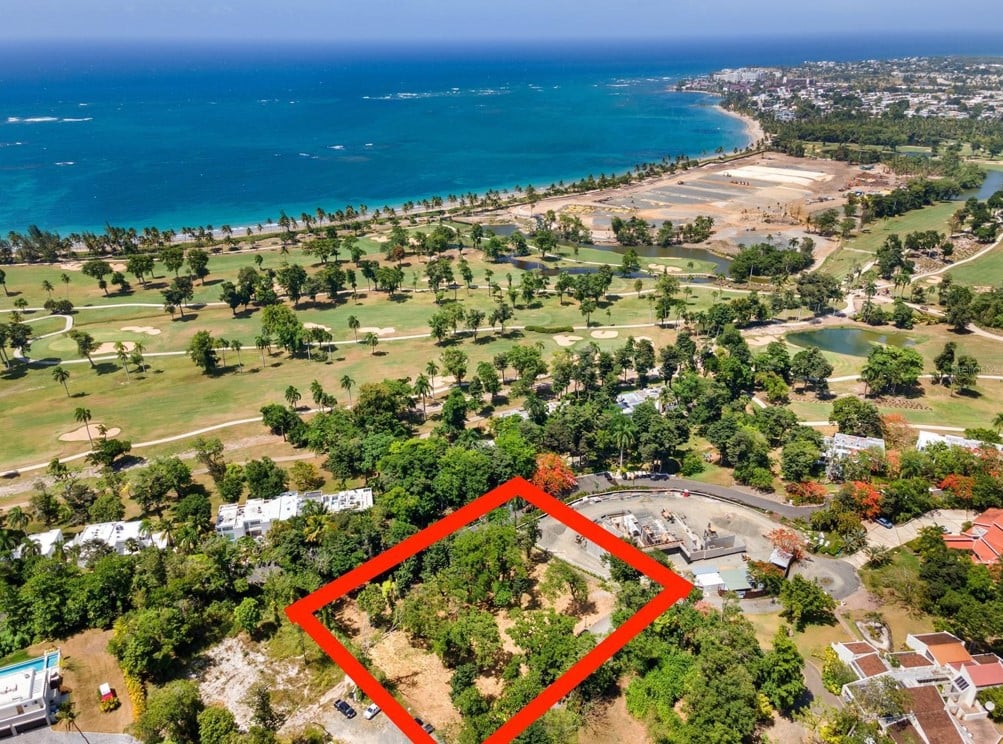
LOT 8 VILLA DORADO ESTATES DORADO, PR 00646
A prime luxury lot in Villa Dorado Estates, offering 0.85 acres of buildable land within a prestigious gated community, ideal for crafting a custom house for sale in one of Puerto Rico's most sought-after locations.
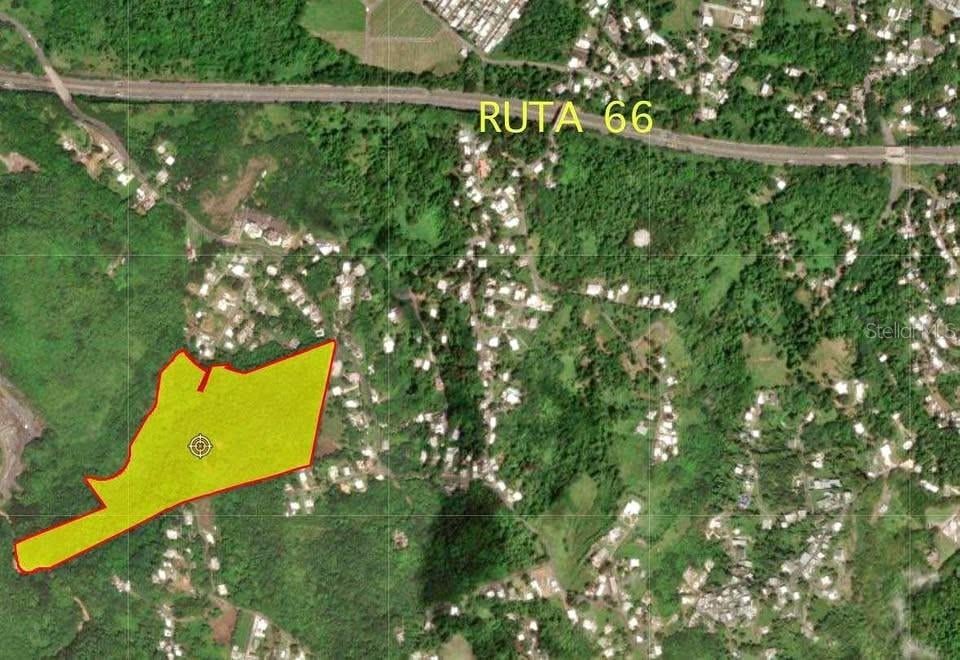
RD. 859 KM. 1.5 BO. SANTA CRUZ CAROLINA PR, 00987
A spacious 7.5-acre estate in Bo. Santa Cruz, Puerto Rico, featuring lush landscapes, development potential, and a serene setting perfect for a private retreat or investment property.
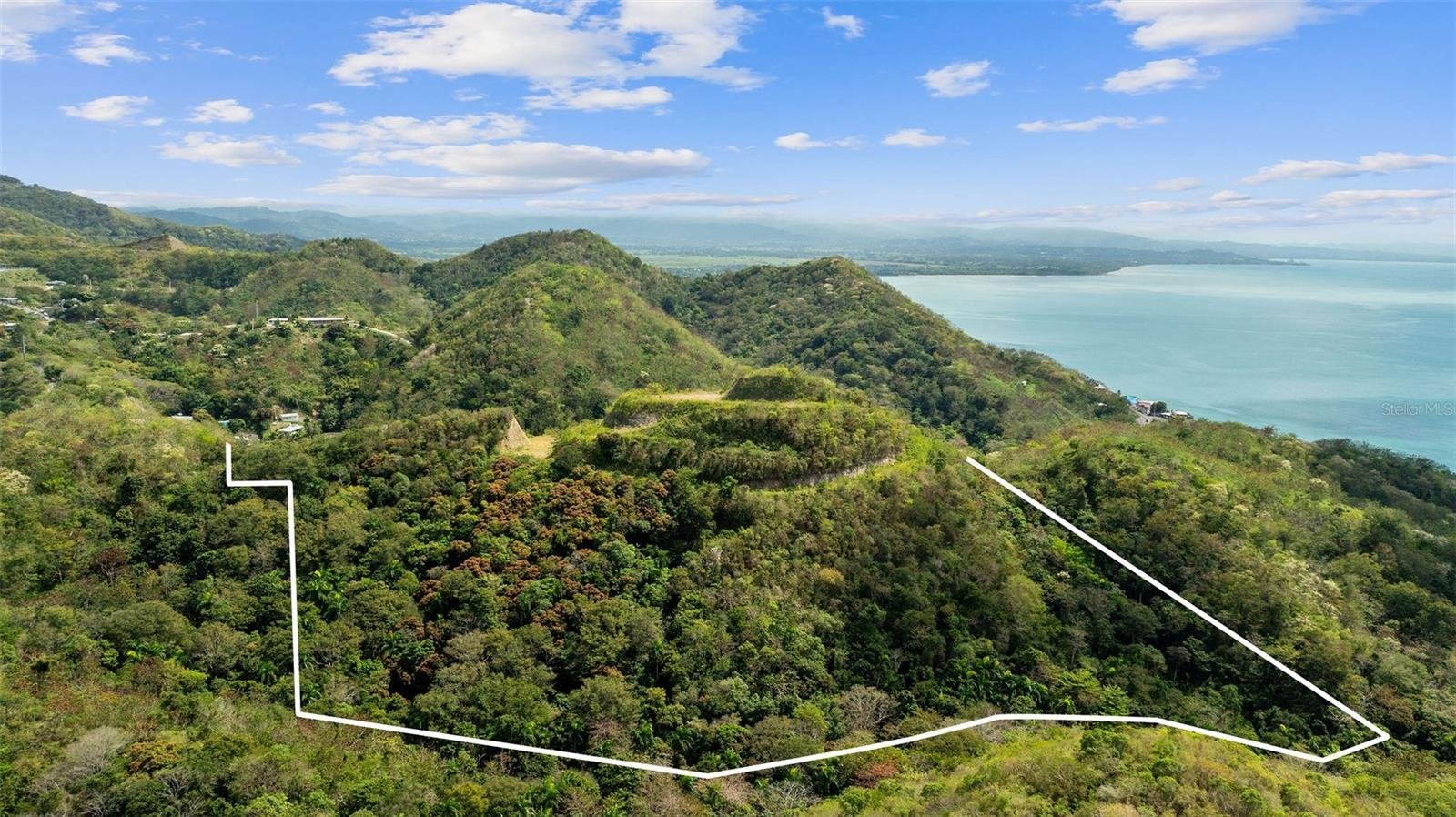
ROAD 115 ANASCO PR, 00610
A 14.4-acre property near Rincón and Añasco with private road access, multiple building sites, and stunning ocean and mountain views.
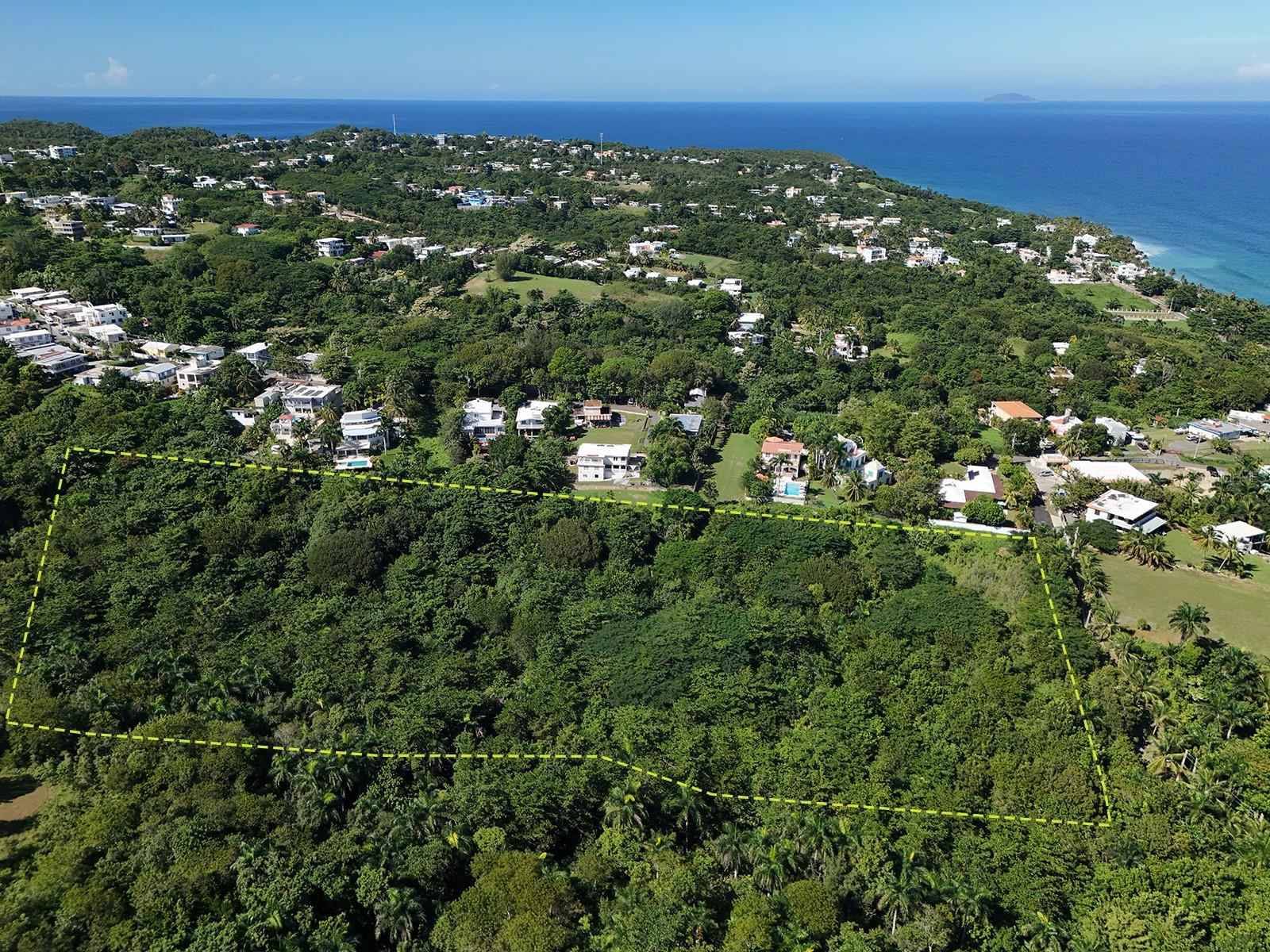
CALLE LAS PALMAS RINCON PR, 00677
A rare 7.16-acre lot in Puntas, Rincón, offering privacy, tropical surroundings, and exceptional potential for a private estate, villas, or eco-retreat near world-famous beaches.
Conclusion
Understanding zoning laws in Puerto Rico is essential for making sound real estate investments, whether purchasing land for sale or developing luxury properties. From verifying zoning classifications to obtaining necessary permits, buyers must navigate regulations to ensure compliance and maximize their property's potential. With expert guidance, careful due diligence, and a strategic approach, investors can confidently secure properties that align with their long-term goals.
At Christie’s International Real Estate Puerto Rico, we specialize in helping clients buy, sell, and rent luxury properties with confidence. Our expertise in zoning laws, market trends, and premium real estate ensures that every transaction aligns with legal and investment goals. If you're looking for a house for sale, investment property, or development opportunity, connect with us today at Christie’s International Real Estate Puerto Rico to explore the best options available.
FAQs
What are the legal requirements to purchase land in Puerto Rico?
To purchase land in Puerto Rico, buyers must verify zoning classifications, secure permits, and ensure the property is registered in the property registry. It is also crucial to conduct due diligence on outstanding liens, unpaid taxes, and compliance with local regulations before finalizing the transaction.
How can I ensure a smooth transaction when buying Puerto Rican real estate?
A smooth transaction requires working with real estate professionals familiar with Puerto Rican zoning laws and land-use restrictions. Buyers should also review municipal records, obtain necessary permits, and confirm there are no liens or unpaid taxes on the property.
How can I verify zoning if the seller’s records conflict with OGPe or the municipality?
Rely on the most current official certification and written determinations, then reconcile discrepancies by:
- Matching the property’s cadastral number
- Survey boundaries, and
- POT maps
- If needed, request a formal clarification (consulta) in writing before removing contingencies
- What should I add to my LOI/PSA to protect myself from zoning or overlay surprises?
Include a zoning/land-use contingency, a document-delivery deadline (zoning cert, permits, prior filings), a right to extend due diligence for agency delays, and a termination/refund clause if overlays, access, or utility constraints make the intended project infeasible.
Are “grandfathered” uses or existing structures automatically safe to expand or rebuild?
No—legal nonconforming uses/structures often have limits on expansion, reconstruction after damage, and change of use. Confirm the property’s nonconforming status and what triggers loss of rights through OGPe/municipal guidance before planning renovations or additions.