
Updated for 2026: Puerto Rico Law 182-2024 and Act 60 are often discussed as alternatives, but that framing is incomplete. Act 60-2019 is the Puerto Rico Incentives Code. Law 182-2024 amended that code to add a program for qualifying residential projects in municipal urban centers. The relevant comparison is therefore between Act 60’s Individual Resident Investor provisions and the urban-center development provisions added by Law 182.
The distinction matters because the programs serve different applicants, use different eligibility tests, and have different filing windows. This guide summarizes the statutory framework for real estate decision-making. It is general information and is not legal, tax, or investment advice.
Key Takeaways
- Act 60’s Individual Resident Investor program concerns qualifying individuals who become bona fide residents of Puerto Rico and obtain a decree.
- Law 182-2024 added incentives for qualifying residential projects in a municipality’s defined urban center; it did not create a separate replacement for Act 60.
- The codified Law 182 application deadline was December 31, 2025. New applicants should not assume the program remains open.
- Act 38-2026 preserved 0% Puerto Rico treatment for qualifying interest, dividends, and post-residency appreciation for applications filed by December 31, 2026, subject to the statute and decree.
- Applications filed from January 1, 2027 generally move to a 4% preferential Puerto Rico rate under the amended individual-investor provisions.
Act 60 Individual Resident Investor Rules

Act 60 consolidates many Puerto Rico incentive programs. The provisions most relevant to an individual relocating to Puerto Rico are the Individual Resident Investor rules in Sections 2022.01 and 2022.02. They should not be confused with the separate export-services program, even though both appear in the same code.
Applications Filed by December 31, 2026
Under Law 38-2026, a qualifying individual who files an application on or before December 31, 2026 may remain eligible for the current Puerto Rico exemptions described in the amended statute. These include qualifying interest and dividend income earned after becoming a Puerto Rico resident and qualifying appreciation arising after residency, subject to the decree, sourcing rules, statutory dates, and continuing compliance.
The statute does not erase U.S. federal tax rules. Bona fide Puerto Rico residency is determined under federal requirements that generally include the presence test, tax-home test, and closer-connection test. The IRS Publication 570 explains the federal framework, but individual circumstances require professional advice.
Applications Filed From January 1, 2027
For applications filed on or after January 1, 2027, Law 38-2026 generally establishes a 4% preferential Puerto Rico income-tax rate for qualifying interest, dividends, and post-residency net capital gain covered by the decree. It also requires applicants in this later group to demonstrate at least six years of nonresidency before moving to Puerto Rico and extends the program through 2055.
Act 60 also requires an Individual Resident Investor to acquire qualifying Puerto Rico real property for a principal residence within two years after the decree and maintain ownership during the decree term, subject to the statutory rules. A purchase alone does not create bona fide residency or guarantee tax treatment.
What Law 182-2024 Added to Act 60

Law 182-2024 amended Act 60 to encourage residential development in municipal urban centers. It applies to an eligible business and project, rather than to a person merely buying a home. A qualifying project must develop residential real estate for sale or lease in a municipality’s defined urban center.
Core Project Requirements
- The project must be located within the applicable municipal urban-center boundary.
- It must have at least seven residential units.
- It must involve at least $1 million of eligible urban-center investment, excluding the acquisition cost or contributed fair-market value of the real property, unless the project uses property that meets the code’s abandoned-property route.
- For a mixed-use project, the nonresidential component may not exceed 30% of the project’s total area, excluding common areas.
- Residential leases relying on the program must have a minimum six-month term.
The statute gives DDEC responsibility for decrees, certifications, and administration. A site’s location, municipal plan, construction history, ownership structure, and expenditure timing all require project-specific verification.
Law 182 Benefits in the Codified Act 60 Text
- 4% income-tax rate: applies to qualifying income from the sale or lease of an approved urban-center project.
- Exempt distributions: qualifying distributions from the exempt income of the decreed business may be exempt under the statutory rules.
- 75% property-tax exemption: applies to qualifying real and personal property used in the covered activity during the decree period.
- 50% municipal exemption: applies to municipal license taxes, excises, and other covered municipal taxes.
- 75% construction-related municipal exemption: applies to covered municipal construction taxes, fees, licenses, or charges for the exempt business and its contractors or subcontractors, as provided by the code.
- Up to 40% urban-center investment credit: subject to DDEC approval, certification, eligible-investment rules, installment timing, basis adjustment, and other limitations. The credit may be transferred, sold, or otherwise assigned under the statute.
Act 60 vs. Law 182-2024

Question | Individual Resident Investor provisions | Urban-center provisions added by Law 182 |
|---|---|---|
Who applies? | A qualifying individual seeking an investor decree | An eligible business developing a qualifying residential project |
Primary purpose | Preferential treatment of qualifying investment income after Puerto Rico residency | Residential development in defined municipal urban centers |
Residency required? | Yes; bona fide residency and decree compliance are central | No individual-residency test is the core eligibility standard for the project |
Real estate role | A qualifying principal residence must be acquired and maintained under the statutory timetable | The real estate is the qualifying development activity |
Minimum project size | No $1 million development threshold in the individual-investor provisions | Generally $1 million in eligible investment or the abandoned-property route, plus at least seven units |
Current filing status | Applications remain possible; rate treatment changes after December 31, 2026 | The codified application deadline was December 31, 2025 |
The Law 182 Deadline Is Material

The current official Spanish compilation of the Puerto Rico Incentives Code states that a Law 182 urban-center exemption application had to be filed by December 31, 2025. A proposal to extend the deadline was discussed, but a proposal is not enacted law. As of this update, prospective developers should treat the statutory window as closed unless DDEC and qualified Puerto Rico counsel confirm a lawful basis for eligibility.
Projects that filed timely still need to satisfy the decree and statutory requirements. Investors evaluating an existing project should request the decree, application date, DDEC certifications, eligible-cost analysis, municipal urban-center confirmation, construction records, and evidence of ongoing compliance.
Real Estate Due Diligence Under Either Path

- For an individual relocating under Act 60: model Puerto Rico and federal tax treatment separately; document residency; review decree deadlines; and confirm that the intended home can serve as the required principal residence.
- For a Law 182 project: verify that the application was timely, the site is inside the defined urban center, the project meets the unit and investment tests, and the claimed expenditures qualify.
- For a buyer purchasing in a decreed development: distinguish benefits held by the developer or exempt business from benefits available to the buyer personally.
- For every transaction: review title, permits, zoning, construction contracts, financing, insurance, condominium documents, tax certifications, and the decree with the appropriate professionals.
Luxury Properties for Sale in Puerto Rico
The tax treatment of a purchaser or project should be confirmed independently, but the real estate search still begins with the property’s location, condition, title, intended use, and current market terms. Christie’s International Real Estate Puerto Rico property pages may change as listings are updated or withdrawn, so confirm availability and details before relying on an example.
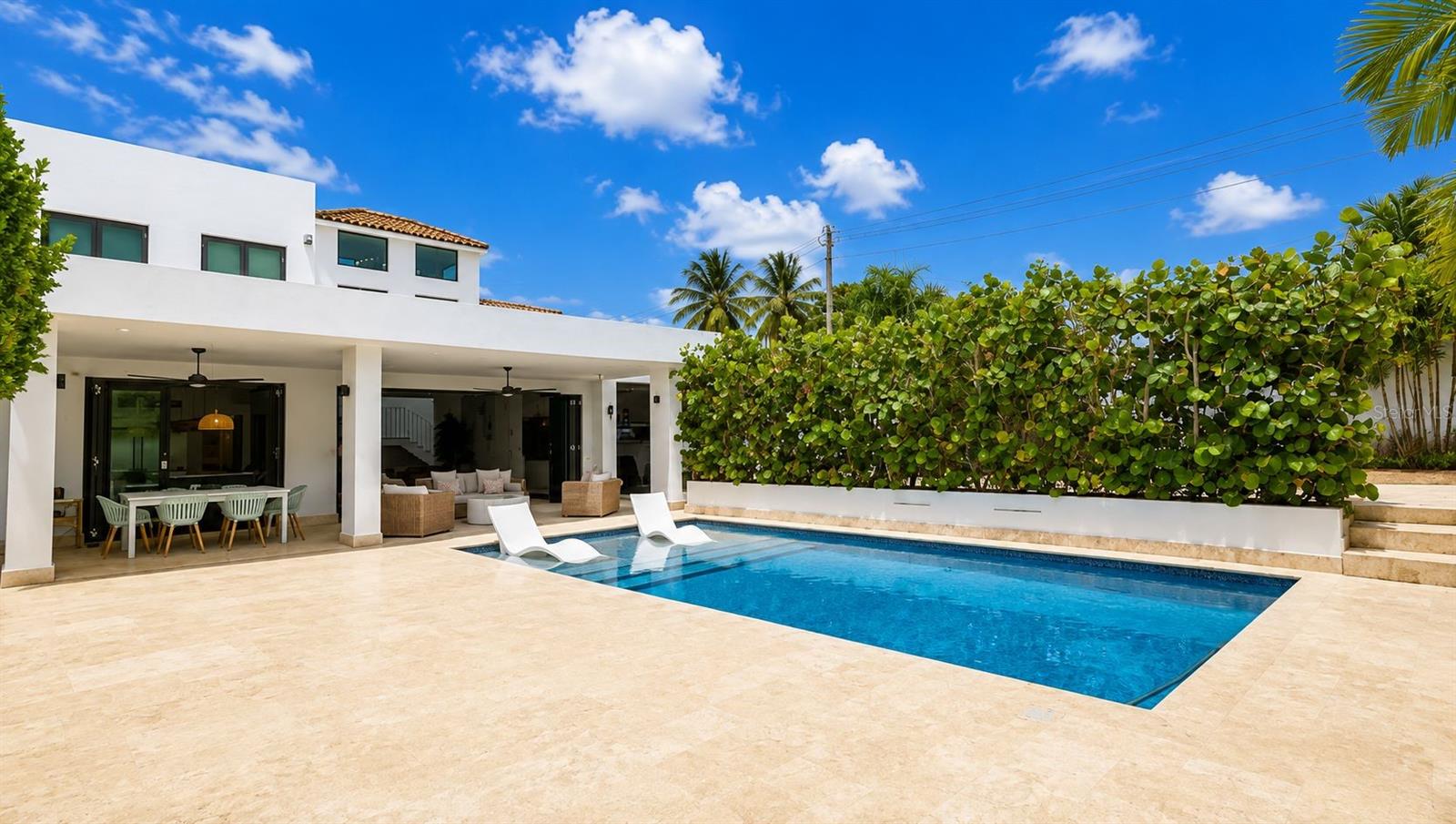
60 SOLDADO SERRANO SAN JUAN PR, 00911
Review the current property page for the latest availability, price, specifications, and MLS disclosures.
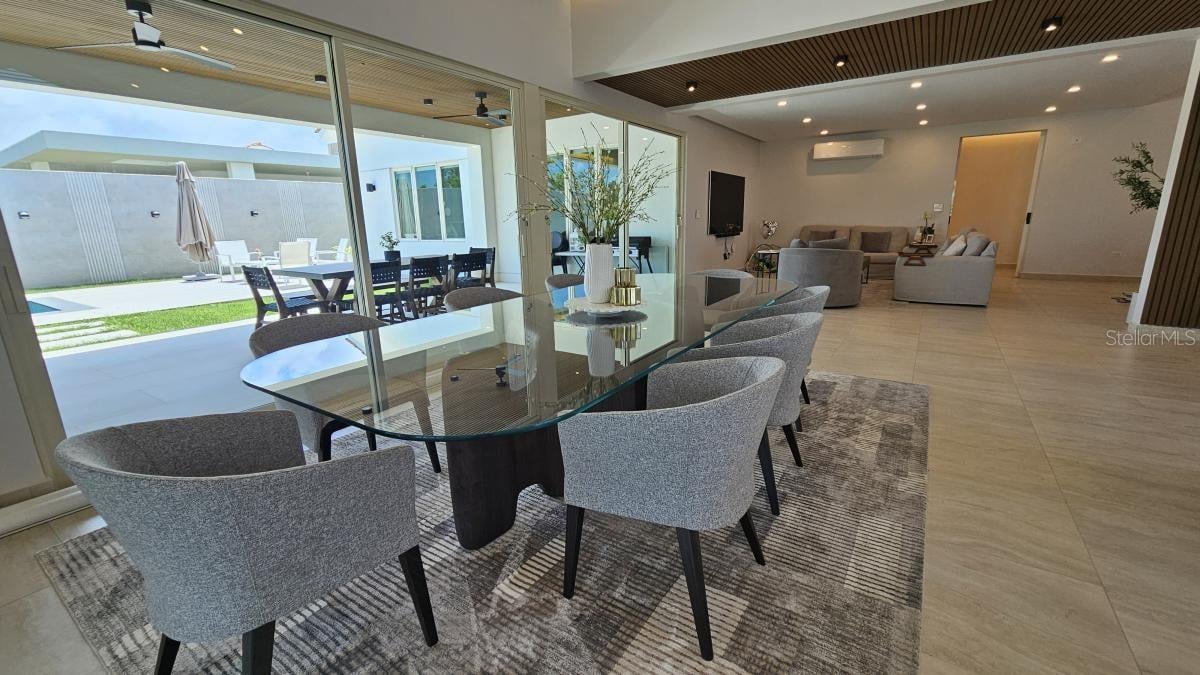
677 LAVANDA DORADO PR, 00646
Review the current property page for the latest availability, price, specifications, and MLS disclosures.
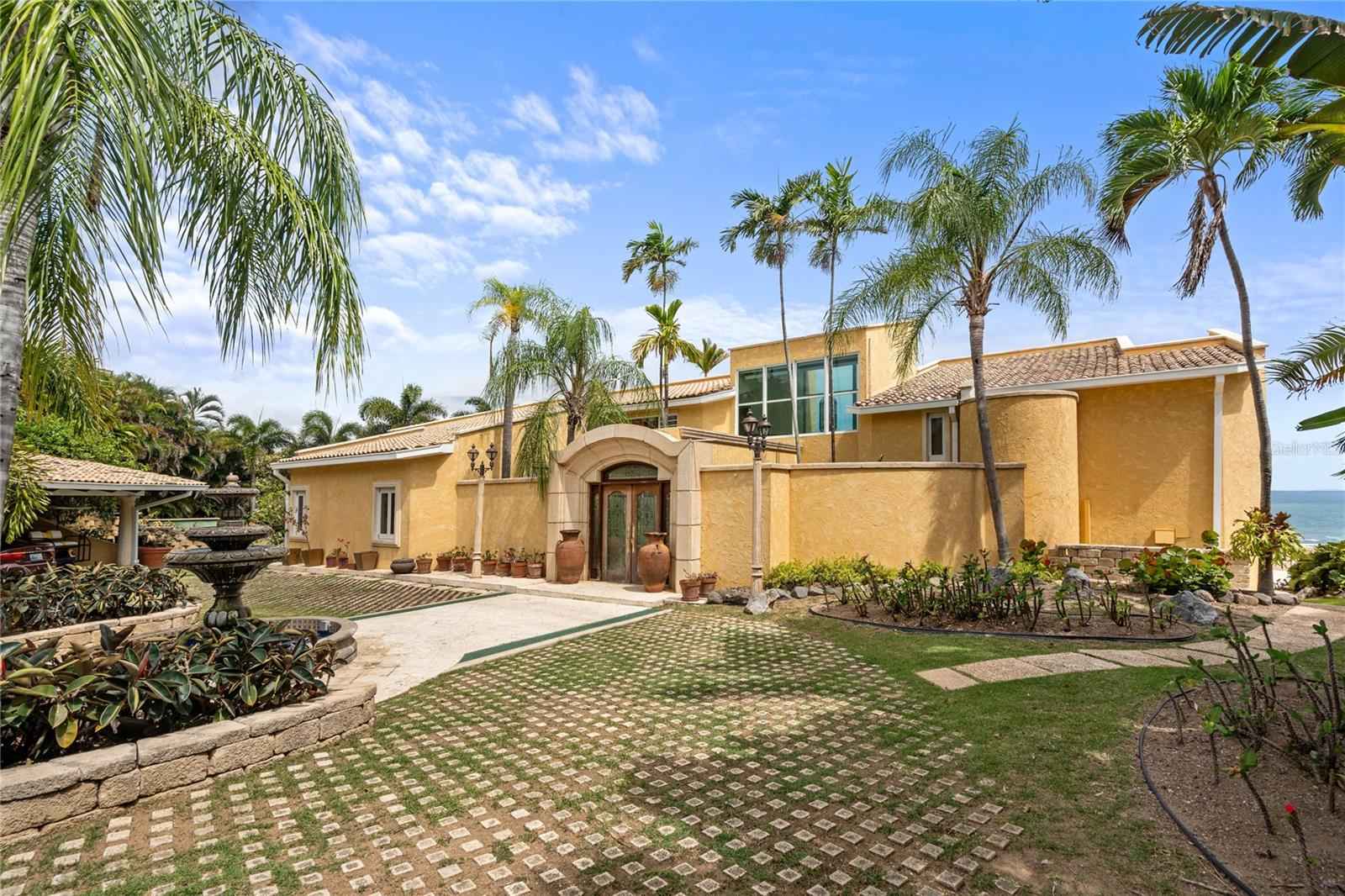
10 RIDGETOP HUMACAO PR, 00791
The current property page identifies this as a six-bedroom residential property in Humacao. Verify the latest price, status, and MLS details before relying on them.
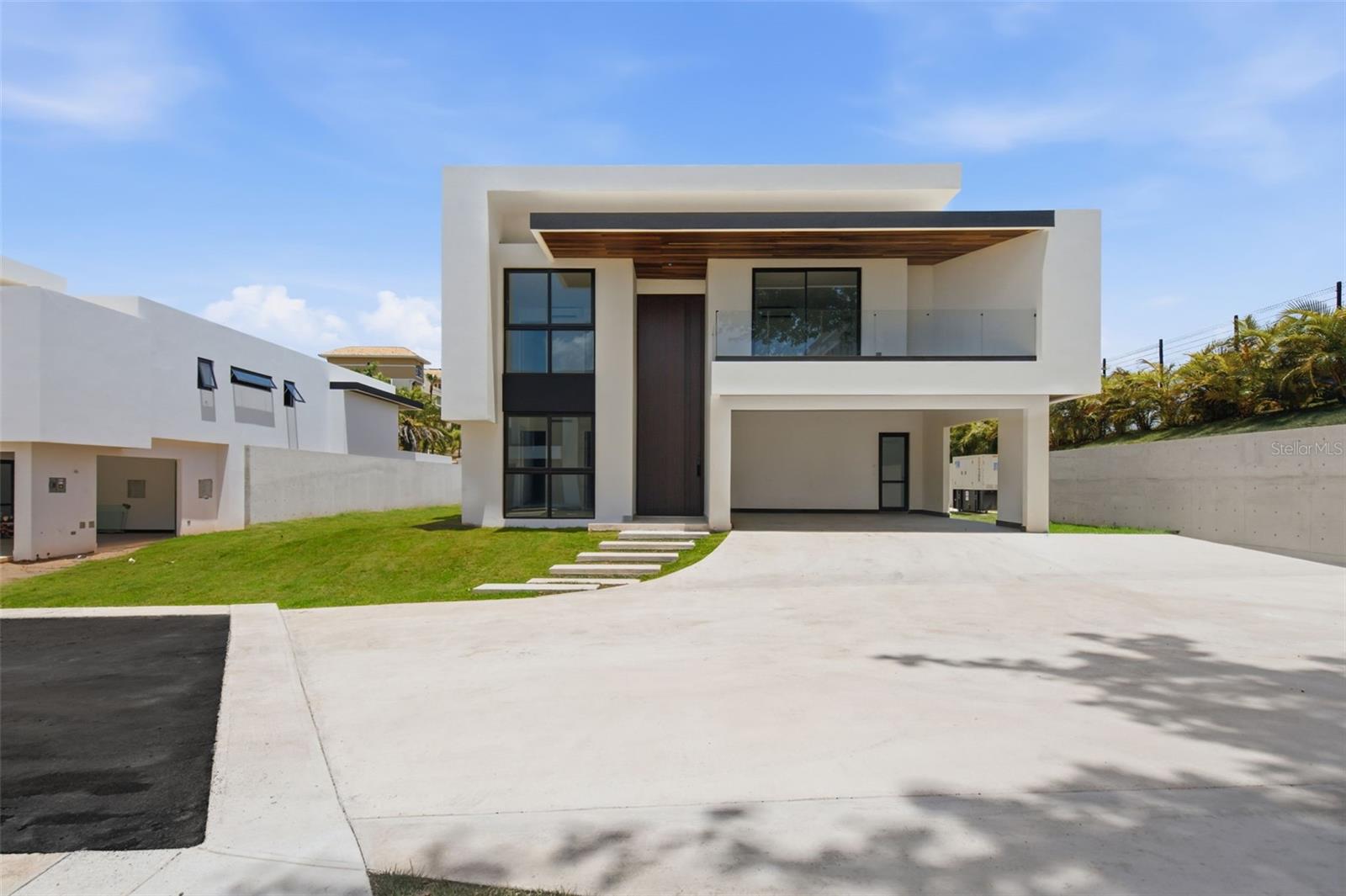
45 SERENO GUAYNABO PR, 00969
Review the current property page for the latest availability, price, specifications, and MLS disclosures.
Practical Conclusion
An individual buying a Puerto Rico residence and a business developing a seven-unit urban-center project are pursuing different incentives. Act 60’s Individual Resident Investor provisions focus on residency, decree timing, investment-income treatment, and continuing compliance. Law 182-2024 added a project-level urban-development program whose codified filing deadline has passed.
Christie’s International Real Estate Puerto Rico can provide property-specific information and help identify current Puerto Rico luxury properties. Tax eligibility, residency, decree interpretation, and project-credit calculations should be confirmed with independent Puerto Rico tax and legal advisers.
Frequently Asked Questions
Is Law 182 separate from Act 60?
No. Law 182-2024 amended Act 60 and added urban-center residential-development provisions to the Incentives Code.
Can a homebuyer claim Law 182 benefits simply by purchasing a residence?
No. Law 182 addresses a qualifying decreed development business and project. A buyer should not assume that a developer’s incentives transfer to the buyer.
Is the Law 182 application window still open?
The current codified text states that applications had to be filed by December 31, 2025. Any claimed exception or later authority should be confirmed directly with DDEC and qualified counsel.
What changes for Act 60 applications after 2026?
Under Law 38-2026, applications filed from January 1, 2027 generally receive a 4% preferential Puerto Rico rate on covered interest, dividends, and post-residency appreciation, rather than the current 0% treatment, subject to the statute and decree.
Does buying property establish bona fide Puerto Rico residency?
No. Property ownership is one compliance requirement for the decree, while bona fide residency is evaluated separately under federal and Puerto Rico rules.