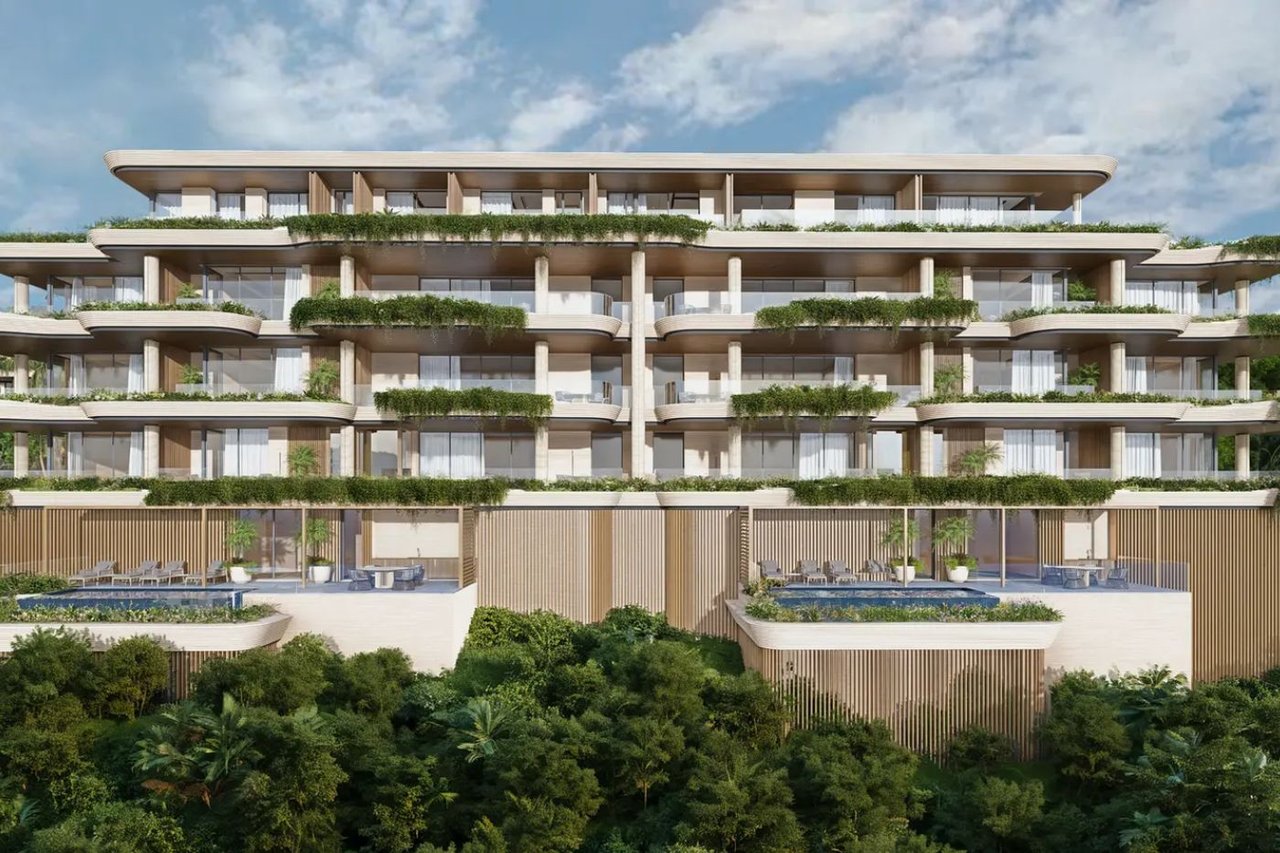
La Victoria is a pre-construction, two-level penthouse in Old San Juan offering three en-suite bedrooms, approximately 2,110 square feet, Atlantic Ocean and San Cristóbal Castle views, enclosed balconies, and access to a shared rooftop pool and barbecue area.
The permit landscape in Puerto Rico has undergone significant changes that directly impact Puerto Rico luxury real estate and high-end construction projects across the island. OGPe (Oficina de Gerencia de Permisos) now oversees most land-use, construction, and business permits through the Single Business Portal, after replacing the former ARPE (Administración de Reglamentos y Permisos) under Puerto Rico’s 2009 permits reform.
This OGPe vs ARPE distinction can make or break a luxury custom build's timeline and feasibility, especially when legal gray areas create unexpected delays. In this article, we'll cover the permit history and current regulatory framework affecting high-end developments.
Key Takeaways
OGPe has entirely replaced ARPE as Puerto Rico’s central permitting authority, and understanding this shift is critical for planning any luxury construction project.
Legal gray areas created during the transition and the Joint Regulation’s implementation can stall projects for months and add 15–20% or more to overall construction costs.
Luxury builds face strict environmental, coastal, historic, and infrastructure reviews—coordination is key.
Christie's International Real Estate Puerto Rico lowers permit risk with thorough pre-purchase checks, regulatory review, and support.
OGPe vs ARPE: Brief History and Why It Matters Now
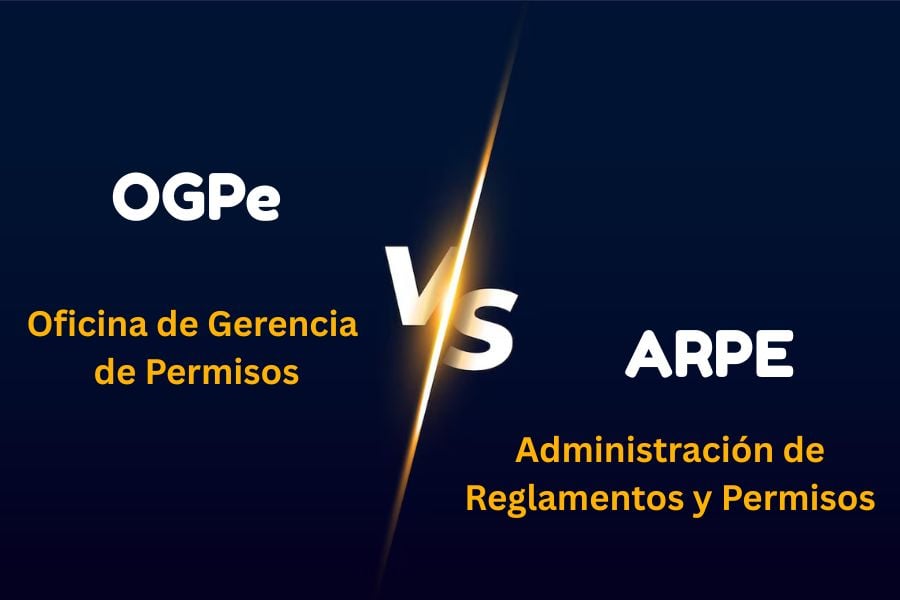
Although ARPE’s organic law was repealed, many older permits and plans still reference ARPE, so buyers frequently encounter both names in due-diligence files. The transition consolidated permit management under one roof, with OGPe operating the Single Business Portal for digital application submission and tracking. This change streamlined the process but created confusion during the transition period.
The Joint Regulation of the Puerto Rico Planning Board
The Joint Regulation of the Puerto Rico Planning Board created a unified framework for permits and helped formalize the Single Permit (Permiso Único), which consolidates multiple licenses and certificates.
After the Puerto Rico Supreme Court nullified later versions of the Joint Regulation, the 2010 Joint Regulation returned to force as the baseline until a new regulation is properly adopted, creating a period of legal uncertainty that still influences how some projects are reviewed.
How Legal Gray Areas Impact Luxury Construction Projects

The regulatory transition between ARPE and OGPe caused significant delays for luxury custom homes, particularly those with complex designs or waterfront properties, as highlighted in recent permit changes. Projects that began under the old system sometimes require a complete re-review of files, leading to stopped construction and costly redesigns. These delays can extend project timelines by six months or more, significantly impacting budgets and completion dates.
Note: Consider a luxury beachfront home in Dorado that received initial approvals under the previous system. When OGPe took over, the new authority required additional environmental assessments and structural reviews, forcing the developer to halt construction for four months while obtaining updated permits.
Common Permit Challenges in Luxury Builds
High-end construction projects face unique permit obstacles that standard residential builds rarely encounter. These challenges often stem from complex architectural designs, environmental considerations, and infrastructure requirements that luxury properties demand.
Waterfront properties require additional environmental permits and coastal zone approvals, and updated boundary verification through a deslinde survey.
Custom architectural features may not fit standard permit categories.
Infrastructure upgrades for utilities and access roads need separate approvals.
Historic district properties require review by the preservation committee.
Pool and spa installations need specialized mechanical permits.
Timeline Impact on Project Budgets
Permit delays create cascading effects on luxury construction budgets, affecting everything from material costs to contractor availability. When projects stall during the permit review process, clients face higher carrying costs and potential price increases for materials and labor.
In some projects, permit delays have significantly increased total costs, especially when inflation and material shortages overlapped with extended review periods.
Puerto Rico Construction Permits: Current Requirements and Process
OGPe now manages Puerto Rico’s central permits system through the Single Business Portal, working alongside autonomous municipalities and Authorized Professionals who issue permits within this unified framework. The Permit Management Office operates the Single Business Portal, where luxury home builders Puerto Rico can submit consolidated applications and track approval status in real time. This digital platform represents a significant improvement over the previous fragmented system.
The current process typically uses a Permiso de Construcción Consolidado (PCOC) for substantial residential projects, including luxury renovations and new construction. This consolidated permit streamlines multiple approvals into a single application but still requires careful coordination among various technical reviews.
Single Business Portal Navigation
The Single Business Portal serves as the digital gateway for all permit applications, but navigating its requirements can be complex for luxury projects. Understanding the platform's workflow helps prevent common submission errors that can delay approvals.
Create a verified business account with the required documentation.
Upload architectural plans meeting current building codes.
Submit environmental impact assessments for qualifying projects.
Provide utility connection agreements and infrastructure plans.
Include structural engineering reports for custom designs.
OGPe Permit Management Best Practices
Successful luxury projects follow specific protocols when working with OGPe to minimize delays and ensure compliance. These practices have evolved from lessons learned during the regulatory transition period.
Submit complete applications with all required technical documents.
Engage certified local architects familiar with current OGPe requirements.
Schedule pre-submission meetings for complex or innovative designs.
Maintain regular communication with assigned permit reviewers.
Prepare contingency timelines accounting for potential review extensions.
Permit Type | Processing Time | Key Requirements | Common Delays |
|---|---|---|---|
Single Permit (Business) | 15-30 days | Use permit, fire certificate, sanitary license | Incomplete documentation |
PCOC (Construction) | 45-90 days | Architectural plans, structural reports | Code compliance issues |
Environmental Review | 60-120 days | Impact assessments, coastal permits | Agency coordination |
Historic District | 90-180 days | Preservation approval, design review | Committee scheduling |
These ranges reflect common experience under the current framework, not legally guaranteed deadlines.
Joint Regulation Puerto Rico: Understanding the Current Framework

The Joint Regulation of the Puerto Rico Planning Board fundamentally changed how permits are processed and approved across the island. This regulation introduced the consolidated Single Permit system and established new protocols for OGPe permit management, affecting all luxury construction projects. The regulation aims to reduce bureaucratic delays while maintaining necessary oversight for environmental and safety compliance.
Understanding this regulatory framework is crucial for luxury developers and buyers planning significant renovations or new construction. The regulation's implementation created both opportunities for streamlined approvals and potential pitfalls for projects that don't align with new requirements.
Regulatory Compliance for Luxury Properties
High-end properties often face additional scrutiny under the Joint Regulation due to their scale, environmental impact, and infrastructure requirements. Luxury developments must navigate multiple approval layers while ensuring compliance with updated building codes and environmental standards.
Environmental impact assessments for projects exceeding size thresholds.
Infrastructure adequacy reviews for utility and transportation capacity.
Coastal zone management compliance for waterfront properties.
Historic preservation requirements in designated districts.
Community impact evaluations for large-scale developments.
How Christie's Puerto Rico Protects Your Investment
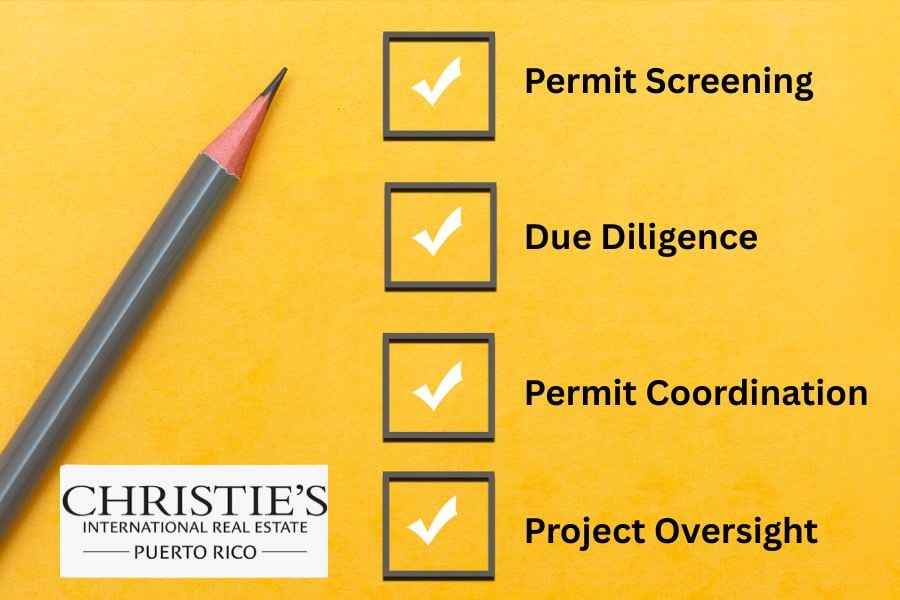
A comprehensive permit screening process is applied before any land parcels or renovation opportunities are presented to clients. This review includes permit history, current zoning status, and potential regulatory obstacles that could affect project feasibility, helping reduce exposure to costly delays and redesigns. Our team supports this process by coordinating with licensed architects, engineers, and regulatory specialists to verify compliance under current OGPe requirements and building codes.
Professional coordination with technical consultants and regulatory specialists ensures that permit documentation aligns with applicable standards, while established communication channels with OGPe help clarify issues efficiently when questions arise.
Pre-Purchase Permit Analysis
Before recommending any property for purchase, we conduct a detailed permit analysis to identify potential red flags or opportunities. This analysis covers current permit status, zoning compliance, and development potential under existing regulations.
Review current permit status and compliance history.
Analyze zoning restrictions and development rights.
Assess infrastructure capacity and utility availability.
Evaluate environmental constraints and permit requirements.
Estimate permit timeline and associated costs for planned improvements.
Ongoing Project Support
Our involvement doesn't end at closing. For clients investing in Puerto Rico luxury homes for sale, we provide ongoing support throughout the permit and construction process to keep projects on track and within budget.
Coordinate with architects and engineers during the permit application process.
Monitor approval status and communicate updates to clients.
Facilitate meetings with OGPe officials when issues arise.
Connect clients with qualified luxury construction contractors.
Provide project management oversight to ensure permit compliance.
Service | Timeline | Client Benefit | Cost Impact |
|---|---|---|---|
Permit Screening | 7-14 days | Risk identification | Prevents costly mistakes |
Due Diligence | 14-30 days | Complete property analysis | Accurate budget planning |
Permit Coordination | Ongoing | Expert guidance | Faster approvals |
Project Oversight | Construction period | Quality assurance | Budget protection |
Puerto Rico Luxury Properties for Sale
Christie's International Real Estate Puerto Rico offers an exclusive portfolio of luxury properties for sale that have undergone our comprehensive permit screening process. Our curated selection includes waterfront estates, historic properties, and modern developments across Puerto Rico's most desirable locations. Each listing includes detailed permit analysis and a development potential assessment to help clients make informed investment decisions.
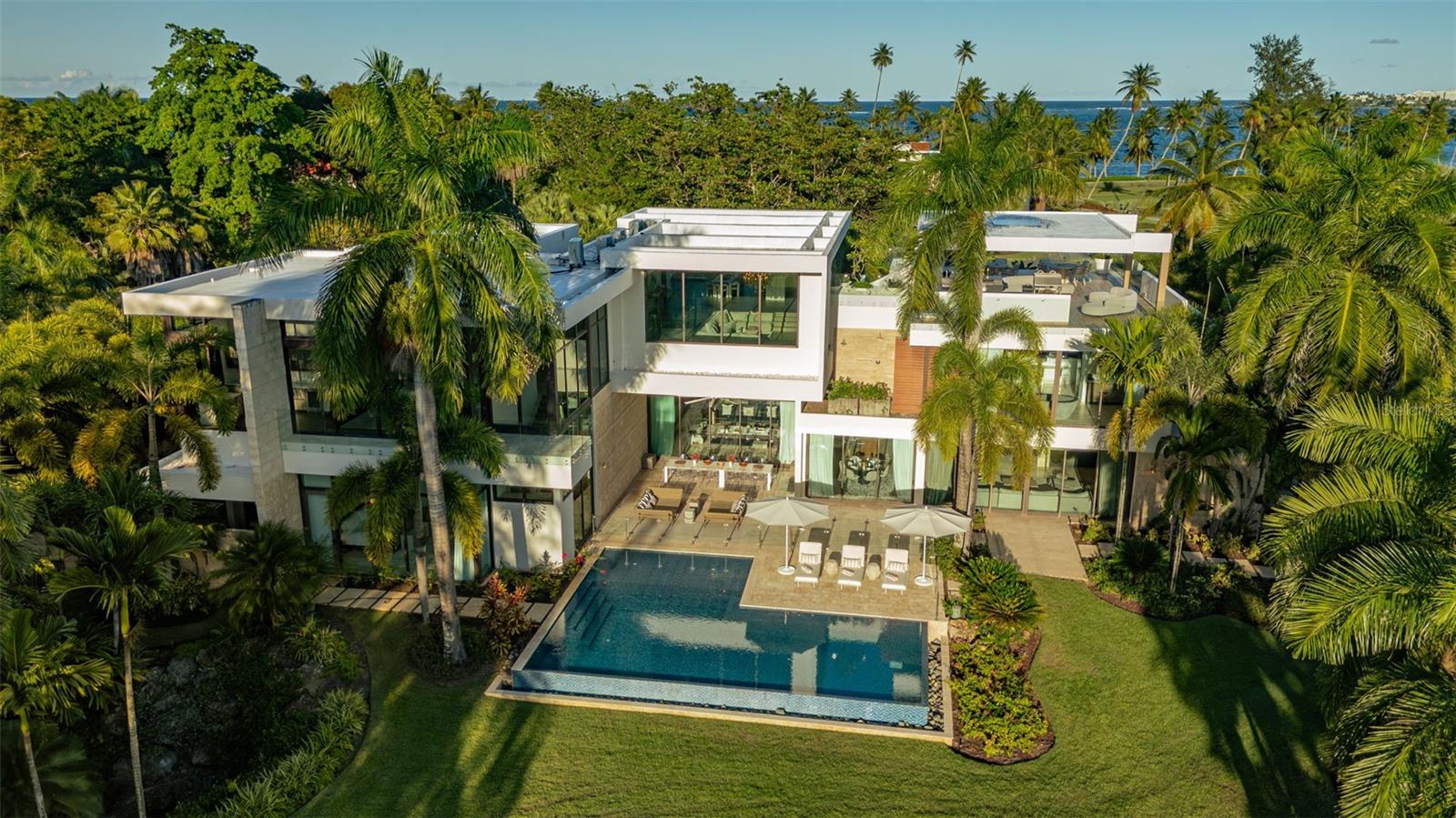
200 Dorado Beach Drive #2210 Dorado, PR, 00646
This stunning oceanfront condominium in the prestigious Dorado Beach Resort offers luxury living with world-class amenities and unobstructed ocean views.
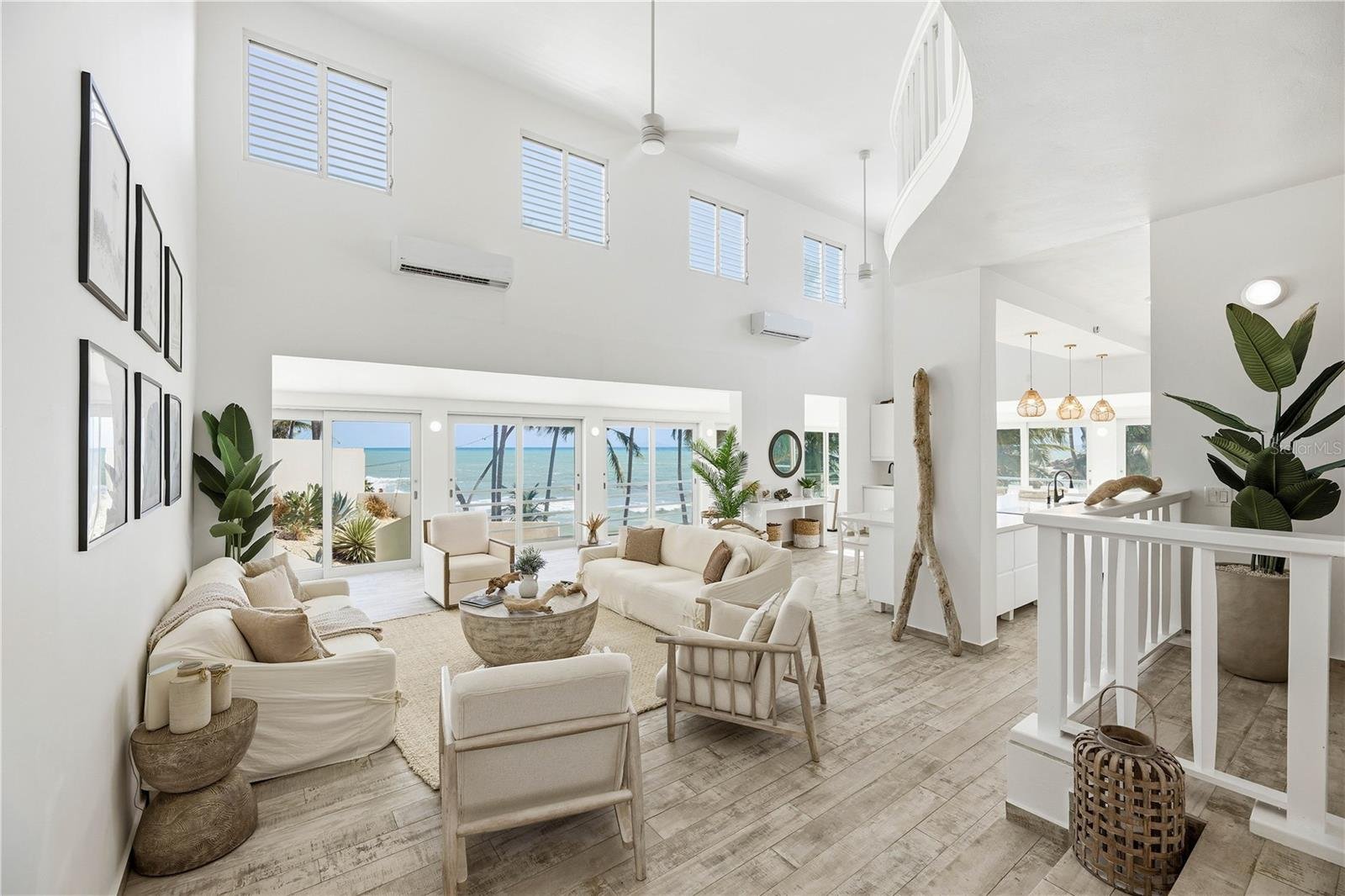
32 SHELL CASTLE HUMACAO PR, 00791
32 Shell Castle is a refined oceanfront Palmas del Mar retreat offering 5 bedrooms, sweeping Atlantic views, expansive indoor-outdoor living, a resort-style pool terrace, solar panels with Tesla Powerwall backup, and access to the community’s premier coastal amenities.
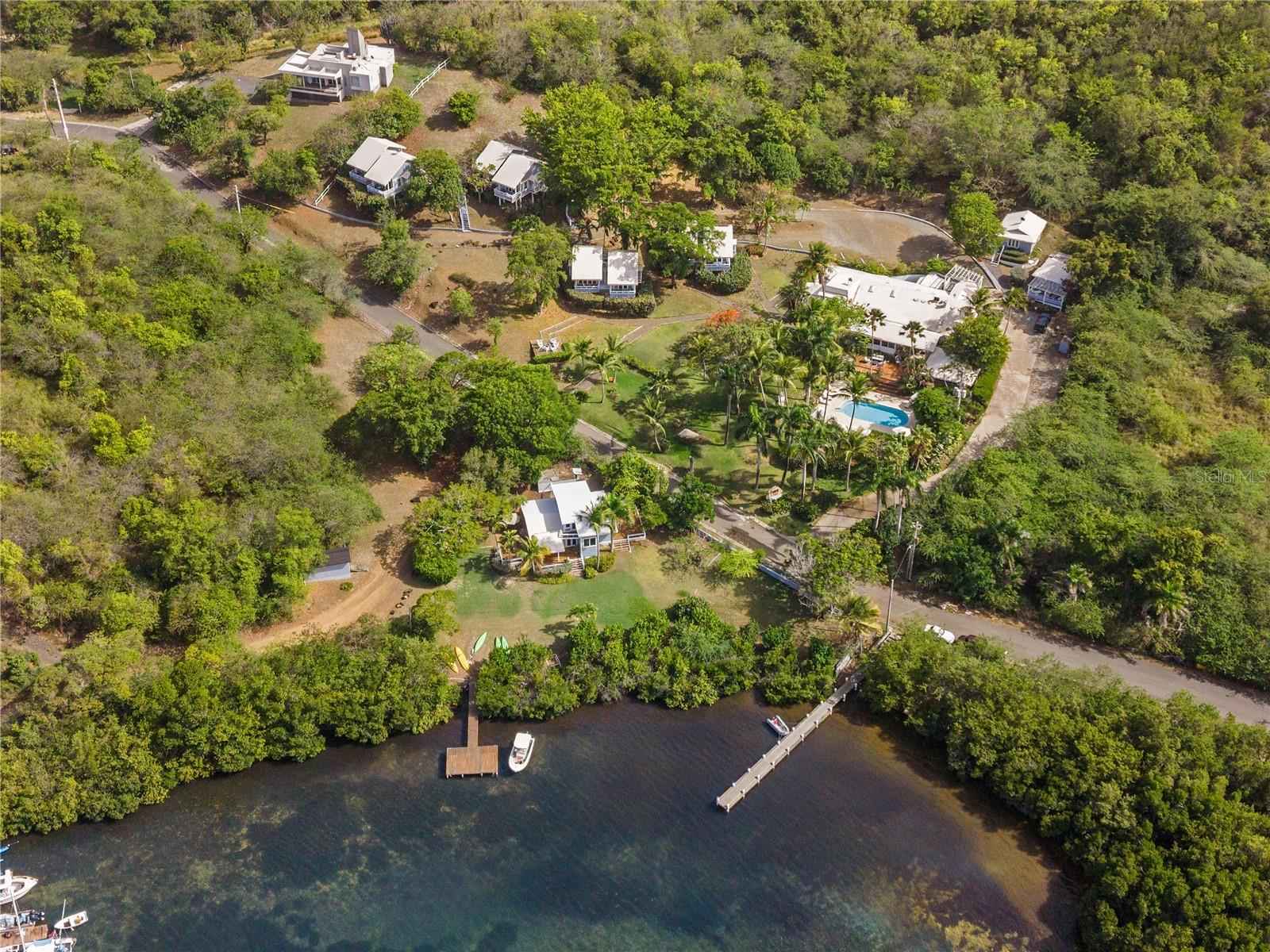
1 SEABOURNE CULEBRA PR, 00775
A rare development opportunity on pristine Culebra with panoramic Caribbean views and approved plans for luxury villa construction.
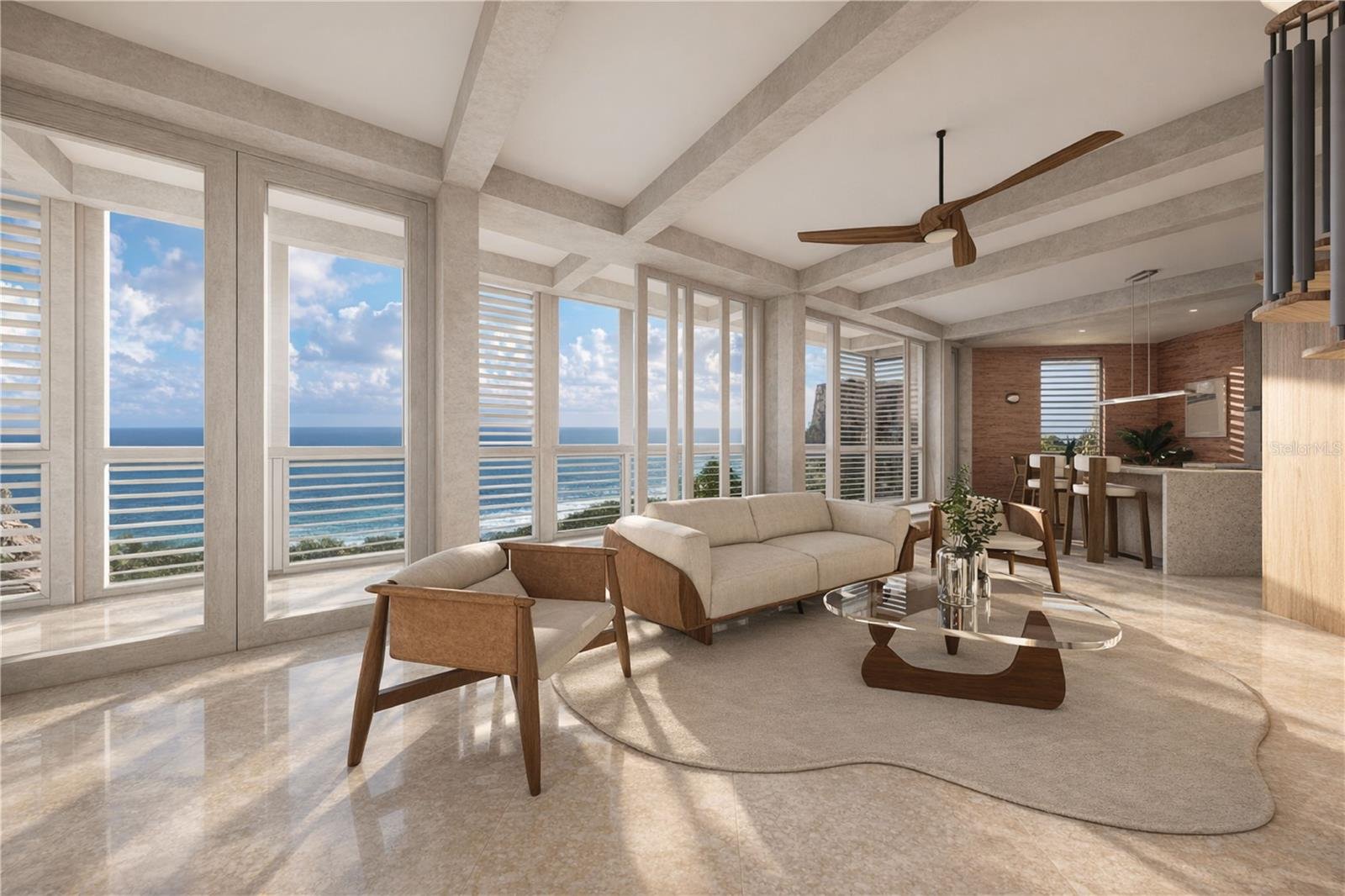
425 SOL ST #Penthouse SAN JUAN PR, 00901
Conclusion
The shift from ARPE to OGPe has transformed Puerto Rico’s permit process, especially for luxury homes, where complex designs, environmental rules, and strict zoning intersect. Delays, redesigns, and escalating costs often stem from regulatory gray areas, so clear understanding is essential. Partnering with experts familiar with the market and permitting system turns potential roadblocks into strategic steps toward successful luxury developments.
If you’re planning to buy, sell, or rent a luxury property in Puerto Rico, we invite you to work with us at Christie's International Real Estate Puerto Rico. We combine deep market expertise with rigorous permit and regulatory due diligence so your transaction—and any planned construction—moves forward with confidence. Talk to us today and let our team guide you to the right property strategy, whether you’re entering the market, repositioning an asset, or unlocking rental potential.
FAQs
What are the main differences between OGPe and ARPE in the context of construction permits in Puerto Rico?
OGPe has replaced ARPE as the sole permitting authority, streamlining the permit process through the Single Business Portal. This transition aims to consolidate multiple applications into one system and improve efficiency, but it has also caused confusion and delays during the adjustment period.
How can legal gray areas impact the timeline of luxury construction projects?
Legal gray areas introduced by the Joint Regulation can lead to significant delays, as projects may require re-evaluation under the new regulations. These uncertainties have caused construction halts and required additional assessments, extending project timelines and increasing costs.
What steps can luxury builders take to minimize permit-related delays?
To minimize delays, luxury builders should submit complete applications with all required technical documentation, work with knowledgeable local architects, and maintain regular communication with OGPe reviewers. Pre-submission meetings can also clarify requirements for complex designs and further streamline the approval process.