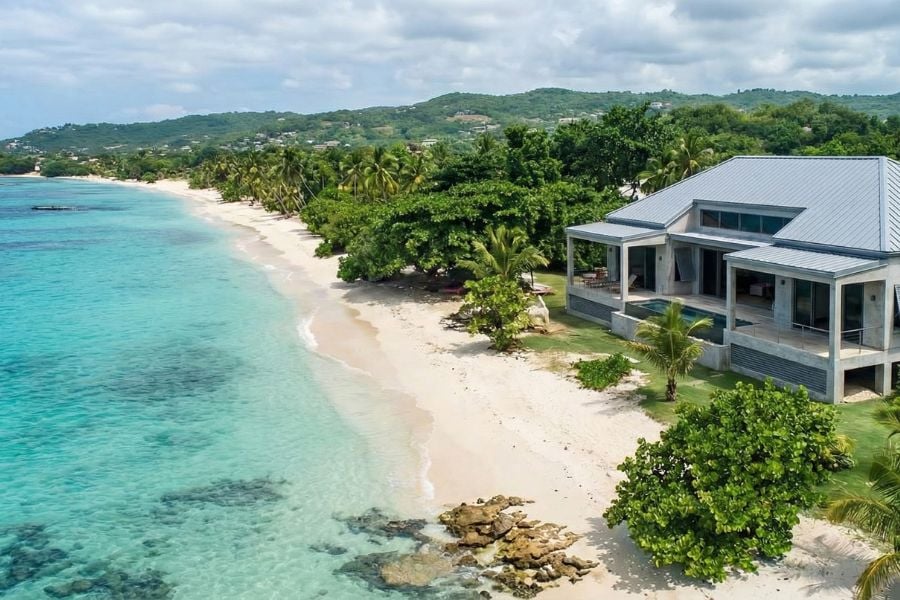
Many older beachfront permits in Puerto Rico no longer provide adequate protection for coastal property investments. DRNA oversight, maritime zone enforcement, and hurricane risk standards have tightened in recent years. Approvals that worked five or ten years ago can now expose buyers to regulatory disputes, construction delays, and insurance complications.
In this article, we walk through the specific agencies, documents, and timelines that serious buyers must verify before committing to any Puerto Rico luxury real estate transaction along the coast.
Key Takeaways
Coastal permits and DRNA/OGPe rules have tightened, making older approvals risky.
Deslinde surveys and setback/easement rules (20m + 30m) are critical for buildable area.
Hurricane-resilient construction and elevation strongly influence insurance costs and long-term property value.
Buyers should allow 45–60 days of due diligence with specialists to verify permits, boundaries, and risk.
Key Agencies and Documents That Actually Protect Your Beachfront Investment
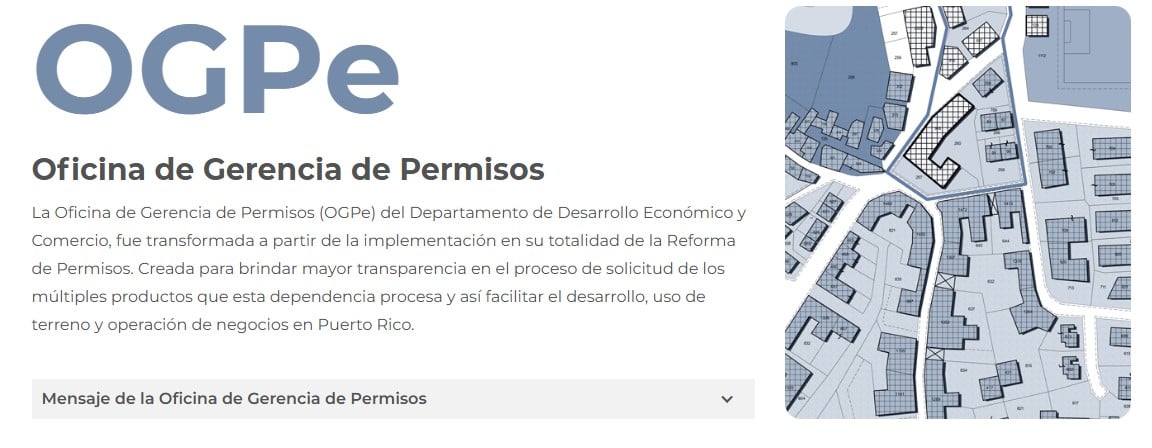
Image Source: permisos.pr.gov
OGPe issues construction permits, while DRNA oversees coastal protection and the maritime zone. In recent years, both agencies have tightened environmental reviews and coastal program requirements. Older permits now face closer scrutiny to confirm they still comply with current standards.
Maritime zone (ZMT) enforcement focuses on preserving public access and stopping unauthorized construction. Coastal setback distances depend on location, erosion patterns, and storm surge risk, and can be substantial. You cannot assume previous approvals or “grandfathered” structures will remain acceptable.
Key documents to review include:
DRNA opinions and endorsements
Environmental and coastal engineering studies
Updated surveys and boundary reports
DRNA Permit Categories and Current Requirements
The permit structure divides coastal projects into several categories, each with specific documentation and approval timelines. Major construction projects require environmental impact statements, coastal engineering studies, and community impact assessments that can take 6-18 months to complete. Renovation projects on existing structures require updated compliance certificates and may trigger requirements for complete hurricane resilient housing upgrades.
Recent changes include mandatory flood zone certifications and updated elevation requirements that affect both construction costs and insurance premiums.
New builds near the coast → often require an Environmental Impact Statement (EIS) or similar environmental document, especially for larger or higher-impact projects.
Major structural expansions → may require coastal engineering analyses and coordination between OGPe, the Planning Board, and DRNA under the Coastal Zone Management Program.
Minor repairs and maintenance → can sometimes proceed under more streamlined permits, as long as they don’t expand the structure or increase risk in the maritime–terrestrial zone.
Maritime Zone Compliance and Boundary Verification
The ZMT encompasses the area between the high and low tide lines, plus additional buffer zones that protect coastal zone ecosystems and public access rights. Property owners must obtain specific authorizations for any improvements within or adjacent to these zones, and enforcement has become much more stringent in recent years. Violations can result in construction stops, fines, and mandatory restoration work that costs far more than the cost of proper initial compliance.
Boundary disputes frequently arise when older surveys conflict with updated coastal mapping or when storm events have shifted natural boundaries.
Projects Facing Strict Controls
Projects that affect the maritime–terrestrial zone (roughly the first 20 meters from the sea) and the 20-meter public use easement typically face the strictest controls and, in many cases, limits on new private construction. Beyond that, island-wide standards often require at least a 50-meter development setback, with additional limits for dense or high-impact projects.
As stated in Puerto Rico Coastal Zone Management Program (PRCZMP):
“According to the amendments, every owner of land adjoining the Maritime Zone shall have the obligation to yield to public use a strip of land of 20 meters inland from the point where the Maritime Zone ends; after this point forward, will be subject to a prohibition of developing the next 30 meters, for a total of 50 meters subject to cession and use restriction.”
Deslinde Surveys and Boundary Certifications for Coastal Properties
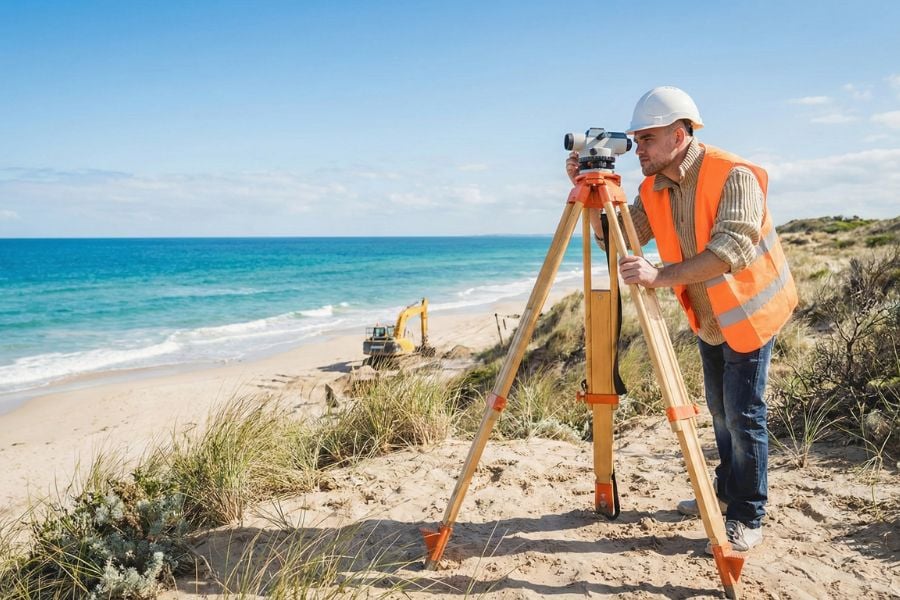
A deslinde survey represents the most critical document for establishing exact property boundaries, especially for coastal lots where natural features like beaches and vegetation lines can shift over time. Many buyers make the costly mistake of accepting "as-is" property transfers without obtaining current deslinde certifications, only to discover later that portions of their supposed property fall within protected coastal law zones or lack buildable area.
This oversight can destroy both development plans and resale value while exposing owners to regulatory violations.
Why Older Surveys Create Investment Risk
Coastal boundaries change naturally through erosion, accretion, and storm events, making surveys older than five years potentially unreliable for development planning. Insurance companies increasingly require updated boundary certifications before issuing coverage for coastal construction projects, and lenders may demand current deslinde documentation for financing approval.
Note: Without proper boundary verification, you risk building on land you don't own or within protected zones that require expensive remediation.
The cost of a proper deslinde survey can easily run into five figures for complex coastal parcels, but it provides essential protection against much larger financial losses.
Legal boundary establishment: Prevents disputes with neighbors and government agencies.
Buildable area verification: Confirms the availability of space for construction within setback requirements.
Insurance qualification: Enables coverage for coastal construction and hurricane damage.
Financing support: Satisfies lender requirements for coastal property loans.
Resale protection: Maintains property value through clear title documentation.
Integration with Hurricane Risk Assessment
Modern deslinde surveys must include elevation certificates and flood zone determinations that directly impact hurricane insurance rates and construction requirements. FEMA has issued updated and proposed flood maps for Puerto Rico since Hurricane Maria, and your property’s flood-zone classification directly affects both building codes and insurance costs. Properties in high-risk zones may require elevation on pilings or other hurricane resilient housing features that add significant construction expenses.
Savvy buyers coordinate their deslinde survey with a comprehensive hazard assessment that evaluates storm surge risk, wind exposure, and required mitigation measures.
The intersection of boundary verification and risk assessment provides the foundation for informed investment decisions on Puerto Rico luxury homes for sale in coastal areas.
Hurricane Risk Mitigation and Insurance Considerations

Hurricane risk assessment now relies on detailed models that evaluate wind speeds, storm surge potential, and structural vulnerability. Insurers use these assessments for coastal properties and adjust rates based on location, elevation, and construction quality. Poor preparation can lead to unaffordable premiums or even limited coverage options.
Modern hurricane-resilient homes focus on both safety and insurability:
Impact-resistant windows and doors reduce breakage and interior damage.
Reinforced concrete and tied-down roofing improve structural performance.
Elevated living areas and utilities lower flood risk and speed recovery.
Thoughtful site drainage helps manage heavy rainfall and standing water.
Construction Standards for Coastal Properties
Wind resistance: Structures must meet current Puerto Rico Building Code wind speeds (based on ASCE 7 hurricane-region maps), which typically exceed 150 mph 3-second gusts in many coastal zones.
Flood elevation: Living areas elevated above base flood elevation plus additional freeboard.
Impact protection: Hurricane shutters or impact-resistant glazing for all openings.
Structural anchoring: Enhanced foundation systems and roof-to-wall connections. For coastal properties exposed to flooding, storms, and changing environmental conditions, regularly assessing the condition of the foundation is an important part of protecting long-term structural integrity and property value.
Utility protection: Elevated mechanical systems and backup power capabilities.
Drainage systems: Enhanced stormwater management and site grading.
Insurance Rate Factors and Mitigation Credits
Insurance carriers often discount premiums for homes that exceed minimum hurricane standards, with stronger mitigation features sometimes cutting the wind portion by 20–40% a year. Over time, the added cost of impact-grade windows, reinforced structures, and elevated systems can pay for itself through lower insurance bills within roughly five to seven years. Homes built to higher standards also tend to hold resale value better and appeal to buyers who prioritize risk management.
When evaluating coastal properties in areas like Dorado Beach and other exclusive communities, confirm which mitigation features are in place and what insurance credits they qualify for.
Due Diligence Process and DRNA Endorsement Reviews

A 45–60 day due diligence period is prudent for any oceanfront acquisition in Puerto Rico. This window allows time for DRNA endorsements, updated boundary checks, and a full permit and zoning review. Shorter timelines make it easier to miss issues that can halt construction or complicate financing.
Key items to review include:
DRNA opinions and endorsements
Current permits in the Single Business Portal
Updated deslinde or boundary surveys
Flood, erosion, and hazard reports
Rushed coastal transactions often reveal costly problems after closing. Our team coordinates this process with specialized attorneys, environmental consultants, and survey professionals.
Essential Steps During the Due Diligence Period
The due diligence process begins with a comprehensive review of all existing permits, environmental clearances, and regulatory compliance documentation to identify any gaps or expired authorizations. We then coordinate with DRNA officials to verify that current permits remain valid and sufficient for your intended use of the property. This verification process often reveals requirements for permit updates or additional approvals that you must factor into your purchase timeline and budget.
Professional guidance during this phase prevents costly mistakes and ensures that you understand exactly what regulatory obligations come with your property.
Document collection: Gather all existing permits, surveys, and environmental studies.
DRNA consultation: Verify current permit status and future requirements.
Boundary verification: Commission updated deslinde survey if needed.
Insurance assessment: Obtain preliminary coverage quotes and requirements.
Engineering review: Evaluate structural integrity and hurricane preparedness.
Legal compliance: Confirm zoning compliance and use restrictions.
Financial planning: Budget for any required improvements or permit updates.
Puerto Rico Luxury Properties for Sale
Christie's International Real Estate Puerto Rico specializes in guiding clients through the complex regulatory landscape while identifying exceptional coastal investment opportunities that meet both current standards and long-term appreciation potential. Our deep understanding of permit requirements, hurricane risk mitigation, and boundary issues ensures that your luxury properties for sale search focuses on assets with solid regulatory foundations and clear development potential.
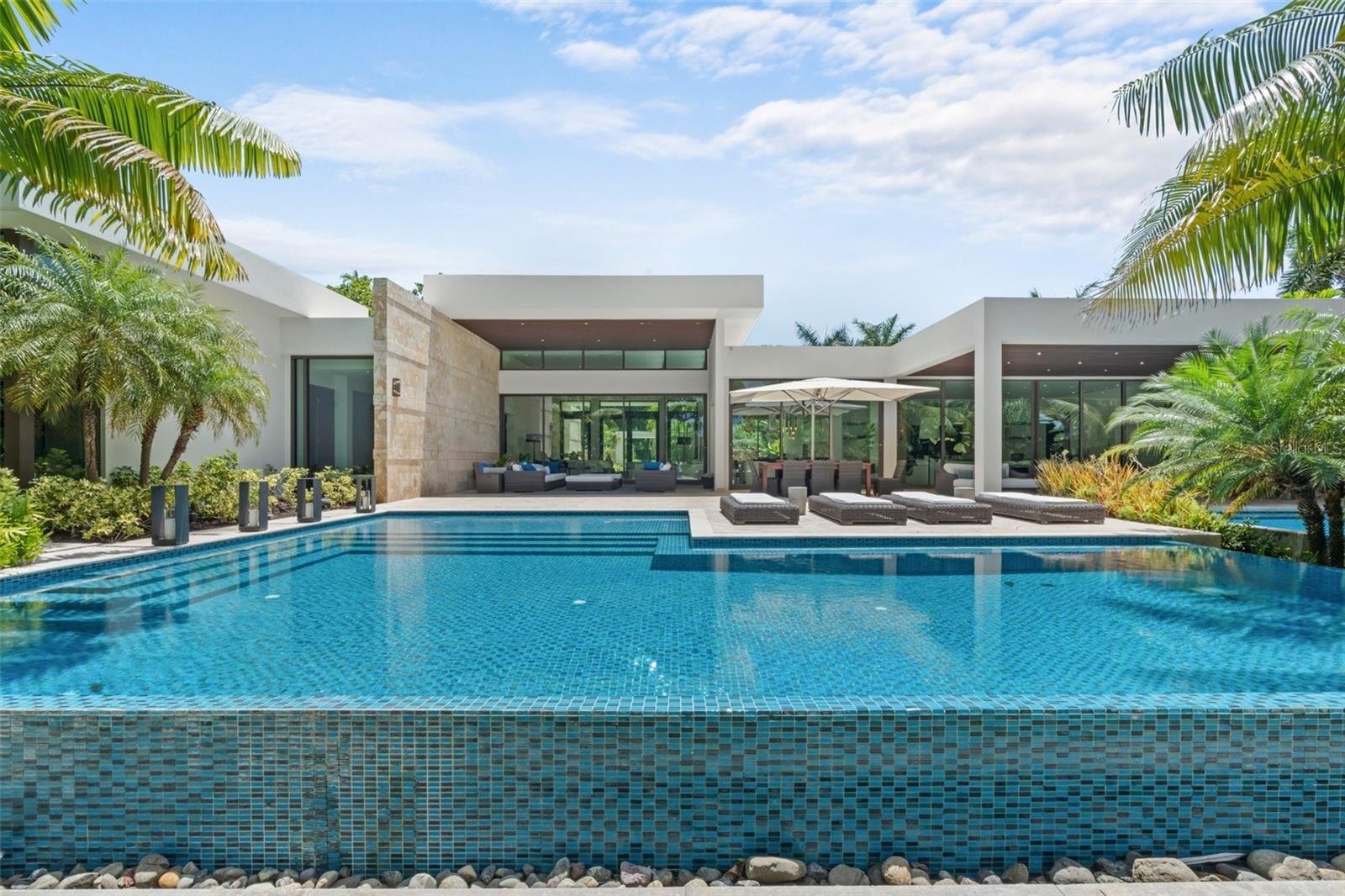
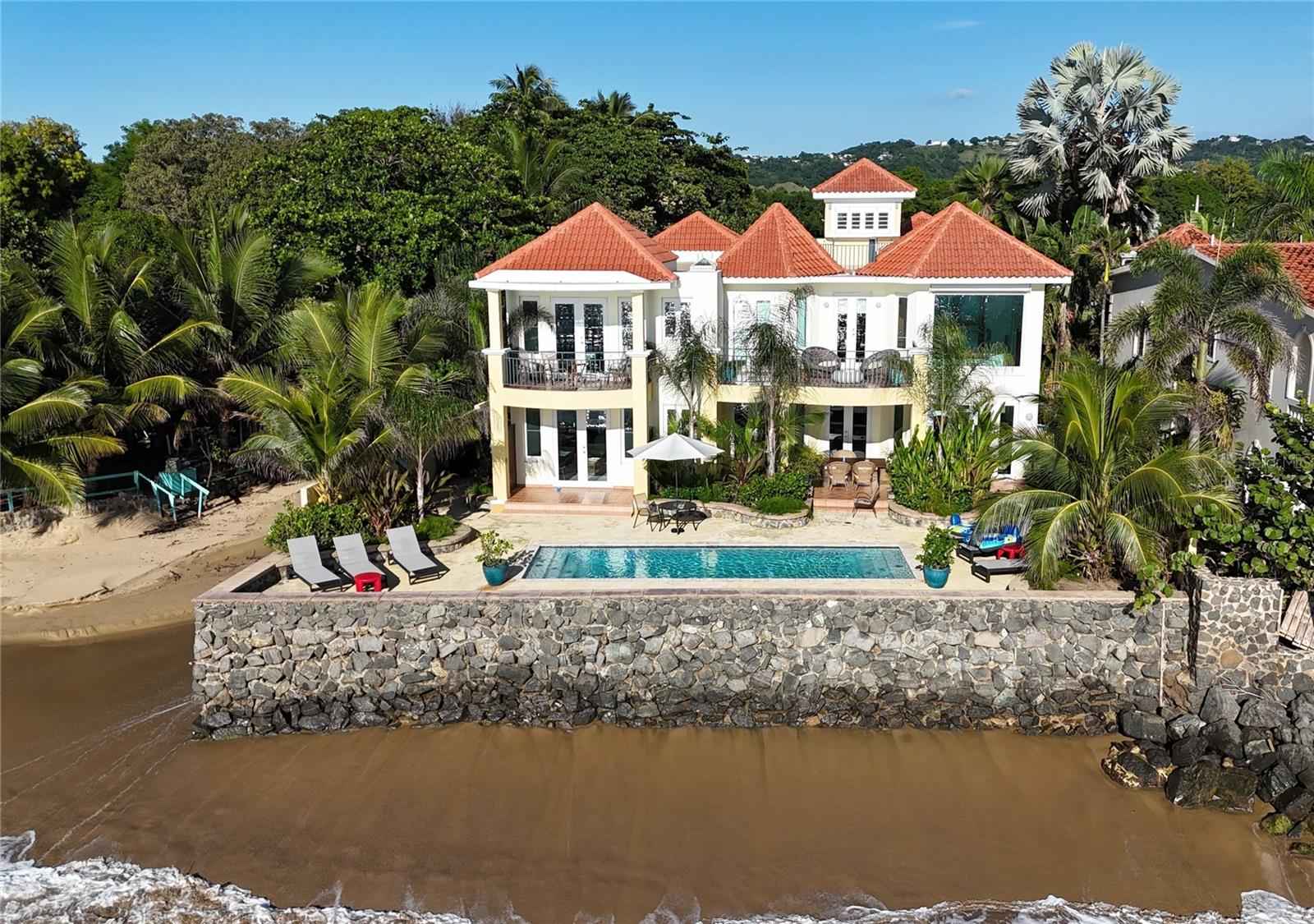
200 Dorado Beach Dr #3 Dorado, PR, 00646
This exceptional Dorado Beach residence offers direct oceanfront access with all current permits and hurricane-resistant construction in one of Puerto Rico's most prestigious gated communities.
13 Carr 429 Rincon PR, 00677
A stunning beachfront estate in Rincon with panoramic ocean views, modern construction that meets current coastal standards, and prime positioning for both personal enjoyment and rental income.
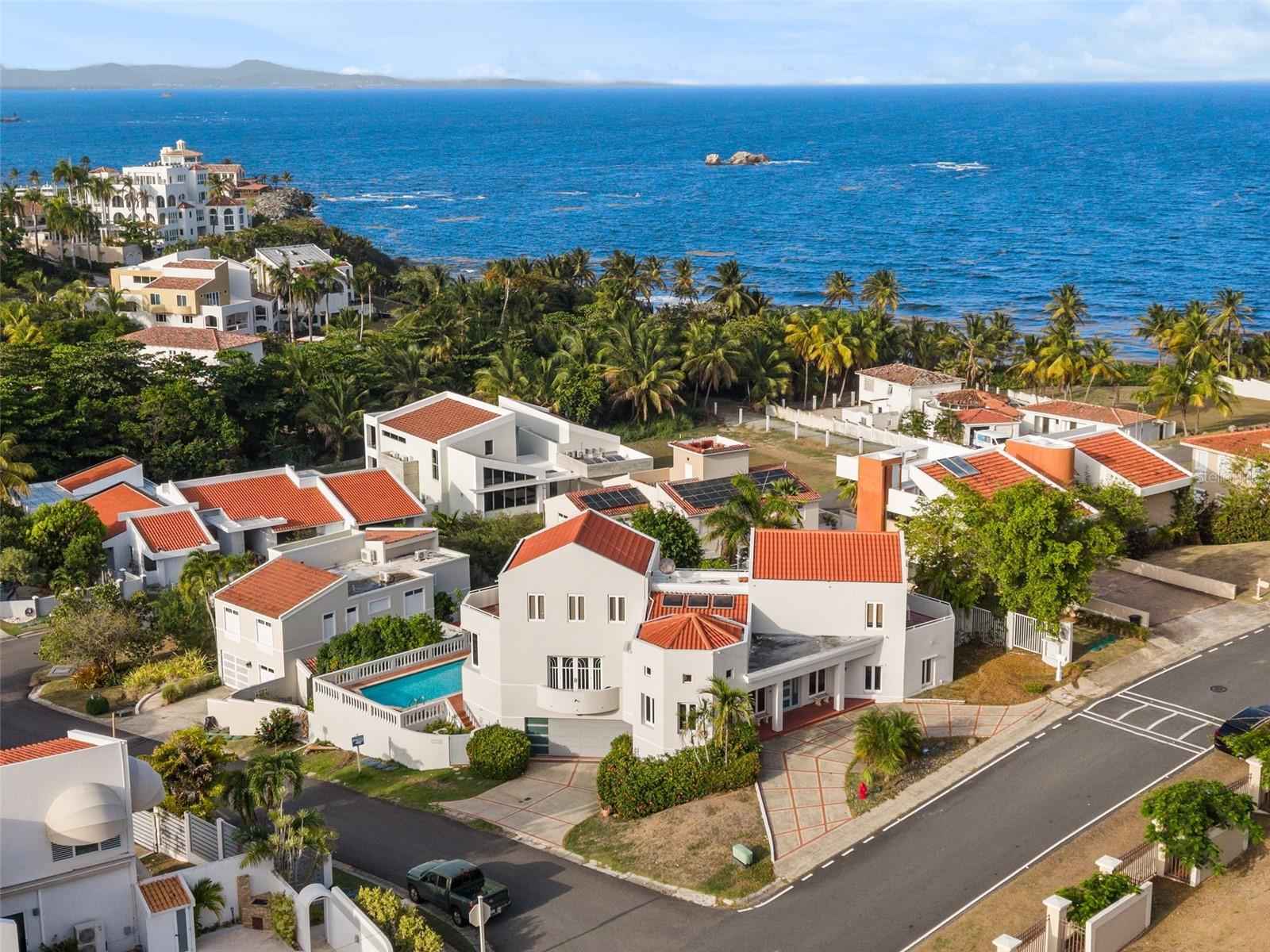
44 SURFSIDE, HUMACAO PR, 00791
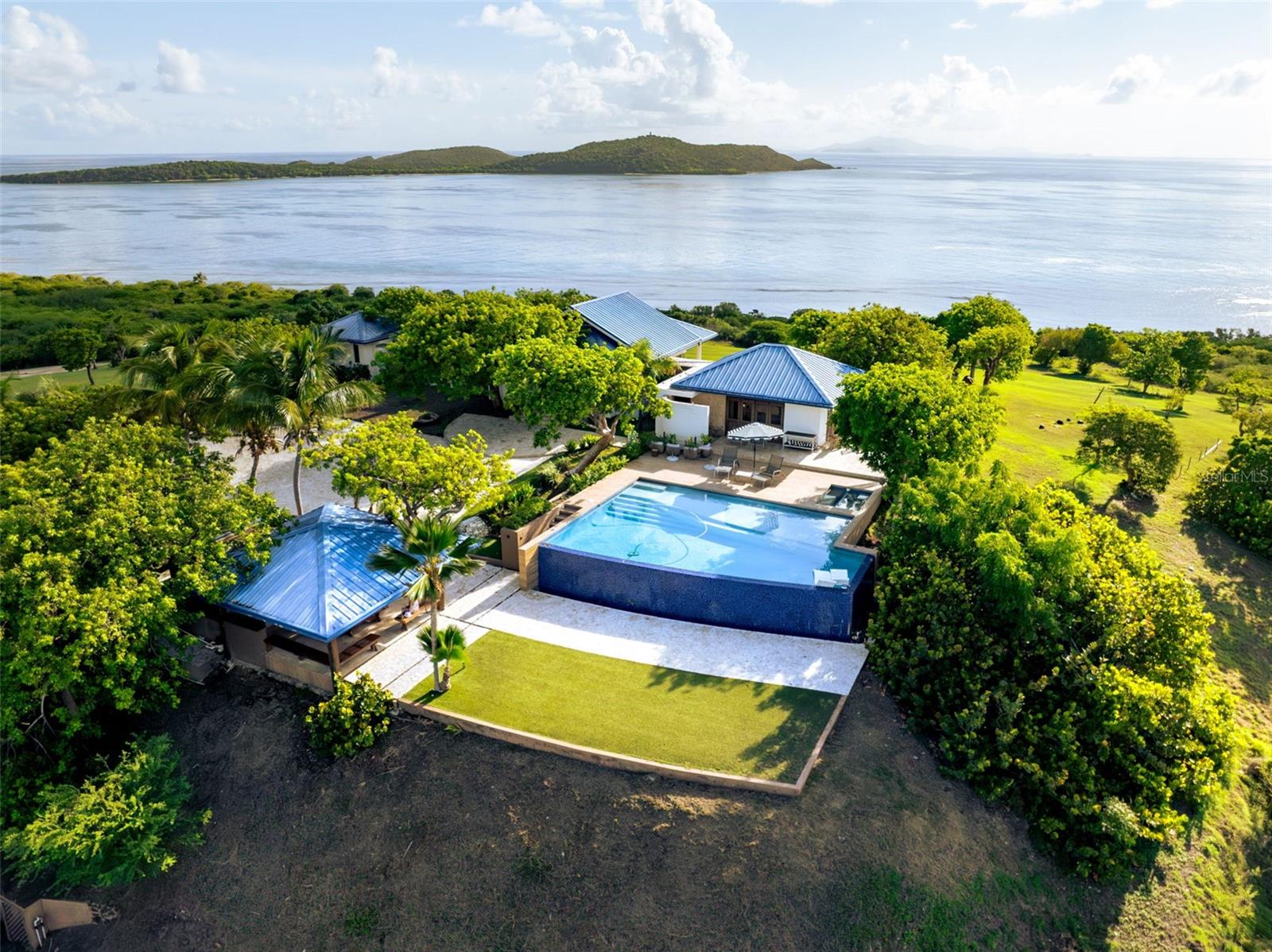
37 BARRIO FRAILES, CULEBRA PR, 00775
Villa Azure is a private 22.05-acre estate in Culebra offering seven bedrooms, panoramic ocean views, an infinity-edge pool, a separate solar-powered guesthouse, and access to a community dock.
Final Thoughts
Protecting your Puerto Rico beachfront investment requires a proactive approach that combines regulatory knowledge, thorough due diligence, and strategic planning. By understanding permit requirements, verifying property boundaries, and integrating hurricane risk mitigation, buyers can avoid costly delays and secure long-term value. In an evolving regulatory landscape, these steps help ensure luxury coastal properties remain both safe and profitable.
At Christie's International Real Estate Puerto Rico, we guide clients through every step of buying, selling, or renting coastal luxury properties, combining local expertise with rigorous due diligence. We help ensure your investment complies with all current regulations while maximizing both your lifestyle and financial returns. Contact us today to work with our team and make confident, informed property decisions.
FAQs
What is a Deslinde Survey and Why is it Important?
A deslinde survey establishes a property's precise boundaries, which is especially important for coastal lots where natural features may shift over time. Obtaining a current deslinde certification is essential to verify buildable areas and avoid regulatory violations that can jeopardize investment plans and resale value.
How Do Hurricane Risk Assessments Affect Coastal Property Investments?
Hurricane risk assessments evaluate a property's vulnerability to storm damage and influence construction standards and insurance costs. Properties built to exceed minimum hurricane-resistant standards can benefit from lower insurance premiums and improved resale value, underscoring the importance of thorough assessments for investment decisions.
What Steps Should Buyers Take During the Due Diligence Process?
During the due diligence period, buyers should collect existing permits, consult DRNA to verify compliance, commission updated deslinde surveys if needed, assess insurance requirements, and evaluate the property's structural integrity.
This comprehensive approach minimizes risk and supports informed investment decisions.