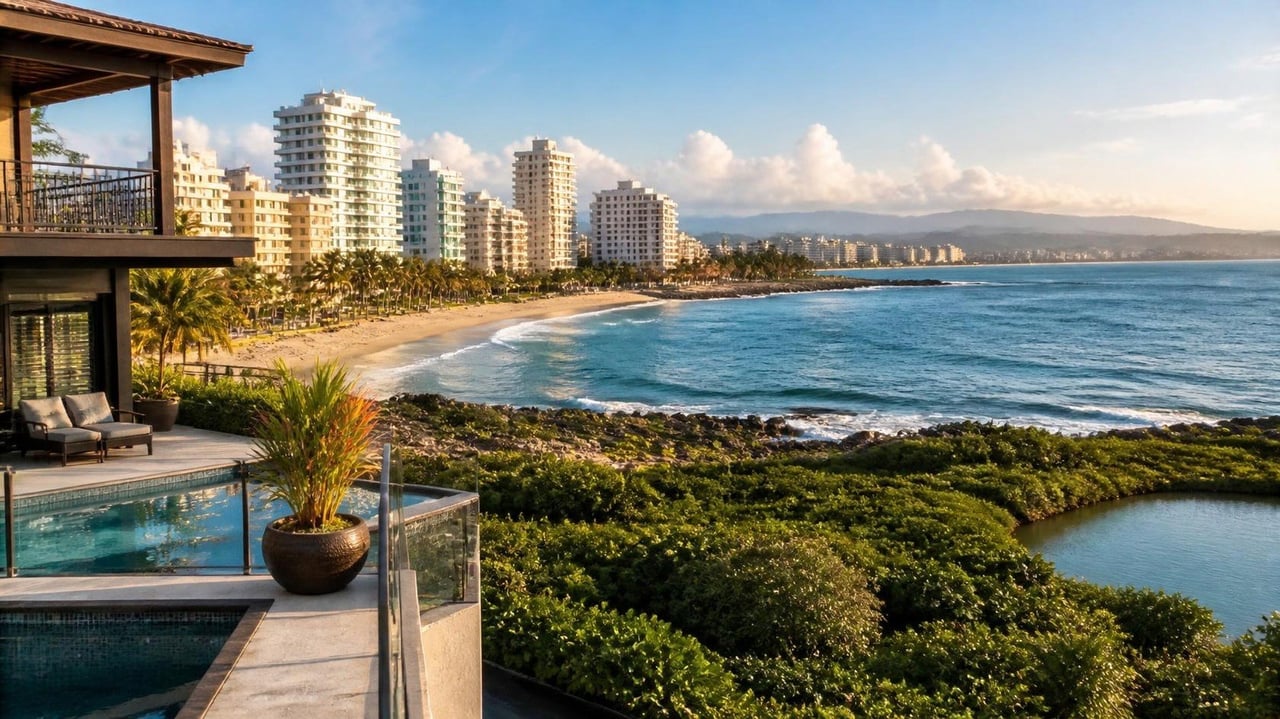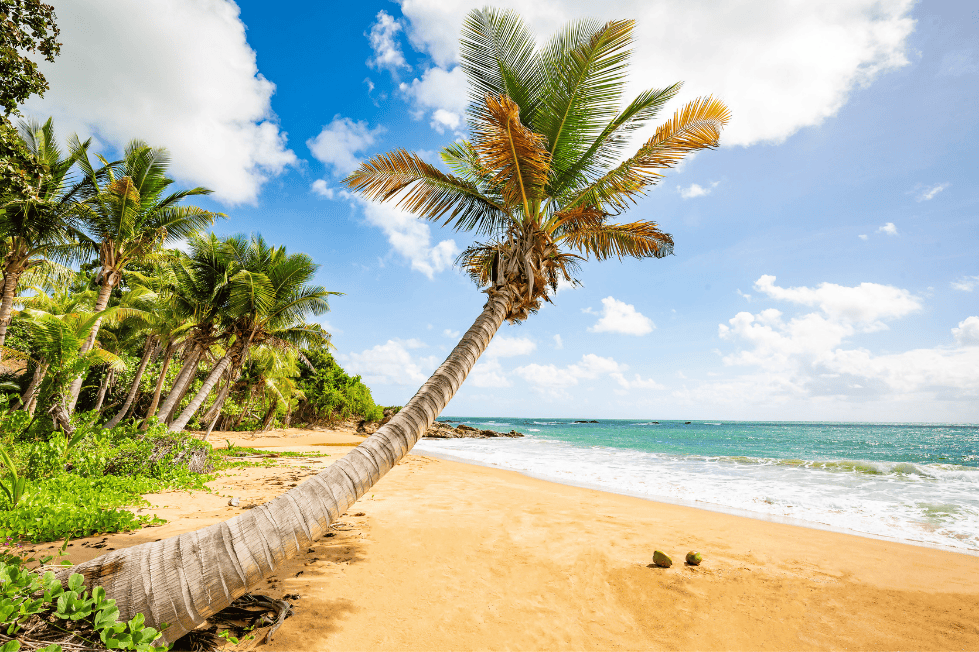
Puerto Rico presents a unique travel experience where Caribbean culture meets American convenience. As a U.S. territory, the island eliminates many typical international travel complications while maintaining its distinct Latin identity. You'll find yourself navigating between Spanish conversations and English signage, using U.S. dollars while experiencing genuine island hospitality.
Key Takeaways
- U.S. citizens can travel to Puerto Rico with a valid government-issued photo ID.
- Renting a car is often the most practical way to explore beyond San Juan.
- Spanish is the primary language, though English is common in tourist areas.
- Weather, road conditions, and utility reliability can vary more than on the mainland.
- Patience, preparation, and cultural awareness will greatly improve your trip.
1. Transportation Realities
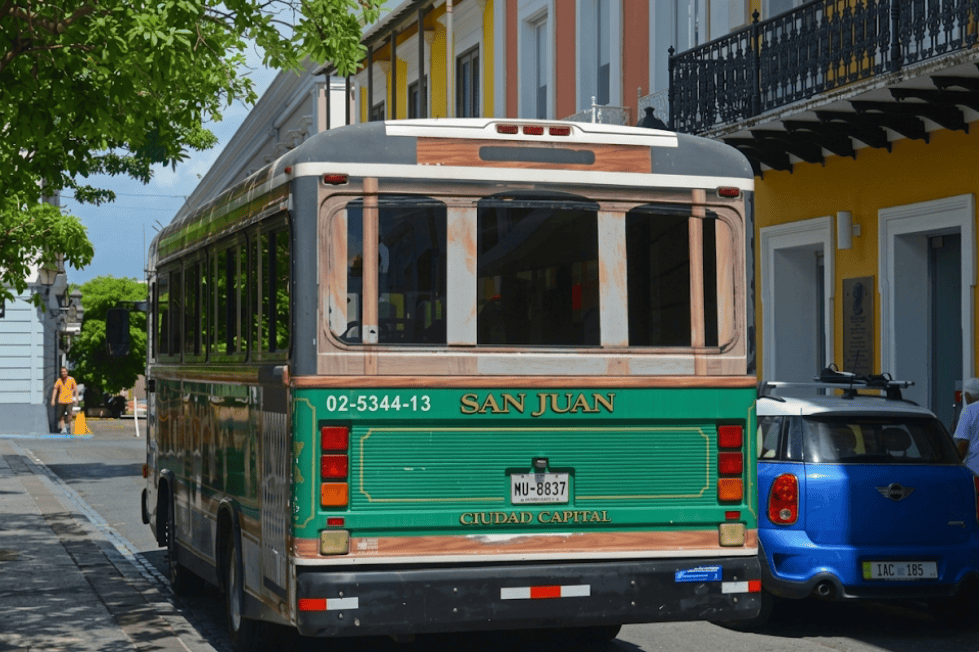
Image Source: puertorico.com
Public transportation barely exists outside the San Juan metropolitan area, making car rental virtually mandatory for island exploration. The Tren Urbano serves only a small portion of San Juan, while buses run infrequently with unpredictable schedules. Most visitors quickly discover that walking and ride-sharing are primarily reliable only within the
- Greater San Juan metropolitan area, including the international airport
- Isla Verde, and
- Condado
Driving in Puerto Rico requires patience and defensive skills due to aggressive local drivers and road conditions that range from excellent highways to pothole-filled side streets. GPS systems sometimes struggle with rural areas where street signs disappear or use local nicknames rather than official names.
Car Rental Essentials
- Book rental cars well in advance during peak season (December-April)
- Choose vehicles with good ground clearance for rural roads
- Verify insurance coverage includes comprehensive protection
- Download offline maps before leaving San Juan
- Ensure your rental car includes an active AutoExpreso tag, as major Puerto Rican highways are completely cashless.
Driving Conditions to Expect
- Narrow mountain roads with steep curves and limited guardrails
- Frequent potholes requiring constant attention
- Aggressive overtaking on two-lane highways
- Limited street lighting outside urban areas
- Flooding during heavy rains in low-lying coastal areas
2. Documentation and Entry Requirements
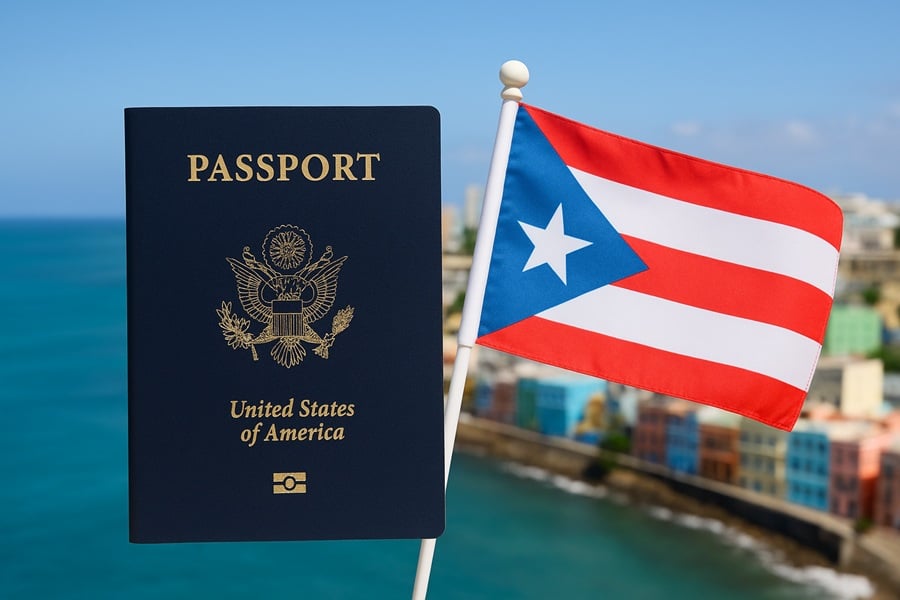
Image Source: uspassport.com
Do you need a passport for Puerto Rico? U.S. citizens require only government-issued photo identification, such as a driver's license or state ID card, for domestic travel to Puerto Rico. The island maintains the same entry requirements as traveling between U.S. states, simplifying arrival procedures significantly. International visitors follow standard U.S. entry requirements, including valid passports and appropriate visas.
Current Puerto Rico travel restrictions remain minimal for domestic travelers, though health protocols may change during public health emergencies.
Traveler Type | Required Documentation | Additional Notes |
|---|---|---|
U.S. Citizens | Government photo ID | Driver's license sufficient |
International Visitors | Valid passport + visa if required | Same as mainland U.S. entry |
Permanent Residents | Green card + photo ID | Standard domestic travel rules |
Minors (under 18) | Birth certificate or passport | Parental consent if traveling alone |
3. Language and Communication
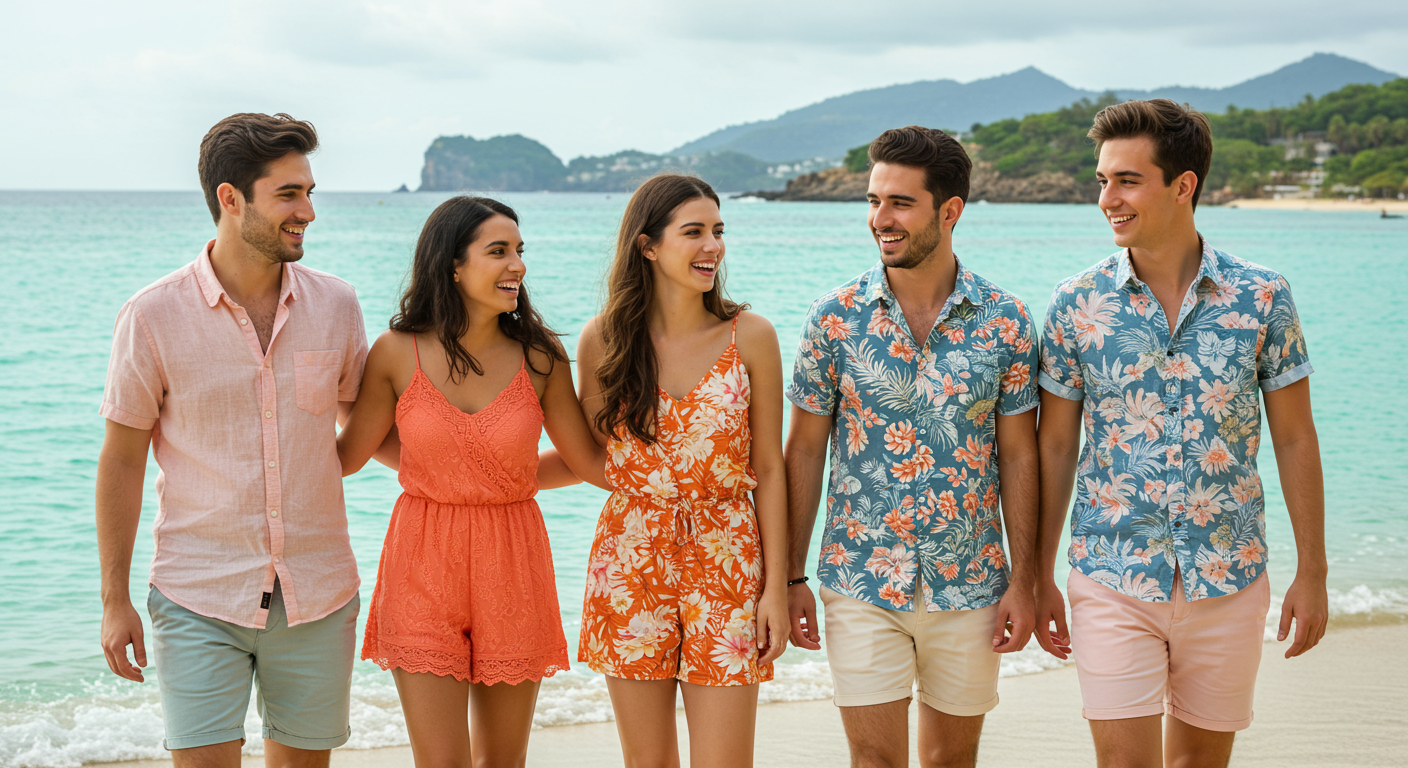
Spanish serves as the primary language for daily interactions despite English holding official status alongside Spanish. Most locals speak some English, particularly in tourist areas, but conversations flow more naturally in Spanish. You'll navigate restaurants, shops, and local services more effectively with basic Spanish phrases or translation apps ready.
Business establishments in Condado, Old San Juan, and major hotels typically operate bilingual with staff comfortable in both languages.
Essential Spanish Phrases
- "¿Habla inglés?" (Do you speak English?)
- "¿Cuánto cuesta?" (How much does it cost?)
- "¿Dónde está...?" (Where is...?)
- "La cuenta, por favor" (The check, please)
- "No hablo español muy bien" (I don't speak Spanish very well)
4. Weather Patterns and Timing
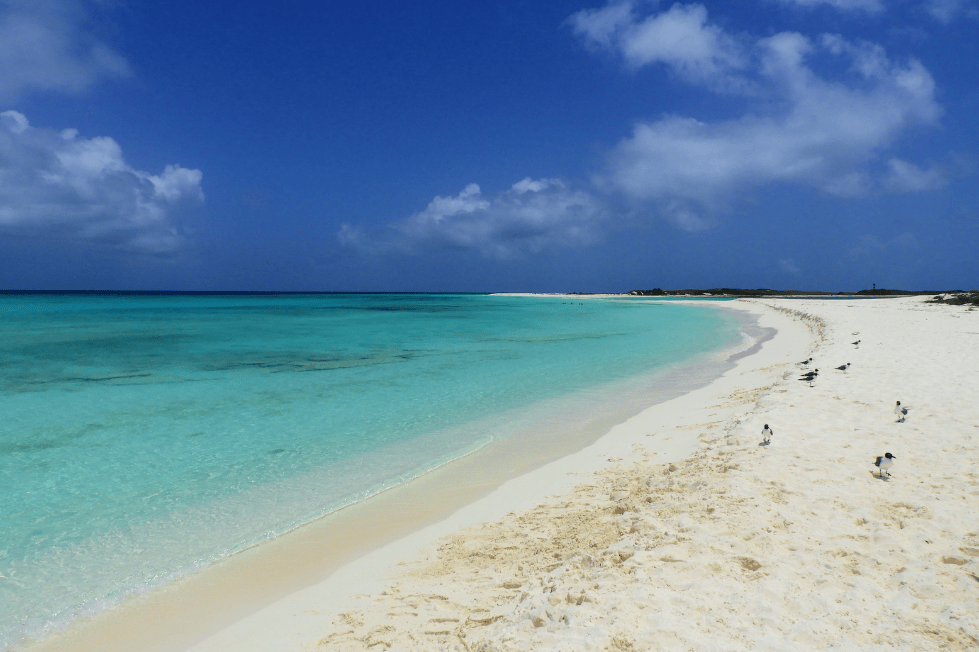
The best time to visit Puerto Rico spans December through April, when humidity drops and rainfall decreases significantly. Trade winds provide natural cooling during these months while temperatures hover comfortably in the 70s and 80s Fahrenheit. Hurricane season officially runs from June 1st through November 30th, with peak activity occurring between August and October.
Summer months bring intense humidity and frequent afternoon thunderstorms that can disrupt outdoor plans.
Seasonal Weather Breakdown
Peak Season (December-April)
- Lower humidity levels
- Minimal rainfall
- Comfortable temperatures 75-85°F
- Higher accommodation prices
Hurricane Season (June-November)
- High humidity and heat
- Daily afternoon storms
- Hurricane risk peaks in August-October
- Lower hotel rates, but weather uncertainty
5. Currency and Payment Methods

U.S. dollarsserve as the official currency, eliminating exchange-rate concerns for American travelers. Credit cards are accepted at most hotels, restaurants, and larger retailers, though many local establishments prefer cash. ATMs operate throughout the island using standard U.S. banking networks, making cash access straightforward for account holders.
Food trucks, local markets, and small family businesses often accept cash only, particularly in rural areas outside tourist zones.
- Carry small bills for tips and local vendors
- Notify banks before travel to avoid card blocks
- Keep cash reserves for emergencies and rural areas
- Tipping follows standard U.S. practices (15-20% at restaurants)
- Some establishments add automatic gratuity for groups
6. Island Time and Service Expectations
"Island time" affects service speed across restaurants, shops, and even some professional services, requiring patience and flexibility with schedules. This cultural pace reflects a more relaxed approach to punctuality that contrasts sharply with mainland U.S. expectations. Meals arrive when ready rather than within specific timeframes, and appointments may start later than scheduled.
Embracing this rhythm rather than fighting it enhances your travel experience and reduces frustration.
Managing Island Time
- Build buffer time into travel schedules
- Avoid tight connection times between activities
- Pack entertainment for potential waiting periods
- Focus on conversation and atmosphere rather than speed
Service Style Differences
- Restaurant meals prioritize quality over quick service
- Retail staff may engage in extended conversations
- Government offices operate at deliberate paces
- Repair services rarely provide exact completion times
7. Safety and Security Considerations

Puerto Rico maintains generally safe conditions for tourists who exercise standard urban precautions and avoid certain neighborhoods after dark. Petty crime occurs in tourist areas, particularly involving unattended belongings on beaches or in rental cars. Violent crime rarely affects visitors but concentrates in specific residential areas that tourists typically don't encounter.
Natural hazards pose more significant risks than crime, including strong ocean currents, sudden weather changes, and challenging hiking terrain.
Risk Category | Level | Primary Precautions |
|---|---|---|
Petty Theft | Moderate | Secure valuables, avoid displaying expensive items |
Violent Crime | Low for tourists | Stay in tourist areas, avoid isolated locations at night |
Natural Hazards | Moderate to High | Check weather, respect ocean warnings, use guides for hiking |
Traffic Accidents | Moderate | Drive defensively, avoid night driving in rural areas |
8. Infrastructure and Utilities
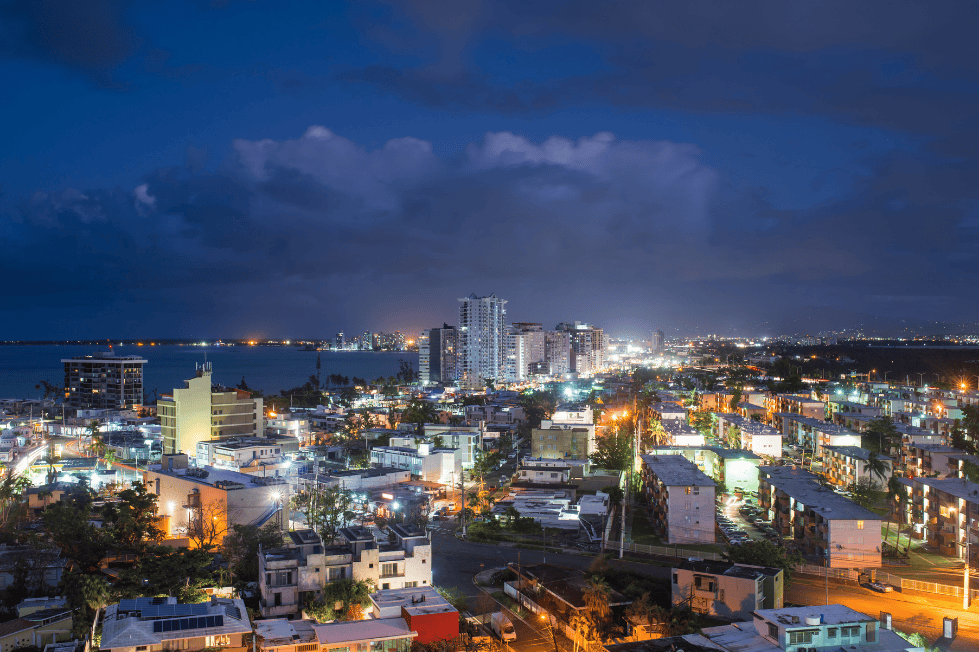
Electrical systems match mainland U.S. standards with 110V outlets and standard plug configurations, eliminating the need for voltage converters or special adapters. Internet connectivity varies dramatically between urban and rural areas, with San Juan offering reliable high-speed access while mountain regions may experience slower or intermittent service. Water quality meets U.S. standards in most areas, though some visitors prefer bottled water during adjustment periods.
Cell phone coverage extends throughout populated areas but weakens significantly in mountainous regions and remote beaches.
Utility Reliability
- Power outages occur more frequently than mainland U.S.
- Water pressure may fluctuate in older buildings
- Air conditioning becomes essential during the summer months
- Backup power systems are common in hotels and restaurants
9. Local Customs and Etiquette
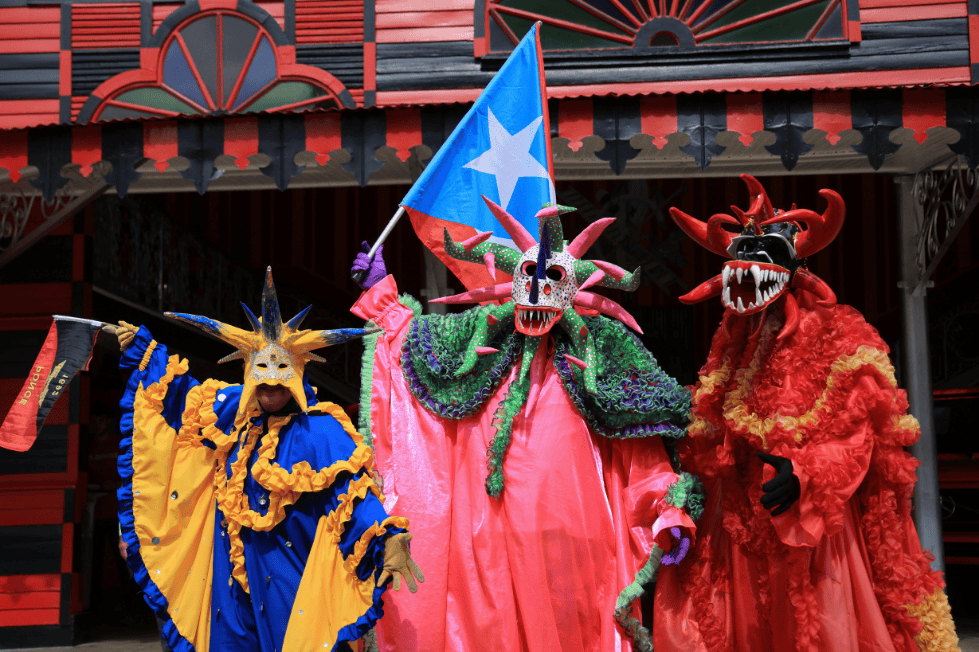
Puerto Rican culture emphasizes personal relationships and extended conversations, making rushed interactions feel rude or dismissive. Greetings involve handshakes or cheek kisses, depending on familiarity levels, while maintaining eye contact shows respect and interest. Family connections influence business relationships, and referrals carry significant weight in professional dealings.
Dress codes lean toward conservative styles, particularly when visiting religious sites or government buildings.
Cultural Norms
- Address elders and professionals with formal titles initially
- Accept invitations to family gatherings as genuine hospitality
- Avoid discussing politics unless locals initiate the conversation
- Show appreciation for local food and cultural traditions
- Respect religious symbols and practices throughout the island
Business Etiquette
- Personal relationships precede business transactions
- Punctuality expectations vary by industry and formality level
- Written agreements require careful review of Spanish translations
- Professional networking occurs through family and social connections
Properties for Sale and Properties for Rent
When traveling, one of the top priorities is finding the perfect place to stay, whether it’s a vacation rental or a more permanent residence where you can unwind and feel at home. At Christie's International Real Estate Puerto Rico, we offer a curated selection of exclusive luxury properties and properties for sale tailored to meet diverse needs. Our listings include some of the most prestigious Puerto Rico real estate, ensuring that your staycation experience is as comfortable and luxurious as possible.
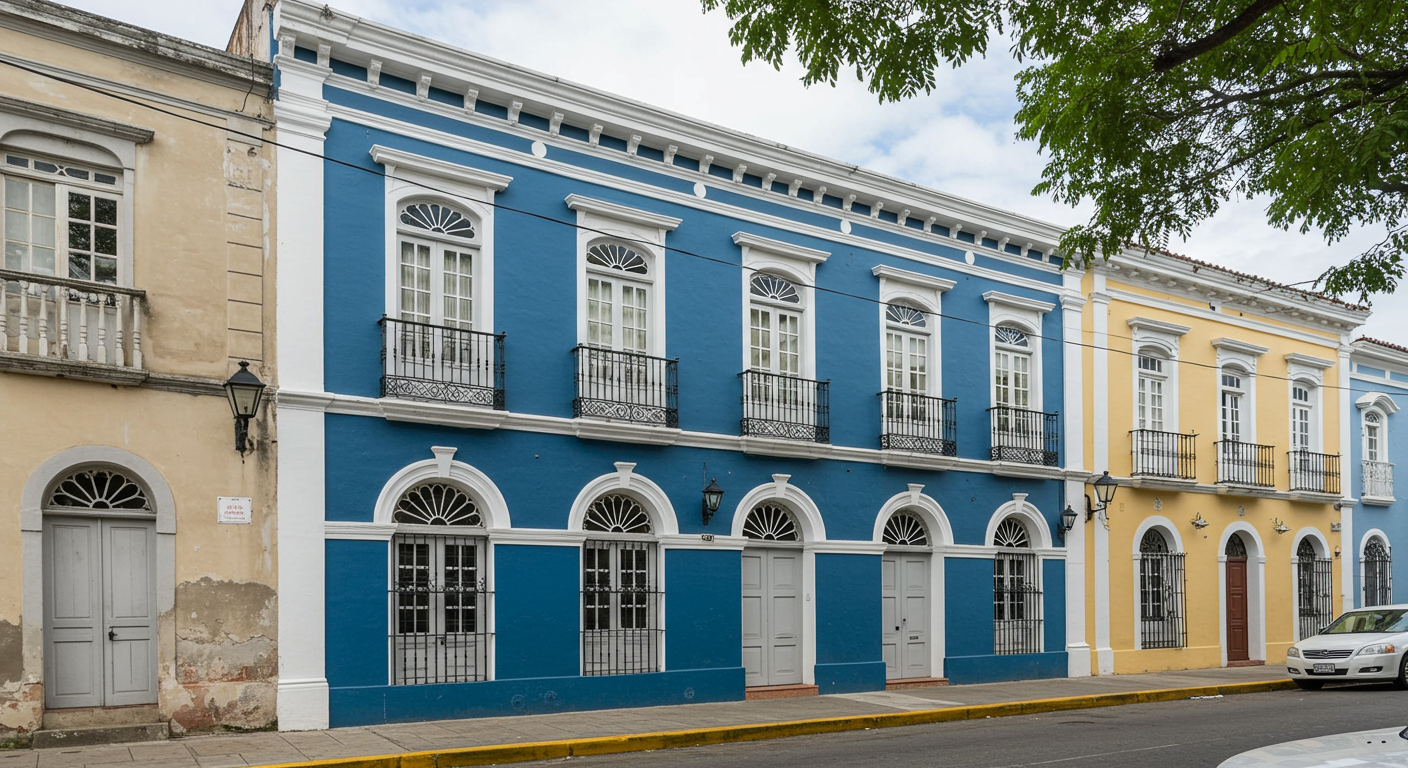
9 Del Mercado Unit: 2, San Juan, PR 00901, Puerto Rico

1 CERVANTES #9 PH SAN JUAN PR, 00907
For Sale: Turnkey beachfront penthouse in Condado offering 3,200 sq. ft., panoramic ocean views, four bedrooms, five bathrooms, a flexible entertainment room, and two parking spaces.

200 DORADO BEACH DRIVE #2210 DORADO PR, 00646
For Sale: Villa D’Or is an iconic Ritz-Carlton Reserve estate in Dorado Beach offering over 10,700 interior sq. ft., six bedroom suites, exceptional entertainment amenities, and sweeping ocean, golf course, and lake views.
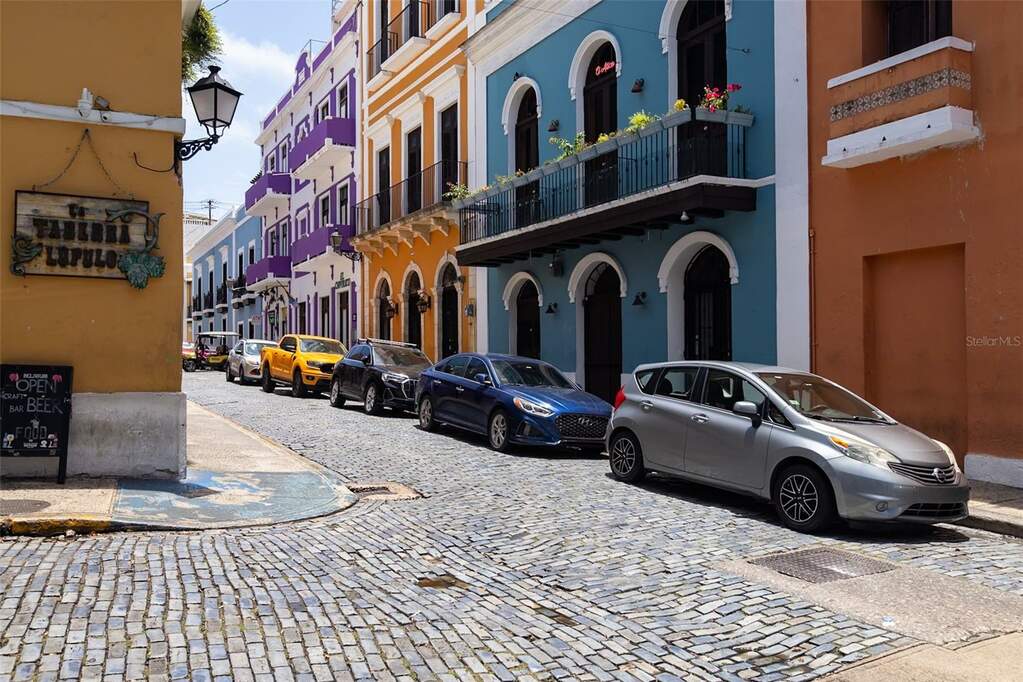
9 Calle Del Mercado, San Juan, PR 00901, Puerto Rico
For Sale: A restored century-old Old San Juan property featuring three income-producing units, an 11.9% cap rate, and an expansive private rooftop with panoramic views of El Morro, La Perla, and the harbor.
Conclusion
Puerto Rico offers a distinctive blend of American convenience and Caribbean culture, creating both opportunities and challenges for travelers. Understanding these practical realities—from transportation necessities to cultural rhythms—helps you navigate the island more effectively while appreciating its unique character.
You may be exploring luxury real estate opportunities in Dorado or discovering hidden beaches along the coast. Either way, preparation and cultural sensitivity will enhance your Puerto Rican experience. At Christie’s International Real Estate Puerto Rico, we help clients buy, sell, and rent luxury properties across the island with the local expertise and personalized guidance needed with confidence.
FAQs
Do I need a travel adapter or special SIM card in Puerto Rico?
No adapter is needed for U.S.-style plugs, but service can be spotty outside cities—download maps, tickets, and key info ahead of time, and consider an eSIM/plan that includes Puerto Rico if your carrier treats it differently.
Are beaches and hikes “swim at your own risk,” or are there safety systems?
Many beaches have limited lifeguard coverage and rip currents can be serious; follow flag warnings, ask locals about conditions, and use guided tours for remote hikes or river adventures, especially after heavy rain.
What should I know about taxes, fees, and receipts when budgeting?
Expect sales tax to vary by municipality and watch for resort fees, parking charges, and automatic service charges on restaurant checks; review receipts before tipping extra so you don’t double-pay gratuity. For questions, use the contact form.
Is Puerto Rico a beautiful island?
Puerto Rico is widely recognized for its breathtaking beauty, encompassing pristine beaches, majestic mountains, rich history, and vibrant culture. This island offers many experiences that nourish body and soul, all within a sun-kissed Caribbean paradise. The people of Puerto Rico are known for their warmth and friendliness, ensuring visitors feel more like family than tourists.
Why is Puerto Rico special?
What makes Puerto Rico special goes beyond its natural beauty. It's where nature's marvels extend into subterranean wonders, such as the Rio Camuy Caves, one of the largest global cave networks. From the mangrove beaches of La Parguera to the surf town of Rincon and the lush El Yunque Rainforest, Puerto Rico offers unique experiences.
Cultural highlights include the Paseo de La Princesa, Casa Bacardí, and the Toro Verde Adventure Park. The island is also home to lesser-known treasures like Navio Beach, Mona Island, and the historic Cathedral of Our Lady of Guadalupe, adding depth to its allure.