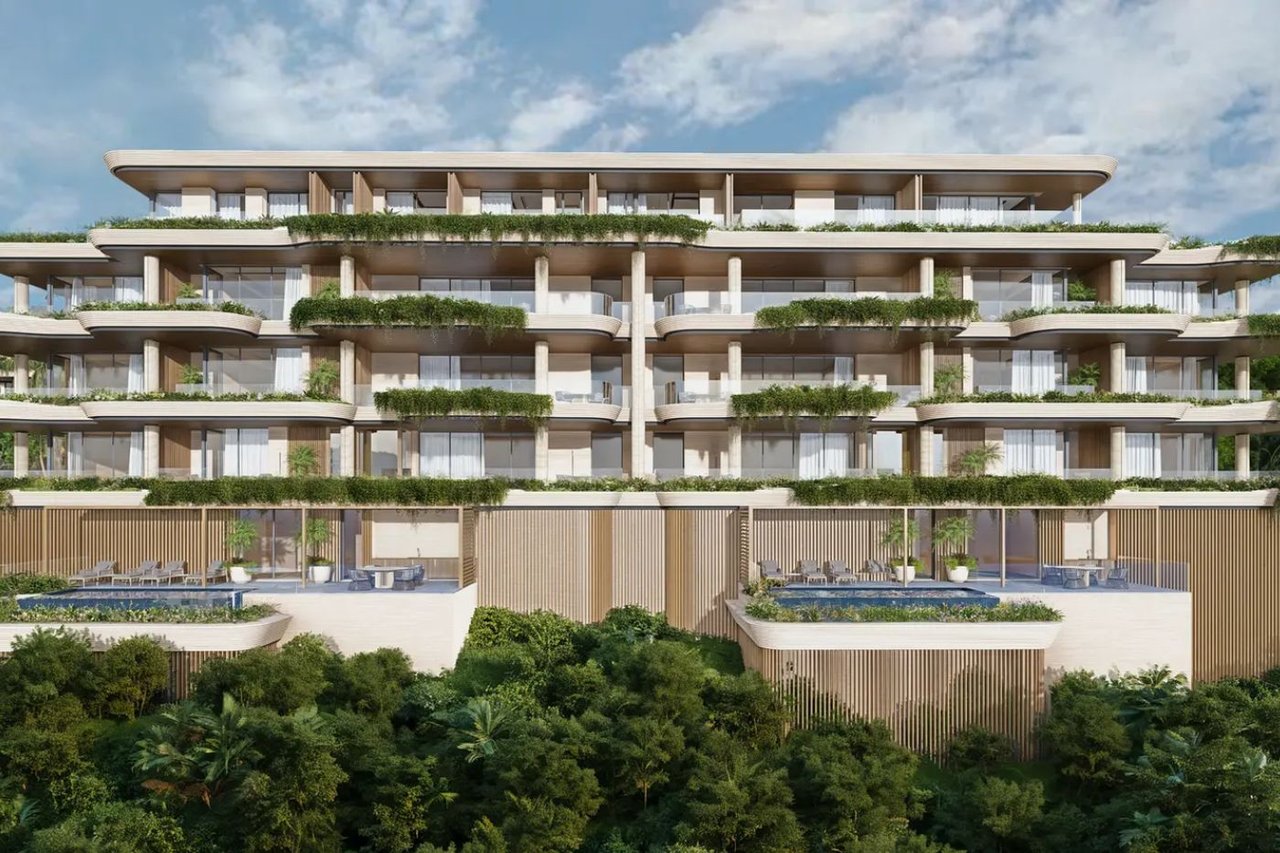
In Puerto Rico, a single beachfront lot in Dorado or a walk-up in Old San Juan can carry 20, 30, even 45 names on one deed — the result of generations of forced heirship rules stacking heirs on top of heirs without a full probate cleanup. In older Dorado, Condado, and Old San Juan properties, these searches routinely surface heirs scattered across the mainland and overseas, alongside estates that have gone unsettled for decades.
This article untangles how these fragmented-ownership deeds happen and what buyers and investors should do before wiring a deposit on an inherited property.
Key Takeaways
Puerto Rico reserves 50% of every estate for children, parents, or a spouse, regardless of the will.
Decades of skipped probate stack heirs across generations onto one deed.
Since 2020, a surviving spouse inherits in full ownership alongside descendants, not just usufruct.
Clouded title, unpaid CRIM taxes, and non-cooperative heirs are the top three closing traps.
Most heir-property deals close in cash, since lenders require clear, insurable title.
Why Puerto Rico Properties End Up With Dozens of Names on the Deed
Puerto Rico's civil-law forced heirship system automatically reserves a mandatory share of every estate for children, or for parents if there are no descendants, and for a surviving spouse. When families skip formal probate for decades, those mandatory shares stack up across generations on a single deed.
Who Counts as a Forced Heir
Under the current Civil Code, forced heirs include descendants first, ascendants in their absence, and the surviving spouse, who since the 2020 Civil Code reform inherits in full ownership alongside the descendants rather than receiving only a usufruct, according to Riefkohl Law's overview of Puerto Rico estate planning.
The 50 Percent Reserve
A will can only redirect the freely disposable half of an estate, since the forced-heirship reserve locks up the other half regardless of what a testator wants — a point confirmed by estate planning attorneys who note the current reserve sits at 50 percent of the estate, per Riefkohl Law's overview of Puerto Rico estate planning. One commenter describing an eleven-child estate on a Puerto Rico community forum noted that each child receives a mandatory share, which means the property ends up fragmented among many owners and any later sale requires coordinating signatures or powers of attorney from all of them.
Where This Shows Up Most
This pattern shows up most often in older Condado buildings and rural lots near Dorado that passed through three or four generations without anyone filing the paperwork to formally record the change in ownership. Heirs generally cannot record real property in their own names unless the hereditary title has already been recorded, or is recorded at the same time, which is exactly why so many deeds still list a deceased grandparent as owner of record decades after death, according to the Puerto Rico property registry statute.
Common Property Traps for Buyers Once You Find the Deed
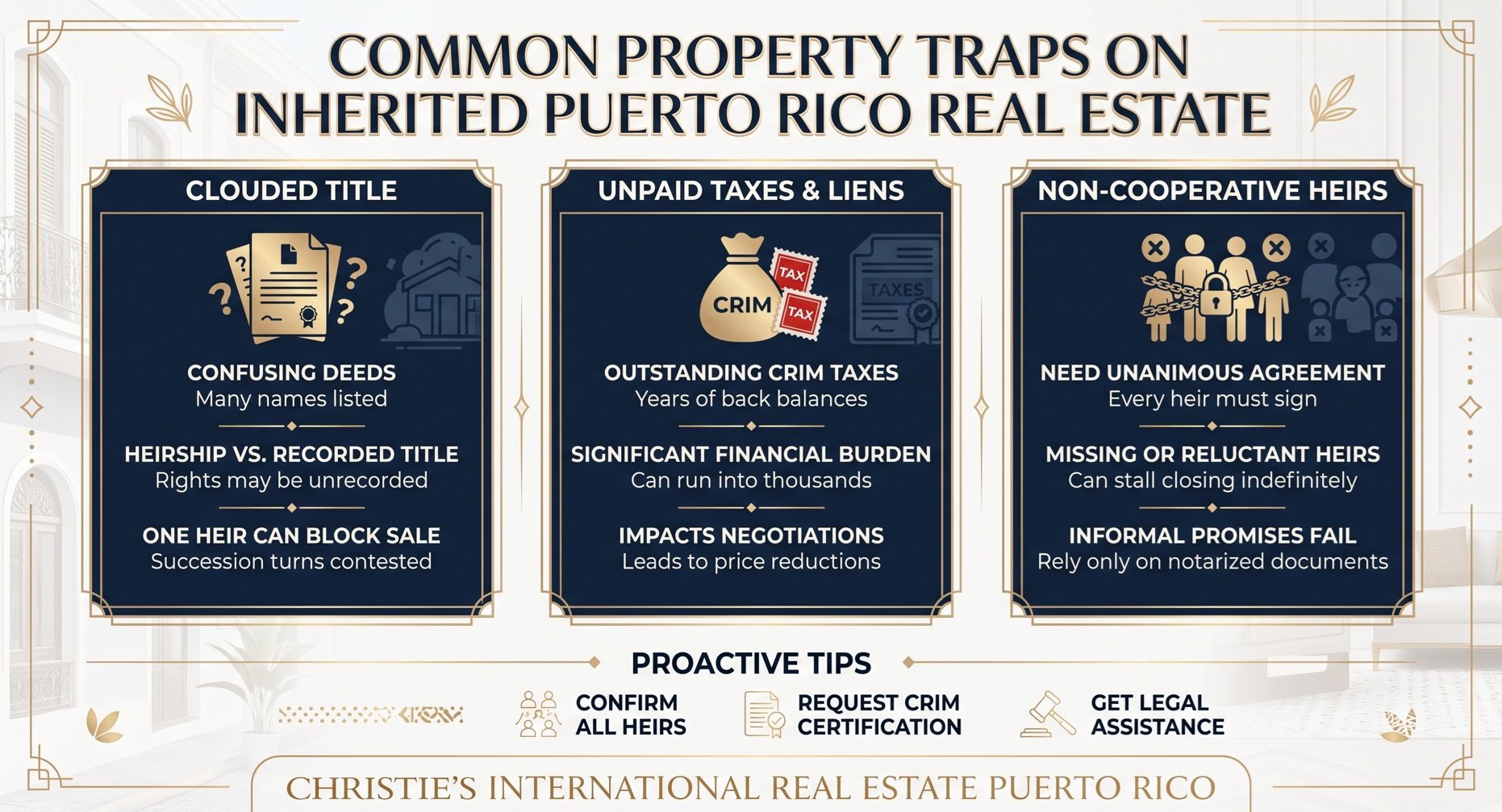
The traps buyers hit on Puerto Rico inherited property fall into three recurring categories: clouded title, unpaid taxes, and heirs who simply won't sign. Each can stall a closing for months or years if it's missed early in the title search.
Unclear or Clouded Title
A deed listing dozens of names rarely reflects who actually holds legal authority to sell, because heirship rights and recorded title are two different things under Puerto Rico succession law. Because forced heirs can't be fully disinherited under Puerto Rico law, any single heir can block a sale, turning a property tied up in succession into a multi-year, contested process unless every heir cooperates or is bought out.
Unpaid Property Taxes and Liens
Before any transfer can close, a CRIM certification confirming property taxes are current has to be issued, and inherited properties frequently carry years of unpaid balances that nobody in the family has addressed, per the probate process outlined by ZSP Law's guide to Puerto Rico probate.
On inherited parcels across Dorado and the coastal municipalities, unpaid back-tax balances can run into the tens of thousands of dollars, and this frequently reshapes the negotiation into a price reduction rather than a straight cash close.
Non-Cooperative or Missing Heirs
One heir cannot sign over a co-owned house alone. A user describing an inherited property on r/PuertoRico (March 2025) noted that a buyer must either purchase each co-owner's rights individually or secure unanimous agreement to sell, and relying on informal family promises instead of notarized deeds is a common cause of title problems later on.
Someone who inherited a house with siblings echoed the same frustration in a Puerto Rico community forum post, describing how a reluctant co-heir living in the property rent-free can stall a sale for years — with a court-ordered sale or partition often the only real resolution — while outside buyers walk away in the meantime.
Confirm which names on the deed are actually living heirs versus deceased predecessors still on record.
Request the CRIM tax certification before making an offer, not after.
Ask whether a Declaratoria de Herederos, or court declaration of heirs, has ever been filed.
Assume informal verbal agreements between family members carry no legal weight at closing.
How Fragmented Ownership Slows Financing and Closing Timelines

Lenders require a clear, insurable title before funding a mortgage, and a deed with unresolved forced-heirship claims almost never qualifies, which is why most heir-property deals in Puerto Rico close in cash or not at all.
The probate sequence itself is lengthy, according to ZSP Law's probate timeline:
A petition is filed with the Tribunal de Primera Instancia.
The court issues a Declaratoria de Herederos when no valid Puerto Rican will exists.
An estate tax return is filed with the Departamento de Hacienda.
A CRIM certification confirms property taxes are current.
Some buyers assume a down payment assistance program can push a stalled deal forward, but that overlooks the real bottleneck. Down payment assistance programs still require a seller who can convey clear title, so no financing tool resolves an heirship problem on its own. Even fully pre-approved San Juan buyers can wait many months for a Hacienda estate tax lien release before a lender will fund, stretching timelines well past the standard closing window.
Practical Strategies to Navigate Puerto Rico Heir Property Deals
Buyers who close on Puerto Rico inheritance property typically follow a disciplined sequence rather than negotiating deal by deal. Puerto Rico title attorneys and closing notaries consistently flag the same early steps on every heirship file, in line with the due diligence practices described by Chambers' comparison of Puerto Rico real estate due diligence, which notes buyers typically check title, taxes, zoning, flood, and environmental status before closing.
Order a full Puerto Rico property title search and deed record review going back multiple generations, not just the most recent transfer.
Confirm a Declaratoria de Herederos and an estate tax lien release from Hacienda exist before signing any purchase agreement.
Identify every living heir, including those overseas, and secure notarized powers of attorney or direct signatures rather than verbal consent.
Consider buying out individual heirs' undivided shares one at a time instead of waiting for a single unanimous sale.
Retain a Puerto Rico real estate attorney and purchase Puerto Rico title insurance. Unlike on the mainland, title insurance here is optional rather than a standard closing requirement, which is exactly why buyers on a contested heirship file benefit from affirmatively adding it rather than assuming it's already part of the deal.
Build extended timelines and heirship-specific contingencies directly into the purchase contract.
Christie's PR specialists routinely walk international buyers through this sequence on Dorado and Condado inquiries, and can point buyers toward the documentation they should request before making an offer on any co-owned or inherited listing.
When It Makes Sense to Walk Away or Restructure the Deal
Not every heir-property listing is worth pursuing. Recognizing that early saves months of legal fees. A complex multi-marriage estate illustrates the same problem in the extreme: when a decedent leaves behind children from several marriages and some heirs are unaccounted for, the only realistic path to clear title is locating every heir, completing the court declaration of heirs and tax releases, then having all of them sign a new deed transferring their shares — a process that can take years when the family tree is uncertain.
Even a well-drafted U.S. will cannot override Puerto Rico's forced-heirship rules, so buyers who assume a mainland estate plan settles everything can be surprised to find that omitted children or parents still hold legal rights that cloud the title.
Puerto Rico Luxury Properties for Sale
Untangling a forced-heirship deed takes patience, but plenty of Puerto Rico's finest properties come with clean, recorded title and none of the complications outlined above. Christie's International Real Estate Puerto Rico curates luxury properties for sale across Dorado, Condado, Culebra, and Aguadilla for buyers who want a straightforward path to closing, backed by the same market discipline described on the firm's our advantage page. Buyers who prefer to skip the heir-property learning curve entirely can start with these current listings.
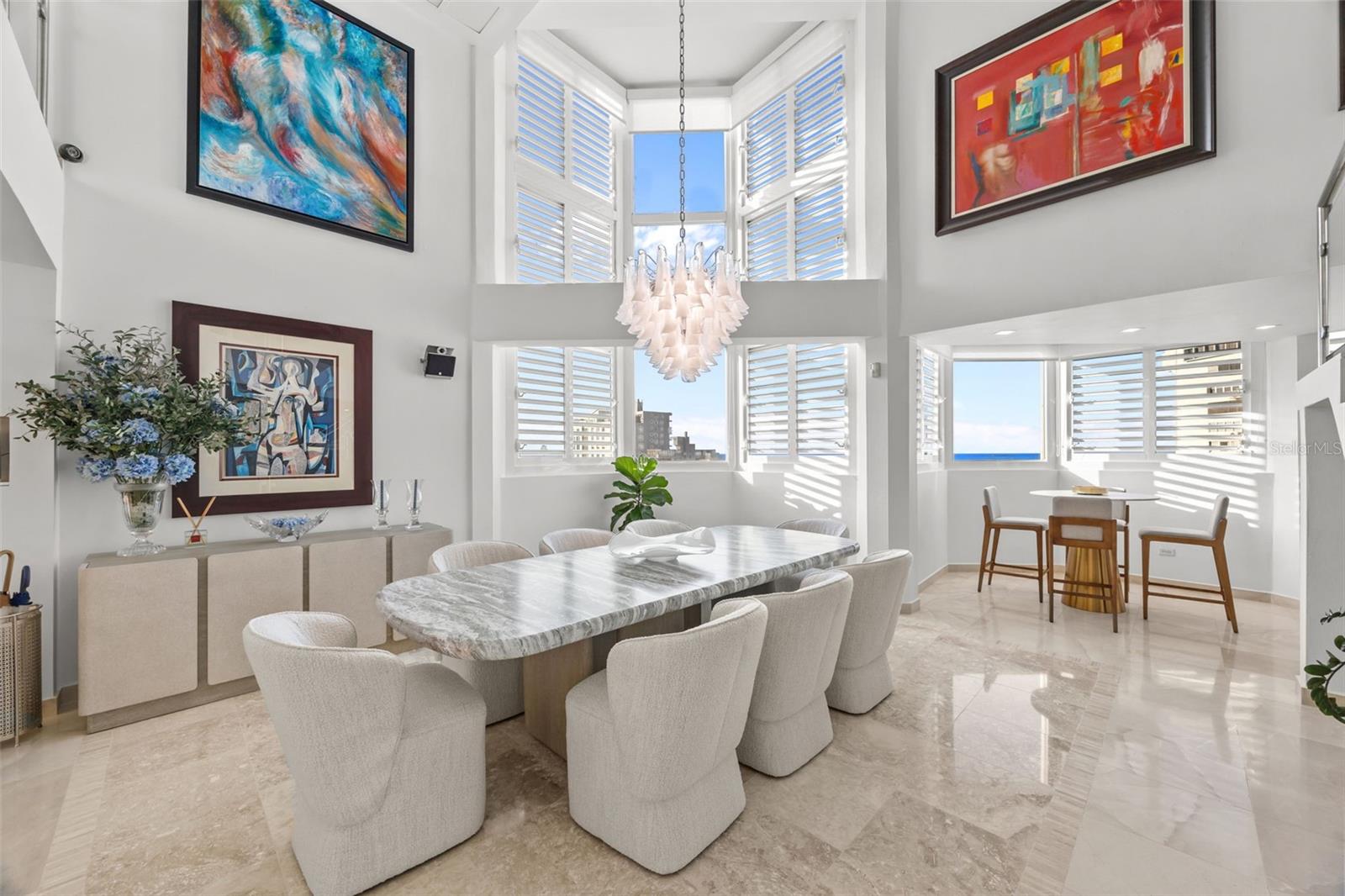
10 Rosa Isla Verde #PH-5, Carolina PR 00979
This penthouse in Isla Verde sits minutes from San Juan's international airport with direct ocean views. It offers the kind of turnkey title and building documentation that heirship properties often lack.
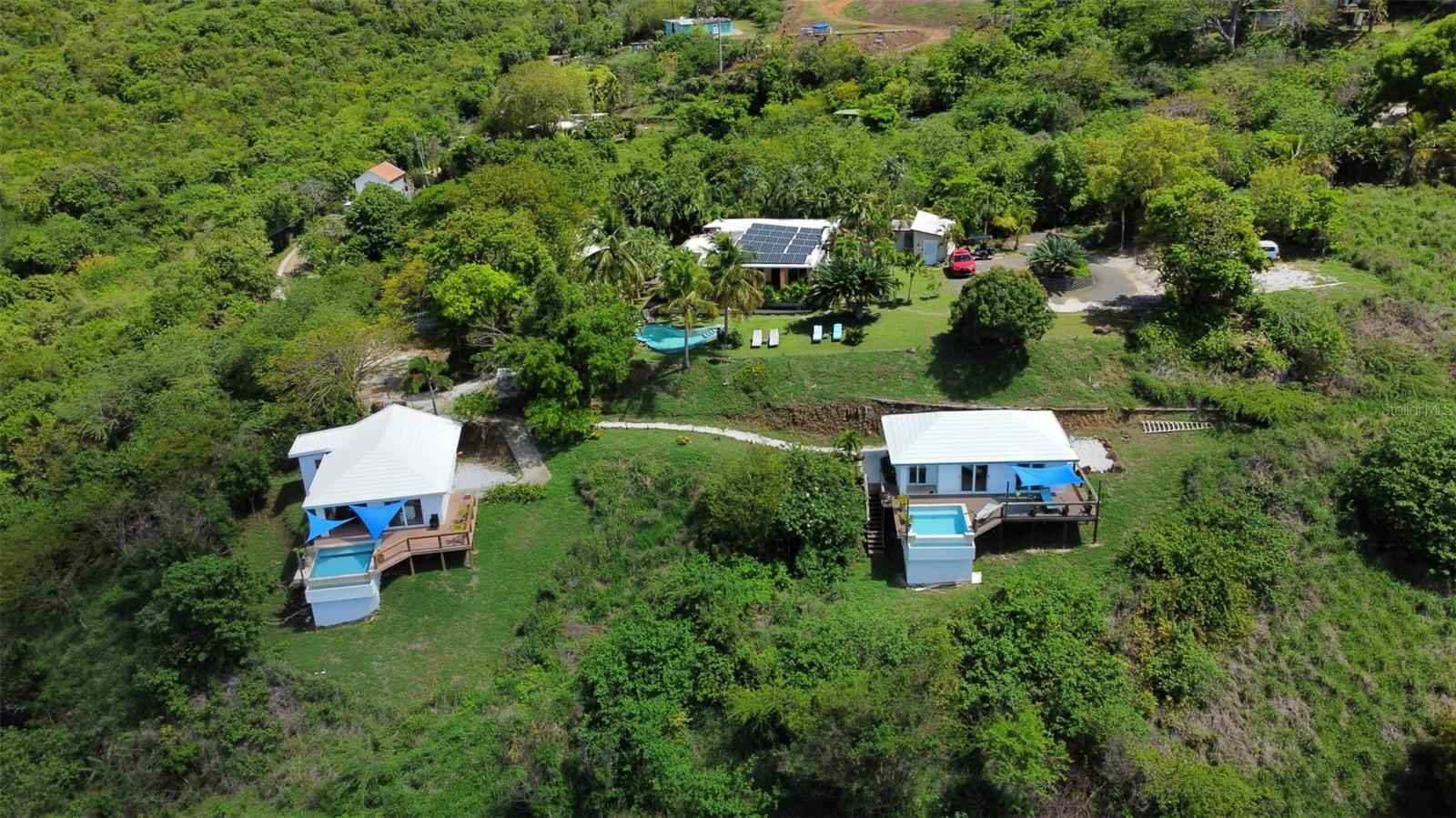
5R Mount Resaca, Barrio Flamenco, Culebra, PR 00775
This Culebra property overlooks the island's protected coastline near Flamenco Beach, one of the most secluded settings in the Christie's PR portfolio. It suits buyers seeking a private retreat with a clear, established chain of title.
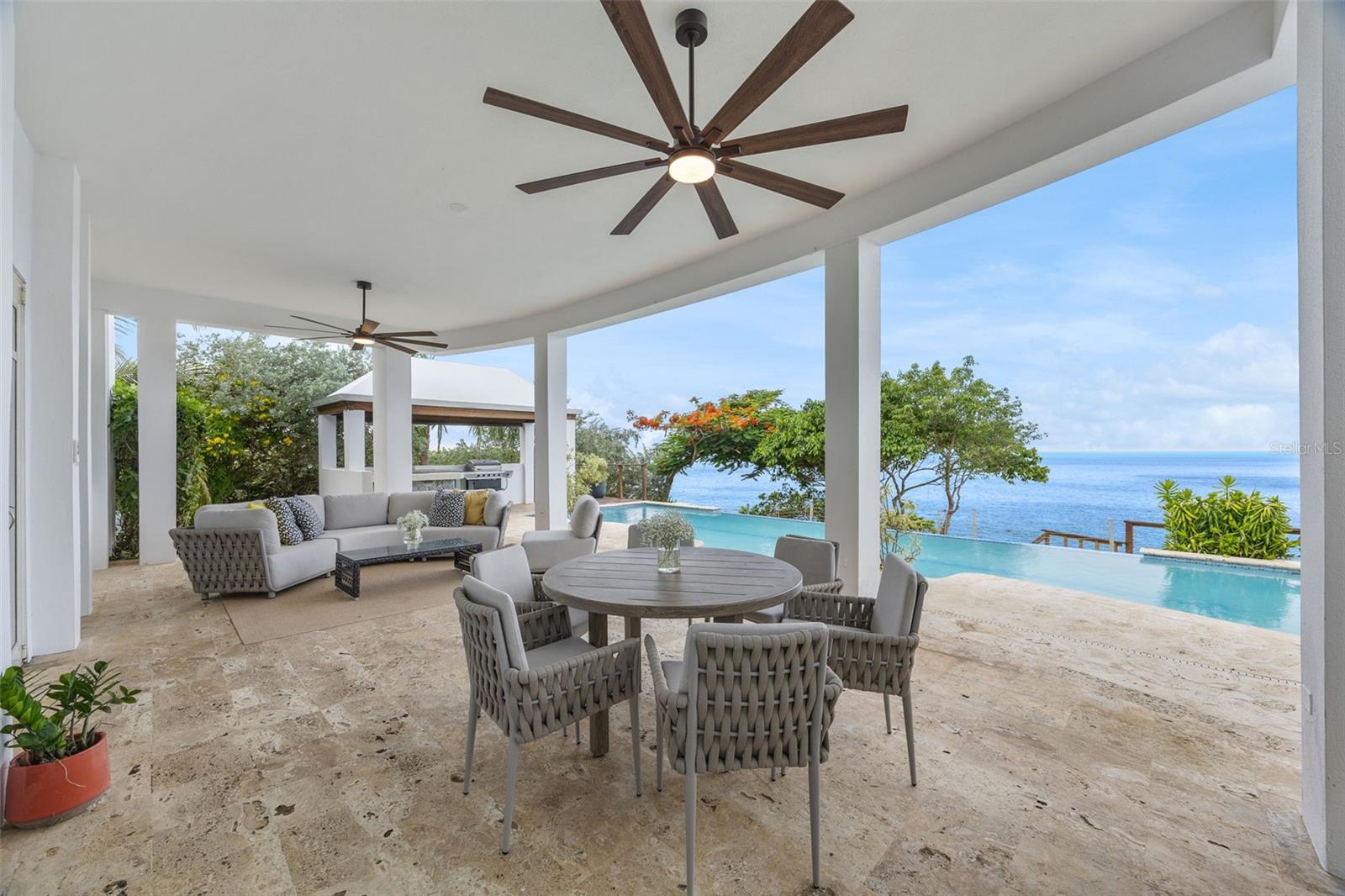
Lot 4 Ibiza St, RD 107 KM 2.7, Aguadilla PR 00603
This Aguadilla lot gives developers and private buyers a west-coast building opportunity near surf breaks and growing tourism infrastructure. Its clean parcel status makes it a straightforward alternative to nearby contested inherited land.
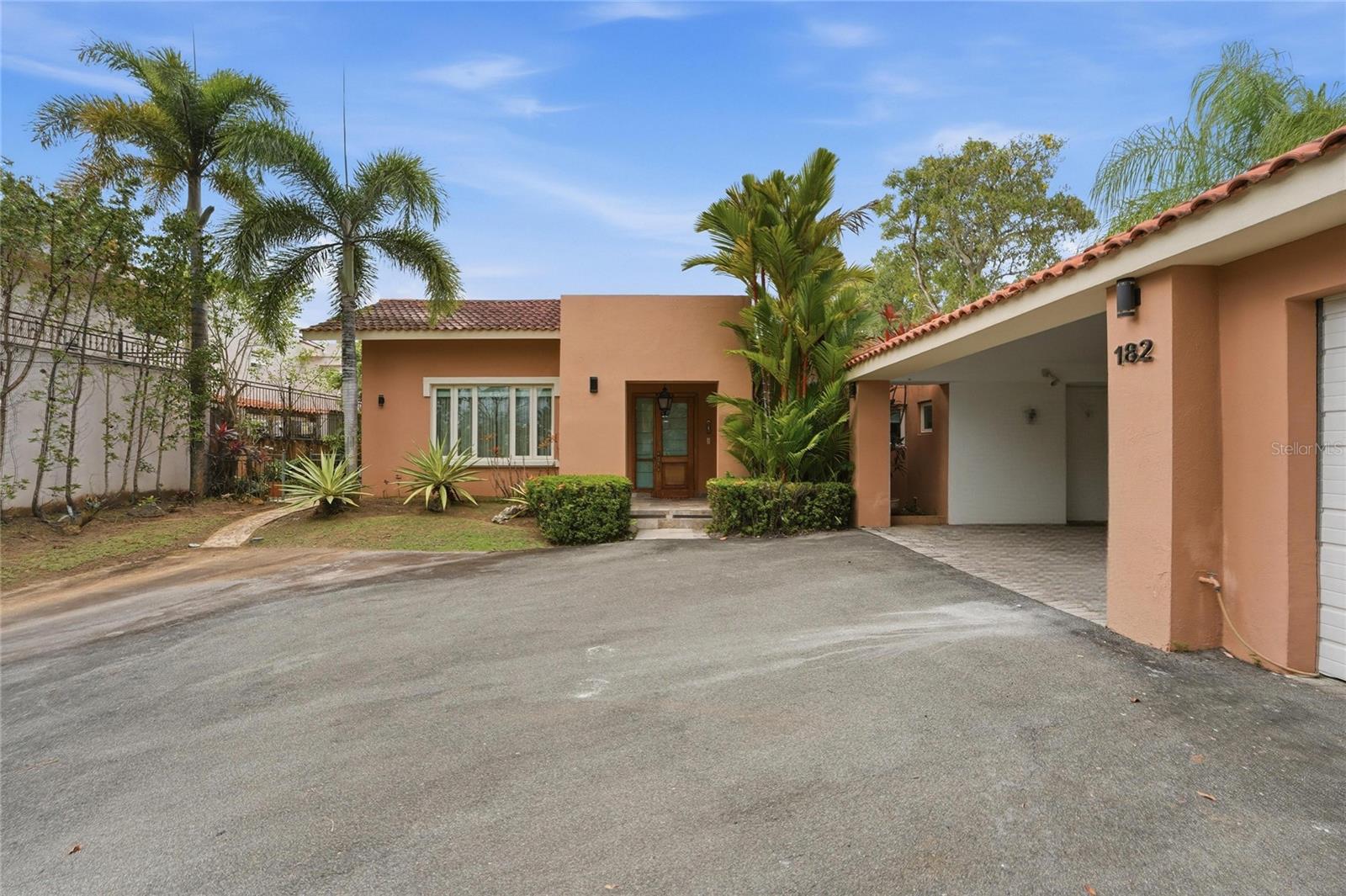
182 Dorado Beach East, Dorado PR 00646
This Dorado Beach East residence places buyers inside one of Puerto Rico's most established luxury communities, with resort amenities and consistent resale demand. It represents the kind of clear-title, high-performance asset that contrasts sharply with a fragmented heirship deed.
Conclusion
A deed crowded with 45 names isn't a dealbreaker, but it is a warning sign that demands title work most buyers skip until it's too late. Every heirship file follows the same discipline: verify the heirs, clear the tax liens, and secure every signature before money moves. Buyers who want that certainty without the multi-year detour will find it easiest by starting with Puerto Rico luxury properties that already carry clean, recorded title.
Skip the heir-by-heir negotiation and start with Christie's International Real Estate Puerto Rico, where listings across Dorado, Condado, Culebra, and Aguadilla carry clean, closeable title. Whether you're looking to buy, sell, or rent, their team knows how to spot a clouded deed before it becomes your problem. Reach out today to explore luxury properties in Puerto Rico built for a fast, secure close.
FAQs
What documents should I ask for before I place a refundable deposit on an inherited property?
Request a recent Property Registry certification (Certificación Registral), a current survey/plat (mensura) if available, a CRIM debt statement plus payment plan details (if any), HOA/condo estoppel (if applicable), and copies of any recorded powers of attorney or prior heir buyout deeds so you can verify who can actually sign.
How do I confirm the person marketing the property has authority to negotiate and accept offers?
Ask for the signed listing authorization and verify whether the “seller” is (1) the recorded owner, (2) an heir with a recorded interest, or (3) an attorney-in-fact; then confirm the POA is notarized, specific to real estate, unrevoked, and acceptable to the closing notary and title insurer.
If I buy an undivided interest from one heir, what do I actually own?
You acquire a percentage interest in the whole property (not a specific bedroom, unit, or slice of land), along with co-ownership rights and obligations; you typically can’t unilaterally occupy, remodel, or sell the entire property without addressing the other co-owners, so budget for legal steps to consolidate interests or partition later.
Related Articles:
- Building a Global Network from Puerto Rico: Strategies for Brokers and Developers Connecting with Capital in London and Beyond
- Protecting Luxury Homes Starts at the Top: Why Roof Maintenance Matters
- HB 505 vs Act 60: Puerto Rico Investor Decree Options for 2026–2027