Airbnb investing in Puerto Rico can generate rental income, but a high nightly rate does not establish profitability. The useful test is what remains after operating expenses, mortgage payments and money set aside for replacements—and whether the property can legally support the intended rental use.
For buyers comparing luxury properties in Puerto Rico, the analysis should begin with the specific building, community and rental records. A Condado apartment and a Dorado villa need separate revenue assumptions, expense budgets and permission checks. This guide explains how to build that analysis and uses a hypothetical $650,000 Condado purchase to show how the numbers interact.
Key Takeaways
Rental eligibility must be verified.
Comparable bookings support realistic revenue forecasts.
Financing raises the occupancy needed to break even.
Reserves reduce cash available to owners.
Cash purchases still require return analysis.
First, Confirm That the Property Can Operate as Intended

A listing advertised as an investment property is not proof that nightly rentals are permitted. Before relying on rental income, have a Puerto Rico attorney review the proposed use, applicable permits, condominium documents and any community or resort agreements.
For San Juan properties, including Condado and Old San Juan, San Juan’s rental registration ordinance establishes the municipal short-term rental registry. Confirm the current registration and permit requirements for the address, including subsequent amendments; do not assume that tourism registration alone completes the process. For properties elsewhere, check with the relevant municipality and permitting authority.
Request written answers about minimum stays, guest registration, occupancy limits, rental restrictions and pending rule changes. In a resort community, separately verify whether paying guests can use the amenities advertised with the residence and whether additional charges apply. Treat a seller’s existing bookings as evidence to investigate, not confirmation that the same operation can continue after purchase.
Room Tax Is Separate From Rental Profit
Airbnb’s Puerto Rico room tax guidance states that guests booking properties in Puerto Rico pay a 7% room tax on the listing price, including cleaning fees, for reservations of 89 nights or fewer. The platform also notes that hosts must assess other applicable tax obligations. Confirm innkeeper registration, declaration requirements and filing deadlines with the Puerto Rico Tourism Company and your CPA.
Confirm who collects and remits the tax for each booking channel and what filings remain the owner’s responsibility. Tax collected from guests for remittance should not be counted as rental profit. If an advertised price includes tax, separate the tax component before using that price in the revenue model.
Build the Acquisition Budget Beyond the Purchase Price
There is no reliable universal percentage that captures every property’s closing, furnishing and startup costs. Request a written acquisition budget that identifies who pays each charge under the purchase contract and financing terms.
Include the down payment or cash price, legal and notarial work, title and recording charges, lender costs, inspections, initial insurance payments, furnishings, repairs, registration costs and opening cash reserves. Distinguish money spent from cash retained for future expenses, while including both in the amount you must fund.
Christie’s Puerto Rico’s guide to closing costs for luxury purchases can help organize the questions for your closing team. Use transaction-specific estimates for the final budget.
Also ask whether condominium special assessments, equipment replacements or deferred repairs are likely to require cash soon after closing. A low down payment does not make those obligations disappear.
Estimate ADR and Occupancy From Comparable Properties

Average daily rate, or ADR, is accommodation revenue divided by occupied nights. Occupancy is occupied nights divided by the nights available for rent. The denominator matters: a property available for 250 nights cannot earn a full 365-night revenue projection at the same occupancy percentage.
For a defensible forecast, compare rentals with similar bedroom counts, condition, location, guest capacity, amenities and rental restrictions. Review monthly results across a full year, and more history where available. Record the data provider, reporting period, geographic boundary and treatment of blocked nights.
Discover Puerto Rico’s tourism research and industry reports provide broader context on visitor demand and lodging performance. Check each report’s period, property coverage and methodology before using its figures. Aggregate findings are not a substitute for a comparable set of individual short-term rentals. Likewise, a posted Airbnb rate is an asking price, and an unavailable calendar date is not necessarily a paid booking.
Questions That Change the Forecast by Location
Build a lower-revenue case as well as a base case. If owner use removes holiday weeks, subtract those specific weeks and their expected revenue rather than applying an annual average to the remaining calendar.
Separate Gross Revenue, NOI and Cash Flow
Use consistent definitions throughout the analysis:
Accommodation revenue: ADR × occupancy × available nights.
Net operating income (NOI): Operating revenue minus operating expenses, before debt service, income tax, depreciation and capital expenditures.
Pre-tax cash available after reserves: NOI minus mortgage principal and interest and the planned allocation for replacements or capital work.
Cash-on-cash return: Annual pre-tax cash available divided by total cash committed to the investment, using the same reserve treatment throughout.
Cleaning fees require both sides of the ledger: record guest charges and cleaning costs, including any platform or management fees applied to those charges. Do not count cleaning receipts as pure profit or subtract cleaning costs twice.
For Puerto Rico luxury properties, ownership costs beyond purchase price deserve their own budget. Obtain current condominium statements, CRIM property-tax documentation, insurance quotes, utility records and management proposals rather than assuming an island-wide expense ratio.
A Hypothetical $650,000 Condado Airbnb: The Full Calculation

This illustration is not a listing, a market forecast or a lender quote. Every price, rate and expense below is an assumed input, and rental eligibility is assumed solely to demonstrate the calculation.
Purchase and Operating Assumptions
The $20,500 operating budget comprises $6,000 in association dues, $3,500 in insurance, $2,800 in property tax, $5,200 in utilities, $2,000 in routine repairs and $1,000 in administration. These are illustrative amounts, not estimates for an actual Condado condominium.
The simplified model assumes room tax is charged separately and remitted, and guest cleaning charges exactly offset cleaning costs and associated fees. Any cleaning shortfall or additional business charge must be added to an actual property’s budget. The combined management and distribution percentage is a modeling assumption, not a statement of Airbnb’s fee schedule.
Results at 50% Occupancy
Accommodation revenue: $230 × 365 × 50% = $41,975.
Variable operating costs: $41,975 × 30% = $12,592.50.
NOI: $41,975 − $12,592.50 − $20,500 = $8,882.50.
Cash after debt service: $8,882.50 − approximately $35,413 = approximately −$26,531.
Cash after the reserve allocation: Approximately −$26,531 − $3,000 = approximately −$29,531.
The property produces positive NOI but requires additional owner cash under the financing assumptions. Principal repayment builds equity, but it still uses cash and is not money available for distribution.
What Changes With Occupancy?
All figures below use the same ADR and cost assumptions; dollar amounts are rounded.
These scenarios are arithmetic tests, not occupancy forecasts. A real budget should also vary utilities, supplies, turnover costs and repairs as bookings change.
Calculate Break-Even Occupancy Correctly
When some costs rise with revenue, subtract those variable costs before calculating how much each occupied night contributes toward fixed expenses.
For this simplified model:
Break-even occupancy after reserves = (fixed operating expenses + annual debt service + reserve allocation) ÷ [ADR × available nights × (1 − variable-cost percentage)].
Using the assumed figures:
($20,500 + $35,413 + $3,000) ÷ ($230 × 365 × 70%) ≈ 100.3%.
At the assumed $230 ADR, the financed purchase cannot cover all modeled outflows even at full occupancy. The result calls for a different price, financing structure, achievable revenue or cost budget; simply choosing a more optimistic occupancy percentage does not solve it.
With no mortgage, the same calculation produces approximately 40.0% break-even occupancy after reserves. That means the all-cash owner covers the modeled outflows at that level; it does not establish an attractive return on the capital committed.
Cash-on-Cash Return: Financed Versus All-Cash
At 65% occupancy, the financed example has approximately −$20,716 in annual cash after reserves. Dividing by the $255,000 initial cash commitment produces a cash-on-cash return of approximately −8.1%.
The all-cash example has approximately $14,697 after reserves. Dividing by the $710,000 initial commitment produces approximately 2.1%.
For comparability, both cases assume the same $60,000 initial allowance; actual cash and financed acquisition costs will differ. Neither return includes income taxes, appreciation, sale proceeds or the opportunity cost of capital. Removing the mortgage improves cash flow, but the larger cash investment still needs to be weighed against the buyer’s objectives.
Test Insurance, Physical Condition and Operating Resilience

Before committing, request an insurance proposal that expressly addresses the intended rental operation. Review wind coverage, flood coverage, liability, exclusions, deductibles and any loss-of-income provisions. The Consumer Financial Protection Bureau’s guidance on homeowners insurance coverage explains that standard homeowners insurance does not cover flood damage.
For a condominium, compare the association’s master policy with the proposed unit policy and identify possible assessment exposure. Have qualified professionals inspect the roof, windows, moisture conditions, electrical systems and equipment relevant to the unit or building.
Ask exactly what backup systems serve: common areas, elevators, water pumps, the apartment, or only selected circuits. Request maintenance records and budget for fuel, servicing and replacement where applicable.
Stress-test a period without rental income while recurring bills continue. Size accessible reserves around that cash requirement, insurance deductibles and plausible repair costs. Keep the opening reserve balance separate from the annual replacement allocation, and avoid counting the same money as both an available distribution and emergency funding.
Keep Income Tax and Act 60 Assumptions Separate
Room tax is not the owner’s income tax. The IRS treats rents from property in Puerto Rico as Puerto Rico-source income, while filing obligations depend on residency, taxpayer status and other income; the IRS Publication 570 guide explains the federal framework.
If Act 60 is part of a relocation plan, have a Puerto Rico CPA review the applicable decree, rental activity and ownership structure separately. Do not enter an assumed tax exemption into the rental forecast merely because the buyer holds or intends to apply for a decree. Compare properties on a consistent pre-tax basis before adding verified, owner-specific tax treatment.
Documents to Request Before an Offer Becomes Unconditional
Ask for monthly booking and payout records, cancellations, owner-blocked dates, management invoices, utility bills, tax documentation, insurance information and association financial statements. Reconcile the seller’s reported revenue with the underlying records and identify expenses omitted because the seller performed the work personally.
Bring the attorney, CPA, lender, inspector, insurance broker and proposed manager into the review as needed. Christie’s Puerto Rico’s guide to building your property advisory team outlines how those roles fit together.
Puerto Rico Luxury Properties for Sale
After evaluating rental eligibility, costs, and returns, buyers can explore luxury properties for sale with greater confidence. Christie’s International Real Estate Puerto Rico brings local expertise and global reach to help clients identify opportunities aligned with their lifestyle and investment goals. These sample listings highlight distinctive options across Dorado, San Juan, Guaynabo, and Culebra.
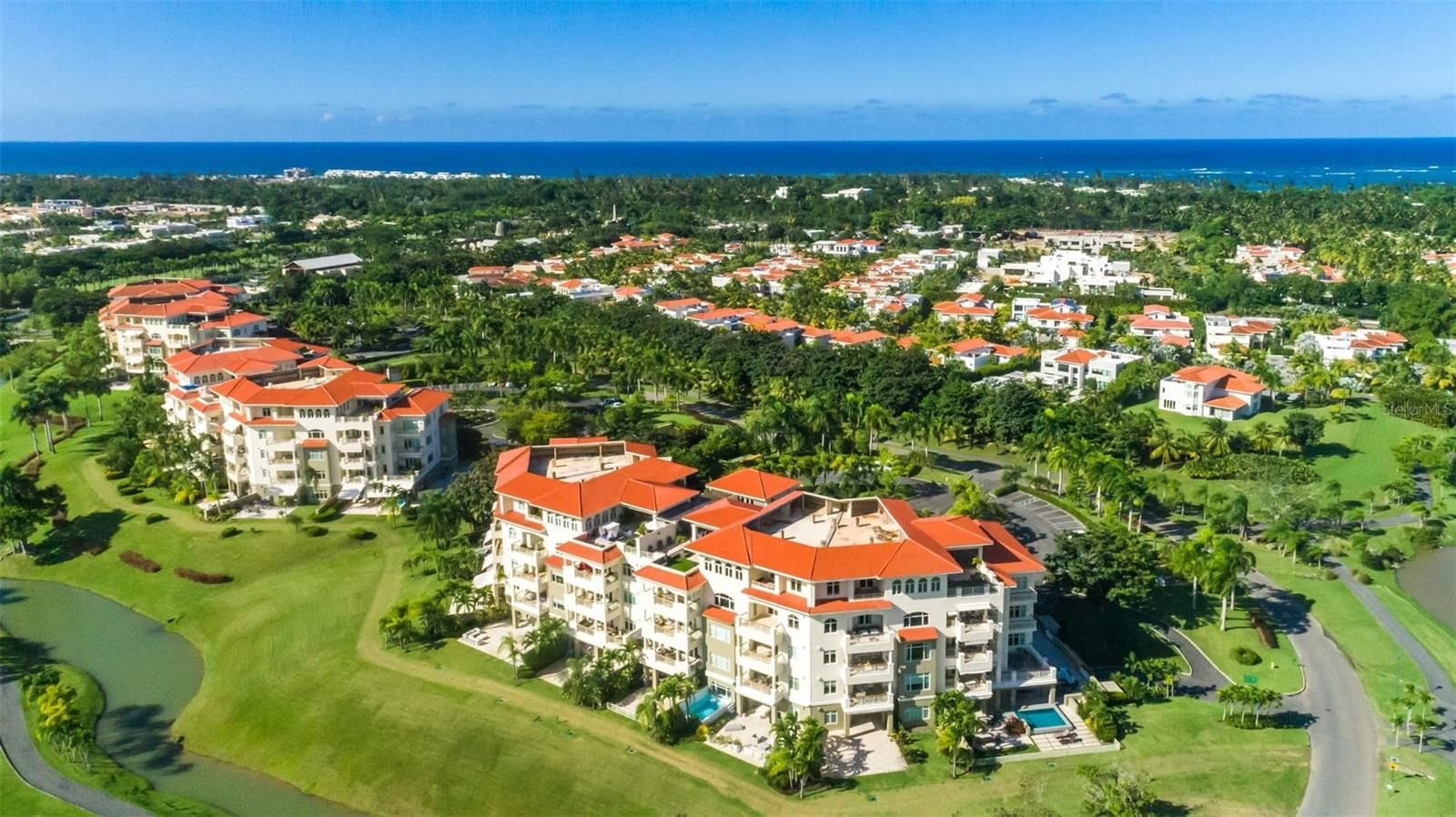
500 PLANTATION DR #PH-3403 DORADO PR, 00646
Offered at $16 million, this 7,414-square-foot condominium features six bedrooms and 12 bathrooms in Dorado. Built in 2015, it also offers a garage, views, and pet-friendly accommodations.

153 SAN JUSTO SAN JUAN PR, 00901
Offered at $9.175 million, this San Juan condominium spans 26,000 square feet with 28 bedrooms and 29 bathrooms. Built in 1990 on 0.6 acres, the property provides exceptional scale for buyers considering a substantial real estate opportunity.
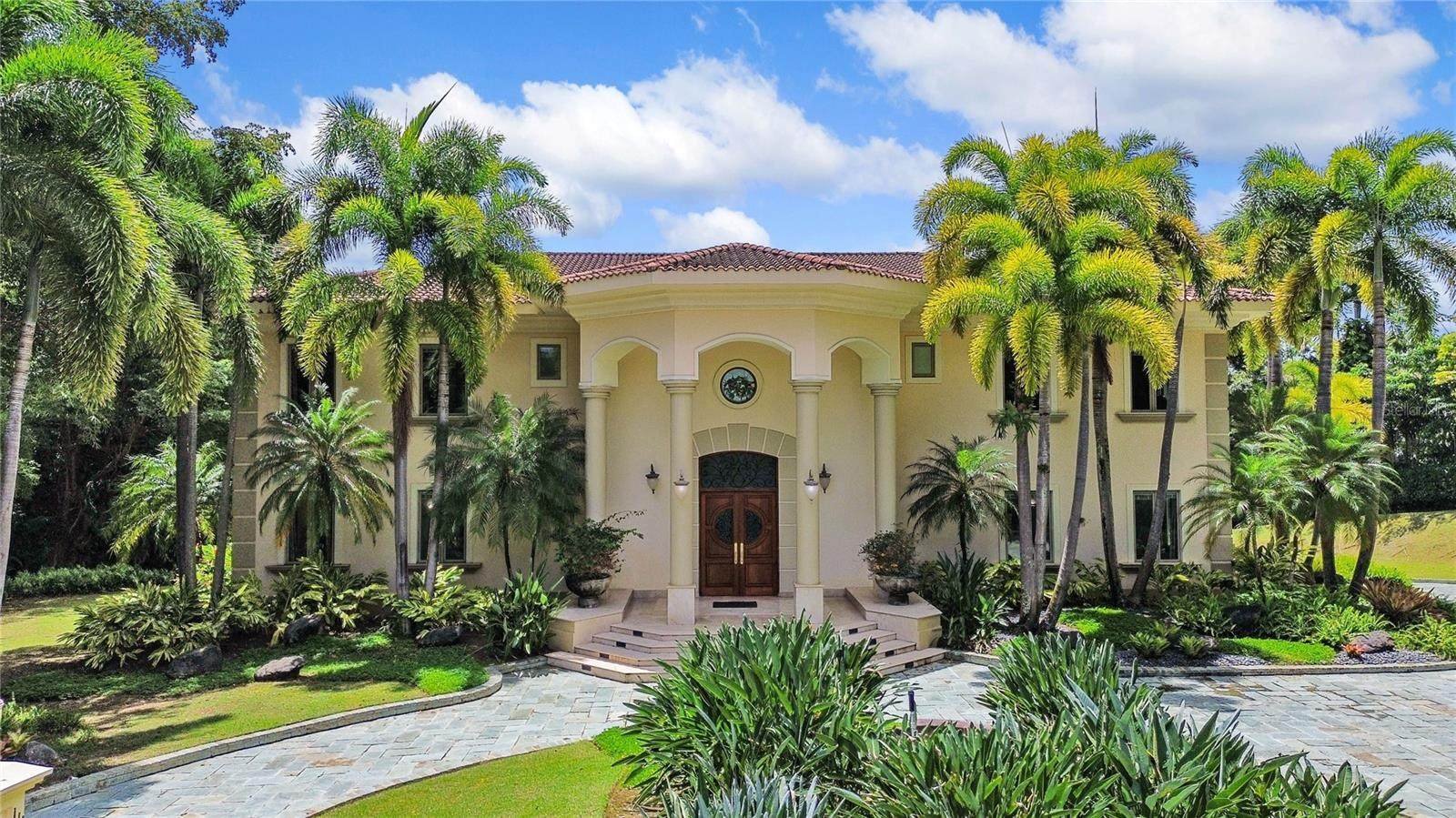
17 Calle Durazno URBANIZACION SAN PATRICIO GUAYNABO PR, 00968
Offered at $5.8 million, this 14,265-square-foot Guaynabo residence features five bedrooms and eight bathrooms on 1.54 acres. Built in 1980, it includes a garage and pool and allows pets.
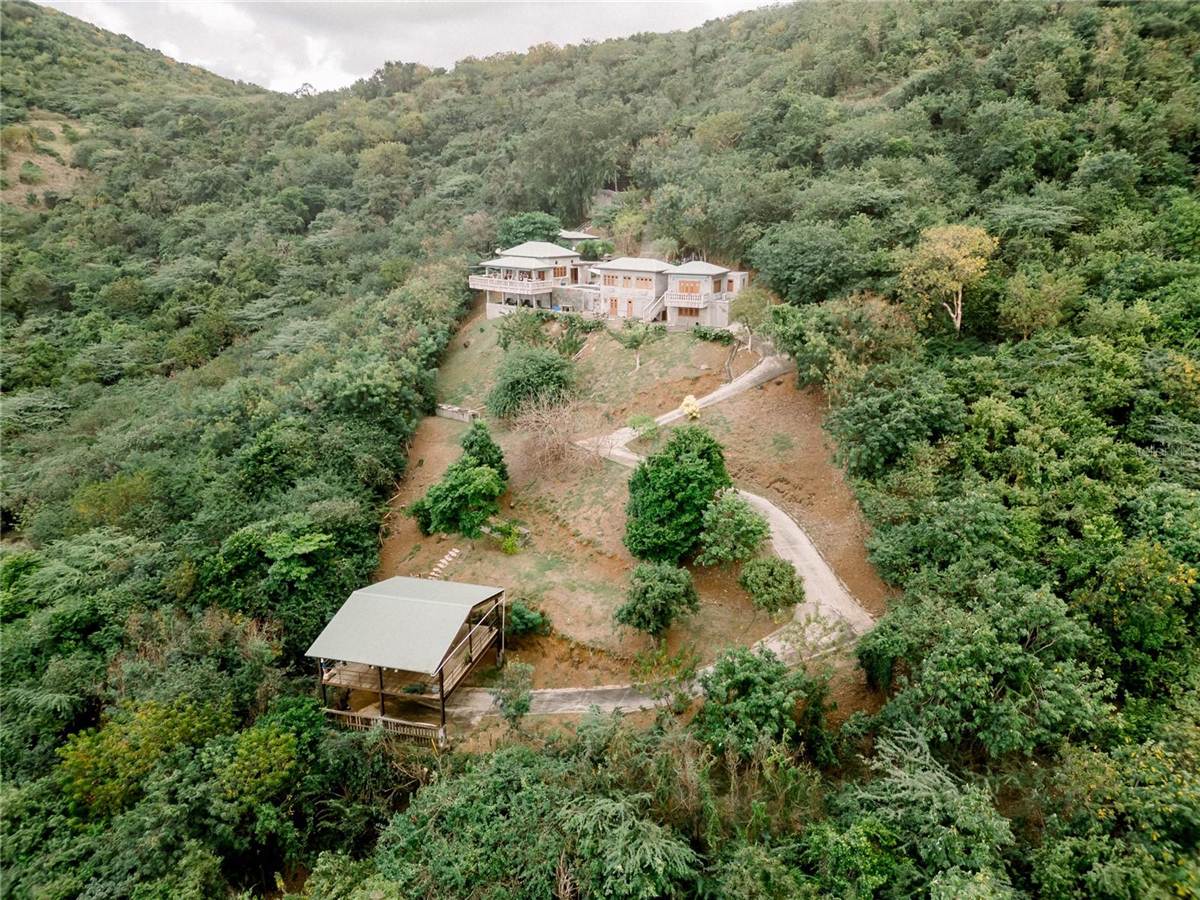
9 WILLIAM FONT CULEBRA PR, 00775
Offered at $3.95 million, this Culebra residence features six bedrooms, 5.5 bathrooms, and 2,939 square feet of living space. Its island setting makes it a distinctive option for buyers seeking a spacious Puerto Rico retreat.
Conclusion
Successful Puerto Rico Airbnb investing starts with verified rental eligibility, realistic revenue, and complete ownership costs. Buyers should test cash flow after financing, reserves, taxes, insurance, and operating expenses. Careful property-specific analysis turns attractive projections into informed decisions.
Ready to buy, sell, or rent a luxury property in Puerto Rico? Trust Christie’s International Real Estate Puerto Rico for expert guidance and exceptional market insight. Contact the team today to move forward with confidence.
FAQs
Do I Need a Puerto Rico Bank Account or Entity?
Confirm account and ownership requirements with the lender, payment platform, attorney and CPA for the proposed arrangement. Decide how rental receipts, vendor payments and tax remittances will be documented and reconciled. Puerto Rico Plus’s guide to currency and everyday payment logistics provides supplementary context for buyers arranging local visits and payments; it does not determine legal entity or account requirements.
What If the Seller Cannot Provide Rental Records?
Treat the income as unproven. Build a forecast from documented comparable properties, allow for startup time and avoid presenting a projection as an established operating history.
Can Personal Use and Rental Income Coexist?
Model the actual weeks available to guests and check that the planned use complies with the property’s rules and financing terms. Ask the CPA how personal use affects expense allocation and tax reporting. A home can meet a lifestyle goal while generating a lower financial return than a dedicated rental.
Related Articles:
HB 505 vs Act 60: Puerto Rico Investor Decree Options for 2026–2027
- 45 Names on One Deed: Untangling Puerto Rico's Forced-Heirship Property Traps
- From Seattle to San Juan: A Long-Term Investor’s Guide to Puerto Rico Luxury Real Estate