
Insuring a Puerto Rico luxury rental starts with a basic distinction: the owner’s policy protects the building and the owner’s financial exposure, while renters insurance generally protects a tenant’s belongings and personal liability. A property used for long-term leasing or short-term stays may need coverage written for that actual use, not an owner-occupied homeowners policy. This 2026 guide outlines the questions owners should take to a licensed Puerto Rico insurance producer before buying, renewing, or changing coverage.
Key Takeaways
- Landlord or rental-property insurance and renters insurance protect different parties and should not be treated as interchangeable.
- Puerto Rico property policies generally exclude flood damage, so owners should evaluate separate NFIP or private flood coverage.
- Wind, hurricane, liability, loss-of-rents, and business-use terms depend on the policy and must be checked in the actual contract.
- Insured value should reflect current reconstruction or replacement cost rather than the property’s market price alone.
- Detailed inventories, photographs, permits, association documents, and mitigation records can improve underwriting and claims preparation.
Landlord Insurance vs. Renters Insurance in Puerto Rico

Image Source: Marshfield Insurance
The phrase “renter insurance” is often used loosely, but the distinction matters. Rental-property or landlord coverage is intended for an owner’s building and rental exposure, while renters insurance Puerto Rico coverage is purchased by a tenant for personal belongings, personal liability, and other covered tenant losses.
What the Owner’s Policy May Address
Depending on the form, endorsements, and exclusions, an owner’s policy may cover the dwelling or unit improvements, owner-supplied appliances and furnishings, premises liability, and loss of fair rental value after a covered loss. Coverage is never automatic simply because a property is rented, and a standard owner-occupied policy may restrict or exclude rental or business activity.
What the Tenant’s Policy May Address
A tenant’s renters policy generally does not insure the owner’s structure. It may cover the tenant’s belongings and personal liability, subject to limits, deductibles, exclusions, and any special endorsements needed for jewelry, art, electronics, or other high-value items. The NAIC renters insurance guidance explains that a landlord’s policy does not cover a tenant’s possessions.
Coverage Areas Luxury Rental Owners Should Review
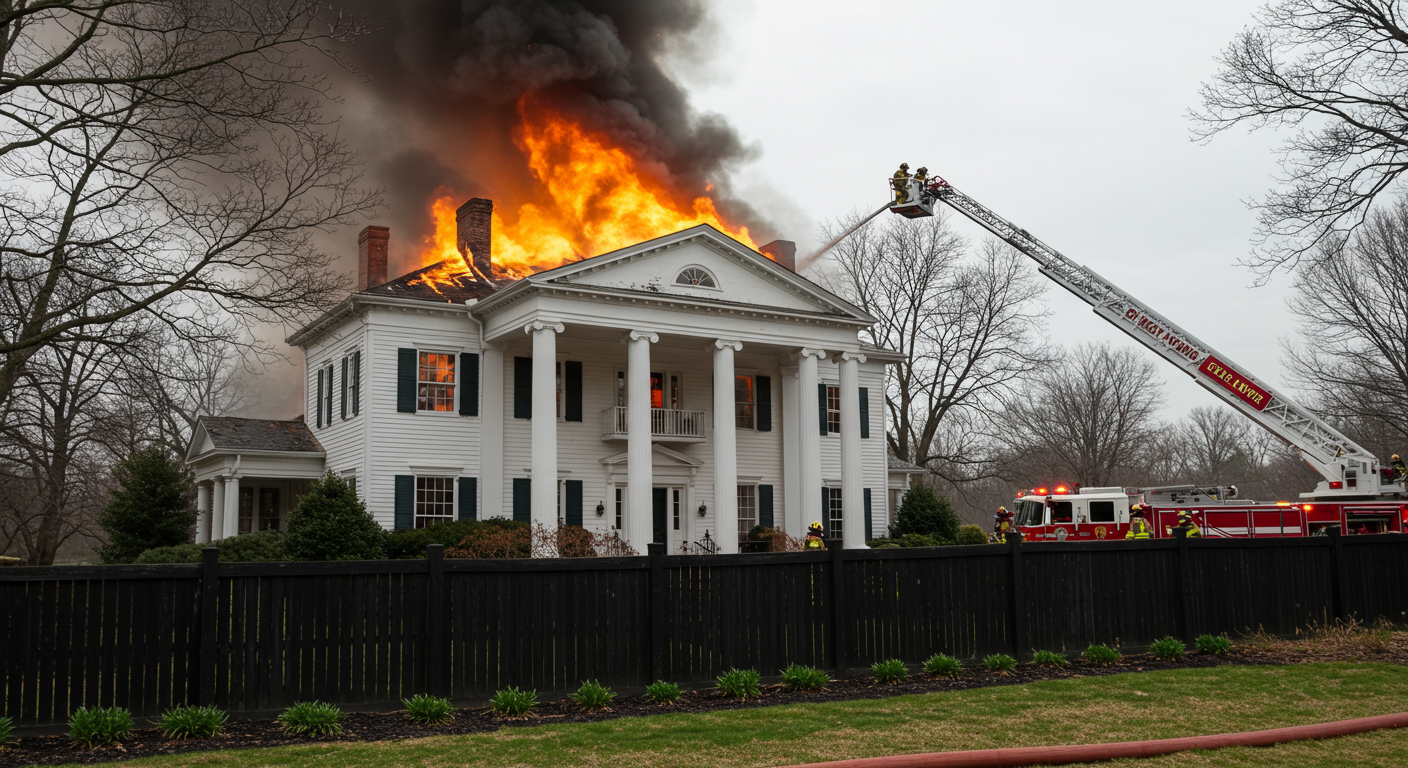
Image Source: New York Post
There is no single policy label that guarantees every relevant risk is insured. Owners should compare declarations, endorsements, deductibles, limits, exclusions, and loss-settlement terms line by line with a licensed producer.
Building and Replacement Cost
The insured value should reflect the current cost to repair or reconstruct with comparable materials, not merely the purchase price or appraised market value. Renovations, pools, terraces, solar systems, generators, cisterns, upgraded kitchens, custom millwork, and other additions should be disclosed so the policy can be evaluated against the property as it exists.
Wind and Hurricane Terms
Confirm whether windstorm or hurricane damage is included, endorsed, or written separately. Review named-storm or hurricane deductibles, roof and water-intrusion provisions, debris removal, temporary repairs, and any coinsurance requirement before hurricane season rather than after a watch or warning has been issued.
Flood and Water-Related Losses
The Puerto Rico Office of the Commissioner of Insurance notes that property policies generally exclude flood damage. Owners should review the property’s official flood information and consider NFIP or private coverage; NFIP flood insurance options differ for buildings, contents, renters, and businesses, and availability and limits must be confirmed for the specific property.
Liability and Owner-Supplied Contents
Ask how the policy treats injuries to tenants, guests, vendors, or staff and whether pools, spas, elevators, docks, watercraft, pets, or special events require additional review. Confirm how furniture, appliances, artwork, electronics, linens, and other owner-supplied contents are valued and whether scheduled coverage or separate appraisals are needed.
Loss of Rents and Extra Expense
Loss-of-rents or business-interruption coverage generally depends on a covered cause of loss and the policy’s waiting period, limits, and restoration-period language. It should not be presented as a guarantee of continuing income after every closure, cancellation, utility interruption, or natural event.
Puerto Rico Hurricane and Flood Preparation

Image Source: CNR Insurance
Insurance preparation should begin well before a storm is forecast. The Puerto Rico insurance regulator advises owners to keep policies current, align insured values with reconstruction cost, understand wind and hurricane deductibles, and review exclusions and coinsurance provisions.
- Photograph the exterior, roof, mechanical systems, interiors, furnishings, art, and equipment.
- Keep digital copies of policies, receipts, appraisals, permits, inventories, warranties, and inspection reports.
- Document shutters, impact-rated openings, roof work, drainage, generators, cisterns, and other mitigation features.
- Confirm how emergency repairs, debris removal, water extraction, mold, sewer backup, and service interruption are treated.
- Record insurer and producer contact details and understand notice-of-loss and proof-of-loss requirements before a claim.
Short-Term Rental and Business-Use Disclosures
Owners should tell the insurer how the property will actually be used: primary residence with occasional guests, long-term tenancy, seasonal leasing, or short-term vacation rental. The rental model, occupancy pattern, management arrangement, staffing, amenities, and booking platform can change the risk and the policy form that is appropriate.
Platform protection should not be assumed to replace a properly written owner policy. The NAIC warns in its home-sharing insurance guidance that business-use exclusions can affect claims when a residence is rented for a fee, so the intended use should be disclosed before coverage is bound.
Condominium and HOA Responsibilities
For a condominium, review the association’s master policy, bylaws, deductible allocation, loss-assessment provisions, and the boundary between common elements and the unit owner’s responsibility. Insurance review should occur alongside the community’s lease rules because HOA rental restrictions may limit lease length, tenant approval, or short-term use even when an insurance policy is available.
How to Build an Insurance File Before Binding Coverage
A complete property file helps the producer and underwriter evaluate the real exposure instead of relying on assumptions. It also gives the owner a documented baseline if a covered loss later occurs.
- Describe the property accurately. Provide the address, occupancy, construction type, year built, roof details, square footage, renovations, and all accessory structures.
- Separate market value from rebuilding cost. Request a current reconstruction estimate that reflects local labor, materials, design details, and code-related work.
- Disclose rental operations. State whether stays are short-term or long-term, how often the property is occupied, and who manages guests, cleaning, maintenance, and security.
- Inventory high-value contents. List owner-supplied furniture, artwork, appliances, electronics, outdoor equipment, and specialty items with photographs and appraisals where appropriate.
- Compare policy language, not just premiums. Review limits, deductibles, exclusions, endorsements, valuation methods, cancellation terms, and claim requirements.
- Coordinate related documents. Check lender requirements, lease terms, permits, HOA rules, and the master policy so gaps or conflicting obligations can be addressed before closing or renewal.
Puerto Rico Luxury Rental Properties for Sale
These current luxury properties for sale illustrate how construction, coastal exposure, building governance, furnishings, and backup systems can shape an insurance review. A listing is a starting point rather than evidence that a particular use, income level, or policy is available. Confirm current status, rental permissions, permits, flood information, association obligations, and insurability before relying on any operating plan.

425 Sol Street #Penthouse, San Juan, PR
This active pre-construction Old San Juan penthouse is listed with three bedrooms, three bathrooms, and approximately 2,110 square feet across two levels. Its condominium format and planned rooftop amenities make the association documents, master policy, construction status, and unit-owner responsibilities important parts of due diligence.
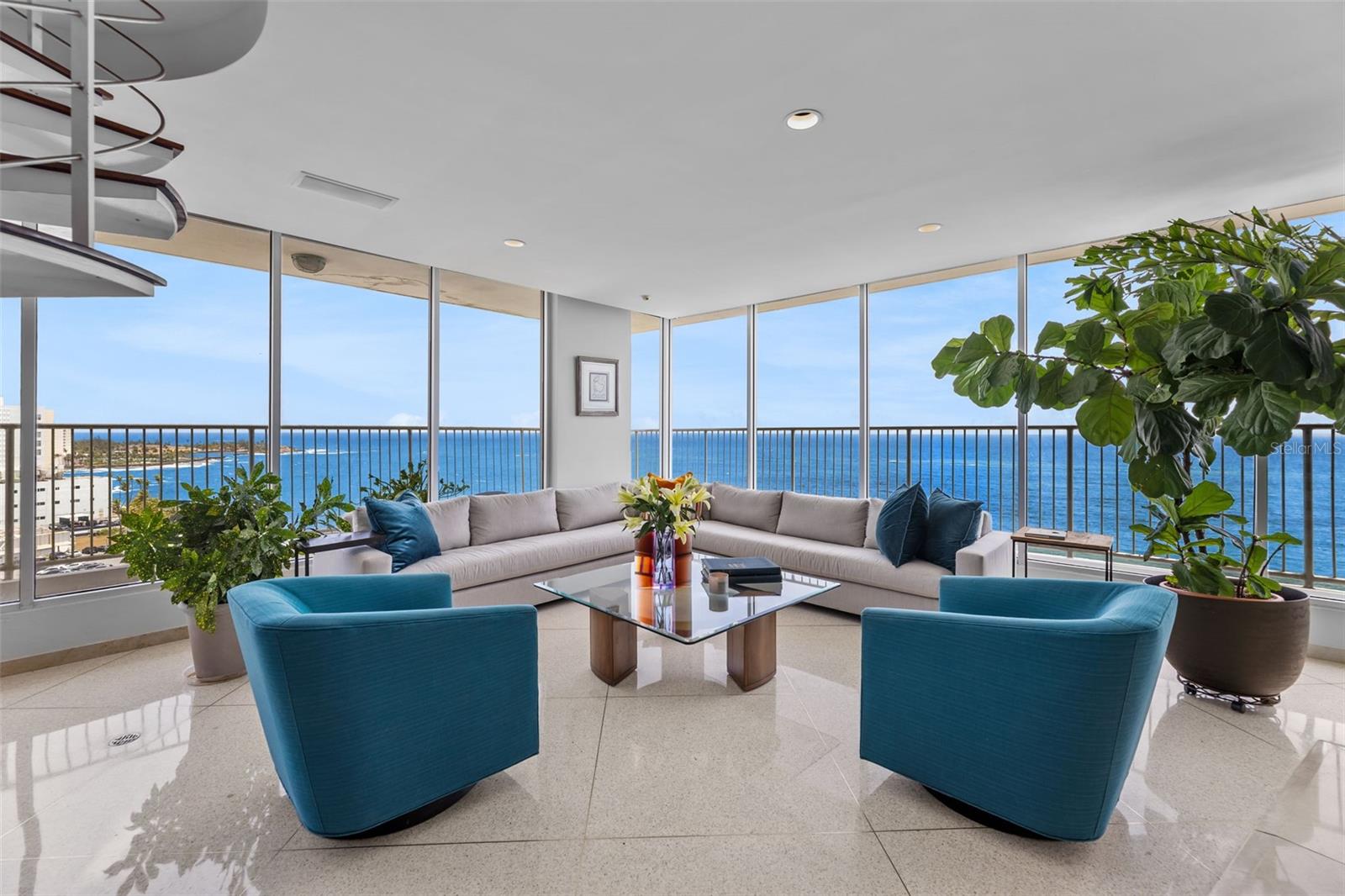
1035 Ashford Avenue #West PH-B, San Juan, PR
This active Condado residence is listed with three bedrooms, two and a half bathrooms, 3,720 square feet of interior space, and a private rooftop terrace. Its furnished oceanfront setting makes contents valuation, rooftop responsibility, coastal exposure, and the condominium master policy especially relevant to an insurance review.
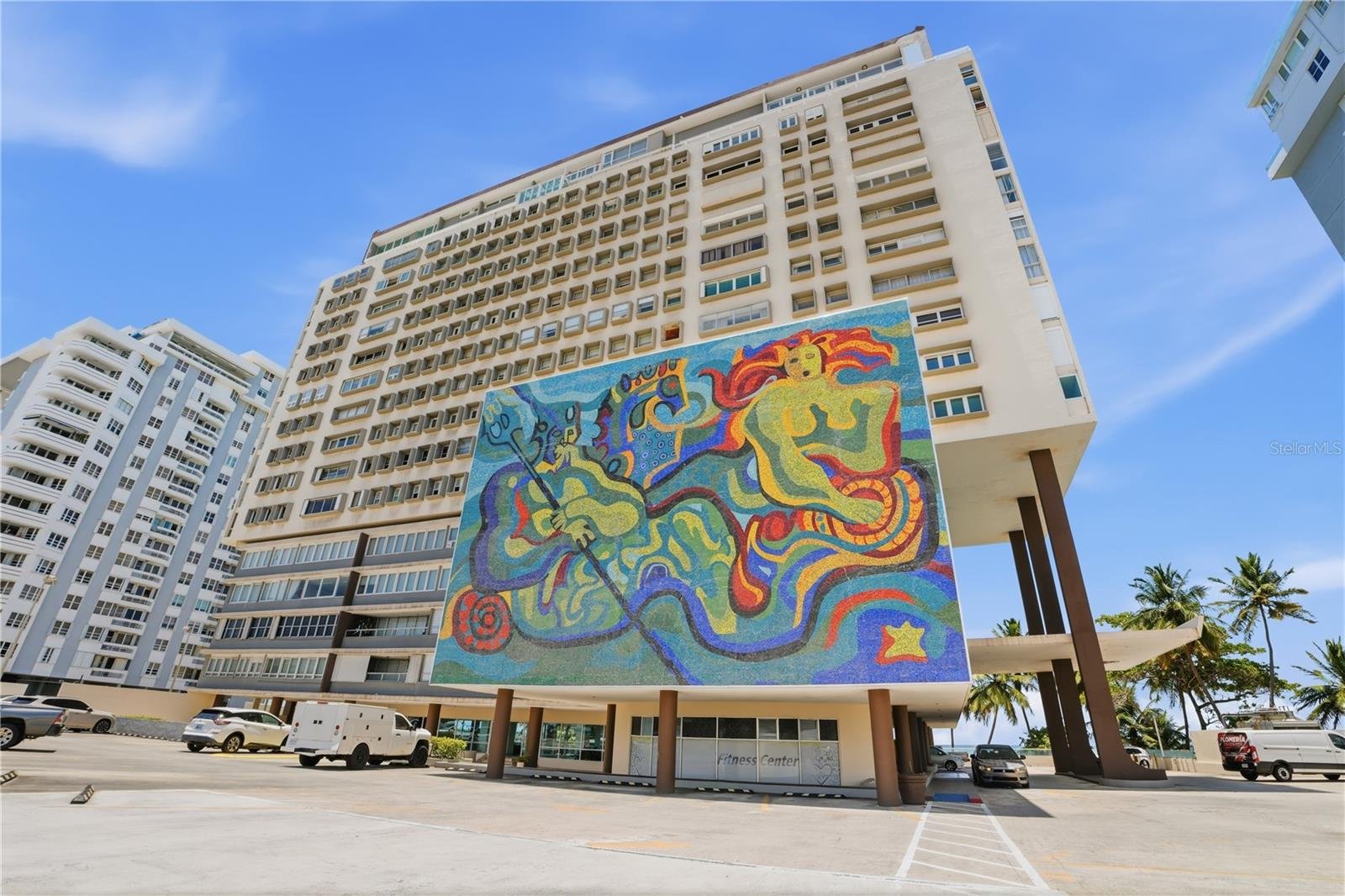
3307 Isla Verde Avenue #1, Carolina, PR
This active four-bedroom, three-bathroom Isla Verde residence is listed at approximately 1,872 square feet with direct beach access and furnished interiors. Owners should verify the association’s wind and flood arrangements, unit improvements, backup systems, contents limits, and any rental restrictions.
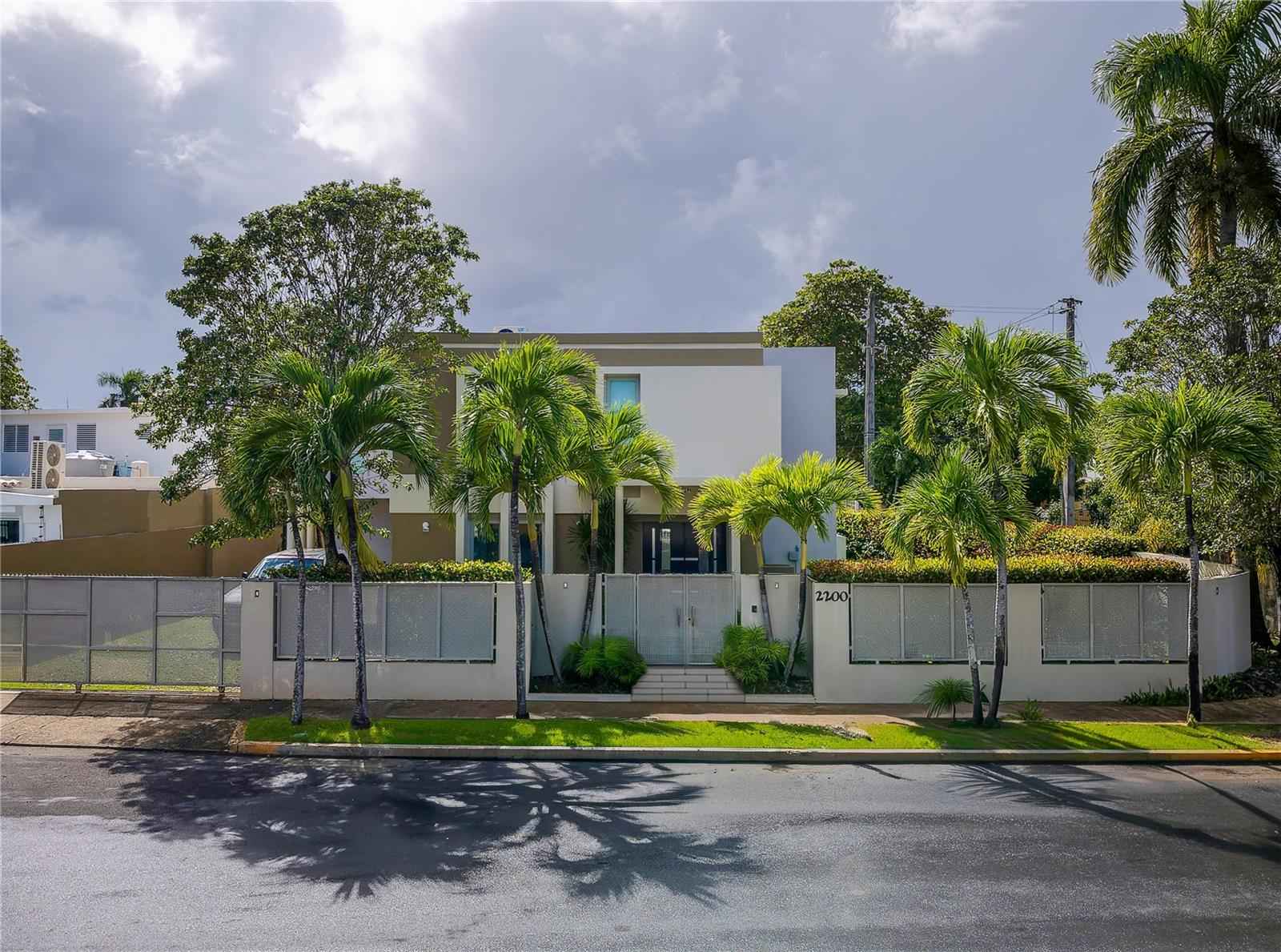
2200 Cacique Street, San Juan, PR
This active Santa Teresita residence is listed with five bedrooms, six bathrooms, 4,652 square feet, a pool, a full generator, and a cistern. The detached-home format calls for property-specific review of the dwelling limit, roof and wind terms, flood exposure, pool liability, furnished contents, and backup equipment.
Conclusion
Puerto Rico rental-property insurance should match the building, location, occupancy, amenities, and actual rental model. Owners should separate landlord coverage from tenant renters insurance, then evaluate wind, flood, liability, contents, income-loss, and association responsibilities without assuming every risk is included. A licensed Puerto Rico insurance producer and the property’s legal and financial advisers should review the final policy language for the specific transaction.
If insurance readiness is part of your purchase plan, explore Puerto Rico luxury properties with coverage questions already in hand. Compare each candidate’s construction, coastal exposure, backup systems, association obligations, and intended rental use before relying on projected carrying costs or income. Christie’s International Real Estate Puerto Rico can help you identify relevant homes and gather property information while your licensed advisers evaluate the policy, legal, and tax details.
FAQs
Is Renters Insurance the Same as Landlord Insurance?
No. Renters insurance generally protects a tenant’s belongings and personal liability, while landlord or rental-property coverage addresses the owner’s building and rental exposure subject to the specific policy.
Does a Puerto Rico Property Policy Cover Flood Damage?
Property policies generally exclude direct flood damage. Owners should evaluate separate NFIP or private flood coverage and confirm the building’s eligibility, limits, exclusions, effective date, and lender requirements.
Does Landlord Insurance Cover Every Type of Tenant Damage?
No. Coverage depends on the cause of loss, policy form, exclusions, deductibles, and whether the damage is accidental, intentional, gradual, or related to wear and tear; the policy and lease should be reviewed together.
Can a Standard Homeowners Policy Cover a Short-Term Rental?
Do not assume it can. Short-term rental activity may be treated as business use, so the owner should disclose the actual occupancy and rental model and obtain written confirmation of how the policy responds.
Related Articles
These guides provide additional context for coastal coverage, rental-market decisions, and community restrictions.