Public reporting links a two-part 2018 purchase of Cayo Norte totaling approximately $32 million to U.S. Virgin Island Properties LLC, an entity associated with Google co-founder Larry Page and his wife, Lucinda Southworth. The privately owned cay sits just northeast of Culebra and illustrates the scarcity and complexity of Puerto Rico's ultra-luxury real estate market.
For buyers, the transaction is a reminder that remote coastal property must be evaluated through title, access, environmental, permitting, infrastructure, insurance, and long-term operating requirements. The $32 million figure describes the 2018 purchase, not a 2026 appraisal or asking price; anyone assessing Cayo Norte today needs current title and permit records rather than an assumption that the original ownership or development status is unchanged.
Key Takeaways
- News reports placed the 2018 purchase at roughly $32 million across two transactions.
- Published accounts describe Cayo Norte as an island of roughly 300 acres.
- Private-island pricing is difficult to compare because access, utilities, coastal rights, permits, and conservation restrictions vary widely.
- Any development concept requires project-specific review by Puerto Rico and, when applicable, federal agencies.
- Buyers should treat title, shoreline, environmental, infrastructure, insurance, and operating-cost reviews as separate due-diligence workstreams.
Cayo Norte, Puerto Rico: The Reported $32 Million Purchase
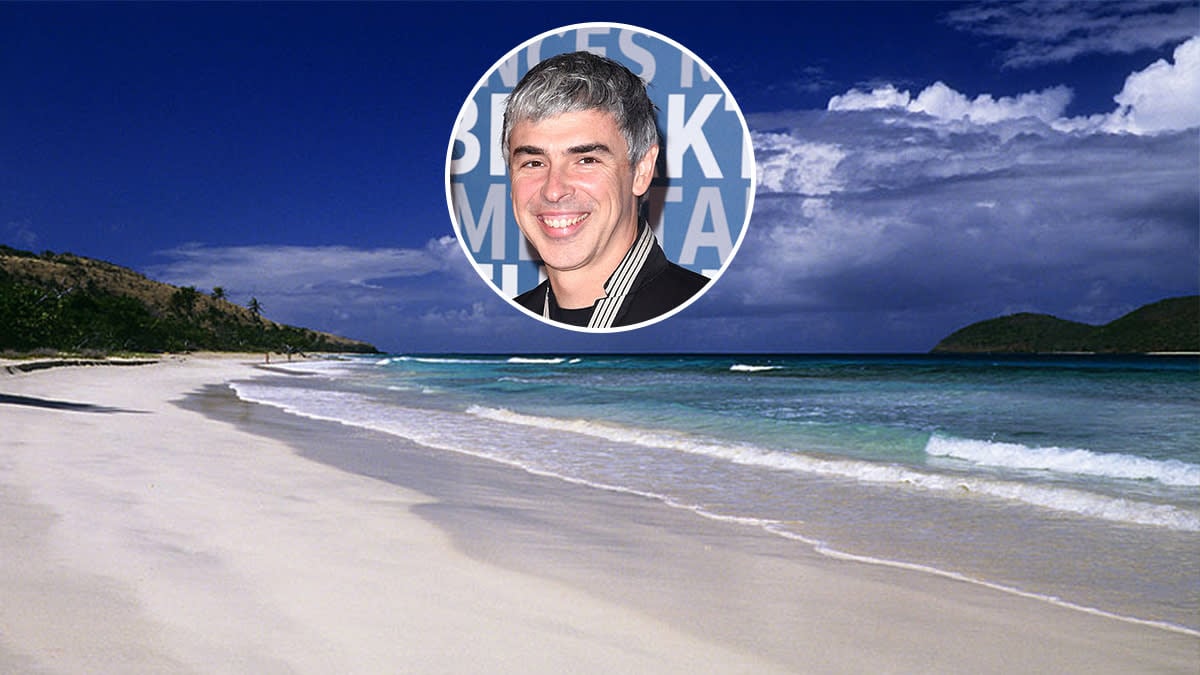
Image Source: Yahoo
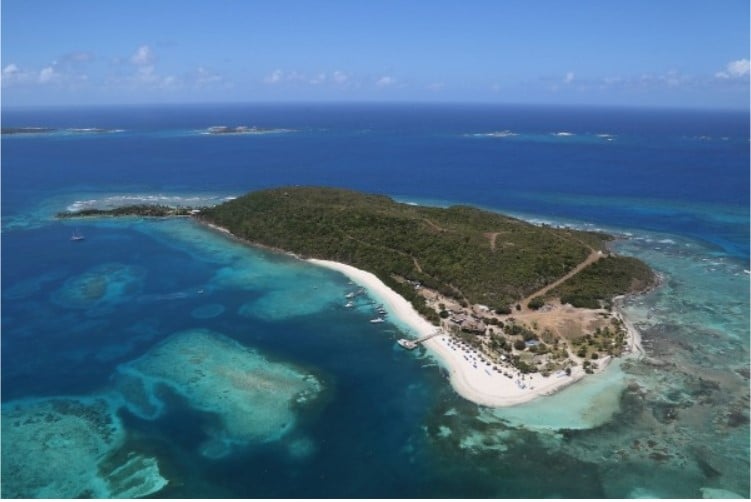
Published coverage of the Cayo Norte purchase drew attention to a segment that rarely reaches the open market. Published accounts describe Cayo Norte as a privately owned island of roughly 300 acres. Local reporting described two 2018 transactions—approximately $28.7 million and $3.4 million—that together reached about $32.1 million.
The island lies just northeast of Culebra and roughly 20 to 21 nautical miles east of Puerto Rico's main island. Its setting provides privacy while making access, utilities, emergency planning, construction logistics, and coastal compliance central to ownership.
Why Private-Island Comparisons Require Caution
Private-island transactions are thinly traded, and asking prices are not closed-sale prices. Price per acre can mislead because buildable area, title history, shoreline rights, dock access, utilities, conservation constraints, hurricane exposure, and permitted improvements vary substantially.
Ecological Value and Conservation Considerations
Federal habitat designations distinguish green-turtle habitat in waters around Culebra and its outlying keys from hawksbill habitat on Cayo Norte's south beach. Neither designation alone decides whether a project can proceed, but marine work, shoreline activity, lighting, and construction timing may require habitat-specific review and agency consultation.
Logistics and Regulatory Framework for Island Development
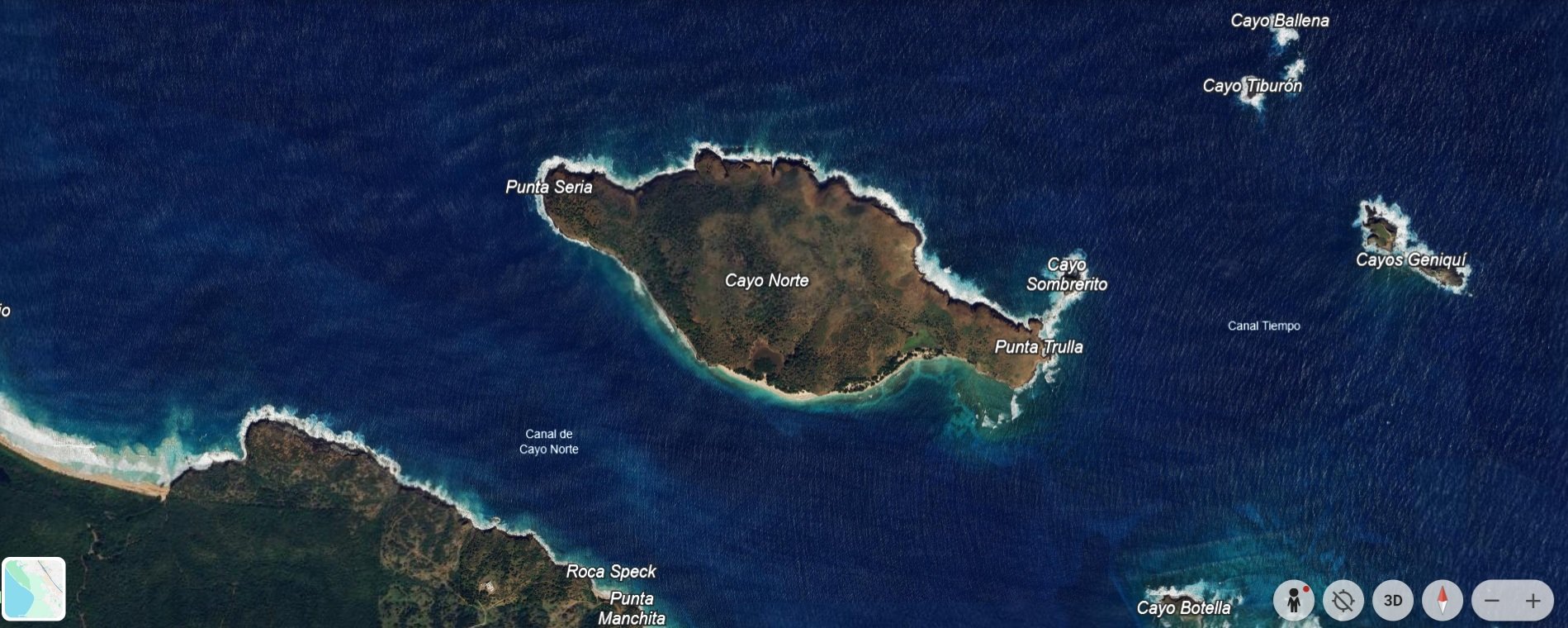
Image Source: Google Earth
Owning a private island in Puerto Rico can involve municipal, Puerto Rico, and federal review depending on the proposed work. Shoreline structures, dredging or fill, utilities, wastewater treatment, habitat disturbance, and land-use changes may each trigger different requirements.
Puerto Rico's permitting resources are a starting point, while work in navigable waters or wetlands may require review by the U.S. Army Corps of Engineers. Buyers should obtain written, project-specific guidance before assuming a dock, helipad, airstrip, residence, resort, or utility system is feasible.
For a 2026 first-pass review, the Planning Board's Puerto Rico map portal describes layers for zoning, flood areas, conservation districts, parcel boundaries, permit history, and infrastructure. Those layers help frame questions for a surveyor, environmental consultant, and permitting counsel; they are not a project approval or a substitute for confirming the island's current records with the relevant agencies.
Puerto Rico is also debating changes to its permitting system. An October 2026 Senate announcement described a substitute proposal for a new Planning and Permitting Code. A proposal should not be treated as an enacted rule or a shortcut for coastal and environmental review; verify the law in force when an application is filed.
Permitting and Development Due Diligence
- Confirm title, boundaries, shoreline and submerged-land issues, easements, and legal access.
- Review zoning, prior permits, conservation restrictions, and enforcement history.
- Determine whether shoreline, dock, dredging, fill, or wetland work requires federal authorization.
- Evaluate wildlife, lighting, erosion, stormwater, wastewater, and construction-timing requirements.
Infrastructure and Emergency Planning
- Marine or aviation access and weather-related interruption planning
- Power generation, fuel storage, battery capacity, and system redundancy
- Potable water, wastewater, communications, security, and medical evacuation
Financial Reality: Carrying Costs and Ongoing Expenses

Private-island costs extend beyond the acquisition price, but reliable budgets must be built for the specific property and proposed use. Generic estimates create false precision because a conservation holding, private residence, and hospitality project have different staffing, insurance, transport, infrastructure, and compliance requirements.
Cost Categories Buyers Should Price
- Property taxes, legal compliance, accounting, and entity administration
- Insurance terms, deductibles, exclusions, and catastrophe coverage
- Security, caretaking, vegetation management, and inspections
- Transport, fuel, equipment, supplies, environmental monitoring, and permit renewals
- Power, water, wastewater, communications, and storm-resilience systems
Buyers should obtain current quotes and scenario-based budgets from Puerto Rico professionals.
Market Dynamics and Investment Perspective

The private-island market is less liquid than conventional luxury residential real estate. Buyer pools are smaller, financing may be limited, inspections require specialist access, and development rights can materially affect value. Transaction timing depends on the asset and diligence findings; a fixed 12- or 24-month assumption is not reliable.
Privacy and rarity may support demand, but they do not guarantee appreciation, rental income, development approval, or an easy resale.
Valuation and Exit Considerations
- Distinguish verified closed sales from asking prices.
- Analyze access, buildable area, permitted improvements, and replacement cost.
- Model storm exposure, insurance terms, infrastructure replacement, and operating reserves.
- Expect a narrower buyer pool than for a luxury home in an established community.
Environmental Status and Regulatory Updates
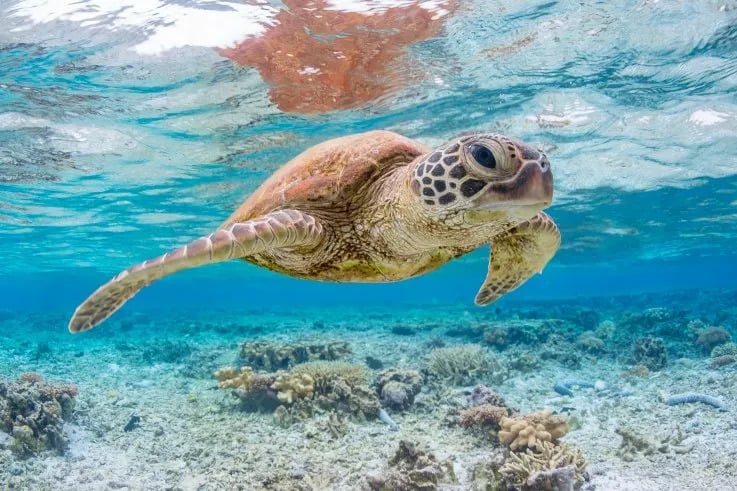
Image Source: Newsweek
The NOAA Fisheries green-turtle page identifies coastal waters around Culebra as designated critical habitat, reinforcing the need for habitat-specific review. The U.S. Fish and Wildlife Service's Culebra conservation plan identifies designated hawksbill turtle critical habitat on Cayo Norte's south beach, extending from the mean high-tide line 150 meters inland. This is a specific mapped area, not a claim that the entire island is a wildlife refuge or that every proposed use is prohibited.
In February 2024, Culebra's mayor told El Nuevo Día that no permit applications for Cayo Norte were then pending or requested. For a 2026 purchase or development decision, that dated statement cannot establish the current permit status; request a fresh search of municipal, Puerto Rico, and applicable federal records.
Climate and Resilience Questions
- Storm surge, erosion, elevation, drainage, and shoreline change
- Wind design, material durability, equipment protection, and backup systems
- Freshwater capacity, insurance terms, emergency access, and evacuation planning
Strategic Considerations for High-Profile Transactions
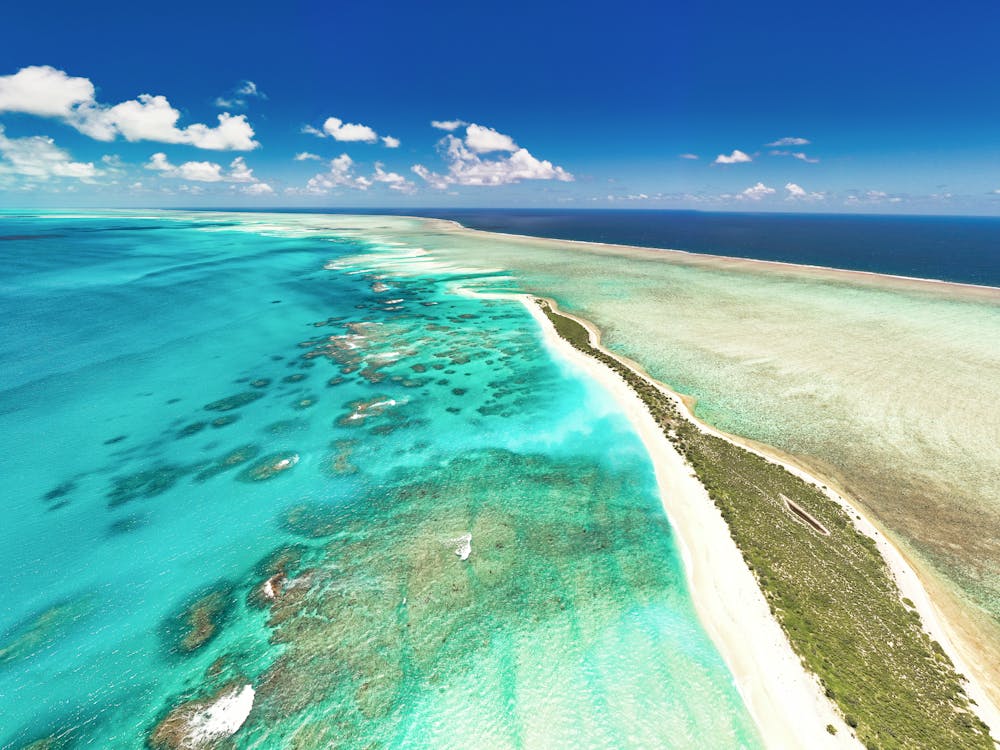
News organizations reported that the purchase was completed through U.S. Virgin Island Properties LLC. An entity purchase can be part of a legal, tax, liability, estate-planning, or privacy strategy, but the buyer's name alone does not establish that any particular benefit applies.
Puerto Rico counsel, tax advisors, and title professionals should review the ownership vehicle, beneficial-ownership obligations, financing, succession plan, source-of-funds requirements, and cross-jurisdiction reporting. This general information is not personalized legal, tax, or investment advice.
Transaction Planning Checklist
- Confirm the purchaser, financing, and title-holding structure before contracting.
- Coordinate Puerto Rico and home-jurisdiction tax and reporting advice.
- Complete sanctions, source-of-funds, insurance, title, survey, and environmental reviews.
- Plan governance, succession, staffing, and operational control.
Puerto Rico Luxury Properties for Sale
Private-island ownership represents the far edge of Puerto Rico luxury real estate, but its defining priorities—privacy, coastal access, resilience, and careful due diligence—also guide buyers evaluating homes and estates across the island. Christie's International Real Estate Puerto Rico offers luxury properties for sale in Puerto Rico that translate those priorities into residences within established communities with access to essential services and amenities. The four current listings below provide geographically varied options for readers seeking distinctive Puerto Rico real estate without the operational demands of owning an entire island.
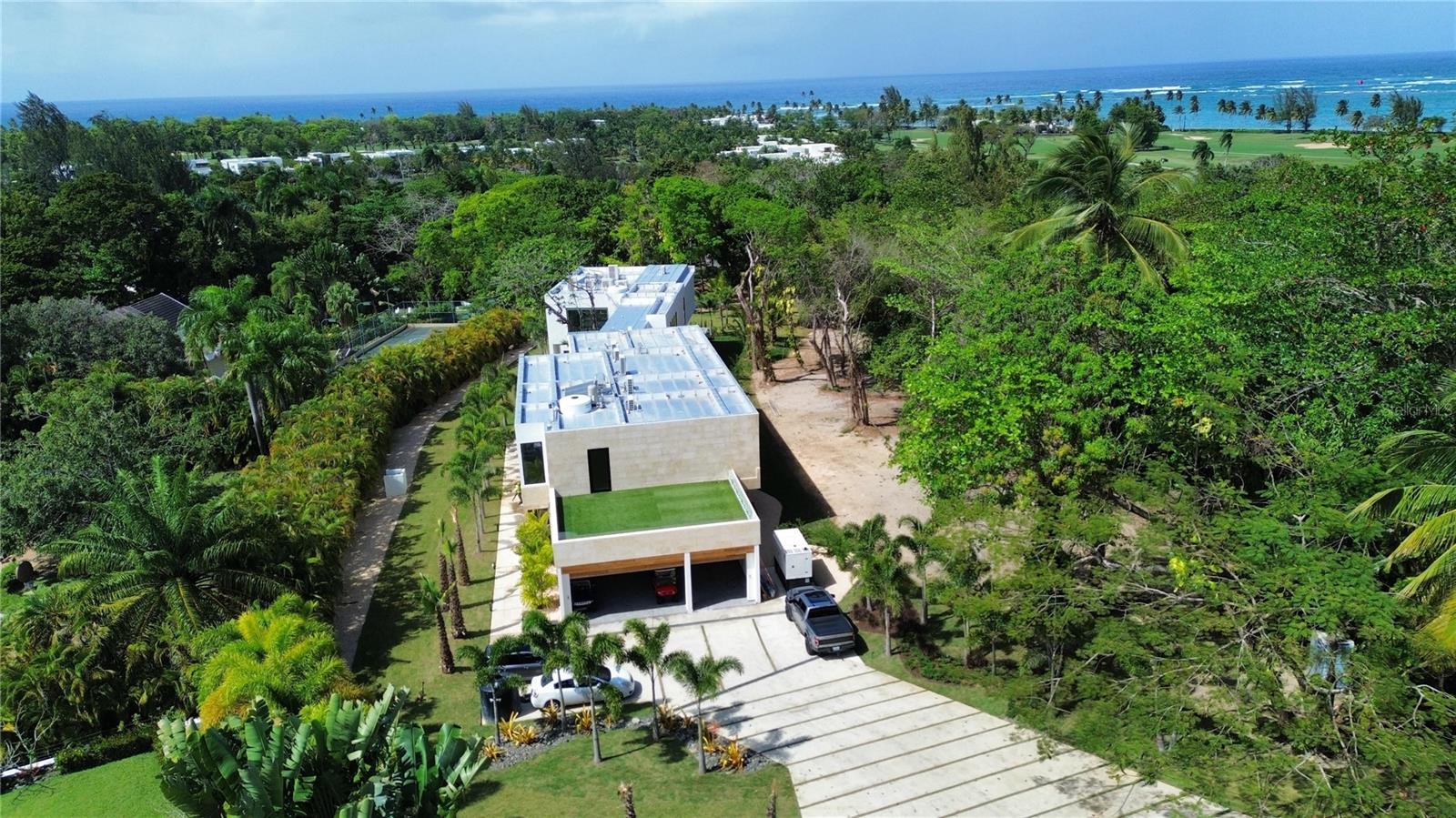
904 Villa Dorado Estates, Dorado, PR 00646
Villa Escondida is an active six-bedroom residence with 9,069 square feet of interior space on approximately 1.3 acres. Its pool, landscaped grounds, and indoor-outdoor living areas offer an estate-scale alternative near Dorado's services.
11 Barrio Frailes, Culebra, PR 00775
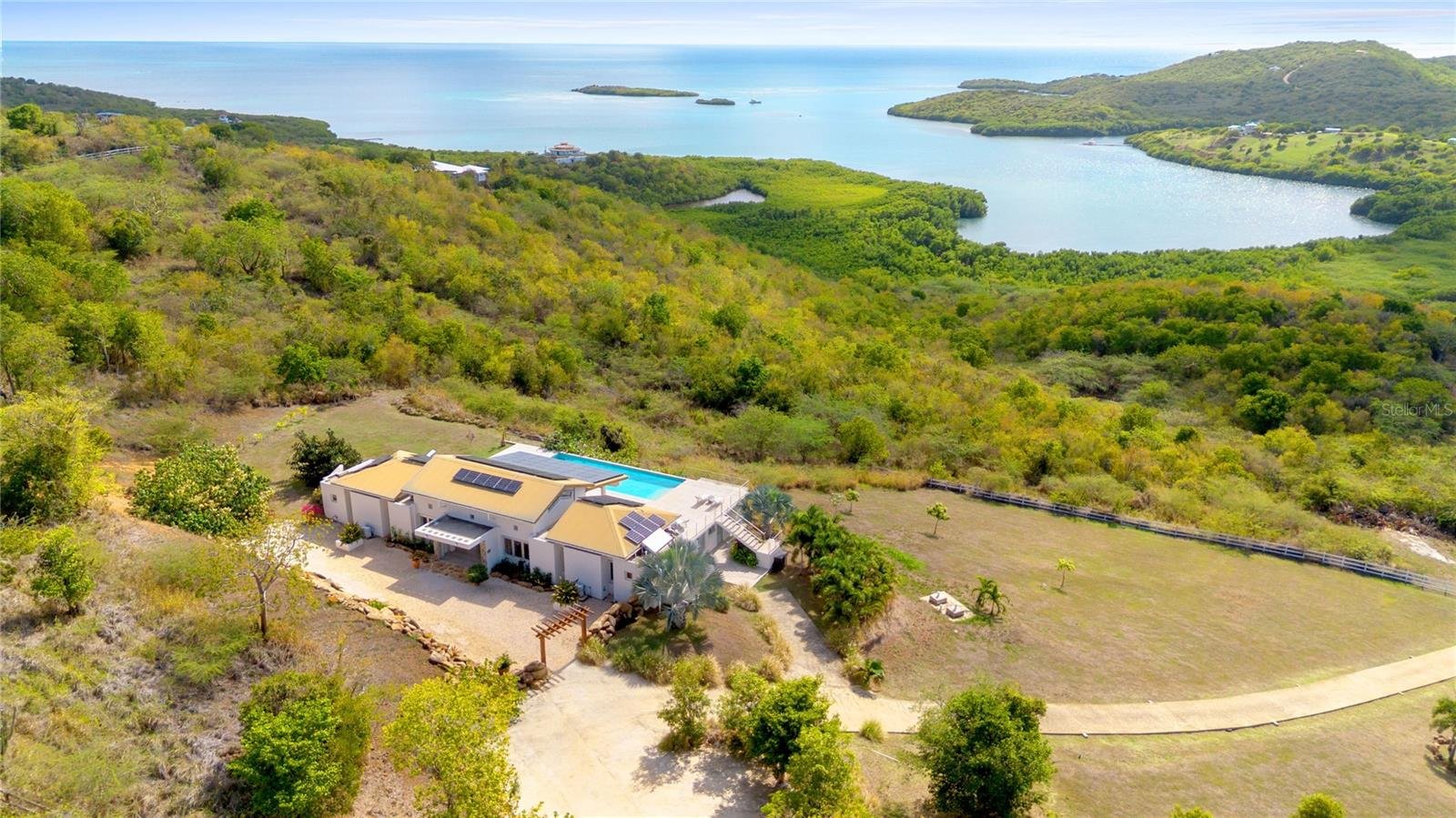
Casa Las Pelas is an active three-bedroom, four-bath residence on approximately five acres in Northview Estates. Water and mountain views, an infinity pool, and solar features make it the closest geographic fit for readers interested in Cayo Norte.
608 Ernesto Cerra Street, San Juan, PR 00907
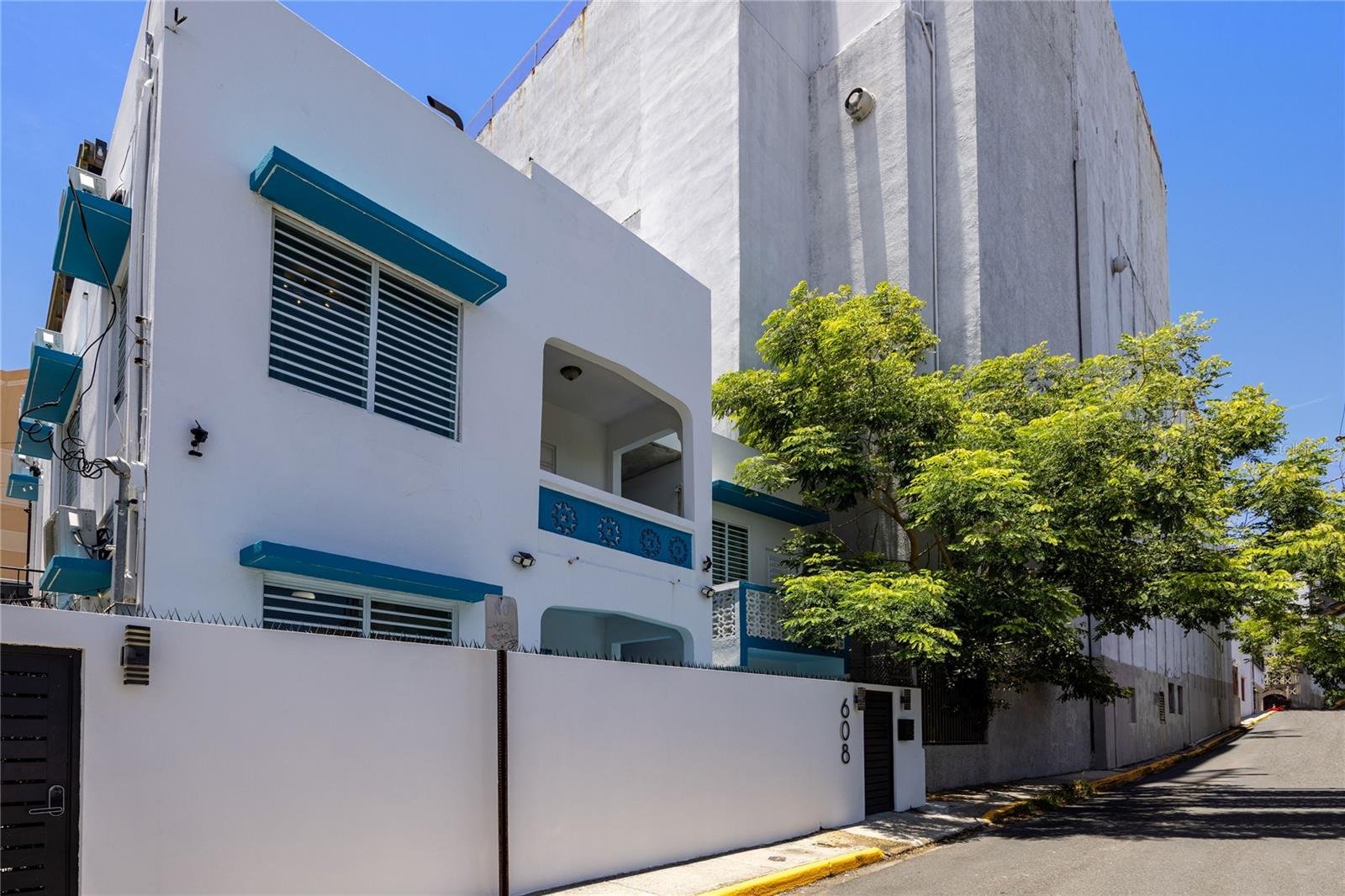
This active San Juan property contains four units with eight bedrooms and seven bathrooms. Multiple terraces and a rooftop pool, outdoor kitchen, and bar support a flexible multifamily use.
PR 413 Solar C, Barrio Puntas, Rincón, PR 00677
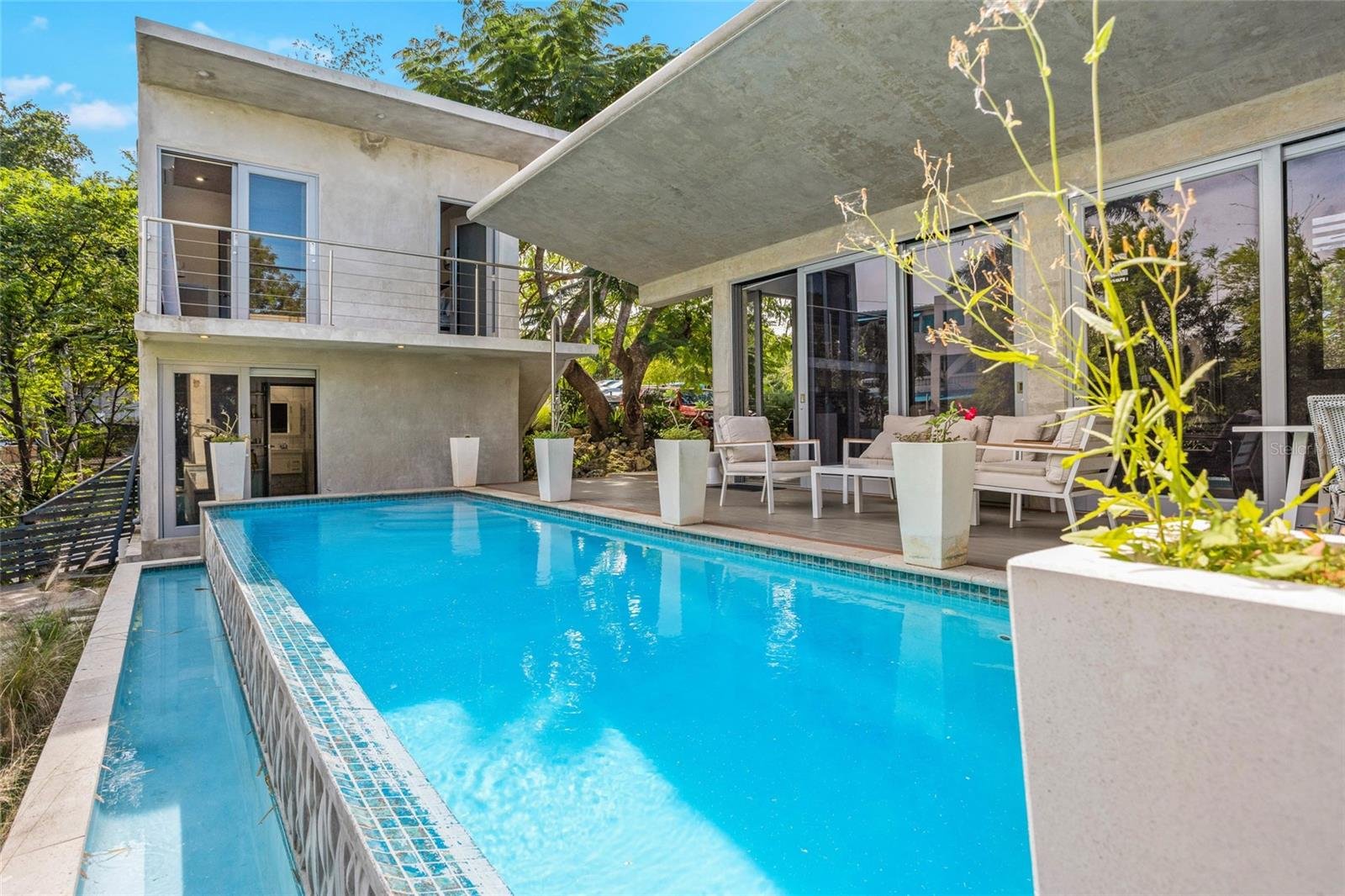
Casa Sol is an active four-bedroom, three-bath residence in Puntas with approximately 2,000 square feet of living space. Solar panels, battery backup, an infinity pool, partial ocean views, and proximity to Sandy Beach combine coastal living with resilience features.
Future Outlook for Puerto Rico Private-Island Real Estate
Cayo Norte remains notable because few comparable Puerto Rico islands trade publicly. Future value will depend on title certainty, lawful access, buildable area, environmental obligations, insurability, infrastructure, and the feasibility of a buyer's intended use—not scarcity alone.
Conclusion
The reported $32 million Cayo Norte purchase illustrates both the appeal and complexity of Puerto Rico's rarest luxury real estate. It also shows why an exceptional coastal asset cannot be evaluated on purchase price or scarcity alone. Buyers should assess privacy, ecology, access, regulation, resilience, and long-term operating requirements together before pursuing a similar property.
If you are looking to buy, sell, or rent Puerto Rico luxury properties, Christie's International Real Estate Puerto Rico can provide market guidance and help identify opportunities suited to your goals. Contact our team to discuss your next step.
FAQs
Did Larry Page buy an island in Puerto Rico?
Major news outlets reported that an LLC associated with Larry Page and Lucinda Southworth acquired Cayo Norte in two 2018 transactions totaling approximately $32.1 million. Current ownership should be confirmed through an up-to-date title review.
Where is Cayo Norte, Puerto Rico?
Cayo Norte is a privately owned island just northeast of Culebra. Published accounts describe it as roughly 300 acres.
Who owns Cayo Norte now?
Public reports connected the 2018 acquisition to an LLC associated with Larry Page and Lucinda Southworth. Because ownership can change, anyone relying on current ownership should obtain a title search and review the latest public records.
Can the public visit Cayo Norte?
Cayo Norte is private property, so visitors should not land or enter without authorization. Boaters must follow navigation, safety, wildlife, and protected-area rules.
Can non-U.S. citizens buy real estate in Puerto Rico?
Foreign buyers can generally acquire Puerto Rico real estate, but banking, tax reporting, sanctions screening, entity structure, succession, and source-of-funds requirements vary. Obtain Puerto Rico legal and tax advice for your circumstances.
What should a private-island buyer verify beyond title?
Review boundaries, shoreline and submerged-land issues, legal access, conservation designations, permits, utilities, environmental conditions, insurance, storm exposure, emergency response, and proposed improvements.
How should owners plan for emergencies?
A property-specific plan may include reliable communications, trained staff, first-aid capacity, storm procedures, evacuation triggers, and contracted marine or aviation support.
Related Articles
These articles offer more context on Culebra property, landmark Puerto Rico luxury transactions, and high-end homes available across the island.