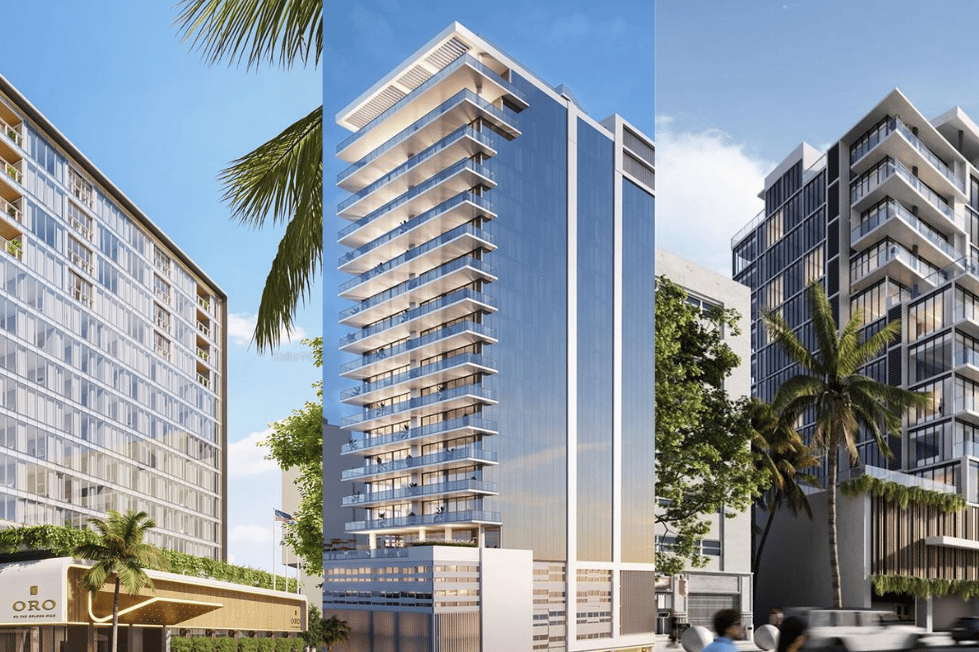
Rio Grande, Puerto Rico real estate ranges from resort residences near the Atlantic coast to gated homes and condominiums closer to everyday services. The municipality appeals to buyers who want access to beaches, golf, and El Yunque while remaining connected to the San Juan metropolitan area.
The right property depends on more than its view or resort address. Buyers should compare community rules, recurring fees, insurance needs, flood exposure, title, permits, and the practical terms attached to any club or rental program before making an offer.
Key Takeaways
Rio Grande offers several distinct ownership settings, so buyers should evaluate the home and the community structure together.
- Rio Grande includes resort communities, condominiums, gated neighborhoods, and vacant land at different price points.
- Bahía Beach, Río Mar, Coco Beach, and nearby residential areas offer different combinations of amenities, fees, and access.
- Beach proximity does not replace property-specific flood, insurance, title, and permitting due diligence.
- HOA dues, club memberships, rental rules, and capital assessments can materially affect the total cost of ownership.
- Active listings should be verified before they are used as market evidence because price and availability can change.
Why Buyers Consider Rio Grande, Puerto Rico Real Estate
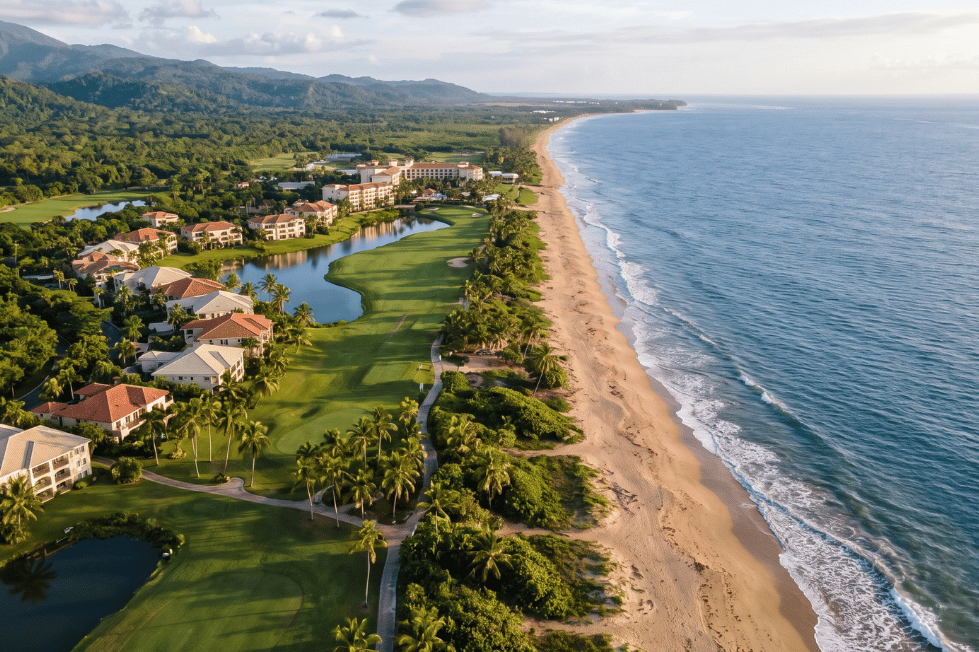
Rio Grande sits on Puerto Rico’s northeastern coast, where resort development and established residential communities meet forest and coastal landscapes. That combination gives buyers several ways to own in the area without assuming that every address provides the same amenities or lifestyle.
Resort Communities and Coastal Living
Four Seasons Resort and Residences Puerto Rico is located in the Bahía Beach community between Río Grande and Luquillo. Its official site describes a 483-acre property with beach, nature-reserve, golf, recreation, and residence components, but access to particular facilities can depend on the property, membership, and current community rules.
Río Mar, Coco Beach, Grand Reserve, and other communities create additional choices for buyers seeking golf, beach, condominium, or resort-adjacent living. Buyers should confirm whether a residence includes any club membership, whether transfer or initiation fees apply, and which amenities are governed by separate entities.
El Yunque and the Northeast Corridor
Rio Grande has a direct relationship with El Yunque National Forest; U.S. Forest Service planning documents identify the municipality as containing the largest area of National Forest land among surrounding municipalities. This makes access to rainforest recreation part of the area’s appeal, but buyers should still evaluate the exact road, drainage, slope, and utility conditions of a specific property.
PR-66 and PR-3 connect Rio Grande with Carolina and the wider metropolitan area. Travel time varies with the property’s location, traffic, weather, and road conditions, so a buyer should test the route during the times they expect to use it instead of relying on a fixed advertised drive time.
Rio Grande Communities and Housing Options
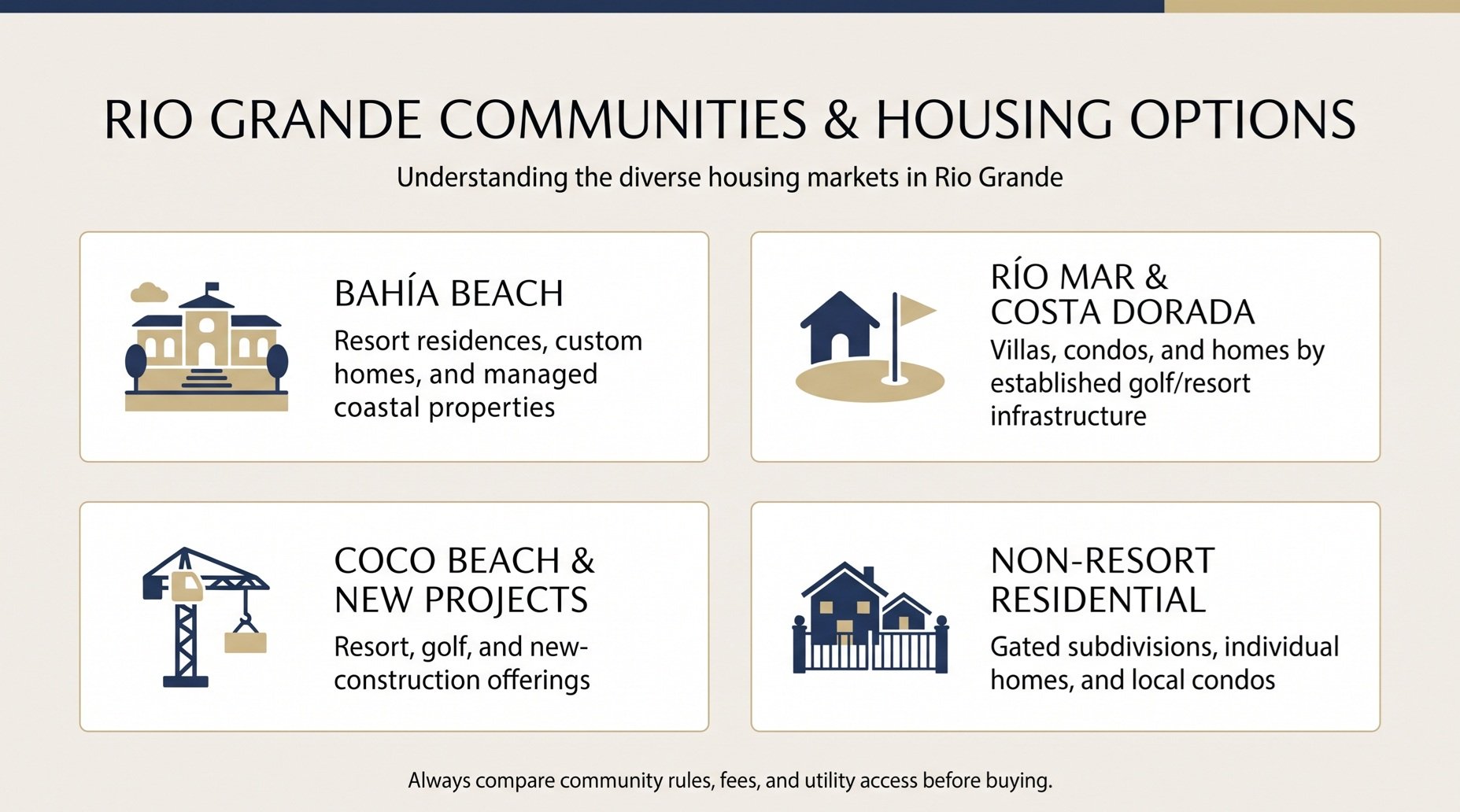
The municipality is not a single resort market. Comparing community type first helps buyers narrow the search and understand which expenses and restrictions are likely to apply.
Bahía Beach
Bahía Beach includes resort residences, custom homes, condominiums, and limited homesites within a managed coastal setting. The resort’s transition from St. Regis to Four Seasons is relevant to current branding, but buyers should review present ownership documents and community agreements rather than assume that resort services automatically transfer with a sale.
Río Mar and Costa Dorada
Río Mar and nearby communities offer condominiums, villas, and homes within or beside established golf and resort infrastructure. Costa Dorada listings can provide another entry point into the corridor, but buyers should distinguish completed amenities from planned improvements and verify any separate country-club application process.
Coco Beach and New Construction
Coco Beach and Grand Reserve include resort, golf, and new-construction offerings. Buyers considering Marea Residences at Coco Beach or another project should request the current offering materials, construction schedule, deposit terms, association budget, and the developer’s stated delivery obligations before relying on marketing descriptions.
Non-Resort Residential Options
Rio Grande also has gated subdivisions, individual homes, and condominiums outside the principal resort communities. These properties may have simpler amenity structures, but they still require the same review of title, permits, association documents, insurance availability, road access, and utilities.
What to Check Before Buying
A strong offer follows property-specific due diligence. The following checks help separate the home’s advertised features from the legal, physical, and financial conditions a buyer will actually inherit.
HOA, Club, and Rental Rules
Request the current budget, financial statements, insurance information, bylaws, rules, meeting minutes, pending assessments, and litigation disclosures for every applicable association. If rental income matters, confirm minimum stays, registration requirements, taxes, management restrictions, and whether a resort rental program is optional, mandatory, or unavailable.
Flood, Coastal, and Insurance Review
The Puerto Rico Planning Board’s Flood Portal provides official flood-risk resources, including FIRM and advisory mapping tools. A map is only a starting point: buyers should obtain property-specific insurance quotes, review elevation and drainage information where relevant, and ask qualified professionals about coastal exposure, wind coverage, deductibles, and insurability.
Title, Permits, and Physical Condition
Puerto Rico closings use a local notary and property-registry process. Buyers should have counsel confirm ownership, liens, easements, boundaries, permits, tax status, and registry consistency, while licensed inspectors and engineers evaluate the structure, roof, mechanical systems, moisture, storm resilience, and any additions.
Total Ownership Cost
Budget beyond the purchase price for association dues, club costs, property taxes, insurance, utilities, maintenance, reserve contributions, management, and possible assessments. Resort-community charges can be divided among multiple entities, so each recurring fee should be documented separately before the buyer completes underwriting.
Act 60 and Real Estate Are Separate Decisions
Buying a Rio Grande property does not by itself create eligibility for Puerto Rico tax incentives. A potential applicant should evaluate the current Act 60 rules, residency requirements, decree timing, and federal and Puerto Rico tax consequences with qualified legal and tax advisers.
Choose the property based on its condition, documents, carrying costs, and suitability even if a tax strategy is part of a broader relocation plan. Neither future appreciation nor rental income should be assumed from an incentive, resort brand, or neighborhood name.
Homes for Sale in Rio Grande, Puerto Rico
The following four properties were shown as active on Christie's International Real Estate Puerto Rico on October 30, 2026. They illustrate different ownership types in Rio Grande, but availability, price, fees, and property details can change and should be reconfirmed before any decision.

2 PR-187, Rio Grande — $4,000,000
This 0.98-acre vacant homesite was listed as active inside a gated resort community. The listing describes lake frontage, beach access, and community recreation amenities.
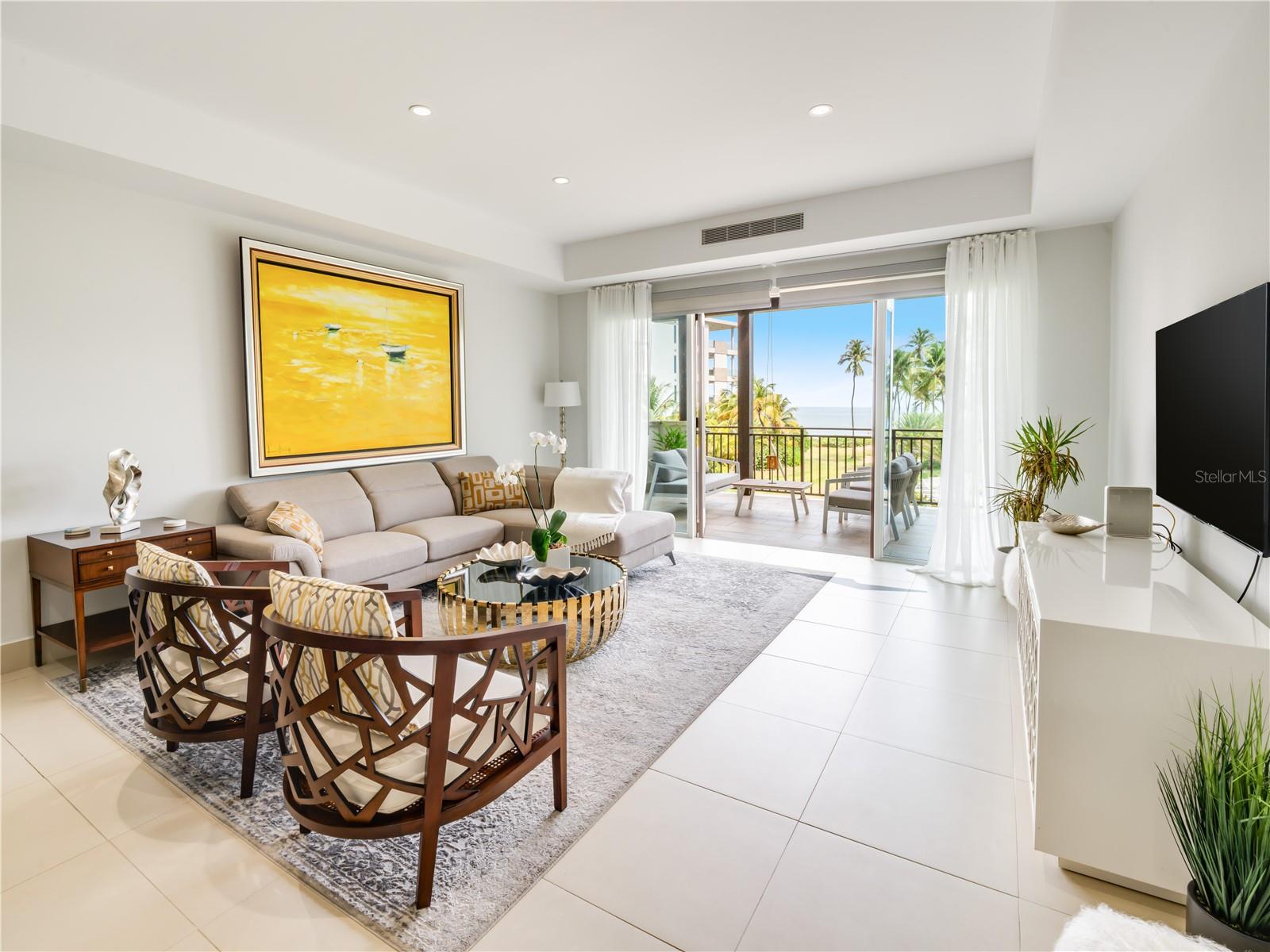
Las Ventanas II #313, Bahía Beach — $2,900,000
This 1,281-square-foot condominium was listed with one bedroom plus a den and two bathrooms. The third-floor residence is described as furnished and located near the beach and Beach Club with ocean views.

10 I #201, Costa Dorada — $500,000
This 1,852-square-foot penthouse was listed with three bedrooms and four bathrooms. The listing describes a private rooftop terrace with Atlantic views, two assigned parking spaces, and planned community amenities.
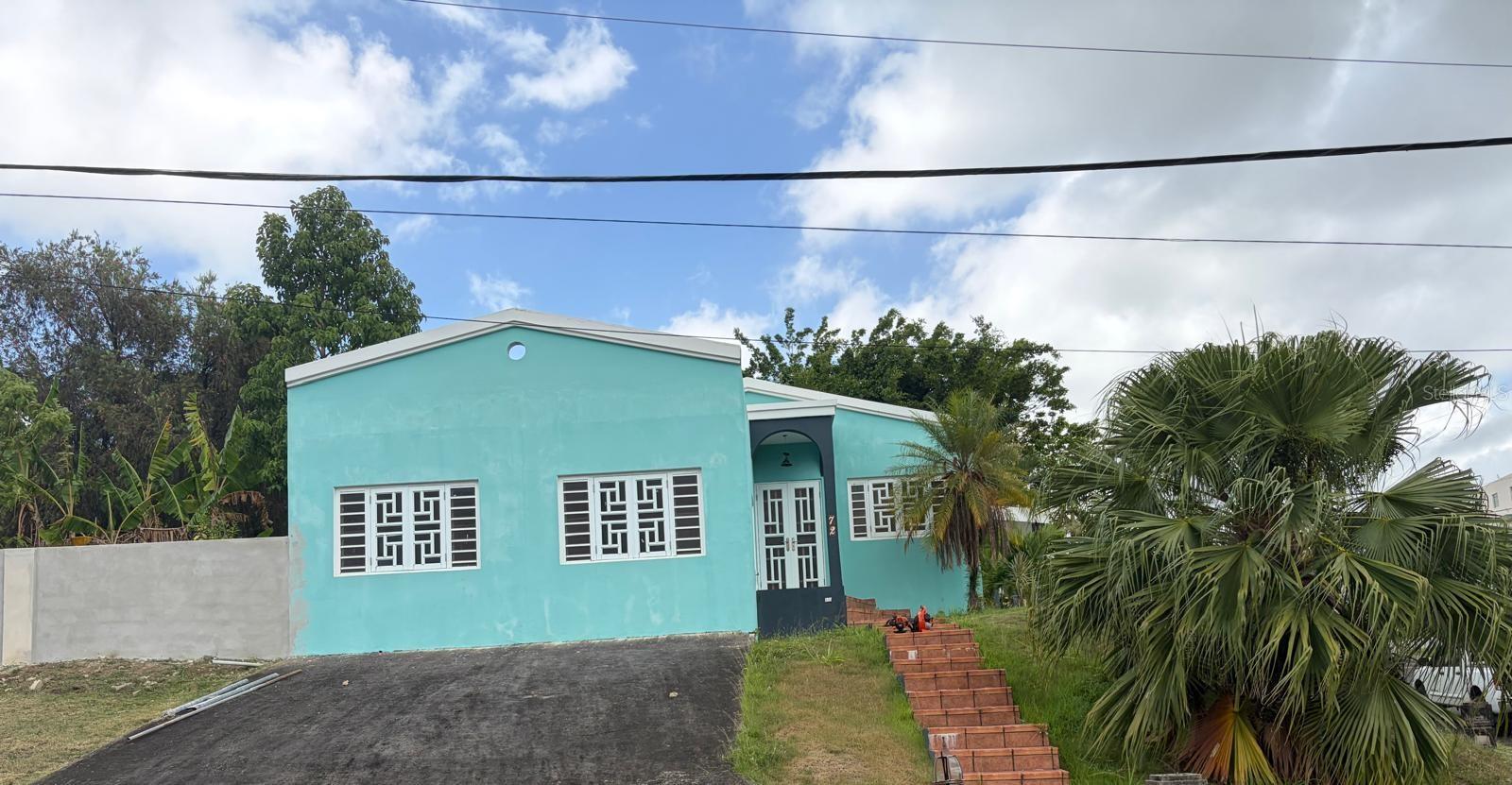
Calle 2, Block C, Number 72 — $375,000
This 1,500-square-foot residence was listed with three bedrooms and two-and-a-half bathrooms. The active listing places the home in a gated community with access to PR-66 and nearby daily services.
Conclusion
Rio Grande gives buyers a broad choice of resort, coastal, condominium, and residential properties near Puerto Rico’s northeast corridor. The strongest purchase is based on verified documents, current listing information, realistic ownership costs, and property-specific risk review. A local real estate, legal, insurance, lending, and inspection team can help a buyer compare those factors before closing.
Explore current Puerto Rico luxury properties with Christie's International Real Estate Puerto Rico. Contact our team to compare Rio Grande homes, communities, and due-diligence priorities for your purchase.
FAQs
Can Mainland U.S. Buyers Purchase Property in Rio Grande?
Yes. Mainland U.S. buyers can purchase Puerto Rico real estate, but the closing process uses Puerto Rico title, notary, registry, and tax procedures that may differ from a stateside transaction.
Do Rio Grande Homes Automatically Include Resort or Club Access?
No. Access depends on the property, community documents, membership structure, and current resort or club rules, so buyers should verify inclusions, fees, transfer terms, and application requirements in writing.
What Should Buyers Review in a Rio Grande Condominium or HOA?
Review the governing documents, rules, budget, reserves, insurance, recent minutes, assessments, litigation, rental restrictions, and any separate master association or club obligations.
How Should Buyers Evaluate Flood Risk in Rio Grande?
Start with official Puerto Rico Planning Board and FEMA mapping, then obtain property-specific elevation, drainage, inspection, and insurance information from qualified professionals.