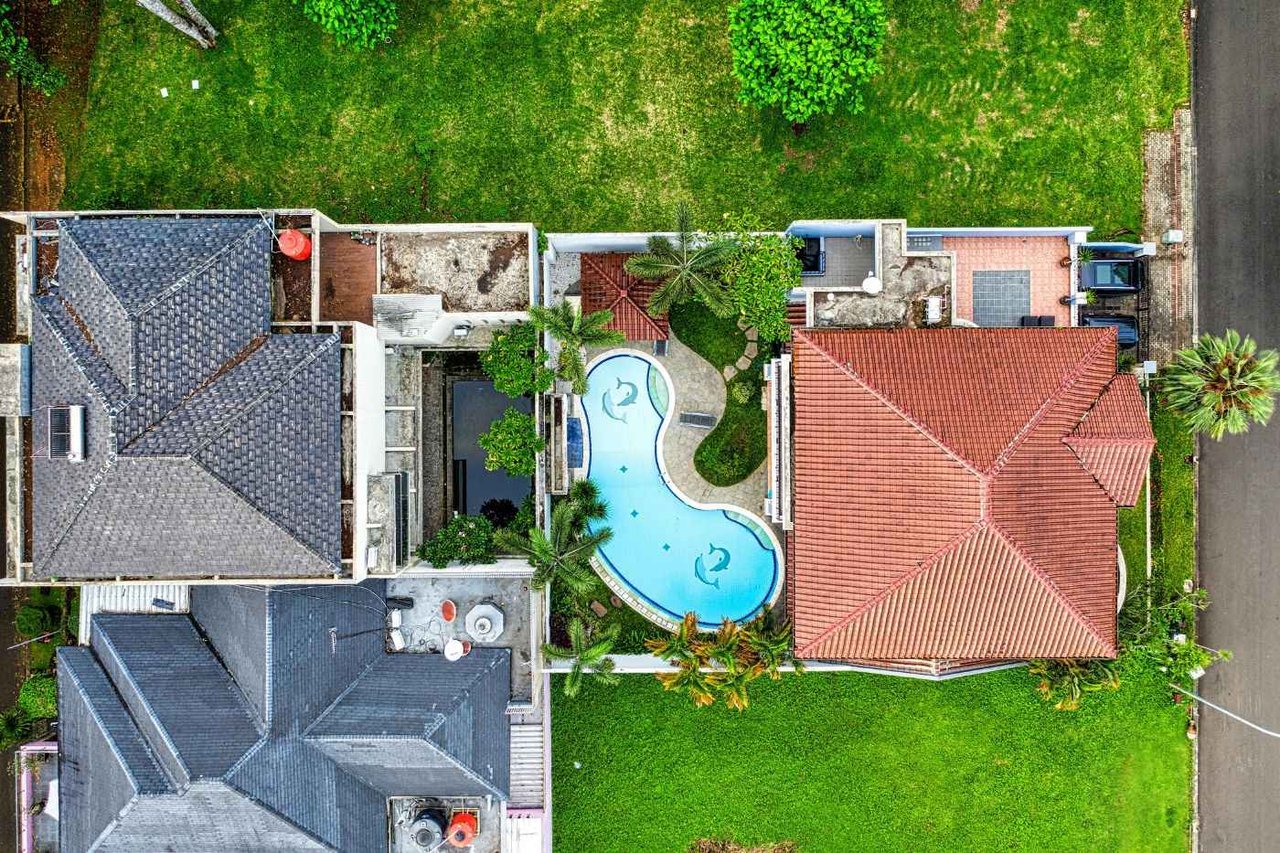
Puerto Rico's luxury market has more private pools per property than almost any comparable US market. The pool is part of the lifestyle a buyer comes for, alongside the ocean view and the gated community. The same pool is also where the most expensive hidden problem can sit at closing. Buyers who check for leaks before signing protect both the deal and the lifestyle.
Local buyers and out-of-island purchasers often work with a specialist leak-detection company like Leak Lab that uses non-invasive techniques to detect leaks in pools, spas, and water features. The guide below covers what luxury buyers should check before closing on a Puerto Rico property with a pool—and how to work with your inspector or leak-detection specialist to protect your investment.
For high‑value properties, a dedicated pool‑leak survey sits alongside the general home inspection as part of a thorough pre‑closing checklist. Your Christie's International Real Estate Puerto Rico broker can help coordinate trusted inspectors and leak‑detection specialists so issues surface before you sign, not after.
Why Should Puerto Rico Luxury Buyers Check Pool Leaks Pre-Closing?
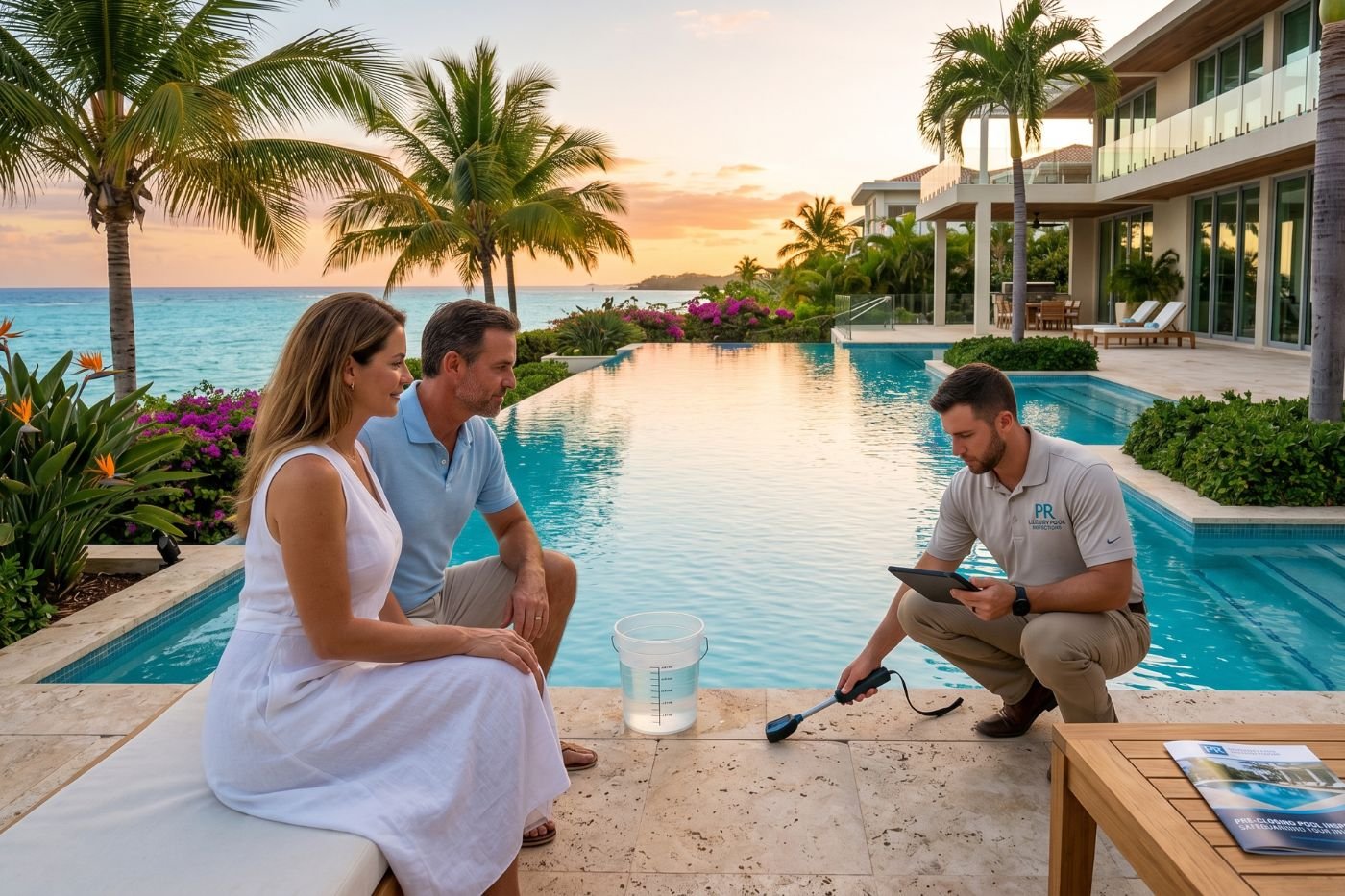
Puerto Rico luxury buyers should check for pool leaks pre-closing, as the island's climate and soil can mask leaks that many mainland buyers underestimate. Year-round humidity masks evaporation patterns. Hurricane-season swings stress pool shells. Tropical soils shift faster than those in the continental US, so even a small leak can shift a deck within a year.
Three forces sit behind the increased risk. First, Puerto Rico's pool inventory skews older in many high-end neighborhoods, with shells built decades ago. Second, the broader Puerto Rico luxury market prizes private pools, so most premium listings include one. Third, the climate accelerates the kinds of small leaks that surface slowly in cooler markets.
For buyers using government‑backed or conventional financing, lenders' minimum property‑condition standards can influence how pool issues must be addressed before closing. Your inspector and lender can clarify whether any leak‑related repairs are required for your specific loan program.
What Six Pool-Leak Signs Should a Buyer Watch For at a Showing?
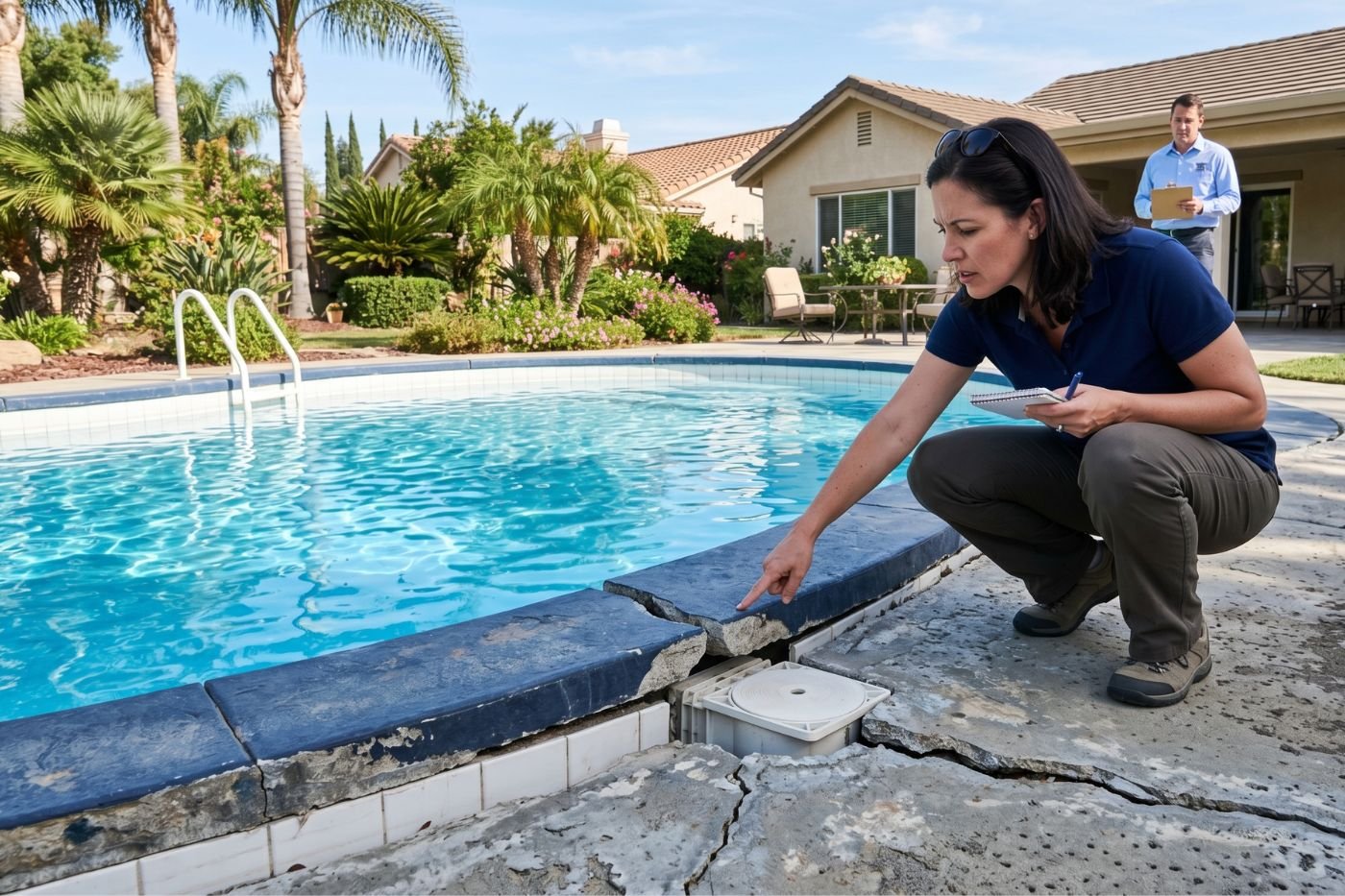
Six signs reliably point to a hidden leak during a property showing.
-
A faster-than-normal drop in pool water level was noted in the seller's history.
-
Damp soil or unusually green grass along one edge of the pool.
-
Cracks or shifts in the pool deck, especially near coping or fittings.
-
Air bubbles in pool return jets when the pump runs.
-
A higher water bill on the seller's recent statements, especially the summer ones.
-
Visible repair marks on the deck or pool wall from previous work.
Each sign on its own can be benign. Two or more showing together raise the probability of a real leak during the period you own the property.
How Does a Pre-Closing Pool Leak Inspection Work?
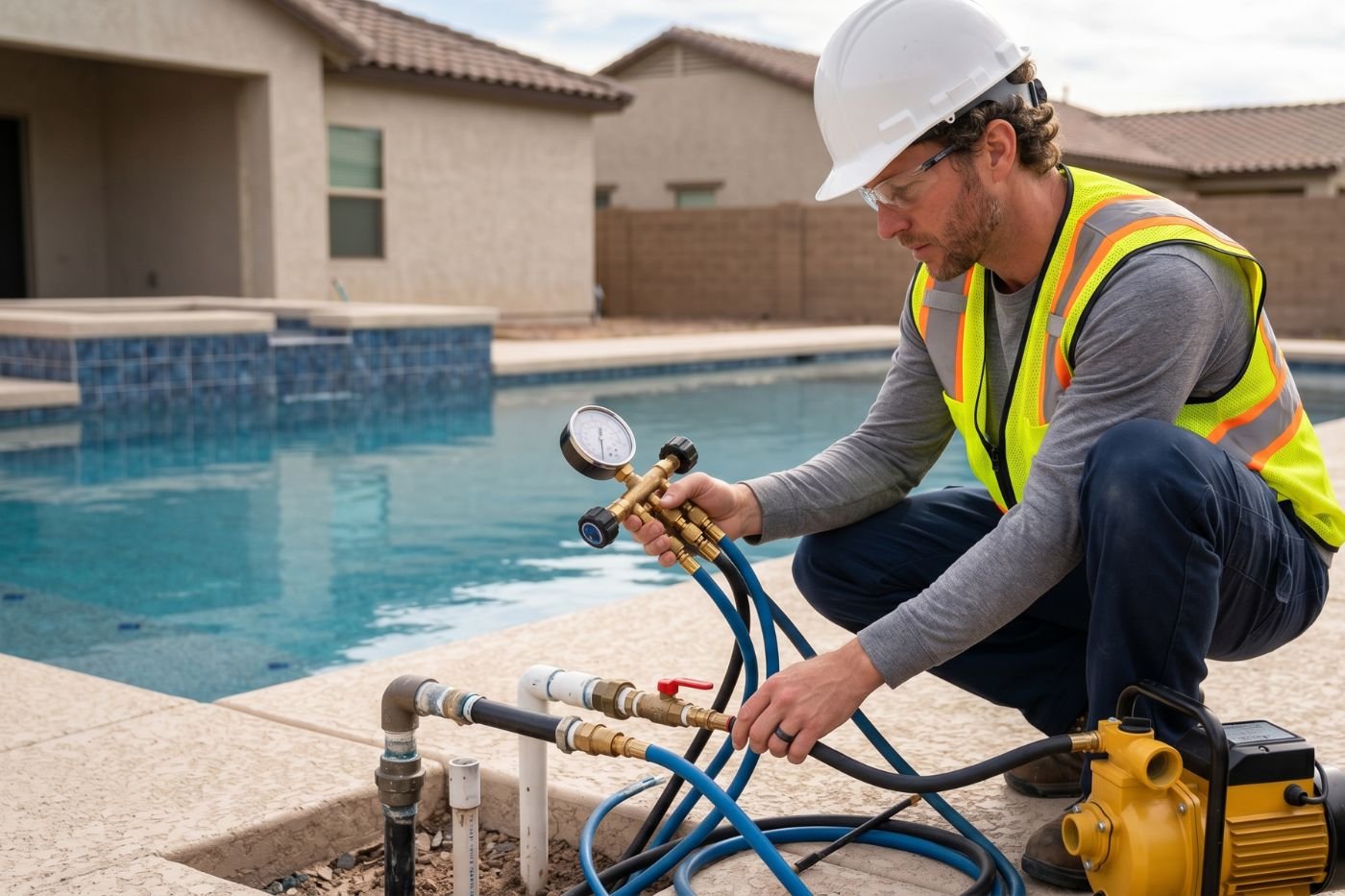
The pre-closing inspection uses a few practical techniques. The first is the bucket test: place a bucket of pool water on the steps and compare its level drop to the pool over 24 hours. A significantly larger drop in the pool itself points to a leak.
The second is the dye test, where a specialist drops dye near suspected cracks or fittings and observes whether it is pulled toward a leak. The third is pressure testing on the plumbing lines using specialist equipment.
The fourth is acoustic listening, which picks up the sound of water moving inside the pool plumbing. The exclusive amenities that luxury Puerto Rico properties offer often include spas and water features, each of which deserves its own inspection pass.
For buyers planning to update landscaping or outdoor water features after closing, the EPA’s WaterSense outdoor water tips offer practical guidance on efficient water use and irrigation design. It’s a useful reference when you’re budgeting for post‑closing upgrades.
What Should a Buyer Verify Before Closing?
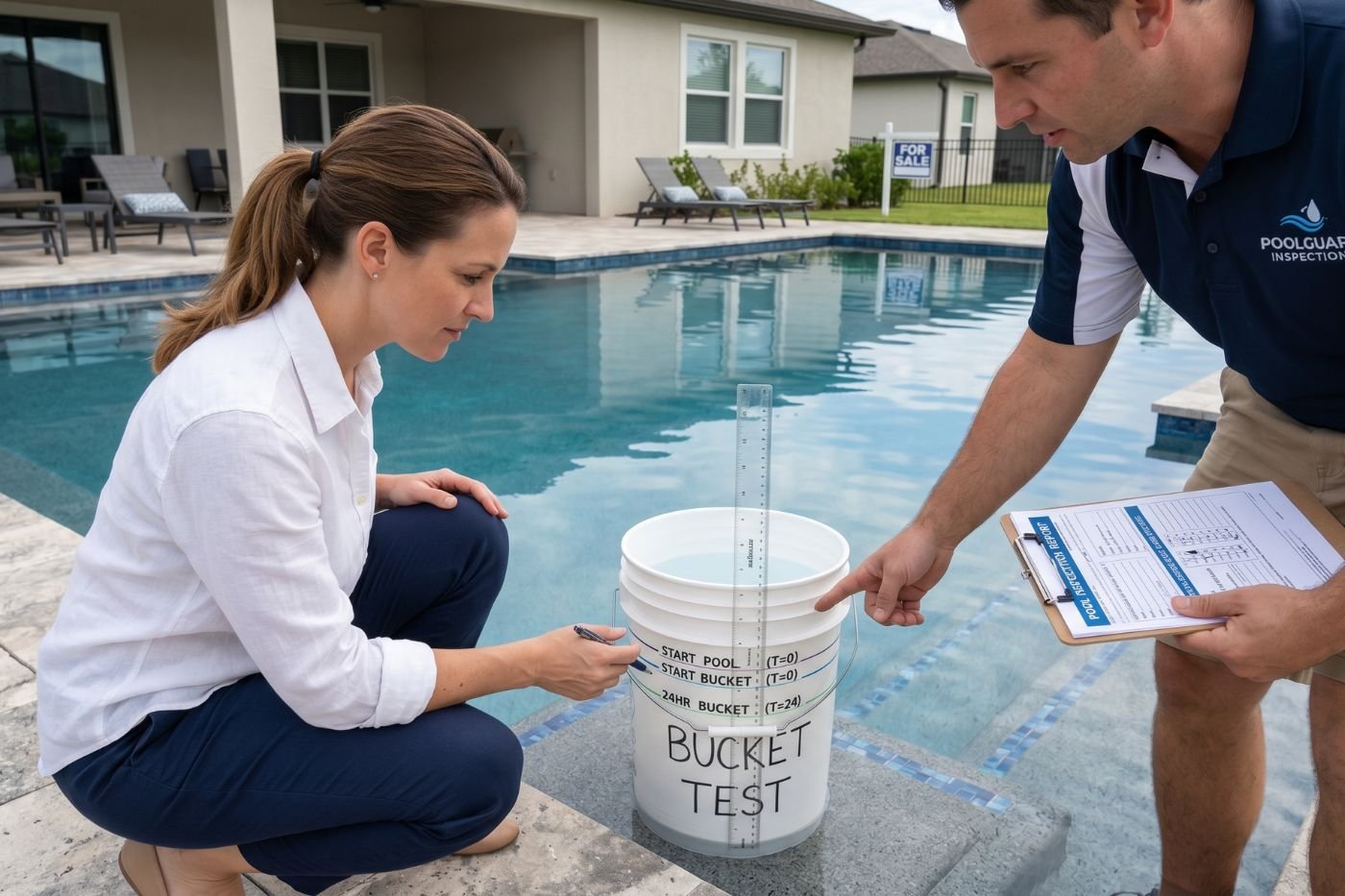
A short pre-closing pass covers the questions worth asking the seller and the inspector.
-
Request the past three years of pool repair history from the seller.
-
Verify the bucket-test result from a recent 24-hour run.
-
Confirm the deck and coping condition with photos at recent angles.
-
Ask about any auto-fill system that may be masking a slow leak.
-
Review the equipment pad for any visible drip or repair history.
-
Confirm the inspection report covers all water features, not just the main pool.
A Quick Pre-Closing Reality Check
A short pass covers what luxury buyers should confirm before signing.
-
Confirm a recent bucket-test result from the seller's side.
-
Document any visible deck cracks, damp soil, or wet decking.
-
Request the pool repair history for the last three years.
-
Confirm that any auto-fill system has been disabled for the test.
-
Get a written leak-detection report from the specialist.
-
Save the inspection report alongside the closing documents.
Why Pre-Closing Leak Detection Pays Back for Luxury Buyers
Pre-closing leak detection pays back because the cost of finding a leak after closing usually falls to the buyer. A small leak found before closing can be negotiated into the purchase price as a credit or seller repair. The same leak, discovered three months earlier, becomes a full repair bill, often with added costs for the surrounding deck and landscaping.
The shift also protects the lifestyle the buyer came for. Puerto Rico luxury properties are bought for the pool, the view, and the gated-community feel. A pool out of commission for a major repair during the first season undermines the whole reason for the purchase. The pre-closing detection step keeps the property usable from move-in.
When a leak is caught early, your broker can help you negotiate a fair outcome—whether that means a repair before closing, a credit at settlement, or walking away from a property that no longer fits your risk tolerance.
Frequently Asked Questions
Is Pool Leak Detection Standard in a Puerto Rico Closing Inspection?
Not yet, but it should be. Most standard home inspections visually inspect the pool and check the pump. A specialist leak-detection survey is a separate engagement that catches what the general inspection misses. Many luxury buyers now add it as a standard pre-closing line item.
How Long Does a Pre-Closing Pool Leak Inspection Take?
Most surveys take two to four hours for a residential pool. Properties with attached spas, water features, or unusual plumbing routes take longer. Same-day reporting is common for straightforward closings.
Can a Buyer Negotiate Repairs Found in a Pool Leak Survey?
Yes, in most cases. A documented leak finding gives the buyer a clear basis for a price credit or a seller-paid repair. The negotiating position is much stronger before closing than after.
Should Out-of-Island Buyers Use a Local or Mainland Specialist?
Either works, with a small preference for one with Puerto Rico experience. A specialist who has worked on the island understands the soil, climate, and construction patterns that drive most leaks here. Out-of-island specialists can still handle the survey if scheduling requires it.