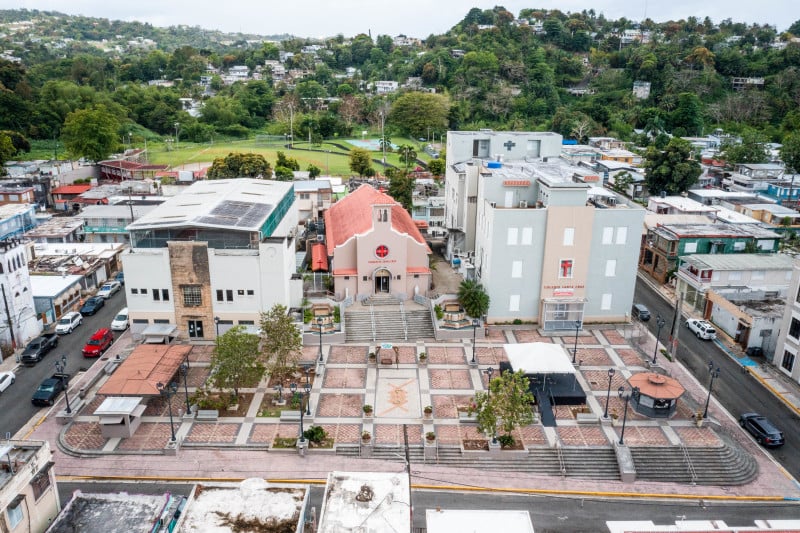
Image Source: Discover Puerto Rico
Trujillo Alto, Puerto Rico, sits within the San Juan metropolitan area while retaining a distinct municipal identity shaped by the Río Grande de Loíza, wooded hills, long-established neighborhoods, and a history that reaches back more than two centuries. Today, people researching Trujillo Alto often want to understand both its cultural roots and what everyday access, housing, and real estate look like near the capital.
The municipality’s traditional town center includes the Plaza de Recreo de Trujillo Alto, while its wider territory extends across suburban and more rural sectors. This guide reviews the history of Trujillo Alto, current demographic context, community life, practical buyer considerations, and its relationship to the broader Puerto Rico real estate market.
Key Takeaways
- Trujillo Alto was founded as Santa Cruz de Trujillo on January 8, 1801, according to Puerto Rico planning records.
- The municipality borders San Juan, Carolina, Gurabo, and Caguas, connecting metropolitan access with hilly inland terrain.
- U.S. Census Bureau estimates place the 2025 population at 66,348, down from 67,740 in the 2020 Census.
- Housing varies by sector, so buyers should verify road access, utilities, flood exposure, insurance requirements, and property condition for each address.
- Trujillo Alto real estate serves a different price and lifestyle segment from Puerto Rico’s coastal resort markets, but both form part of the island’s broader housing landscape.
The Foundation and Early Years of El Pueblo de los Arrecostaos
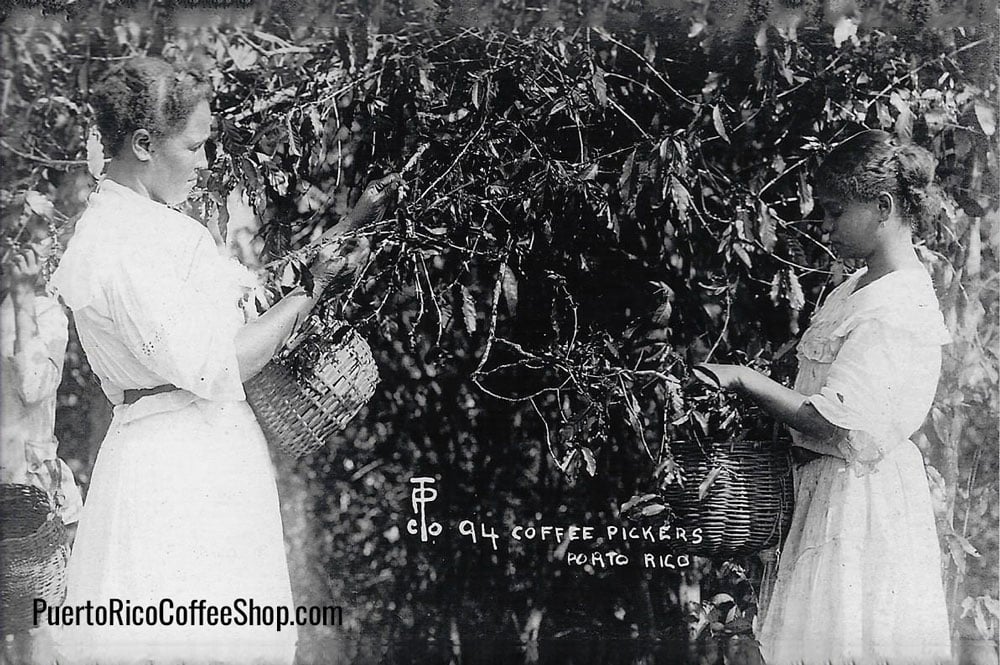
Image Source: Puerto Rico Coffee Shop
Puerto Rico’s 2025 territorial-plan review for Trujillo Alto traces the municipality’s creation to residents who sought independence from Loíza in the late 1790s. The record states that the new municipality was founded on January 8, 1801, as Santa Cruz de Trujillo. The name Trujillo Alto emerged later to distinguish the area from Trujillo Bajo, which became part of present-day Carolina.
The same planning record notes that early communities relied on agriculture and livestock. Coffee, sugarcane, plantains, and other crops contributed to local economic life, but the article should not be read as suggesting that one crop alone defined every barrio or period.
Natural Features Shaped Community Identity
Trujillo Alto lies within the northern part of Puerto Rico and includes terrain that rises from flatter northern areas into hills farther south. The Río Grande de Loíza watershed and Carraízo reservoir are important regional features. Water resources supported settlement and agriculture, while the municipality’s topography helped create the dispersed communities visible today.
Agricultural Foundations and Local Traditions
Agriculture and livestock shaped the municipality’s early development, and food traditions remain part of its public identity. The nickname “El Pueblo de los Arrecostaos” is still associated with Trujillo Alto, although its meaning is cultural rather than a description of present-day economic activity.
As Puerto Rico industrialized and metropolitan San Juan expanded, Trujillo Alto gradually moved away from an economy centered primarily on farming. That transition did not erase its rural sectors, local festivals, or connections to the landscape.
Transformation Through the 20th Century
Road improvements and the outward growth of the San Juan metropolitan area changed Trujillo Alto’s relationship with the capital. Residential development expanded as commuting became more practical, while commercial services grew to support a larger suburban population.
Infrastructure and Metropolitan Access
Highway PR-181 is a principal corridor through Trujillo Alto, linking communities with Río Piedras and other parts of the metro area. Travel conditions vary significantly by time of day and exact location, so prospective residents should test their likely commute instead of relying on a single travel-time estimate.
The U.S. Census Bureau reports a mean travel time to work of 31.4 minutes for workers age 16 and older during 2020–2024. That municipality-wide statistic provides context but cannot predict the commute from a particular neighborhood or property.
Cultural Continuity During Suburban Growth
Local celebrations helped preserve community identity as the population and built environment changed. The Festival del Macabeo remains closely associated with Trujillo Alto and highlights the macabeo, a traditional preparation made with green bananas and meat filling. Patron-saint festivities and activities around the town center also continue to connect residents with municipal traditions.
Living in Trujillo Alto, Puerto Rico Today
Living in Trujillo Alto can provide access to the San Juan metro area without placing residents in a coastal urban district. The experience differs considerably among the town center, established subdivisions, condominium communities, and more elevated or rural sectors.
Buyers should evaluate each property on its own facts. School options, traffic, road width, utility reliability, drainage, internet service, and access to shopping or healthcare can vary by location. Describing an entire municipality as uniformly safe, quiet, or served by excellent schools would be misleading without address-specific evidence.
Current Population and Economic Profile
The U.S. Census Bureau QuickFacts profile for Trujillo Alto reports:
- 2025 population estimate: 66,348.
- 2020 Census population: 67,740.
- Median household income: $40,055 in 2024 dollars for 2020–2024.
- Persons in poverty: 27.7 percent for 2020–2024.
- Persons age 65 and older: 24.7 percent.
- Mean travel time to work: 31.4 minutes.
These figures replace older income and poverty statistics previously used in this article. They describe the municipality as a whole and should not be used to infer the circumstances of an individual household or neighborhood.
Trujillo Alto Real Estate and Buyer Due Diligence
Trujillo Alto real estate includes detached houses, multifamily properties, condominiums, and undeveloped parcels across a range of price points. Searchers using phrases such as casas en venta en Trujillo Alto should distinguish between active listings, pending properties, and sold records before drawing conclusions about availability or value.
Before purchasing, buyers should confirm legal access, title and permit records, property boundaries, utility connections, insurance availability, and whether the site falls within a mapped flood or landslide-prone area. A licensed inspector, surveyor, attorney, insurance professional, and lender can address property-specific questions.
Cultural Heritage and Community Life
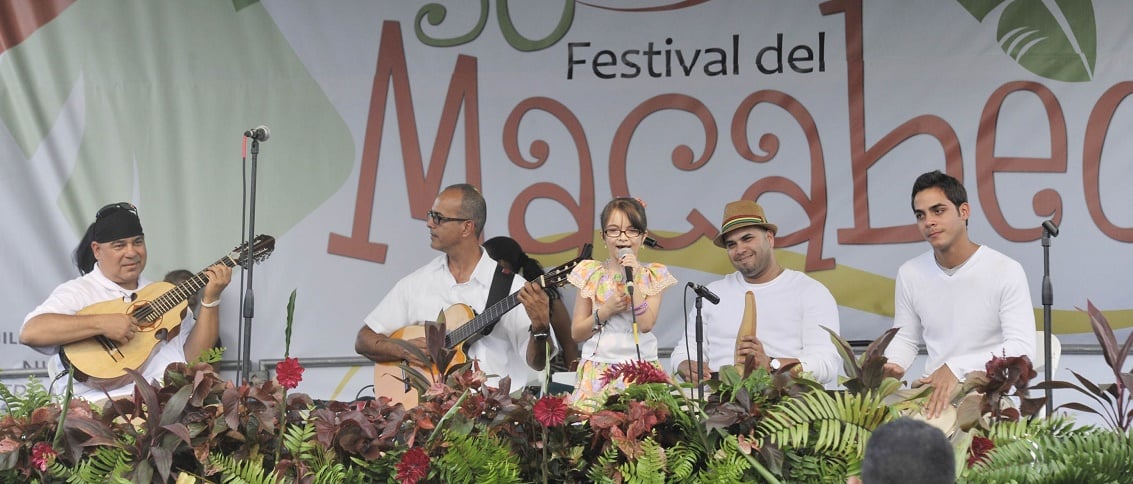
Image Source: WIPR
Trujillo Alto’s cultural legacy remains visible in food, music, public celebrations, religious traditions, and the relationship between the town center and surrounding barrios. The Festival del Macabeo is one of the municipality’s best-known events and provides a direct connection to local culinary heritage.
Annual Festivals and Celebrations
- The Festival del Macabeo celebrates a food closely identified with Trujillo Alto and typically includes music, artisans, and local vendors.
- Patron-saint festivities honor the Santa Cruz tradition associated with the municipality.
- Programming and dates can change, so visitors should confirm schedules with official organizers before making plans.
Natural Areas and Recreation
The Carraízo reservoir and the Río Grande de Loíza watershed shape the municipality’s geography, but access and permitted activities are site-specific. Residents also use municipal parks, sports facilities, and community spaces. Visitors should not assume that every stream, hillside, reservoir edge, or informal trail is open for public recreation.
Future Prospects and Continued Growth
Planning for Trujillo Alto involves balancing housing and business needs with transportation, water, waste management, environmental protection, and resilience. Rather than presenting proposed projects as certain, buyers and residents should review adopted plans, agency notices, and permitting records for the latest status.
Recycling and Infrastructure Investment
In 2023, the U.S. Environmental Protection Agency selected the municipality for $4 million through the Solid Waste Infrastructure for Recycling program. The project is intended to extend recycling collection to homes and schools in six previously unserved neighborhoods, purchase vehicles and containers, and add personnel. The EPA announcement provides the program’s scope and funding context.
Practical Questions for Prospective Residents
- How long is the trip to work, school, healthcare, and daily services at peak hours?
- Is the road public or private, and who maintains it?
- What do flood maps, elevation, drainage, and insurance quotes show for the specific parcel?
- Are additions, pools, generators, solar systems, and accessory structures properly permitted?
- What utilities, backup systems, community rules, and recurring fees apply?
Puerto Rico Luxury Properties for Sale
Trujillo Alto offers a metropolitan residential setting, while buyers comparing lifestyles may also consider established luxury communities elsewhere on the island. Christie’s International Real Estate Puerto Rico represents luxury properties for sale across Puerto Rico, including resort, coastal, and metro-area options. The four current listings below illustrate how location and property type can change the ownership experience.
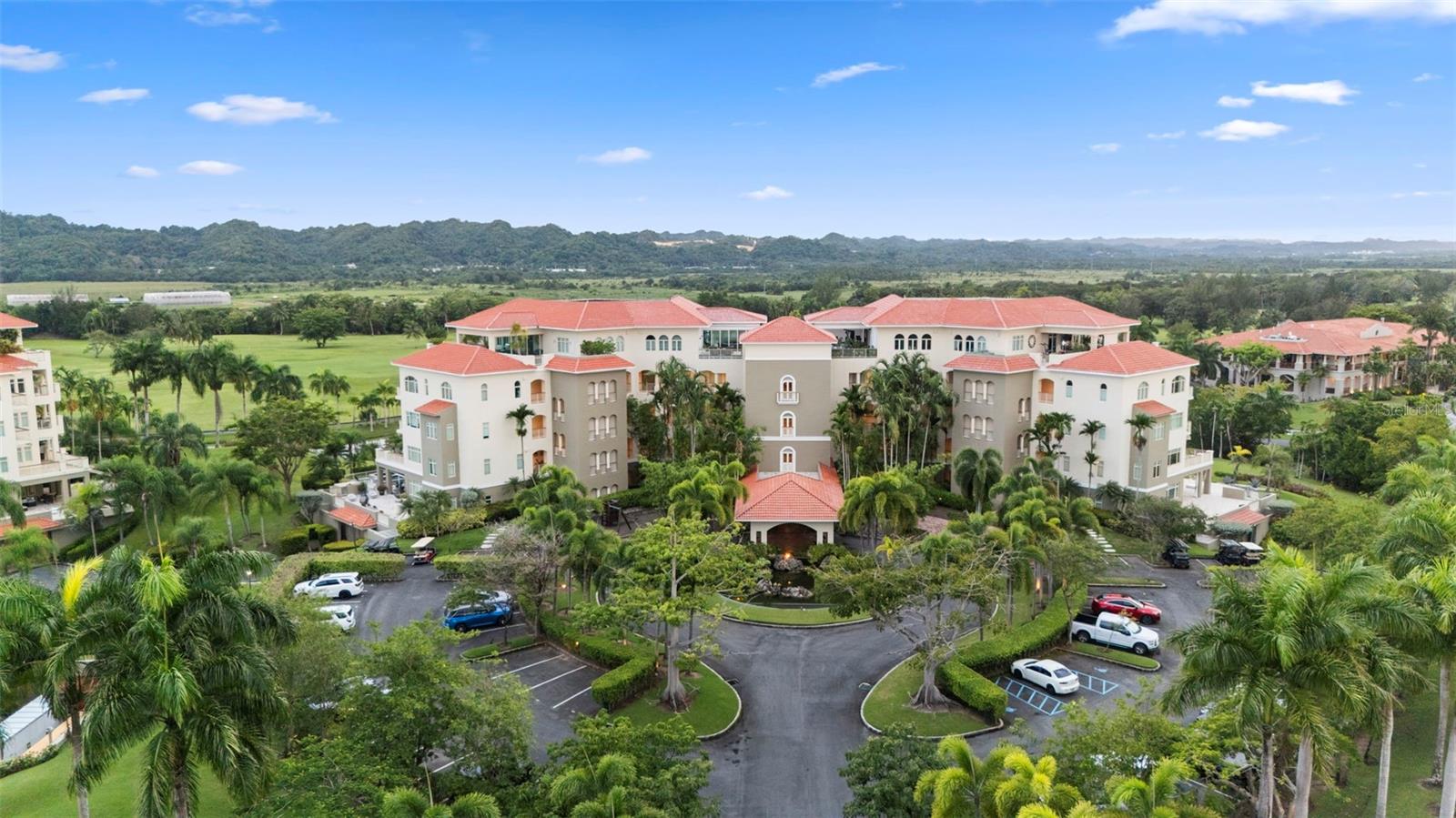
Plantation Village Drive #1202, Dorado
This four-bedroom condominium offers 3,691 square feet in Plantation Village at Dorado Beach. It provides a resort-community alternative for buyers comparing coastal living with metropolitan municipalities such as Trujillo Alto.
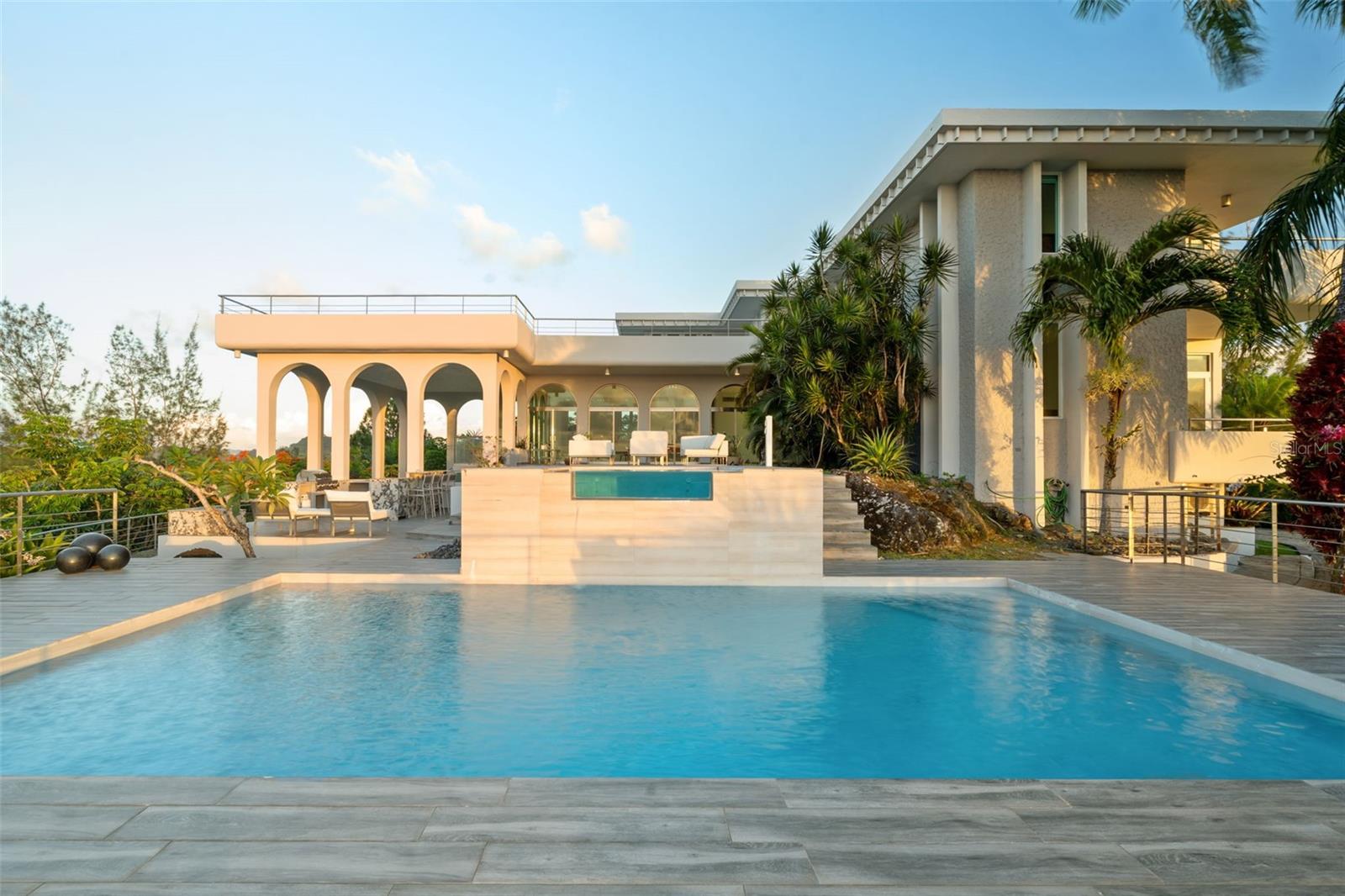
7 La Roca Street, Beverly Hills, Guaynabo
This five-bedroom Guaynabo residence spans 5,489 square feet on approximately 1.89 acres. Its metro-area location makes it a geographically relevant comparison for buyers evaluating larger homes near San Juan.
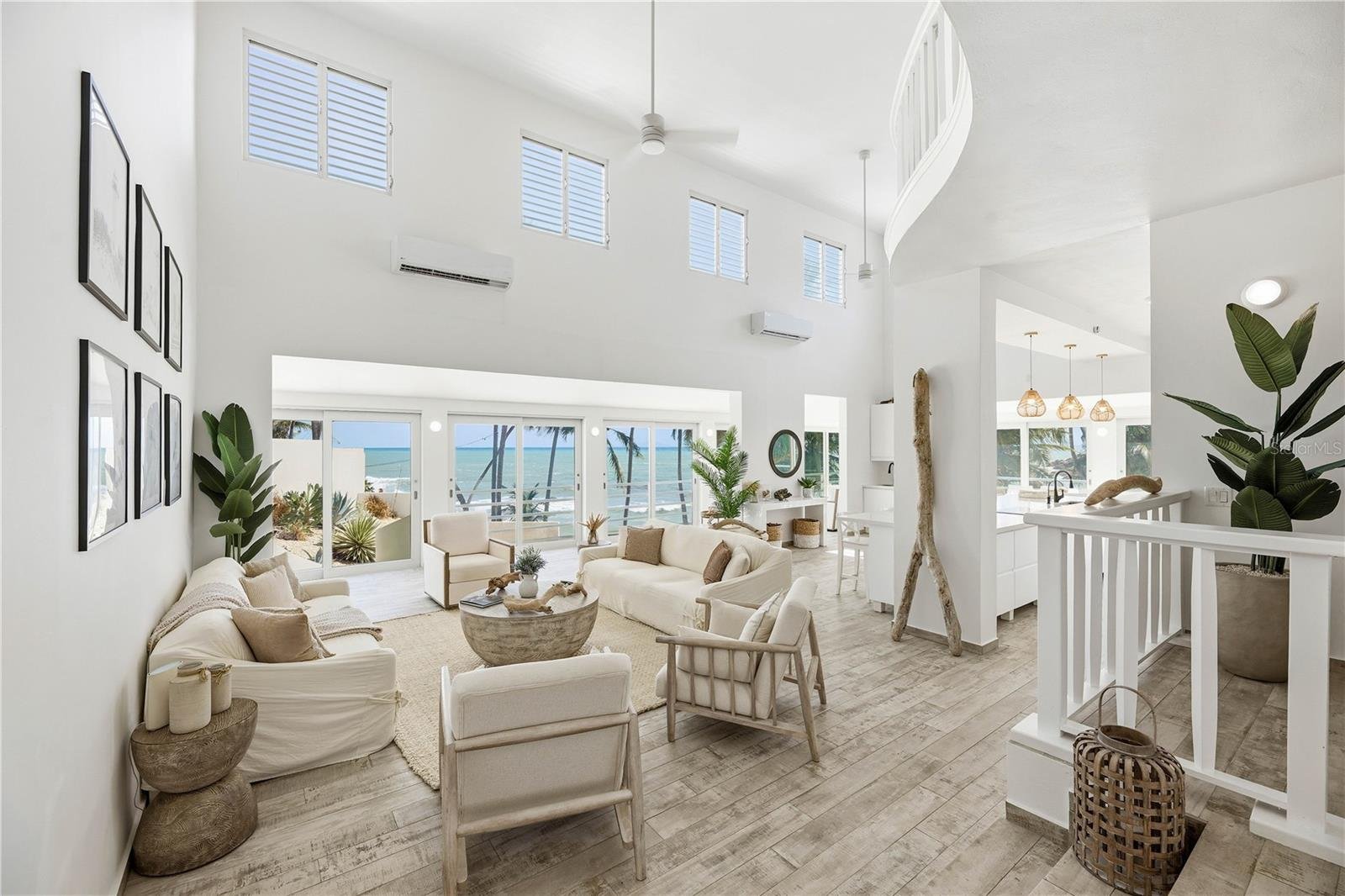
32 Shell Castle, Palmas del Mar, Humacao
This five-bedroom oceanfront residence offers 5,500 square feet in Palmas del Mar. It represents a coastal resort alternative for buyers whose priorities differ from Trujillo Alto’s inland metropolitan setting.
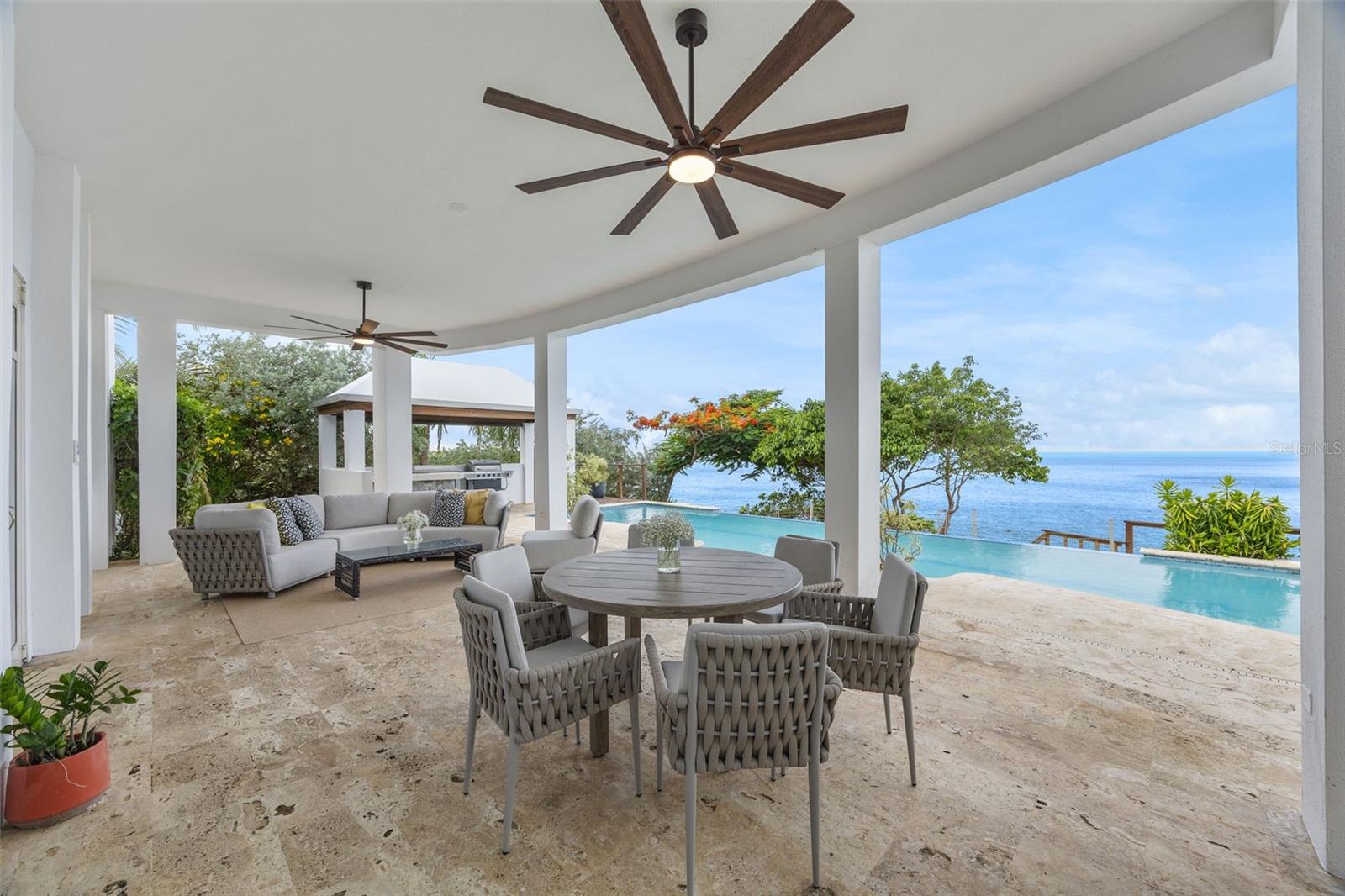
Villa Flamboyán, Road 107, Aguadilla
This five-bedroom, six-bathroom cliffside residence offers 3,751 square feet and Atlantic views in Aguadilla. It provides a west-coast comparison for buyers considering a vacation-home or income-producing property rather than a metro-area primary residence.
A Living Testament to Thoughtful Growth
Trujillo Alto’s story is not simply a progression from agriculture to suburbia. Its identity combines a documented municipal history, cultural traditions, complex topography, metropolitan connections, and neighborhoods with different housing and infrastructure conditions.
Prospective buyers should pair area research with property-specific due diligence. To compare Trujillo Alto with other Puerto Rico communities or discuss a property search, contact Christie’s International Real Estate Puerto Rico.
FAQs
Where is Trujillo Alto, Puerto Rico?
Trujillo Alto is in northern Puerto Rico within the San Juan metropolitan area. It borders San Juan, Carolina, Gurabo, and Caguas.
When was Trujillo Alto founded?
Puerto Rico planning records state that the municipality was founded as Santa Cruz de Trujillo on January 8, 1801. The Trujillo Alto name later distinguished it from Trujillo Bajo.
What is Trujillo Alto known for?
Trujillo Alto is known for the nickname “El Pueblo de los Arrecostaos,” the Festival del Macabeo, its hilly landscape, the Carraízo reservoir area, and its location within the San Juan metro region.
What should buyers check before purchasing Trujillo Alto real estate?
Buyers should verify title, boundaries, permits, legal access, utilities, drainage, flood and landslide exposure, insurance, condition, financing requirements, and any community rules or recurring fees.
How large is Trujillo Alto’s population?
The U.S. Census Bureau’s July 1, 2025 estimate is 66,348 residents, compared with 67,740 counted in the 2020 Census.