Building systems directly determine Puerto Rico industrial property values through operational efficiency, tenant retention, and infrastructure due diligence requirements that sophisticated investors prioritize. Properties with robust HVAC, electrical, and mechanical systems command premium valuations while attracting quality tenants who demand reliable infrastructure for manufacturing and distribution operations.
This article explains how specific building systems impact commercial property valuation standards in Puerto Rico. You will also understand tenant readiness requirements, including the necessity of reliable mechanical components like industrial-grade air compressor tanks, and learn actionable strategies to maximize returns through infrastructure improvements.
Key Takeaways
Strong building systems raise industrial property value and tenant appeal.
Modern HVAC improves comfort, efficiency, and operational reliability.
Electrical capacity determines which tenants can use the property.
Backup power and hurricane-ready systems reduce downtime risk.
Preventive maintenance protects NOI and long-term asset value.
HVAC Systems Drive Tenant Demand and Property Values
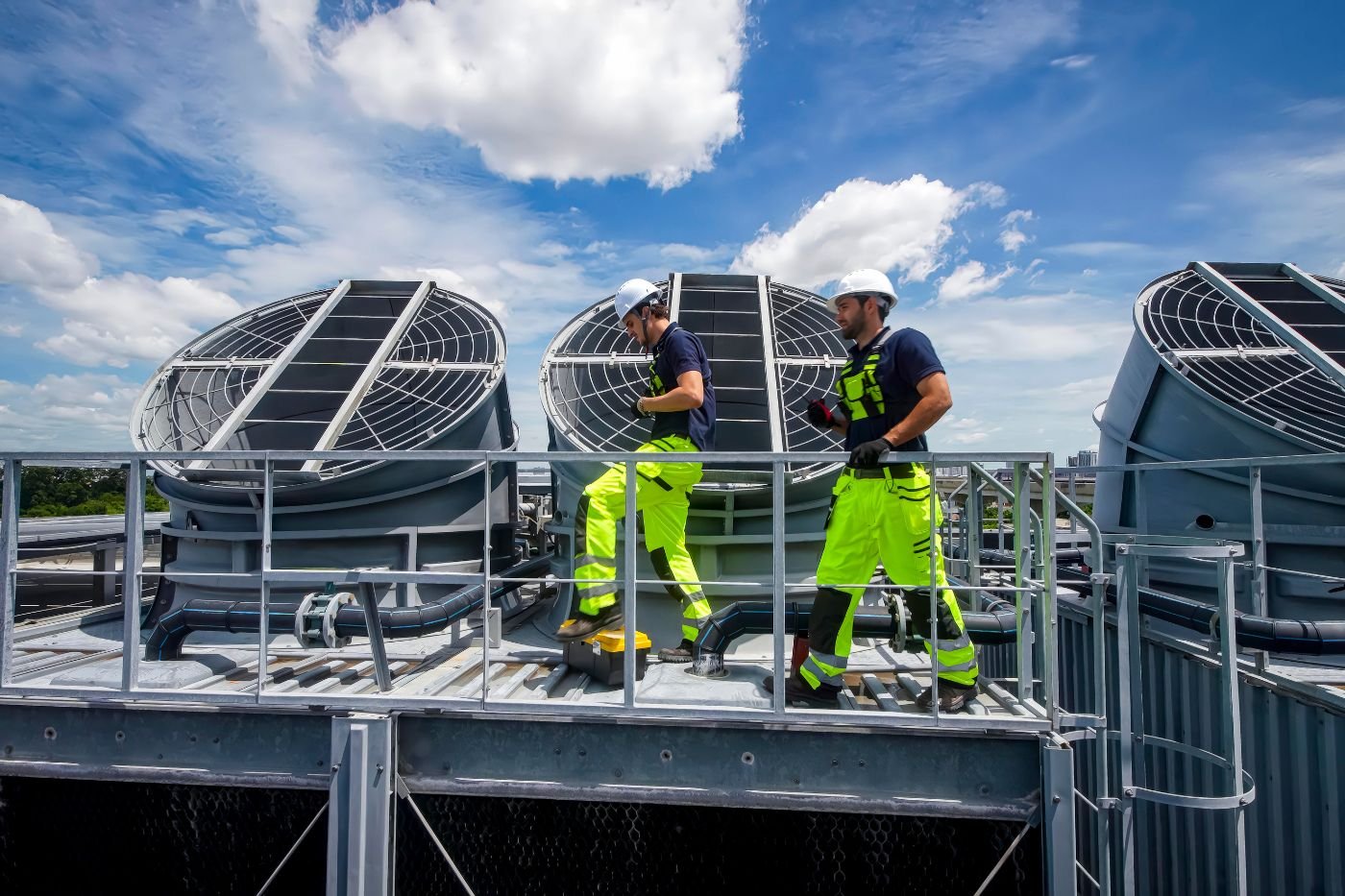
HVAC performance directly affects tenant satisfaction, energy costs, and property marketability in Puerto Rico's challenging climate conditions. Industrial tenants require consistent temperature control for manufacturing processes, employee comfort, and product storage requirements that demand reliable cooling systems year-round. Properties with efficient HVAC systems attract premium tenants willing to pay higher rents for operational reliability.
Energy costs represent 20-30% of total operating expenses for most industrial properties in Puerto Rico. Modern HVAC systems reduce these costs while improving tenant retention rates through consistent environmental conditions.
Climate-Specific HVAC Requirements
High humidity control systems prevent equipment corrosion and product damage.
Salt air filtration protects sensitive manufacturing equipment near coastal areas.
Hurricane-rated outdoor units withstand Category 3 wind speeds.
Backup cooling systems maintain operations during frequent power outages.
Zone control systems optimize energy usage across different operational areas.
Financial Impact on Property Valuation
Properties with upgraded HVAC systems typically command 8-12% higher rental rates compared to buildings with outdated equipment. Tenant turnover drops significantly when climate control systems function reliably, reducing vacancy periods and leasing costs that directly impact net operating income.
The urgency for modern infrastructure is highlighted by recent market performance. In late 2024 and early 2025, San Juan's industrial market maintained a low vacancy rate of 3.3%, with rental rates climbing as high as $15.50 per square foot for premium spaces.
HVAC System Age | Average Rental Premium | Tenant Retention Rate | Annual Maintenance Cost |
|---|---|---|---|
0-5 Years | +12% | 95% | $2,500 |
6-10 Years | +6% | 87% | $4,200 |
11-15 Years | Baseline | 78% | $6,800 |
16+ Years | -8% | 65% | $9,500 |
Electrical infrastructure determines which tenants can lease your property and directly impacts rental income potential.
Electrical Capacity Limits Tenant Options and Revenue Potential
Electrical capacity constraints eliminate entire categories of potential tenants, particularly manufacturing operations that require substantial power for production equipment. Industrial tenants evaluate electrical infrastructure during initial property tours, and inadequate capacity immediately disqualifies properties from consideration. Upgrading electrical systems expands your tenant pool while enabling premium rental rates from power-intensive operations.
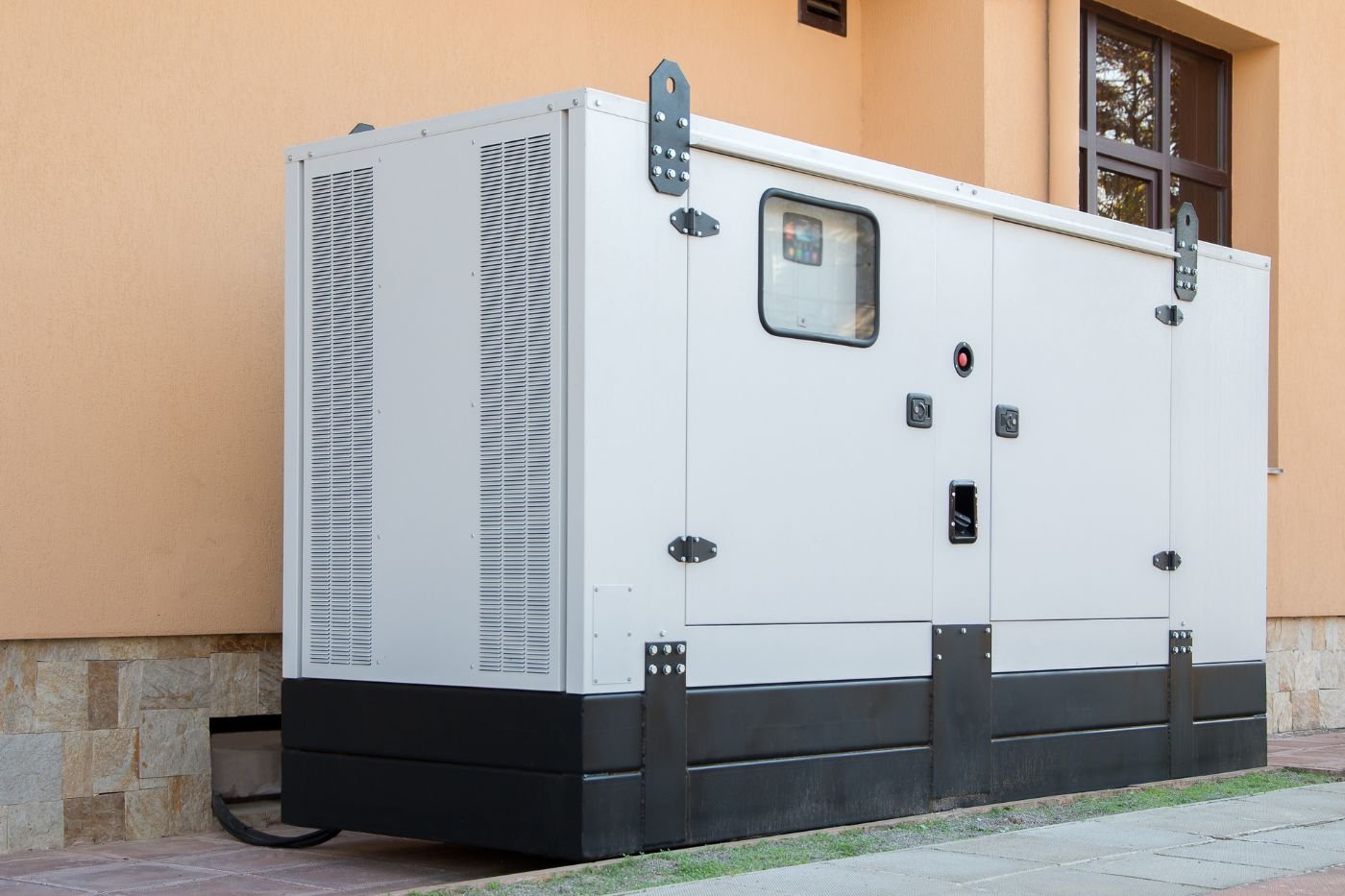
Puerto Rico's electrical grid challenges make backup power systems essential for attracting quality tenants. Properties with generator capacity and uninterruptible power supplies appeal to manufacturers who cannot afford production interruptions.
Power Requirements by Tenant Type
Light manufacturing: 50-100 amps per 1,000 square feet.
Food processing: 150-250 amps per 1,000 square feet.
Data centers: 300-500 amps per 1,000 square feet.
Pharmaceutical manufacturing: 200-400 amps per 1,000 square feet.
Logistics/distribution: 25-50 amps per 1,000 square feet.
Generator and Backup Systems
Reliable backup power systems increase property values by expanding tenant options and reducing vacancy risk during grid outages. Manufacturing tenants often require 24-48 hours of backup power capacity to protect production schedules and prevent equipment damage during extended outages.
Natural gas generators provide cost-effective long-term backup power.
Diesel systems offer reliability but require fuel storage considerations.
Battery backup systems protect sensitive equipment during power transitions.
Transfer switches enable seamless power source switching.
Load management systems optimize generator capacity across multiple tenants.
Mechanical Infrastructure Affects Operational Efficiency
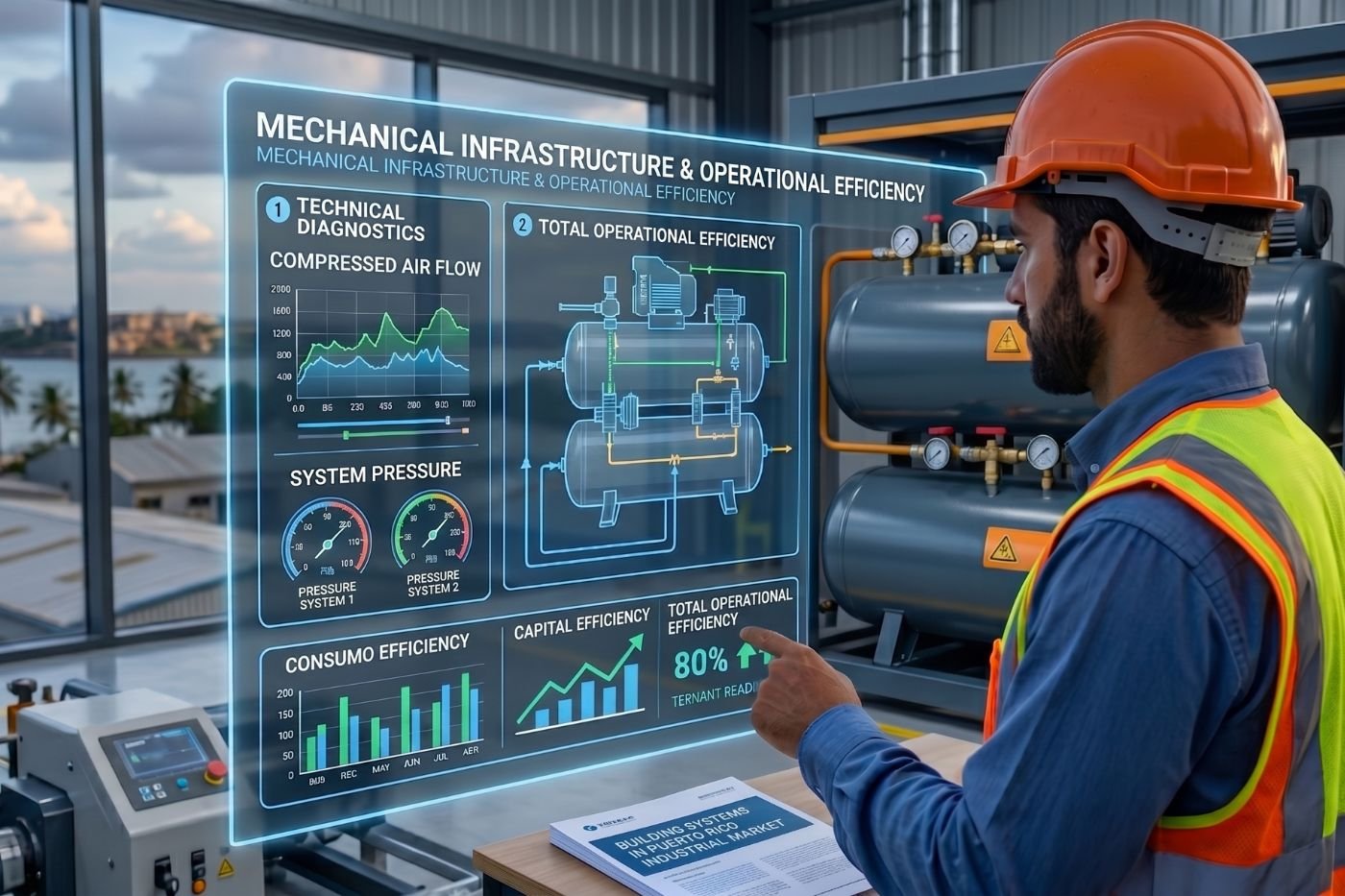
Mechanical systems including compressed air, water treatment, and material handling equipment directly impact tenant operational costs and productivity levels. Tenants evaluate these systems during lease negotiations because inadequate infrastructure forces them to invest in supplemental equipment or accept reduced operational efficiency. Properties with comprehensive mechanical infrastructure command higher rents while attracting tenants who value turnkey operational readiness.
Compressed air systems serve multiple industrial applications from pneumatic tools to automated production equipment. Properly sized systems with industrial-grade air compressor tanks ensure consistent pressure delivery while minimizing energy consumption through efficient storage capacity.
Water and Waste Management Systems
High-pressure water systems support manufacturing cleaning processes.
Waste treatment facilities enable food processing and pharmaceutical tenants.
Recycling infrastructure appeals to environmentally conscious manufacturers.
Stormwater management prevents flooding during hurricane season.
Fire suppression systems reduce insurance costs for tenants and owners.
Material Handling Infrastructure
Loading docks, freight elevators, and overhead crane systems determine which types of manufacturing and distribution operations can function efficiently in your property. These systems represent significant capital investments that tenants prefer to avoid when leasing new space.
Dock levelers accommodate various truck heights for efficient loading.
Overhead doors with weather sealing protect products during transfers.
Crane systems enable heavy equipment manufacturing operations.
Conveyor integration supports automated distribution processes.
Floor load ratings determine equipment placement options for tenants.
Property maintenance planning directly affects system reliability and long-term property values.
Preventive Maintenance Programs Protect Investment Returns
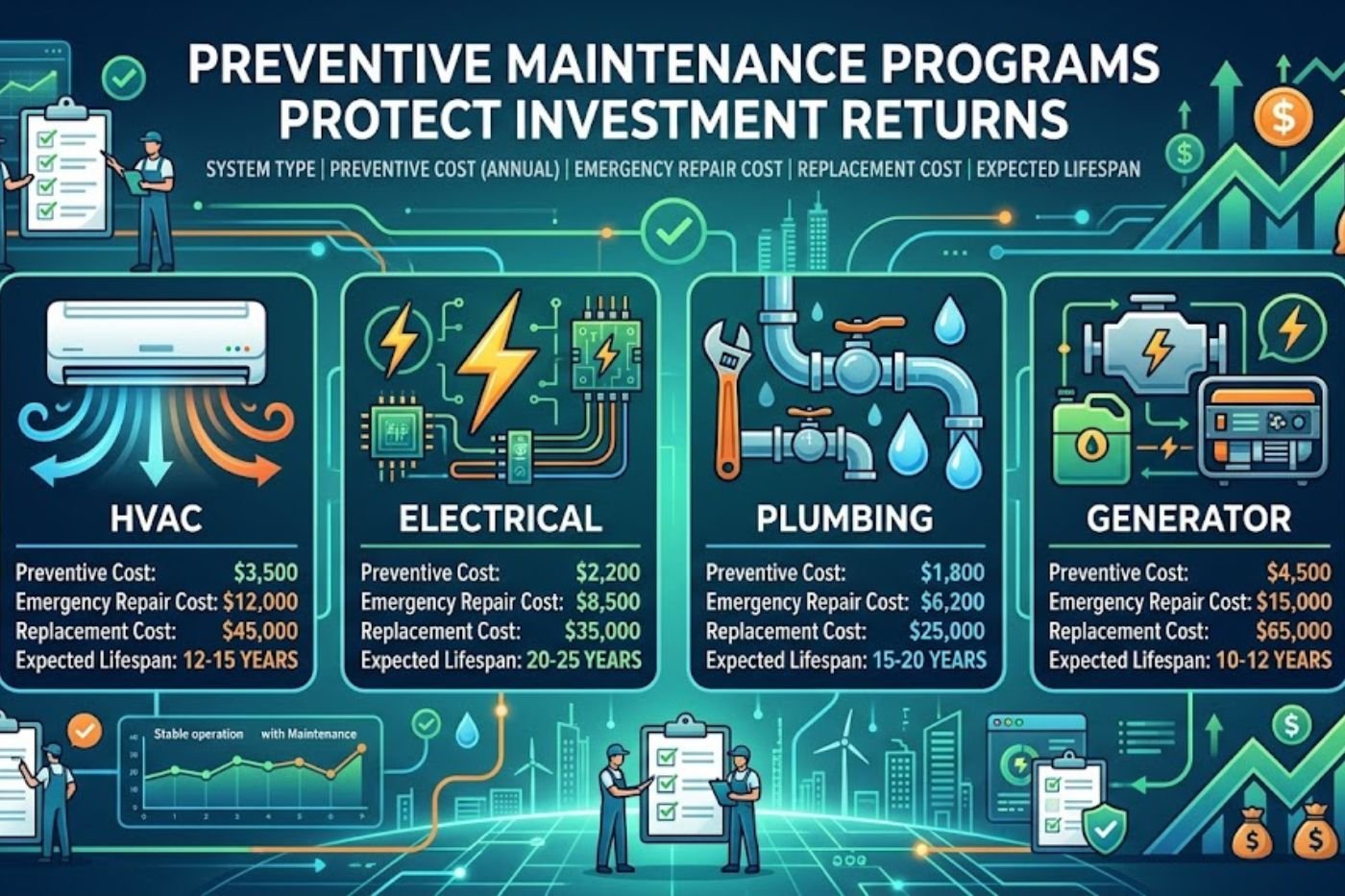
Systematic maintenance programs extend equipment life while reducing emergency repair costs that can devastate property cash flows. Property maintenance planning PR strategies must account for accelerated wear from salt air, humidity, and hurricane exposure that affects all building systems. Tenants prefer properties with documented maintenance programs because they indicate professional management and reliable operations.
Deferred maintenance creates cascading problems that multiply repair costs while driving away quality tenants who demand operational reliability.
Maintenance Cost Analysis
System Type | Preventive Cost (Annual) | Emergency Repair Cost | Replacement Cost | Expected Lifespan |
|---|---|---|---|---|
HVAC | $3,500 | $12,000 | $45,000 | 12-15 years |
Electrical | $2,200 | $8,500 | $35,000 | 20-25 years |
Plumbing | $1,800 | $6,200 | $25,000 | 15-20 years |
Generator | $4,500 | $15,000 | $65,000 | 10-12 years |
Hurricane Preparedness and Recovery
Pre-storm equipment securing reduces damage and insurance claims.
Post-storm inspection protocols identify problems before they worsen.
Emergency repair contractor relationships minimize downtime.
Equipment replacement reserves prevent cash flow disruptions.
Insurance documentation supports faster claim processing.
Commercial building operations require integrated approaches that maximize efficiency across all systems.
Integrated Building Management Systems Optimize Performance
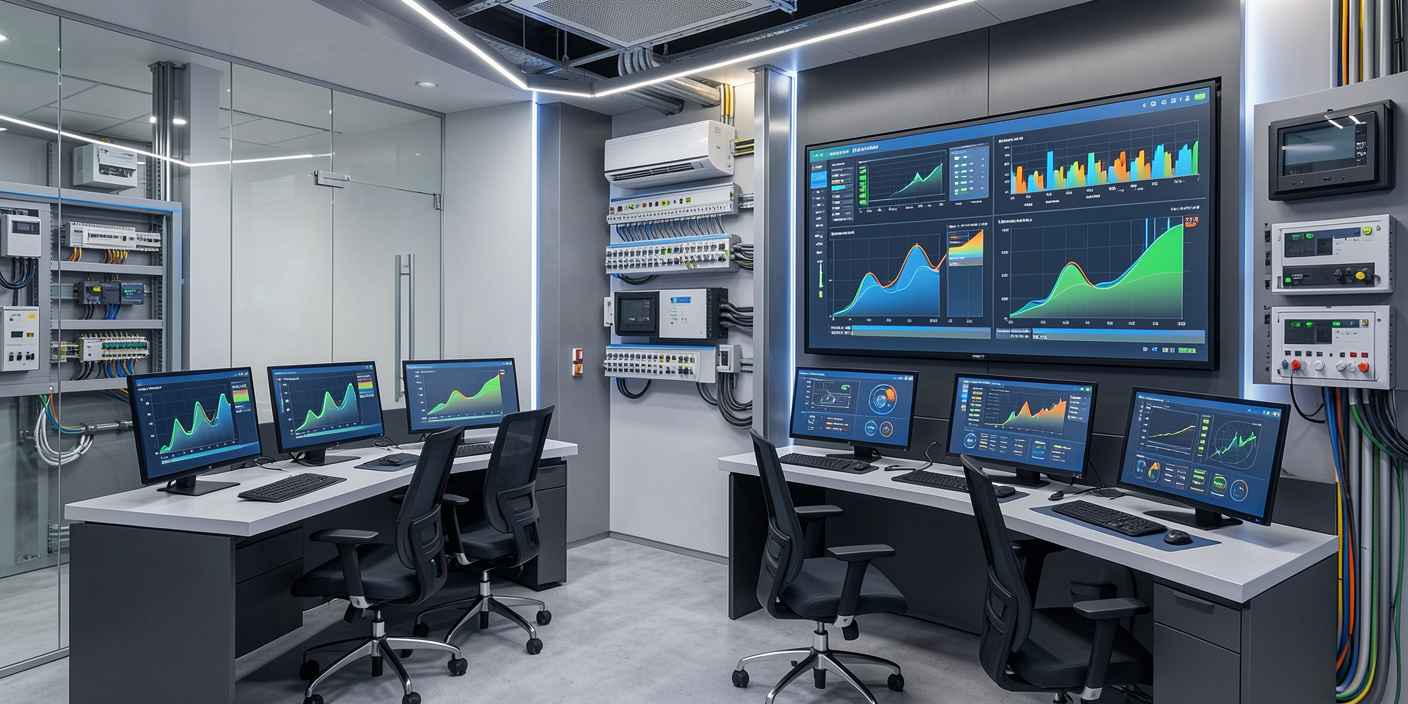
Modern building automation systems coordinate HVAC, electrical, and mechanical components to optimize energy efficiency while providing real-time performance monitoring. These systems appeal to sophisticated tenants who understand operational cost benefits while providing owners with detailed performance data for maintenance planning. Commercial building operations become more predictable and cost-effective when building systems communicate and coordinate automatically.
Smart building technologies enable remote monitoring and predictive maintenance that prevents equipment failures before they disrupt tenant operations. Property managers can identify developing problems and schedule repairs during non-critical periods.
Automation Benefits for Owners and Tenants
Energy consumption tracking identifies optimization opportunities.
Predictive maintenance alerts prevent equipment failures.
Remote monitoring reduces on-site management requirements.
Tenant billing accuracy improves with individual system monitoring.
Environmental compliance tracking supports regulatory requirements.
Technology Integration Considerations
Building management systems require careful planning to ensure compatibility with existing equipment while providing expansion capabilities for future upgrades. Integration costs typically range from $15,000 to $50,000 depending on building size and system complexity.
Wireless sensors reduce installation costs in existing buildings.
Cloud-based platforms enable remote access and data storage.
Mobile apps provide real-time alerts and system control.
Energy management modules optimize utility consumption automatically.
Maintenance scheduling systems coordinate service provider access.
Understanding how building systems affect property values enables strategic investment decisions that maximize returns.
Strategic Infrastructure Investments Maximize Property Returns
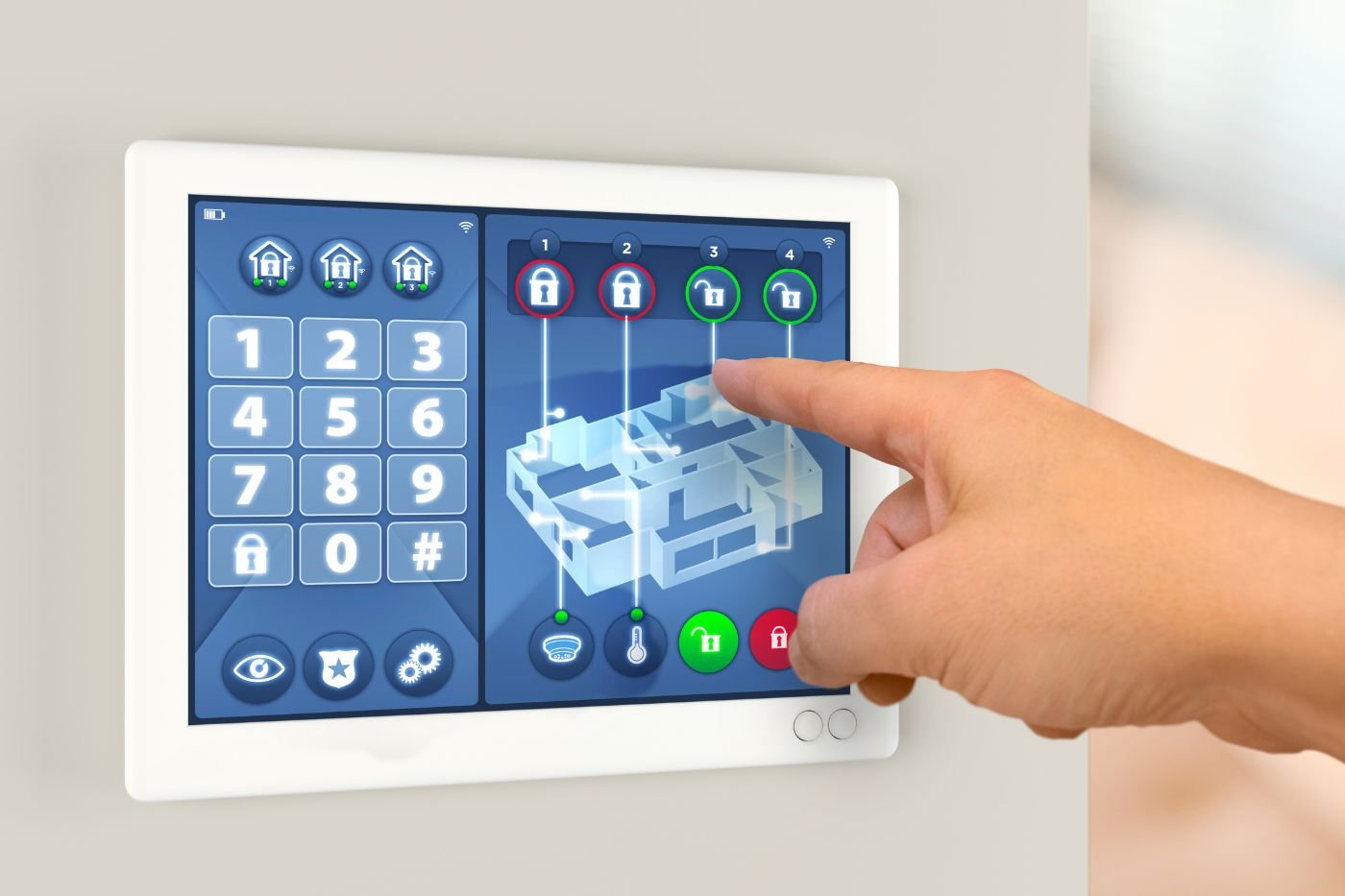
Infrastructure due diligence during property acquisition prevents costly surprises while identifying value-add opportunities through system upgrades. Sophisticated investors analyze building systems capacity, condition, and upgrade requirements before finalizing purchases to ensure accurate return projections. Properties with modern, well-maintained systems require lower capital expenditures while generating higher rental income from quality tenants.
Act 60 incentives for eligible export and manufacturing businesses amplify returns by driving intense tenant demand for upgraded properties. When you combine strategic infrastructure improvements with the influx of tax-incentivized businesses looking for reliable facilities, you generate higher rental income and increase overall property value.
Due Diligence Infrastructure Checklist
HVAC capacity analysis for target tenant requirements.
Electrical system load testing and expansion potential.
Mechanical equipment condition and remaining useful life.
Maintenance history review and deferred maintenance identification.
Energy efficiency audit and improvement opportunities.
Hurricane damage history and mitigation measures.
Code compliance status and required upgrades.
Value-Add Investment Strategies
Strategic infrastructure improvements can increase property values by 15-25% while expanding tenant options and rental income potential. Focus on upgrades that address multiple tenant requirements while improving operational efficiency.
Electrical capacity upgrades enable manufacturing tenant attraction
HVAC efficiency improvements reduce tenant operating costs
Generator installations appeal to business continuity-focused tenants
Building automation systems optimize performance and reduce management costs
Dock and material handling upgrades expand distribution tenant options
Final Thoughts
Building systems are not secondary features in Puerto Rico industrial real estate; they directly influence tenant readiness, rental potential, insurance risk, and long-term property value. In a market shaped by humidity, grid instability, hurricane exposure, and rising demand for reliable industrial space, owners who invest in HVAC, electrical capacity, backup power, automation, and preventive maintenance position their assets for stronger occupancy and better returns. The most competitive properties will be those that give tenants confidence that operations can continue safely, efficiently, and without costly interruptions.
At Christie’s International Real Estate Puerto Rico, we help clients buy, sell, and lease industrial and commercial properties with strong investment potential. Our team understands how infrastructure, tenant readiness, and market positioning affect value across the Puerto Rico luxury real estate market. Contact us today to evaluate your next purchase, prepare your property for sale, or attract qualified tenants.
FAQs
How do building system upgrades affect insurance costs and coverage for industrial properties in Puerto Rico?
Insurers often price risk based on resilience and loss-mitigation features. Upgrades like modern fire suppression, wind-rated equipment anchoring, flood mitigation, and monitored alarms can reduce premiums and improve deductibles; these improvements also make coverage easier to secure after major storm seasons.
What documentation do sophisticated tenants and lenders expect for building systems?
Expect requests for as-builts, single-line electrical diagrams, equipment schedules, commissioning/startup reports, generator load-bank test results, maintenance logs, warranties, and recent inspection certificates. Having a well-organized “systems binder” can shorten lease and financing timelines and reduce perceived risk.
Which system improvements typically deliver the fastest ROI in industrial assets?
Quick-payback projects often include LED lighting with controls, variable-frequency drives, targeted envelope/sealing fixes, submetering for tenant utilities, and low-cost controls/sensor upgrades. These can lower operating expenses, support clearer CAM/utility billing, and strengthen NOI without major downtime.