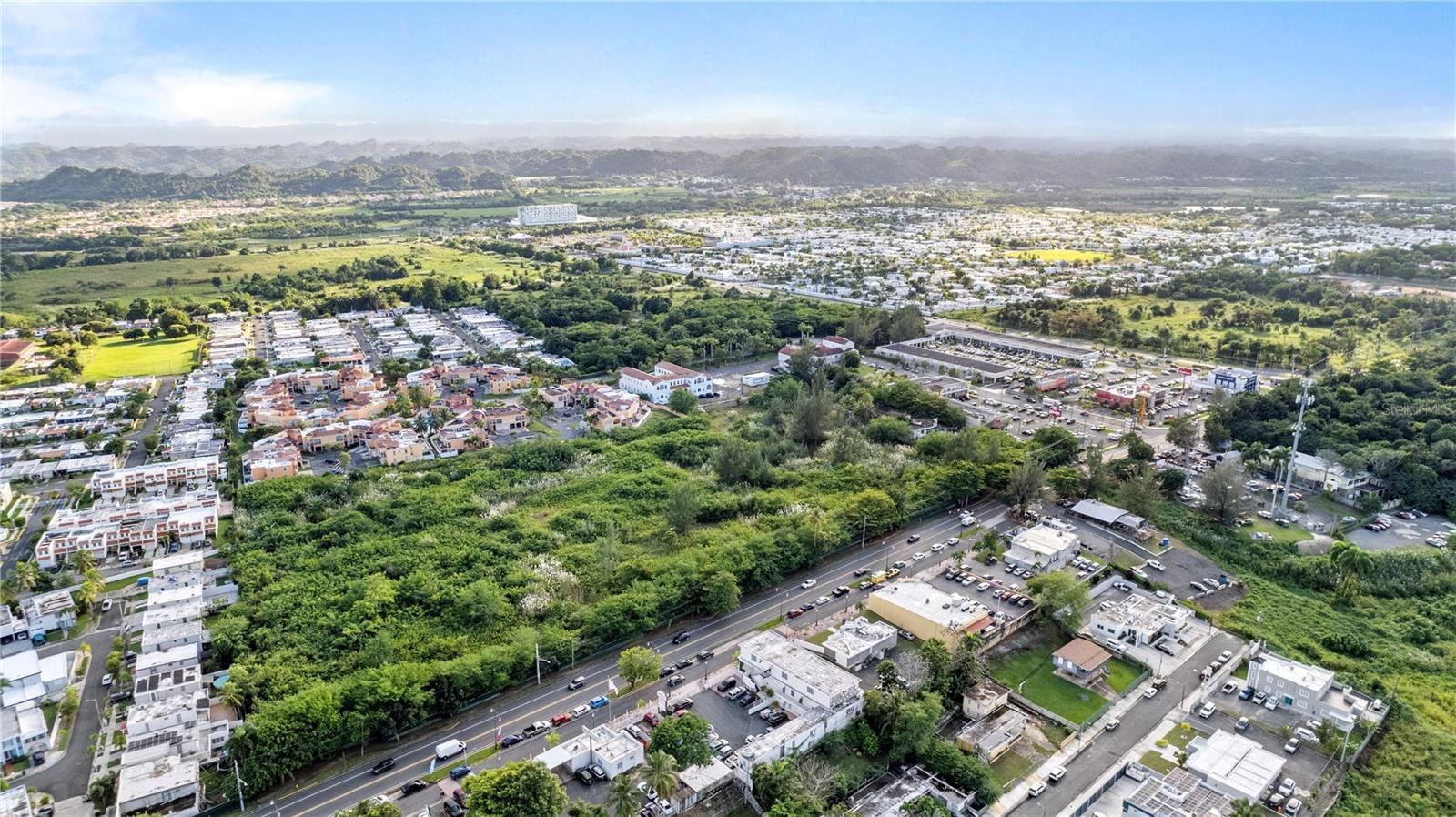
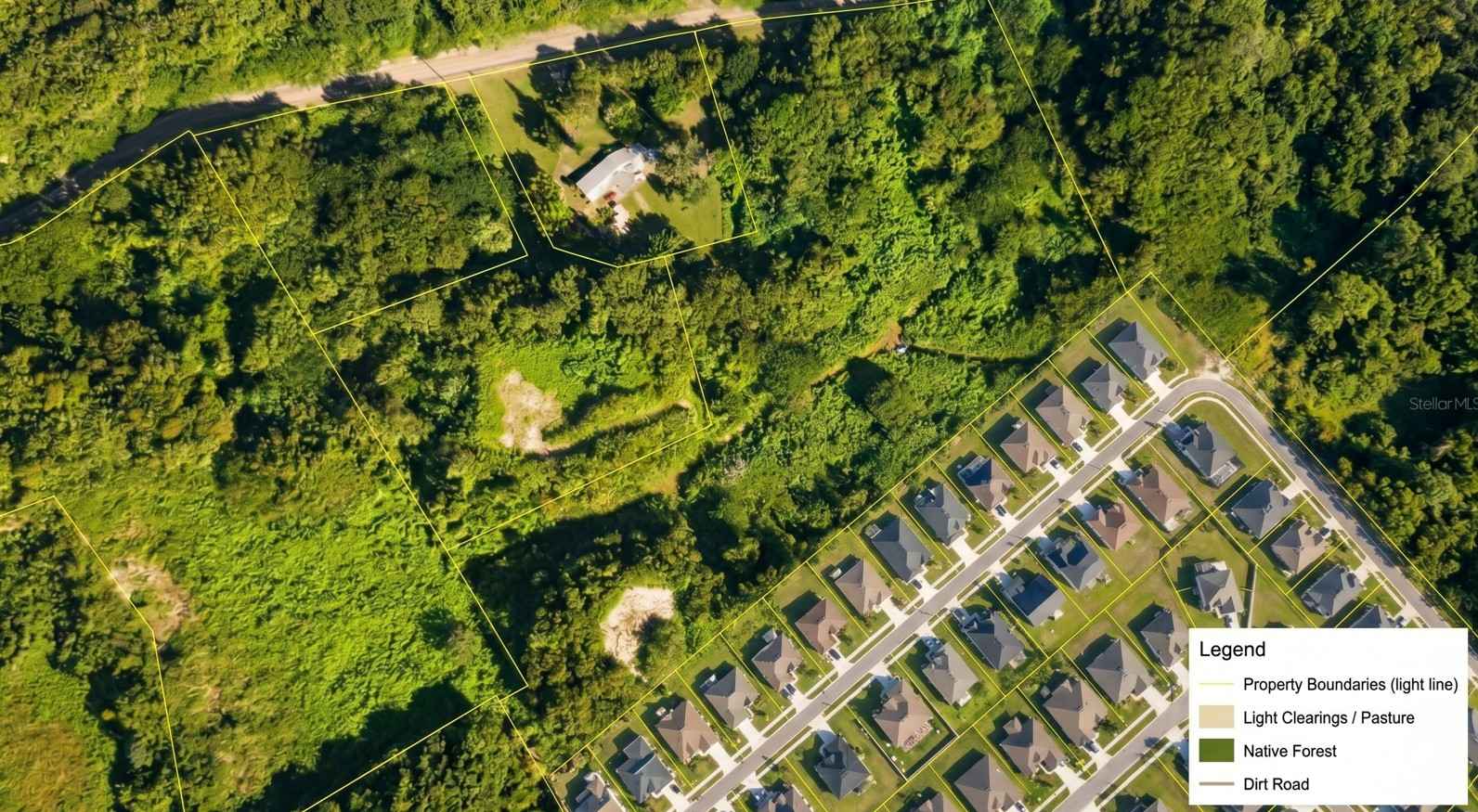
This 90‑cuerda property in Barrio Barrazas, Carolina offers abundant natural springs, panoramic vistas, and a strategic location near San Juan, making it a prime opportunity for luxury residential, eco-friendly, or private estate development.
Land investment in Puerto Rico presents exceptional opportunities in 2026, driven by Act 60 (formerly Acts 20/22) tax incentives, rising property values, and a robust tourism sector. The island's luxury real estate market has experienced remarkable growth. Q1 2025 data shows +11.6% year-over-year price increases, with median sales reaching $290,000.
Prime areas now command $500-650 per square foot, making strategic land acquisition a critical component of wealth building.
Key Takeaways
- Land supply is limited, which is pushing prices higher in prime areas.
- Permitting and due diligence timelines must be built into every investment plan.
- Buildability and site conditions can significantly change total project costs.
- Local expertise is essential to avoid title, zoning, and environmental risks.
Current Market Reality: Inventory and Regional Pricing in 2026
Puerto Rico's land market reflects a tale of scarcity and opportunity across different regions. Limited inventory has shifted power to sellers, particularly in prime coastal areas where buildable plots command premium prices. The median land price varies dramatically from $50,000 per acre in rural mountain areas to $500,000+ per acre in beachfront Dorado and Condado.
The strongest demand currently appears in three distinct market segments. Tourism-focused areas like San Juan and Isla Verde attract investors seeking short-term rental (regulated under Act 38) development opportunities, while luxury enclaves in Dorado and Palmas del Mar draw high-net-worth buyers planning custom estates.
Indicative Asking-Price Snapshots
- Dorado (asking-price examples): Active listings show everything from large parcels like $19,773,390 for 49.18 acres (roughly $0.40M/acre) to ultra-prime small lots like $3,200,000 for 0.36 acres (roughly $8.9M/acre), which illustrates why “$/acre” can be misleading in luxury enclaves.
- San Juan (asking-price examples): Listings range from small lots around $130,000 for 0.49 acres (roughly $0.27M/acre) up to prime/urban parcels like $4,500,000 for 1.18 acres (roughly $3.8M/acre).
- Rincón (asking-price examples): Public listings include lower “land bank” pricing (e.g., $170,000 for 1.5 acres) and also premium coastal areas where a listing like $2,495,000 for 1.43 acres is marketed at about $1.74M/acre.
Note: These figures reflect asking prices from publicly available listings and should be validated with closed-sale comps from local MLS/broker data. Per‑acre pricing is most reliable for larger tracts; for small urban/coastal lots, price per square meter (or per cuerda) can better reflect what buyers actually pay for location scarcity.
Inventory Challenges and Market Timing
Current inventory levels sit at historic lows, with quality buildable plots spending an average of 45 days on market in prime areas. This creates urgency for serious buyers but also requires careful due diligence to avoid overpaying for problematic sites.
- Market trends for land show seasonal patterns, with peak activity from November through April when mainland buyers visit the island.
- Finding lots during off-season months may yield better pricing and negotiation leverage.
The next critical consideration involves understanding permitting timelines and requirements before committing to any land purchase.
Permitting Process and Lead Times Across Municipalities
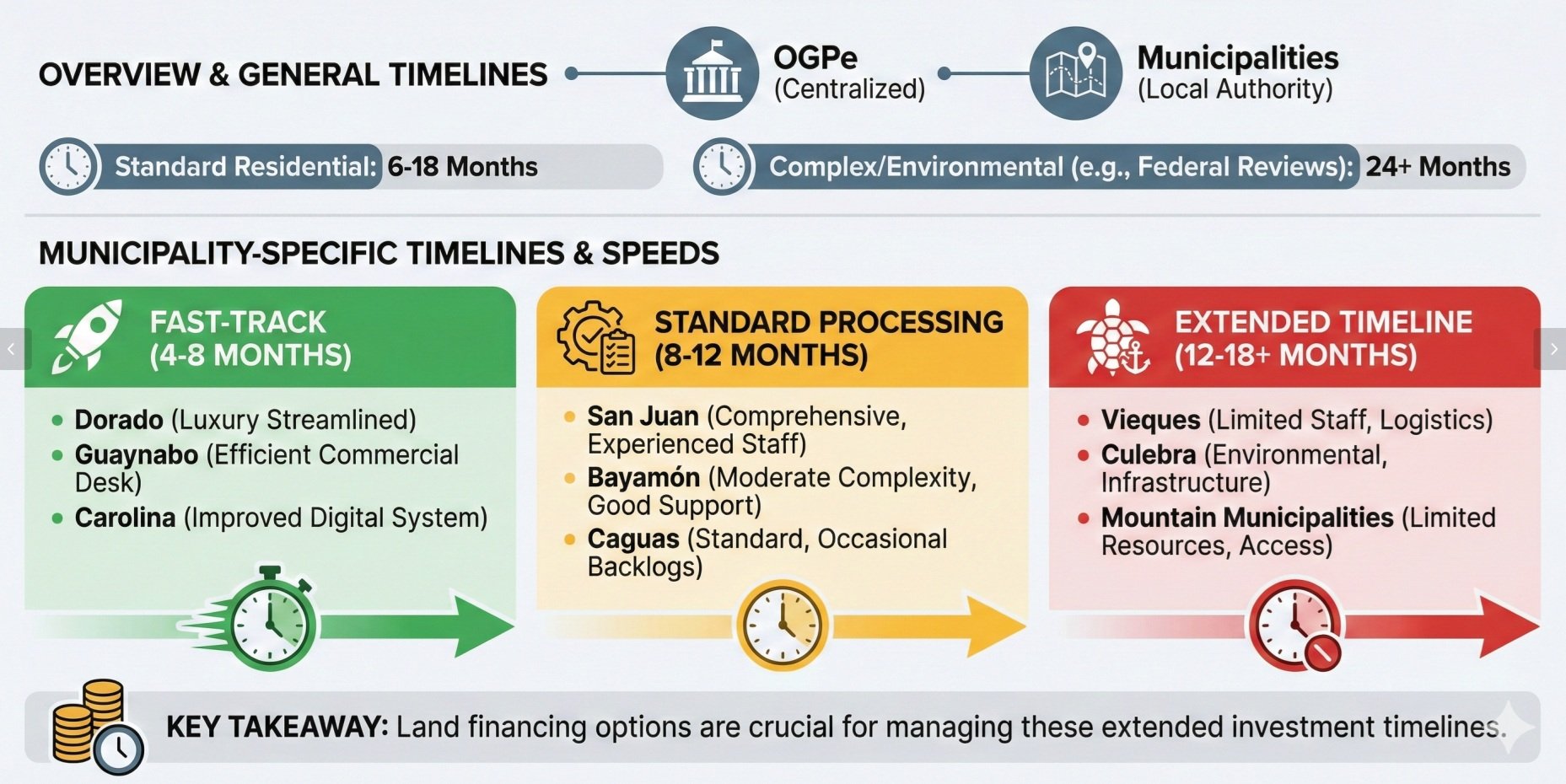
Permitting represents the most complex aspect of land development in Puerto Rico, with timelines varying significantly by municipality and project scope. The Oficina de Gerencia de Permisos (OGPe) centralizes most permitting, but local municipalities retain authority over specific zoning and construction requirements. In early 2025, Executive Order 2025-002 directed OGPe to streamline review timelines and digitize submissions, which may shorten processing for straightforward residential projects.
Investors should typically budget 9-18 months for complete permitting on standard residential projects. Complex developments or environmentally sensitive sites can extend timelines to 24+ months. This is common when federal agencies like the U.S. Army Corps of Engineers require wetlands reviews.
Municipality-Specific Permitting Timelines
Processing speeds vary drastically across the island, with timelines largely determined by local administrative efficiency and resource availability.
Fast-Track Municipalities (4-8 months)
- Dorado: Streamlined process for luxury residential development
- Guaynabo: Efficient review system with dedicated commercial desk
- Carolina: Improved digital submission system reduces processing time
Standard Processing Municipalities (8-12 months)
- San Juan: Comprehensive review but experienced staff
- Bayamón: Moderate complexity with good technical support
- Caguas: Standard timelines with occasional backlogs
Extended Timeline Areas (12-18+ months)
- Vieques: Limited staff and ferry logistics create delays
- Culebra: Environmental reviews and infrastructure constraints
- Mountain municipalities: Limited technical resources and access challenges
Land financing options become crucial when factoring these extended timelines into your investment strategy.
Buildability Assessment: Essential Due Diligence Checklist
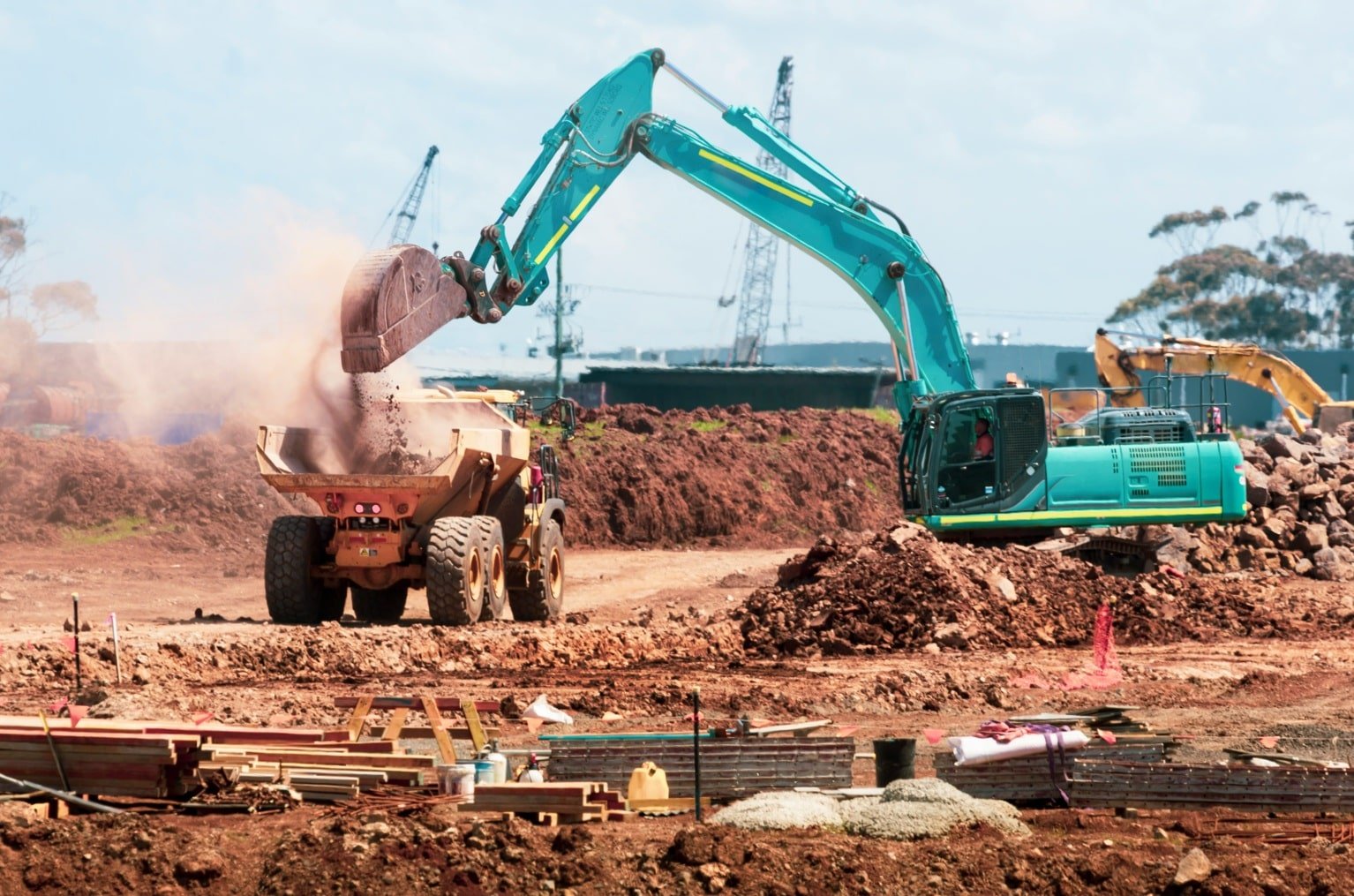
Evaluating buildable plots requires systematic analysis of four critical factors that determine construction feasibility and costs. Soil conditions, topography, flood risk, and wind exposure directly impact both your ability to build and the long-term value of your investment. Engaging professional engineers and surveyors is essential before finalizing any land purchase.
The buildability assessment process typically costs $15,000-35,000. However, it can save hundreds of thousands in construction overruns or prevent purchasing unbuildable land.
Soil and Geotechnical Evaluation
- Bearing capacity: Minimum 2,000 PSF for standard residential construction
- Rock presence: Limestone bedrock may require blasting ($25-50 per cubic yard)
- Organic content: High organic soils need removal and replacement
- Groundwater levels: High water tables complicate foundation design
- Expansive clay presence: Requires specialized foundation systems
Topography and Slope Analysis
- Slopes under 15%: Standard construction with minimal site work
- Slopes 15-30%: Moderate grading and retaining walls required
- Slopes over 30%: Specialized foundation systems and significant earthwork
- Drainage patterns: Natural water flow affects foundation placement
- Cut and fill calculations: Determines earthwork costs and feasibility
Risk Factor | Low Risk | Moderate Risk | High Risk | Impact on Construction Cost |
|---|---|---|---|---|
Flood Zone | Zone X (minimal) | Zone AE (100-year) | Zone VE (coastal) | +15-40% for elevated construction |
Wind Exposure | Category 1-2 | Category 3 | Category 4-5 | +10-25% for enhanced structure |
Slope Percentage | 0-10% | 10-25% | 25%+ | +20-60% for site preparation |
Soil Bearing | 3000+ PSF | 2000-3000 PSF | Under 2000 PSF | +15-35% for foundation upgrades |
Construction Cost Analysis: From Raw Land to Move-In Ready
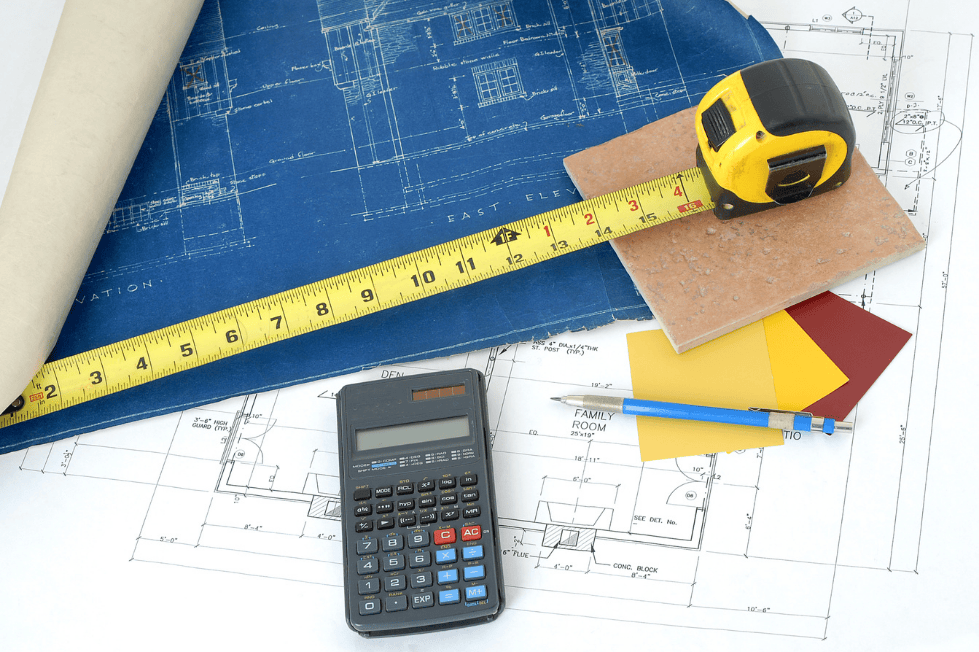
Construction costs in Puerto Rico vary dramatically based on location, finishes, and site conditions, ranging from $120 per square foot for basic construction to $300+ per square foot for luxury coastal homes. Material costs have increased since 2022 due to shipping challenges and supply chain disruptions, making accurate budgeting essential for project success.
Adding a 20-25% contingency to all construction budgets is standard practice to account for unforeseen site conditions and change orders.
Labor availability represents another significant cost factor:
- Skilled trades command premium wages in popular development areas like Dorado and San Juan.
- Hurricane-resistant construction requirements add approximately 15-20% to structural costs but provide essential protection for your investment.
Detailed Construction Budget Breakdown
The following cost estimates outline the primary expenses investors encounter during the initial phases of development, from raw land preparation to structural completion.
Site Preparation and Infrastructure ($25,000-75,000)
- Land clearing and grubbing: $3,000-8,000 per acre
- Excavation and grading: $8-15 per cubic yard
- Septic system installation: $15,000-35,000
- Well drilling and water connection: $8,000-25,000
- Electrical service connection: $5,000-15,000
- Access road construction: $25-50 per linear foot
Foundation and Structure ($75-150 per sq ft)
- Concrete foundation with hurricane ties: $15-25 per sq ft
- Reinforced concrete block construction: $25-35 per sq ft
- Roof structure with hurricane strapping: $20-30 per sq ft
- Impact-resistant windows and doors: $15-25 per sq ft
Home Size | Basic Construction | Mid-Range Finishes | Luxury Finishes | Total Project Cost |
|---|---|---|---|---|
2,000 sq ft | $300,000 | $450,000 | $650,000 | $375,000-$725,000 |
3,500 sq ft | $525,000 | $787,500 | $1,137,500 | $600,000-$1,212,500 |
5,000 sq ft | $750,000 | $1,125,000 | $1,625,000 | $825,000-$1,700,000 |
Land speculation strategies require understanding how deals commonly fail and how to avoid these pitfalls.
Common Ways Land Deals Fail and How to Avoid Them

Land transactions fail at alarming rates compared to improved property sales, with approximately 15-20% of contracted land deals never reaching closing. Title issues, permitting problems, and financing challenges represent the three primary failure modes that derail otherwise promising investments. Understanding these failure patterns helps you structure deals that actually close and perform as expected.
- Note: Rushed due diligence periods create the majority of problems, with buyers discovering deal-killing issues only after significant time and money investment. The most successful land investors allow 90-120 days for thorough investigation and maintain flexibility to renegotiate or withdraw based on findings.
Title and Legal Complications
- Unclear ownership: Family land with multiple heirs lacking clear title
- Easement disputes: Undocumented access rights or utility easements
- Boundary discrepancies: Survey conflicts with recorded deeds
- Lien discoveries: Hidden tax liens or mechanic's liens
- Zoning violations: Existing structures that violate current zoning
Environmental and Regulatory Roadblocks
Environmental issues kill more land deals than any other single factor, particularly in coastal areas where federal agencies maintain jurisdiction. Wetlands delineation, endangered species habitat, and archaeological sites can render otherwise valuable land unbuildable.
The U.S. Fish and Wildlife Service maintains strict oversight of coastal development, especially in areas with sea turtle nesting or coral reef proximity. These reviews can add 12-24 months to permitting and may result in development restrictions that fundamentally alter project economics.
Financing and Market Timing Failures
- Construction loan gaps: Permanent financing unavailable at project completion
- Cost overruns: Budget insufficient to complete planned development
- Market shifts: Demand changes during extended development timeline
- Interest rate increases: Carrying costs exceed projected returns
- Partnership disputes: Investor disagreements halt project progress
Best Practices for Deal Success
Successful land investors follow systematic processes that minimize risk while maximizing opportunity. Successful investors engage local professionals early, including attorneys familiar with Puerto Rico property law, engineers experienced with local soil conditions, and contractors with hurricane-resistant construction expertise.
Due diligence periods should include:
- soil testing
- survey verification
- title examination, and
- preliminary permitting discussions with relevant agencies
This front-loaded investigation costs more initially but prevents expensive surprises during construction.
Land for Sale in Puerto Rico
Puerto Rico offers an exceptional selection of land for sale, ranging from beachfront properties to prime development lots in high-demand locations. Whether you're looking to build a luxury estate, a vacation rental, or a commercial property, the island's real estate market provides excellent investment opportunities. Partnering with a trusted real estate firm, such as Christie's International Real Estate Puerto Rico, ensures access to premier listings and expert guidance.
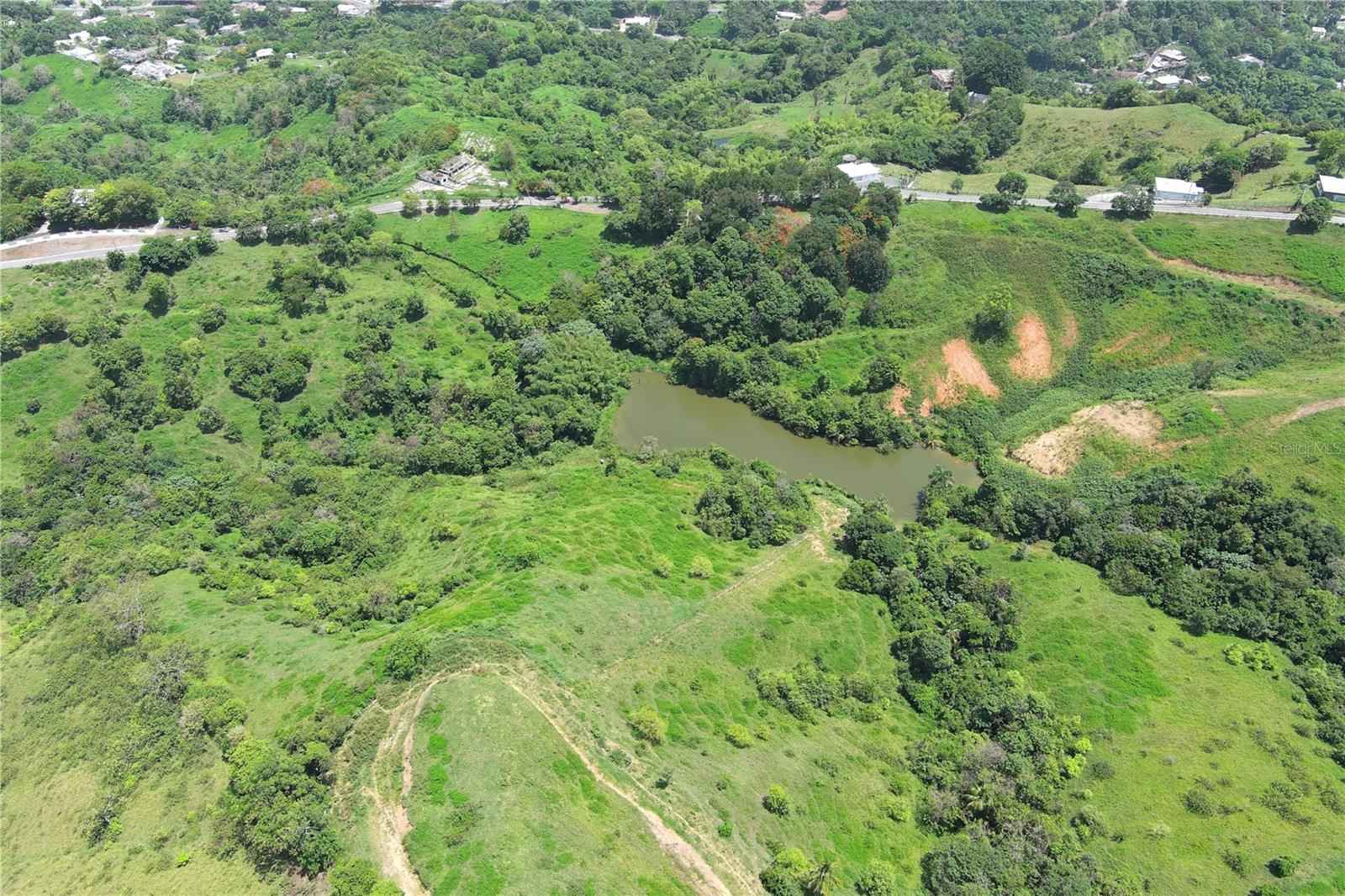
FINCA MORALES BO. BARRAZAS CAROLINA PR, 00987
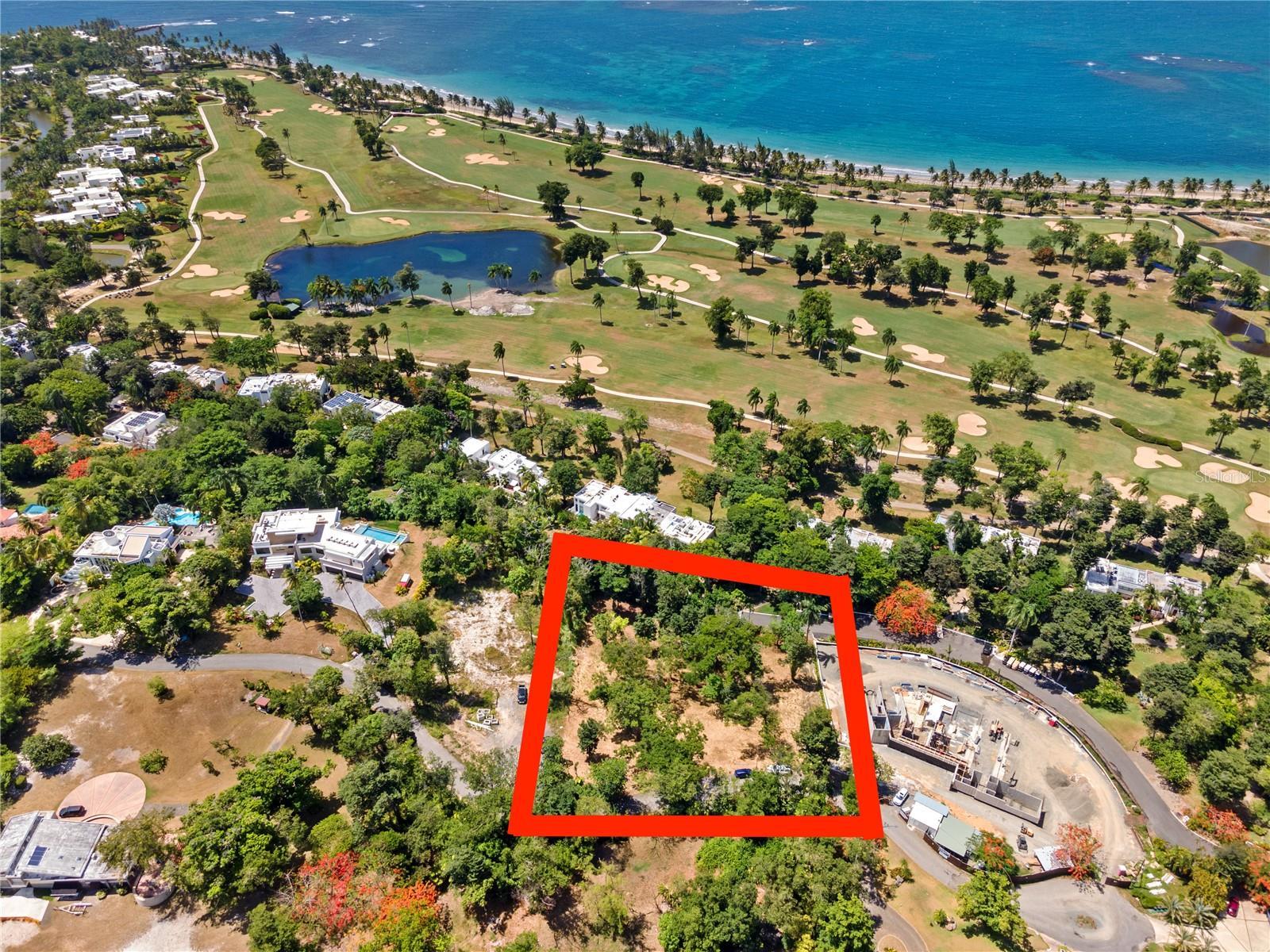
LOT 8 VILLA DORADO ESTATES, DORADO, PR 00646
Lot 8 Villa Dorado Estates, a 0.99-acre prime parcel within the exclusive Dorado Beach Ritz Reserve, offers a rare opportunity to build a luxury beachfront home in Puerto Rico's most prestigious enclave. The home will feature breathtaking water views, proximity to world-class amenities, and the potential to become one of the island's most valuable properties.
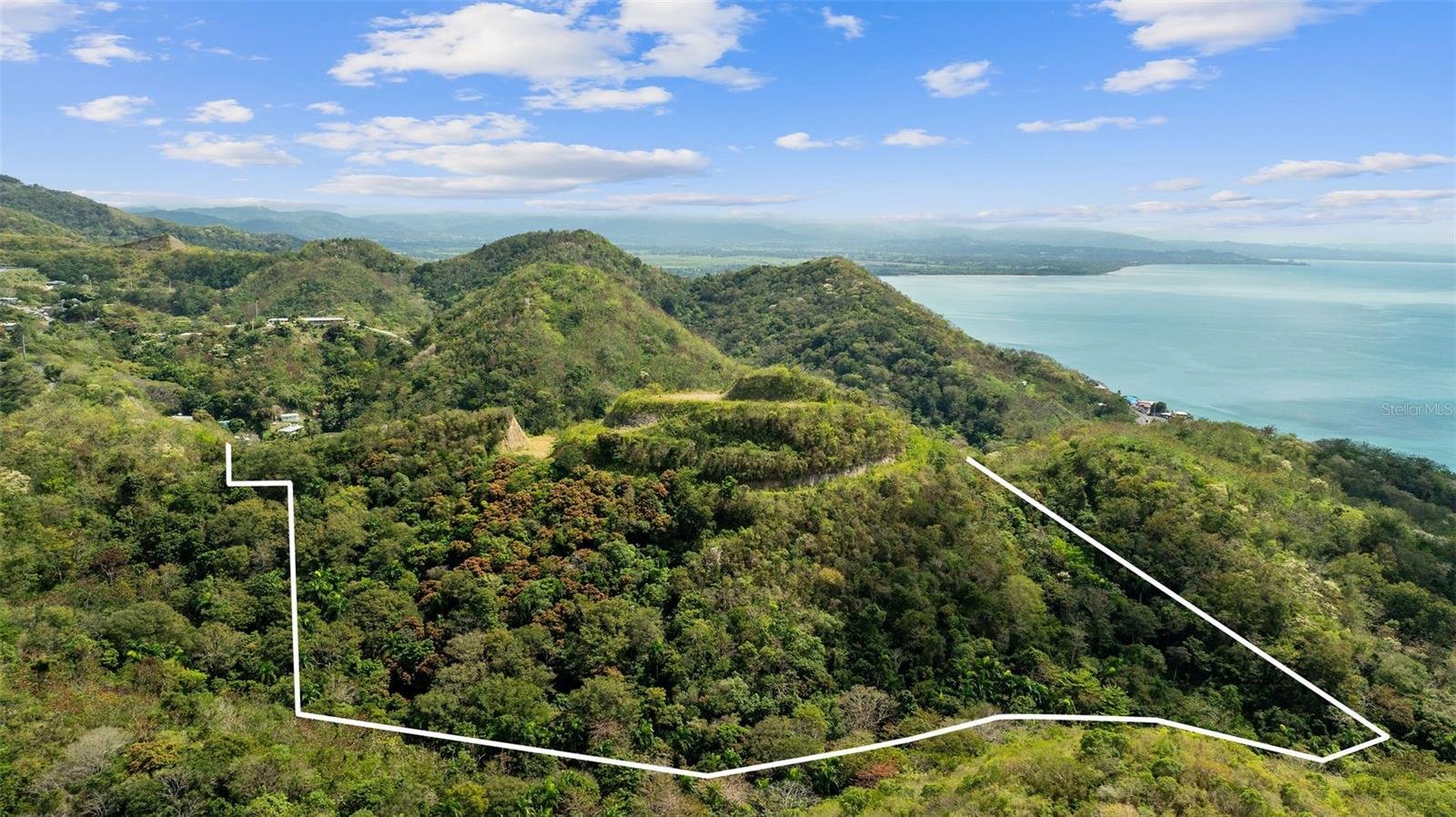
ROAD 115 ANASCO PR, 00610
This 14.4-acre property on the Rincon–Anasco border offers multiple building sites, easy access via Road 115, a private concrete road, and stunning ocean and mountain views.
ROAD 458 BORINQUEN WARD AGUADILLA PR, 00603
19-cuerda development property in Aguadilla near Crash Boat Beach with high-density residential zoning, ideal for multifamily or tourism projects close to the airport.
Conclusion
Land investment in Puerto Rico offers compelling opportunities for investors who approach the market with proper preparation and realistic expectations. Act 60 tax incentives, growing tourism demand, and limited inventory create favorable conditions. These benefits await patient investors willing to navigate the permitting and construction process. Success requires partnering with experienced local professionals who understand the unique challenges and opportunities of developing in a tropical, hurricane-prone environment.
FAQs
How much does land cost in Puerto Rico?
Land prices in Puerto Rico vary widely depending on location, size, and intended use. Prime beachfront and luxury lots in high-demand areas like Dorado Beach and San Juan can range from several hundred thousand to millions of dollars. On the other hand, inland and rural properties tend to be more affordable, with prices starting at much lower rates, making them attractive for long-term investment or agricultural use.
What are the risks of investing in land in Puerto Rico?
Investing in land in Puerto Rico comes with potential risks, including rising property values that may limit affordability and lead to market saturation in some areas. Additionally, the island is vulnerable to natural disasters such as hurricanes and earthquakes, requiring investors to factor in insurance costs and climate-resistant development strategies. Legal and regulatory complexities, including zoning laws and tax implications, can also present challenges, making working with experienced local professionals essential.
Can foreigners buy land in Puerto Rico?
Yes, foreigners can buy land in Puerto Rico without restrictions. U.S. citizens enjoy an even smoother process since the island is a U.S. territory, eliminating the need for additional visas or residency permits. While foreign buyers don't face ownership limitations, they should be aware of tax obligations and local regulations that may differ from those in their home country. Consulting with a real estate attorney or investment advisor can help you navigate the legal and financial aspects of purchasing property in Puerto Rico.
What type of developments are best suited for land investment in Puerto Rico?
Luxury vacation rentals, beachfront estates, and mixed-use developments are ideal in high-demand areas like Dorado, San Juan, and Rincón, where tourism and real estate growth are strong. Commercial properties also thrive in urban centers, while investors should consider zoning laws and long-term market trends for optimal land use.
How can I protect my land investment from hurricanes?
To minimize storm damage, investors should prioritize hurricane-resistant construction, reinforced materials, and impact-resistant windows. Additionally, obtaining comprehensive property insurance and assessing flood zone risks before purchasing can help safeguard assets against extreme weather conditions.