Buying your first home—or your first property in a new market like Puerto Rico—is exciting but the process can also feel like learning a brand new language. Escrow, contingencies, amortization. These words get thrown around constantly, and no one wants to nod along pretending they understand.
The good news is that once you know what these terms mean, the whole home-buying process becomes a lot less stressful. You’ll feel more confident in meetings with agents, lenders, and attorneys, and you’ll make smarter decisions along the way.
Here are eight terms you’ll almost certainly come across, explained in detail.
1. Pre-Approval
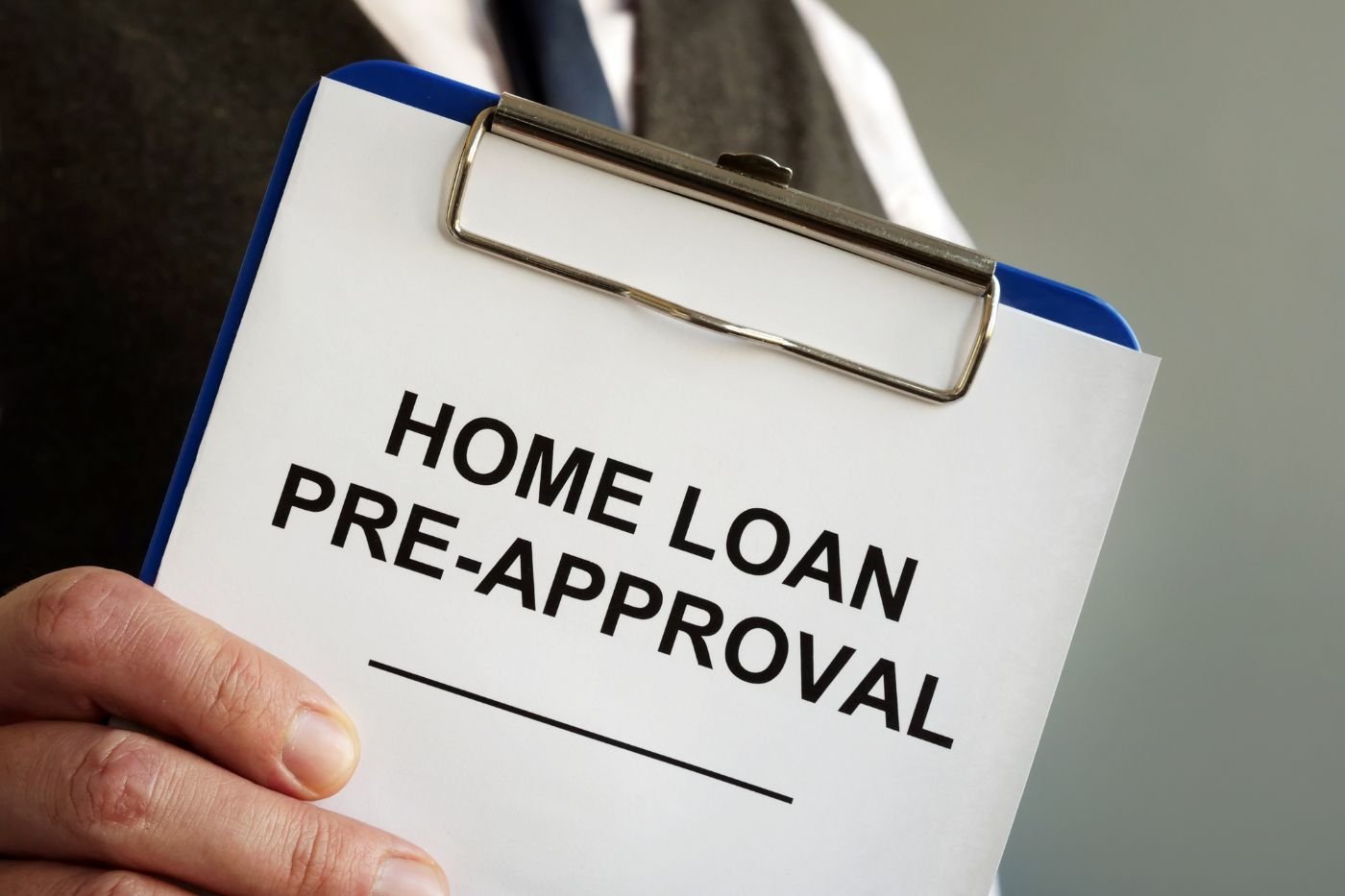
Before you start touring homes, most sellers and agents want to know you’re a serious buyer. That’s where pre-approval comes in. It’s a letter from your lender confirming that your finances have been reviewed and that you may qualify to borrow up to a certain amount. For many first-time buyers, understanding key concepts like pre-approval is much easier when you have access to a reliable real estate terms resource that explains the language used throughout the buying process.
Getting pre-approved involves a credit check, proof of income, and a review of your existing debts. While it does not guarantee final loan approval, it can strengthen your position when submitting an offer. Partnering with an experienced local brokerage like First Star Realty can also make it easier to interpret lender requirements and understand how pre-approval fits into your overall home-buying strategy.
In Puerto Rico, financing requirements may vary slightly depending on whether you are working with a local bank or an international lender. Buyers should also be aware of additional documentation requirements and property classification differences that may affect loan approval.
2. Escrow

Escrow sounds intimidating, but it’s actually a simple concept. It’s a neutral third party, usually a title company or attorney, that holds your money during the transaction. Neither you nor the seller can access those funds until all the conditions of the sale are met.
You’ll also hear “escrow account” in the context of your mortgage. In this case, your lender collects a portion of your monthly payment to cover property taxes and homeowner’s insurance on your behalf. It’s basically a built-in savings account that ensures those big annual bills get paid automatically.
3. Earnest Money
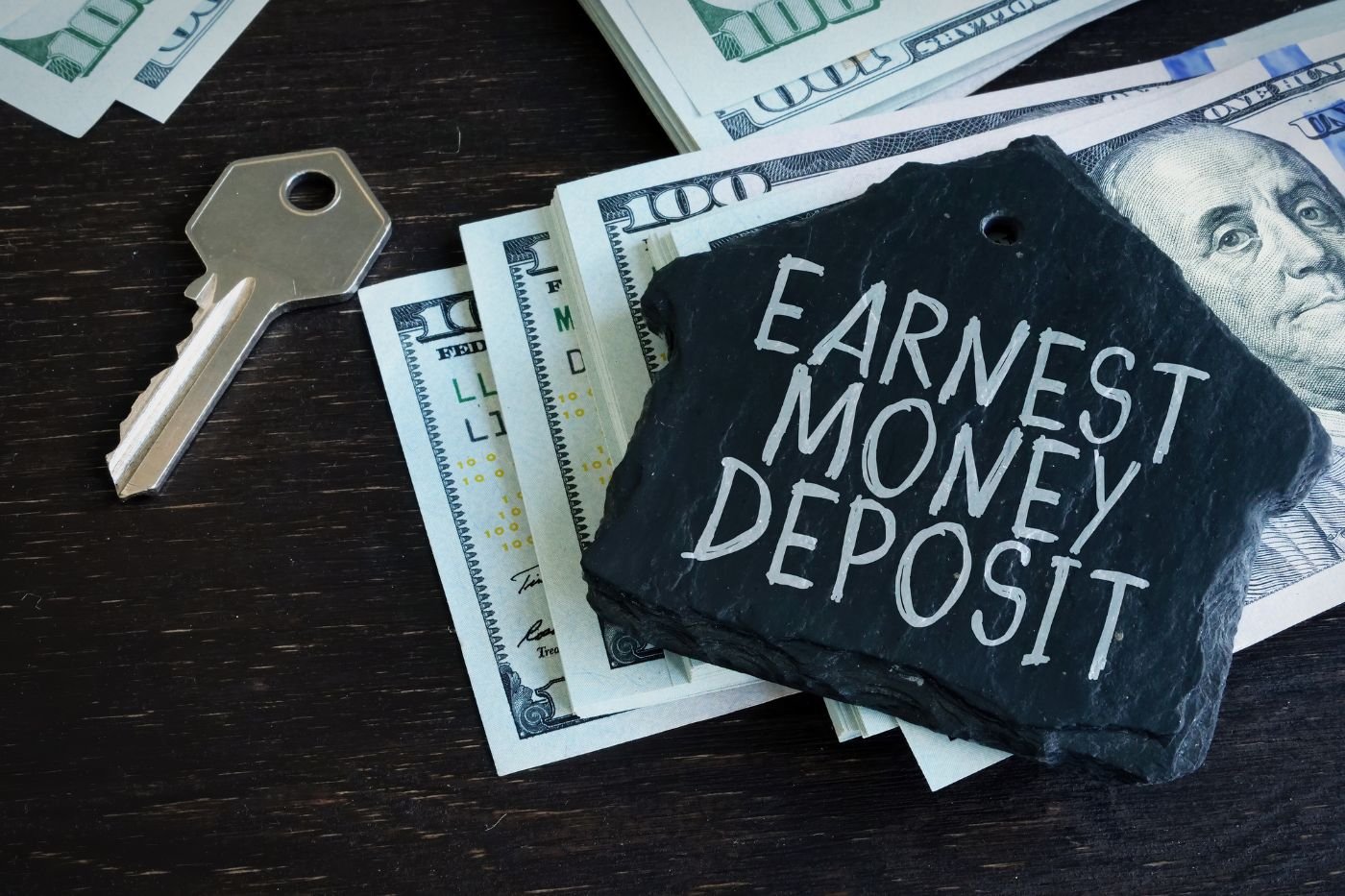
When you make an offer on a home, you’ll typically put down earnest money as a deposit that shows the seller you’re serious. This amount usually ranges from 1% to 3% of the purchase price, though it varies by market.
The important thing to know: if the deal falls through for a covered reason (like a failed inspection or financing issue), you typically get this money back. But if you simply change your mind without a valid contingency, you could lose it. So make sure you understand what protections are in your contract before signing.
4. Contingencies

A contingency is a condition that must be met for the sale to go through. Think of it as a built-in exit clause. The most common ones are:-
• Inspection contingency: You can back out if the home inspection reveals serious problems.
• Financing contingency: The deal is off if your loan doesn’t get final approval.
• Appraisal contingency: If the home appraises below the purchase price, you can renegotiate or walk away.
In competitive markets, some buyers waive contingencies to make their offer more attractive. That’s a risk worth discussing carefully with your agent before you do it.
5. Appraisal
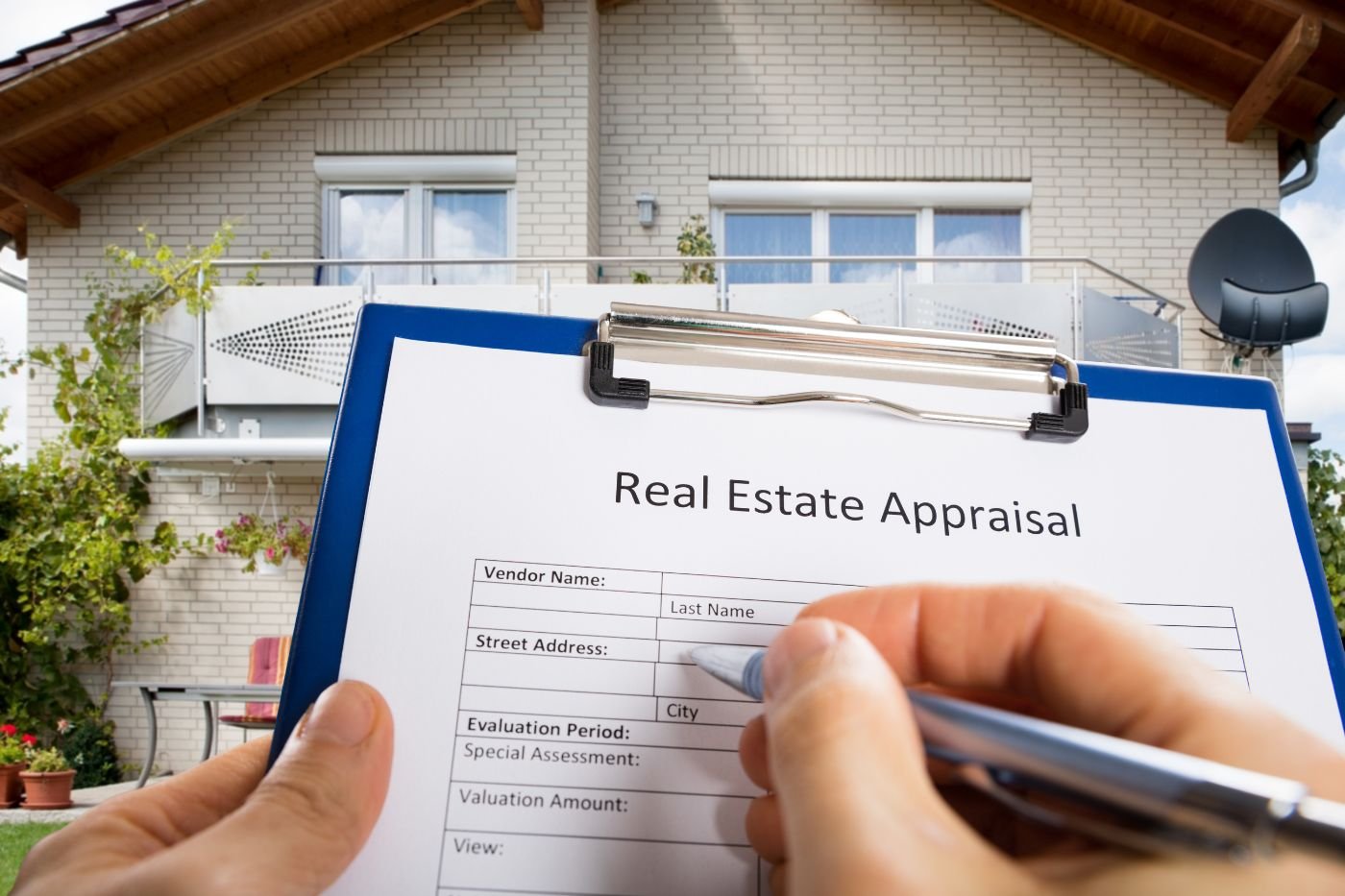
An appraisal is an independent estimate of a home’s market value, carried out by a licensed appraiser. Your lender requires this to make sure the property is actually worth what you’re paying for it. After all, the home is collateral for the loan.
According to the Consumer Financial Protection Bureau, lenders are required to give you a free copy of any appraisal or valuation report developed in connection with your home loan. If the appraised value comes in lower than your agreed purchase price, you’ll need to either renegotiate, cover the gap in cash, or walk away if you have an appraisal contingency in place.
6. Closing Costs

Many first-time buyers are surprised by closing costs because they’re not always part of early conversations. These are fees and expenses paid at the end of the transaction and they can add up to 2% to 5% of the loan amount.
Closing costs typically include:
• Loan origination fees
• Title insurance
• Attorney or escrow fees
• Prepaid taxes and insurance
Ask your lender for a Loan Estimate early in the process so you’re not caught off guard. Some sellers will also agree to cover a portion of closing costs as part of the negotiation.
In Puerto Rico, closing costs may include notary fees, property registry fees, and stamp taxes, which differ from typical mainland U.S. transactions. It’s important to work with a local real estate attorney or notary who understands the island’s legal requirements.
7. Amortization

Amortization is the process of paying off your loan in equal monthly installments over time. Each payment covers both principal (the amount you borrowed) and interest (the lender’s fee for lending you the money).
Here’s the part that surprises most first-time buyers: in the early years of your mortgage, most of each payment goes toward interest, not principal. It’s only as the loan matures that the split shifts more toward paying down what you actually owe.
Your lender can provide an amortization schedule — a table showing exactly how each payment is split over the life of the loan. It’s worth reviewing before you sign anything.
8. Title and Title Insurance

The “title” of a property is the legal record of ownership. When you buy a home, the title gets transferred to your name. Before that happens, a title company or real estate attorney will review public records and the Puerto Rico Property Registry to ensure there are no outstanding liens, disputes, or ownership claims on the property.
Title insurance protects you (and your lender) if any issues are discovered after the sale — like an unpaid contractor lien or a boundary dispute that wasn’t caught during the search. You typically pay for it once at closing, and it covers you for as long as you own the home.
Final Thoughts
Buying your first home doesn’t require a real estate degree, but it does require a basic vocabulary. When you understand what’s being discussed at the table, you can ask better questions, spot potential problems, and advocate for yourself more effectively.
Work with an agent you trust, ask questions whenever something is unclear, and take the time to review every document before signing. The right support and information will make the whole process far less overwhelming than it appears from the outside.
Whether you’re purchasing a primary residence, vacation home, or investment property, working with a knowledgeable local brokerage can make a significant difference—especially in a unique market like Puerto Rico.
FAQs
What are the most important real estate terms first-time buyers should know?
First-time buyers should understand core terms like pre-approval, escrow, contingencies, earnest money, appraisal, closing costs, amortization, and title or title insurance. These concepts shape your budget, your contract protections, and the structure of your monthly payments over time.
How do I know if I’m financially ready to buy my first home?
You’re generally ready when you have a stable income, a manageable debt-to-income ratio, money set aside for a down payment and closing costs, and some savings left over for emergencies and move-in expenses. Talking with a lender for a pre-approval can help you understand how much you can comfortably afford rather than just what you qualify for on paper.
What are common mistakes first-time homebuyers make with real estate terms and contracts?
Common mistakes include making offers without understanding contingencies, underestimating closing costs, skipping or waiving important inspections, and signing documents without clarifying unfamiliar terms. Taking time to learn the vocabulary and working with a trusted agent or advisor can help you avoid costly surprises later.
Related Articles:
- Why High-Performance Plumbing Is Essential in Luxury Kitchen Renovations in Puerto Rico
- The Smart Investor’s Guide to Puerto Rico Luxury Real Estate in 2026: What Buyers Should Know Before Making a Move
- The Future of Puerto Rico Luxury Real Estate: PropTech, AI Valuation, and Blockchain Ownership in 2026 and Beyond