Puerto Rico real estate development projects do not fit one investment story. A resort residence, an urban condominium, a hospitality property, and a community-recovery project face different buyers, approvals, operating costs, and risks. This 2026 guide compares the project types that matter most to buyers and explains what to verify before committing.
Key Takeaways
Here are the practical distinctions to keep in mind when comparing Puerto Rico developments in 2026.
- Compare a development’s actual use and phase, not a broad claim that Puerto Rico property is “booming.”
- Resort homes, urban condos, hospitality, and commercial projects serve different markets.
- Short-term rental income depends on permissions, taxes, seasonality, and expenses; it is never guaranteed.
- Check flood, wind, power, insurance, permits, and association documents before buying new construction.
- Ask the developer for current inventory, delivery terms, and written specifications.
Resort and Branded Residential Developments

Image Source: Christie’s International Real Estate Puerto Rico
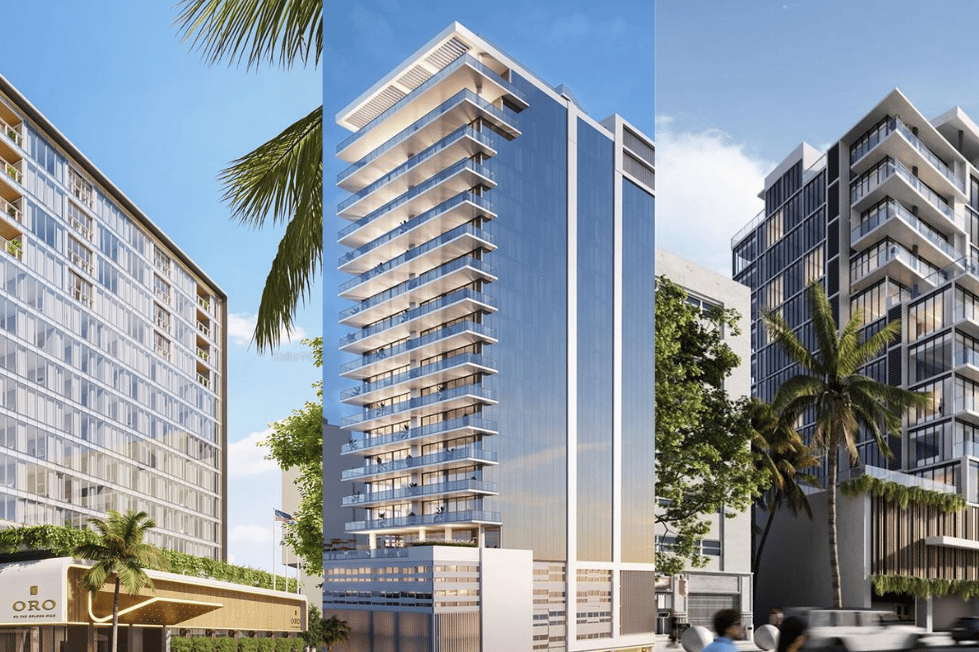
Branded resort communities are one visible part of Puerto Rico’s luxury construction market, particularly in Dorado. The product can include custom estates, lakefront homes, and condominium residences, but the ownership structure and services vary by project.
At Dorado Beach, La Cala’s project page says it is now selling Lots 1–5, while West Point reports that Phases I and II are sold out and Phase III is selling. Those are project-level marketing updates, not a promise that a particular residence will be available when a buyer inquires. The Condado-based Landmark 1409 shows how a smaller urban condominium project can differ from a resort enclave.
What Buyers Should Compare
Request the current offering plan, unit or lot specifications, estimated delivery schedule, deposit terms, association budget, and rules governing rentals and amenities. For an oceanfront or lagoon-adjacent property, review site-specific flood and wind exposure rather than assuming the community name describes the risk.
Hospitality and Short-Term Rental Projects

Hotels, serviced residences, and vacation rentals are distinct business models. The Puerto Rico Tourism Company’s statistics publish 2026 lodging and visitor data, but islandwide traffic cannot establish a particular property’s occupancy or nightly rate.
A buyer considering a rental-oriented unit should obtain written confirmation of permitted use from the municipality, building or association, and relevant tourism authorities. Then model management fees, utilities, insurance, repairs, lodging taxes, vacancy, and financing alongside a conservative revenue range. Our 2026 short-term rental guide explains those operating checks in more detail.
Location Still Has to Fit the Product
Old San Juan, Rincón, Vieques, and resort areas attract different guests and have different access, infrastructure, and local rules. A beachfront address can add maintenance and insurance costs, while an urban unit may face tighter association restrictions. Neither location alone guarantees a profitable rental.
Urban Retail and Mixed-Use Projects

Image Source: Ehlert Bryan
Developers may combine homes, offices, retail, and hospitality in one plan, but a commercial destination should not automatically be described as residential mixed-use. The distinction matters because it changes the likely customer base, leases, financing, and daily operations.
The Mall of San Juan is an example of large-scale retail construction, not evidence of apartments inside the mall. Its structural engineer describes an upscale shopping mall and parking structures designed for Puerto Rico’s wind and seismic conditions. Buyers looking for true residential mixed-use should verify that the specific approved plan actually includes housing.
Distrito T-Mobile as an Entertainment Example

Image Source: Discover Puerto Rico
Distrito T-Mobile illustrates a different urban format: dining, events, and entertainment near San Juan’s convention district. Discover Puerto Rico describes restaurants, a music hall, and visitor attractions; it does not identify the destination as a residential project. That distinction is useful when comparing commercial foot traffic with demand for nearby homes.
Resilient and Energy-Efficient Construction

Backup power, efficient cooling, water storage, wind-rated openings, and drainage can affect daily use as much as finishes do. Ask for the engineered specifications and maintenance obligations of the actual building; a solar panel or “resilient” marketing label is not proof of continuous service after a storm.
One important 2026 correction concerns a federal $365 million solar-and-battery initiative. The Department of Energy redirected that funding toward grid-resilience work, so the original plan should not be treated as a current commitment. DOE’s program update says some pending rooftop installations may proceed, but not all.
Evidence to Request from a Developer
Ask for the generator or battery capacity, fuel and maintenance plan, water-storage details, window and roof specifications, drainage design, warranties, and a written explanation of what is covered by the association. Compare those documents with insurance quotations and any property-specific flood information before paying a nonrefundable deposit.
Commercial and Community Revitalization Projects

Office, retail, industrial, and civic projects can support a neighborhood, but they should not be presented as interchangeable investments. Demand for one building depends on tenants, access, utility reliability, lease terms, and the surrounding market—not a blanket claim that tax incentives are expanding every commercial category.
Puerto Rico’s Department of Housing maintains a City Revitalization Program page with a 2026 program guide. That is evidence of public investment in municipal centers; it does not guarantee appreciation for any nearby private property. A buyer should distinguish an approved, funded project from an early proposal.
Residential Options Beyond the Resort

New residential supply also includes urban condominiums, townhomes, and single-family communities. Each can suit a different buyer: an urban condominium may favor proximity and managed common areas, while a detached home may offer more control over its site and systems.
Check the title and survey, condominium or homeowners’ documents, financing conditions, construction milestones, and whether advertised amenities are completed or merely planned. For a deeper comparison, see Puerto Rico luxury developments and compare currently marketed projects rather than relying on an old price list.
Questions to Ask Before Buying a Development Property
A good development review is specific to the lot, unit, and contract. Use the following questions to separate attractive renderings from documents a lender, insurer, and attorney can assess.
- What phase is selling, what remains available, and what is the written delivery schedule?
- Which permits and approvals are complete, and which remain conditional?
- What are the association fees, reserves, rental rules, and expected operating costs?
- What do current insurance quotes and property-level hazard information show?
- What happens to deposits if specifications, delivery, or financing terms change?
Puerto Rico Luxury Properties for Sale
These three Dorado Beach projects illustrate different forms of new luxury inventory. Their project pages are active, but buyers should confirm the specific residence, price, construction status, and contract terms directly before making a decision.

The Ritz-Carlton Reserve La Cala Residences
La Cala is marketed as a 14-estate beachfront development at Dorado Beach Resort. Its project page says Lots 1–5 are now selling; request current lot availability and delivery details.

The Ritz-Carlton Reserve Livingston Estates
Livingston Estates is planned as seven homes beside the Mata Redonda Lagoon, each with a private dock for non-motorized water access. The page describes the community but does not confirm live inventory, so ask the sales team for the current offering.

The Ritz-Carlton Reserve West Point Residences
West Point offers oceanfront condominium residences with three- to five-bedroom layouts. The project page says Phases I and II are sold out and Phase III is selling; verify the available floor plans and terms.
Conclusion
Puerto Rico’s development landscape includes resort estates, urban homes, hospitality properties, commercial buildings, and public revitalization work. Those categories respond to different demand and should be evaluated with different financial assumptions. In 2026, the strongest buying decision begins with current project documents, property-level risk checks, and realistic carrying costs.
If you want to rent, buy, or sell Puerto Rico luxury properties, Christie’s International Real Estate Puerto Rico is here to guide you through the options. Our team can help you compare current offerings and connect you with the right local specialists for legal, insurance, and financing questions.
FAQs
Are Puerto Rico development projects guaranteed to appreciate?
No. Location, purchase terms, construction quality, financing, insurance, and resale demand all affect outcomes, and a new project can still lose value.
Can every new condominium be used as a short-term rental?
No. Confirm local requirements and the building’s governing documents before assuming short-term rentals are allowed.
How can a buyer check whether a project is still selling?
Use the developer or brokerage’s current project page as a starting point, then request written inventory, pricing, specifications, and contract terms for the exact unit or lot.
Do tax incentives automatically apply to a luxury property purchase?
No. Tax treatment depends on the buyer’s circumstances and the applicable program rules; obtain advice from a qualified Puerto Rico tax professional before relying on an incentive.
Related Articles
These guides go deeper on the project types and buying checks discussed above.