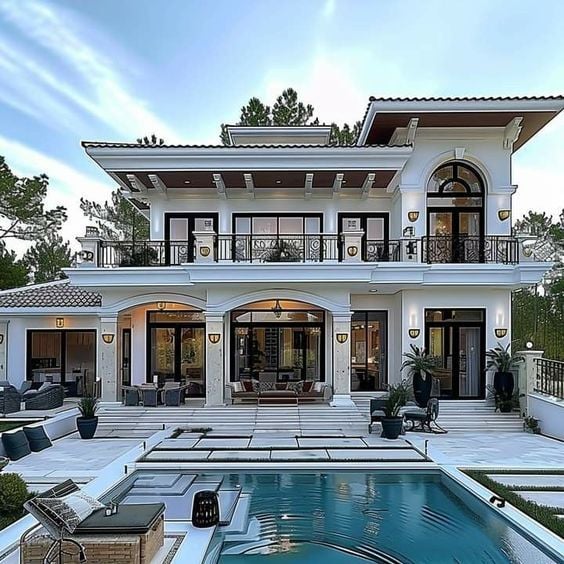
Buying a new-construction luxury home in Puerto Rico can offer modern systems, current design, and the opportunity to choose finishes before delivery. It also introduces risks that do not exist in the same form with a completed resale property, including developer execution, construction timelines, deposit terms, specification changes, and uncertainty about final operating costs. This 2026 guide explains how buyers can evaluate those tradeoffs without treating appreciation, rental income, tax treatment, or completion dates as guaranteed.
Key Takeaways
- New construction should be evaluated through the contract, plans, permits, specifications, developer record, and financing terms—not marketing materials alone.
- Quoted prices may exclude upgrades, closing costs, association deposits, insurance, furnishings, and other ownership expenses.
- Delivery dates can change, so buyers should understand extension rights, cancellation remedies, and deposit protections.
- Act 60 benefits are person- and decree-specific and should not be presented as automatic benefits of buying real estate.
- A final inspection, documented punch list, warranties, and verified completion records remain important even for a newly built home.
What Makes New Construction Different

A buyer may be purchasing a concept, a residence under construction, or a completed unit that has never been occupied. Each stage changes what can be inspected, what must be confirmed in writing, and how much uncertainty remains before closing.
Pre-Construction Reservations and Deposits
Before paying a reservation or deposit, identify whether the document is binding, where funds will be held, when they become nonrefundable, and what happens if the project changes or does not reach the expected milestone. The purchase agreement should state the unit, price, included features, payment schedule, estimated completion framework, and available remedies rather than relying on a brochure or sales conversation.
Plans, Specifications, and Substitution Rights
Floor plans and renderings may be illustrative. Buyers should review the contract exhibits for dimensions, appliance packages, finishes, ceiling heights, parking, storage, terraces, common areas, and the developer’s right to substitute materials or modify the design.
Developer, Permit, and Construction Due Diligence

Image Source: Discover Puerto Rico
A strong location does not replace project-level due diligence. Buyers should confirm who owns the land, who is responsible for development and construction, what approvals have been obtained, and whether the proposed delivery assumptions are consistent with the project’s actual stage.
Developer and Contractor Review
Review completed projects, pending disputes, financing structure, construction progress, and the parties responsible for warranty service after delivery. If the project is being sold before completion, ask how construction is funded and what protections apply if sales, lending, or construction conditions change.
Permits and Completion Records
Legal counsel and qualified technical advisers should review the applicable permits, approved plans, use authorization, title documents, and any condominium or subdivision filings. A buyer should not assume that a sales launch, model unit, or active construction site proves that every approval needed for occupancy or the intended use is complete.
Budget Beyond the Advertised Price

Image Source: Christie’s International Real Estate Puerto Rico
The contract price is only one part of the acquisition budget. A useful comparison includes the costs required to finish, furnish, insure, finance, and operate the residence once it is delivered.
- Upgrade packages, change orders, window treatments, lighting, closets, and smart-home additions
- Appliances, furniture, art installation, outdoor furnishings, and shipping
- Closing costs, legal review, lender expenses, appraisals, and inspections
- Association initiation fees, reserves, monthly assessments, and possible special assessments
- Property, wind, hurricane, flood, liability, and contents insurance as applicable
- Generator, battery, cistern, elevator, pool, landscaping, security, and other operating costs
Financing and Appraisal Risk
Construction milestones may not align with a lender’s underwriting schedule, and an appraisal may not support the contract price or every upgrade. Buyers using financing should confirm rate-lock limits, appraisal requirements, completion conditions, and the consequences if the loan is not available when the developer calls for closing.
Delivery Dates, Inspections, and Warranties

Estimated completion dates are planning tools, not guarantees unless the contract makes them enforceable. The agreement should explain permitted delays, notice requirements, buyer remedies, closing conditions, and how unfinished common areas or amenities will be handled.
Final Inspection and Punch List
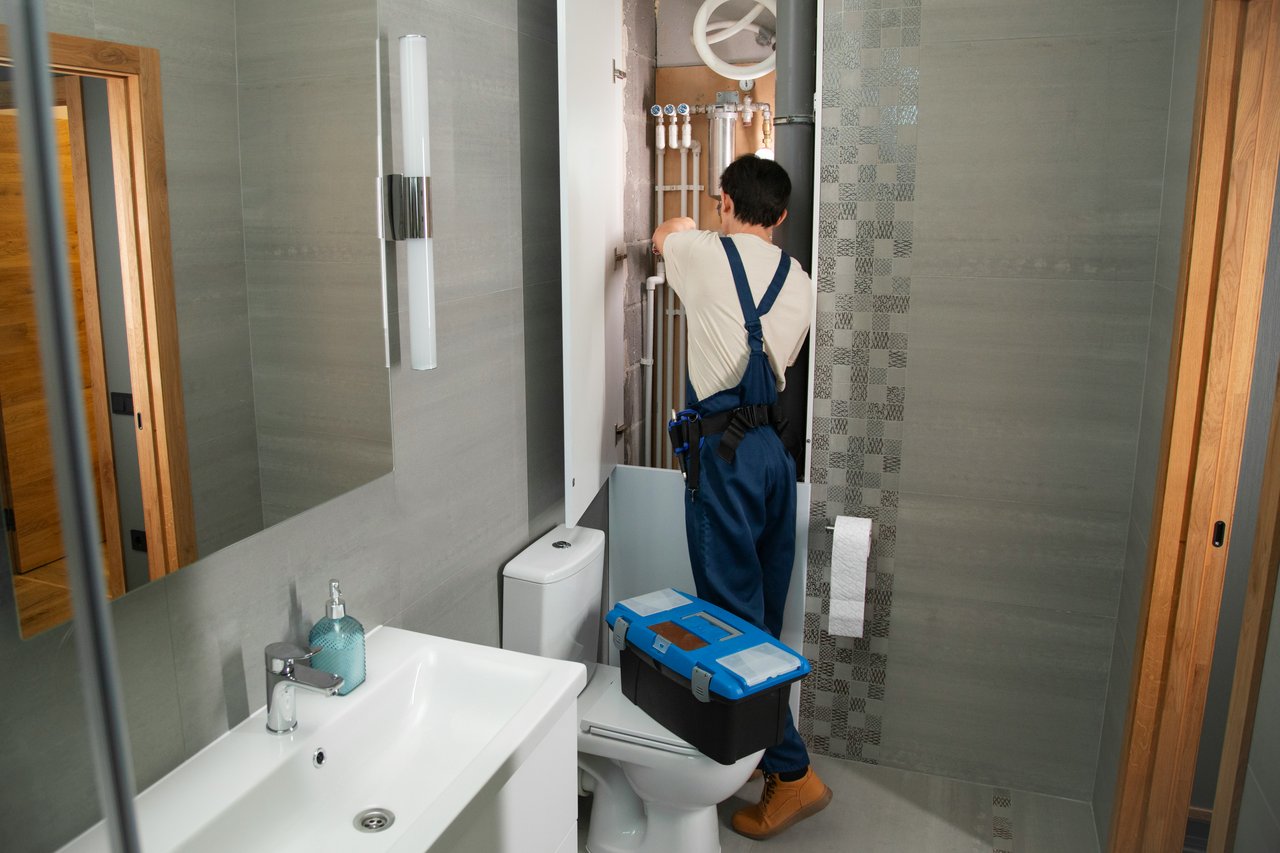
A new home still warrants an independent inspection. Document incomplete work, damage, drainage, doors and windows, electrical and plumbing systems, air conditioning, waterproofing, appliances, terraces, parking, storage, and any deviation from the agreed specifications before accepting delivery.
Warranty Administration
Identify which party administers warranties, when each warranty begins, what exclusions apply, and how a defect must be reported. Keep the signed contract, approved plans, finish schedule, change orders, inspection reports, photographs, manuals, receipts, and all written warranty communications.
Location, Community, and Rental Rules
New construction in Puerto Rico includes urban condominiums, resort residences, coastal estates, and homes in gated communities. Compare the property’s daily accessibility, utilities, emergency systems, association governance, beach or marina exposure, and the services that will actually be available at delivery.
If rental use is part of the plan, review the condominium declaration, community rules, municipal requirements, insurance terms, and any tourism-related registration or tax obligations. The ability to rent should never be inferred from a projected yield or promotional statement; related guidance on pre-construction versus turnkey property can help buyers compare delivery risk with immediate-use options.
Tax Considerations Without Assumptions

Puerto Rico tax incentives should not be described as automatic benefits of purchasing a new home. Act 60 eligibility, residency, sourcing, decree terms, annual requirements, and the tax treatment of income or gains depend on the individual and should be reviewed with qualified Puerto Rico tax and legal advisers.
Questions to Resolve Before Signing
Focused questions make it easier to compare projects with different delivery stages and amenity packages. Buyers should obtain written answers and supporting documents for the points that materially affect price, timing, use, and risk.
- What exactly is included in the base price, and which selections are upgrades?
- Who holds the deposit, and when can it become nonrefundable?
- What changes may the developer make without the buyer’s consent?
- Which permits and project documents are complete, pending, or conditional?
- What is the estimated delivery framework, and what extension rights apply?
- When will common areas and advertised amenities be delivered?
- What inspection, punch-list, and warranty procedures are written into the contract?
- What are the projected association budget, reserves, insurance obligations, and assessments?
- Are rentals permitted, and what minimum-stay or approval rules apply?
- What happens if financing, appraisal, construction, or closing conditions change?
Puerto Rico Luxury Properties for Sale
Current luxury properties for sale can help buyers compare a new-development opportunity with completed homes in different coastal markets. These examples illustrate how location, construction, utilities, community rules, and operating needs vary across Puerto Rico. Availability and details can change, so confirm the current listing and complete property-specific due diligence before arranging a tour.
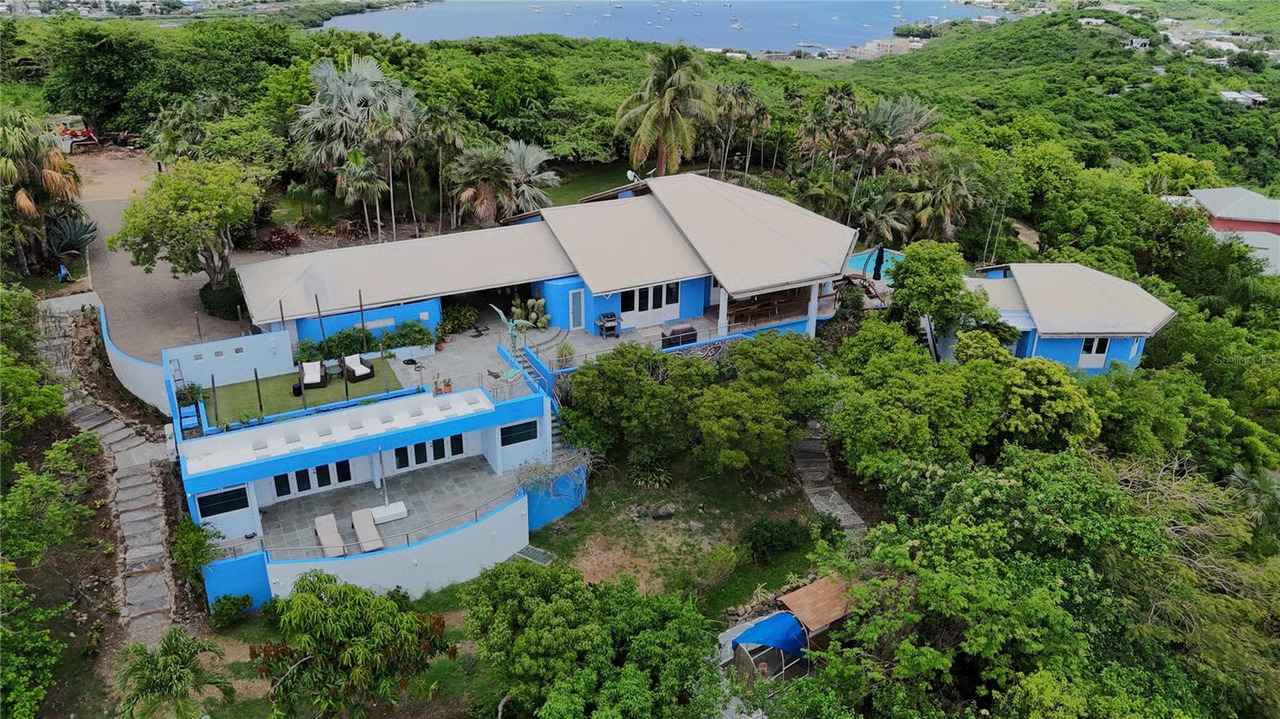
3 La Quinta Melones Beach, Culebra, PR 00775
This active Culebra residence is listed with four bedrooms, five bathrooms, approximately 3,000 square feet, furnished interiors, a pool, and broad coastal views. Its island location makes utilities, insurance, access, maintenance, and backup systems important points of comparison with a new-development purchase.
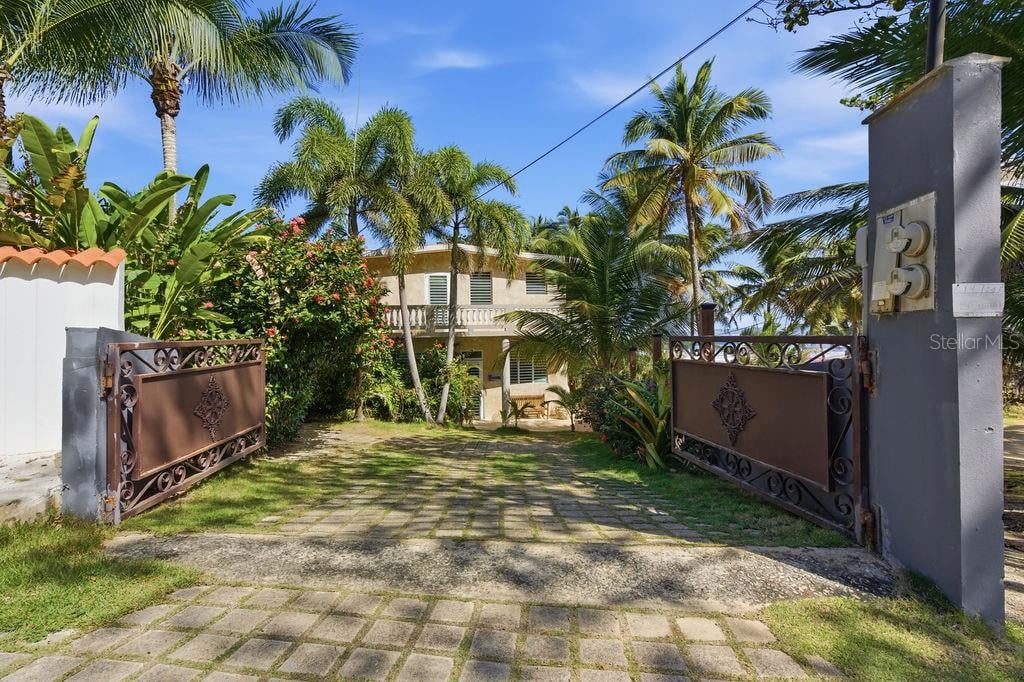
26 Barrio Puntas Sandy Beach, Rincón, PR 00677
This active Rincón beachfront property is listed as a six-bedroom residence with direct coastal access and multiple living areas. Buyers comparing it with new construction should verify the existing building condition, permitted use, rental rules, insurance requirements, and infrastructure.
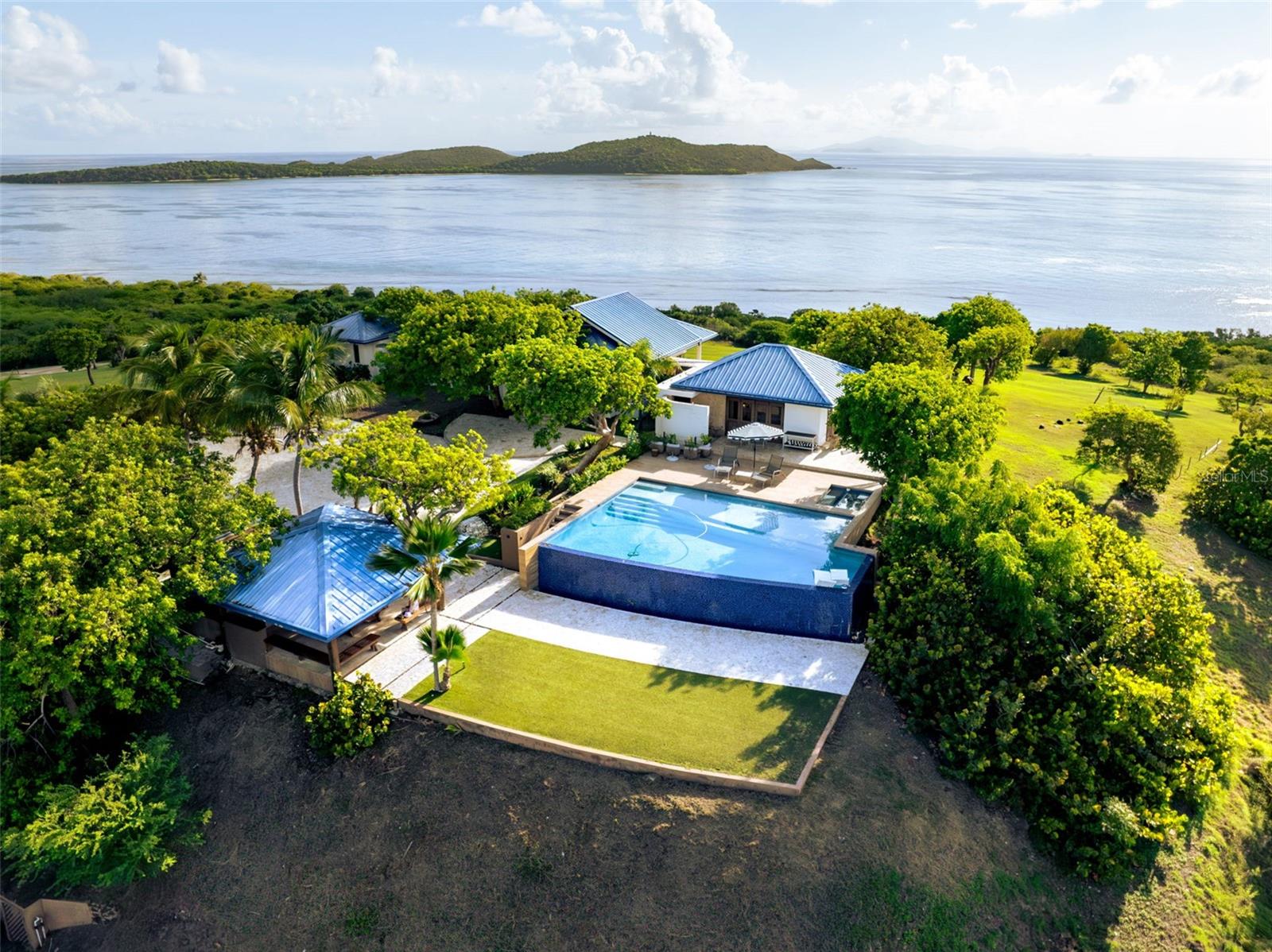
37 Barrio Frailes, Culebra, PR 00775
Villa Azure is listed as an active seven-bedroom estate on approximately 22 acres in Culebra’s North View Estates. Its guesthouse, generator, cisterns, dock access, and expansion potential require separate review of permits, infrastructure, land-use constraints, and operating responsibilities.
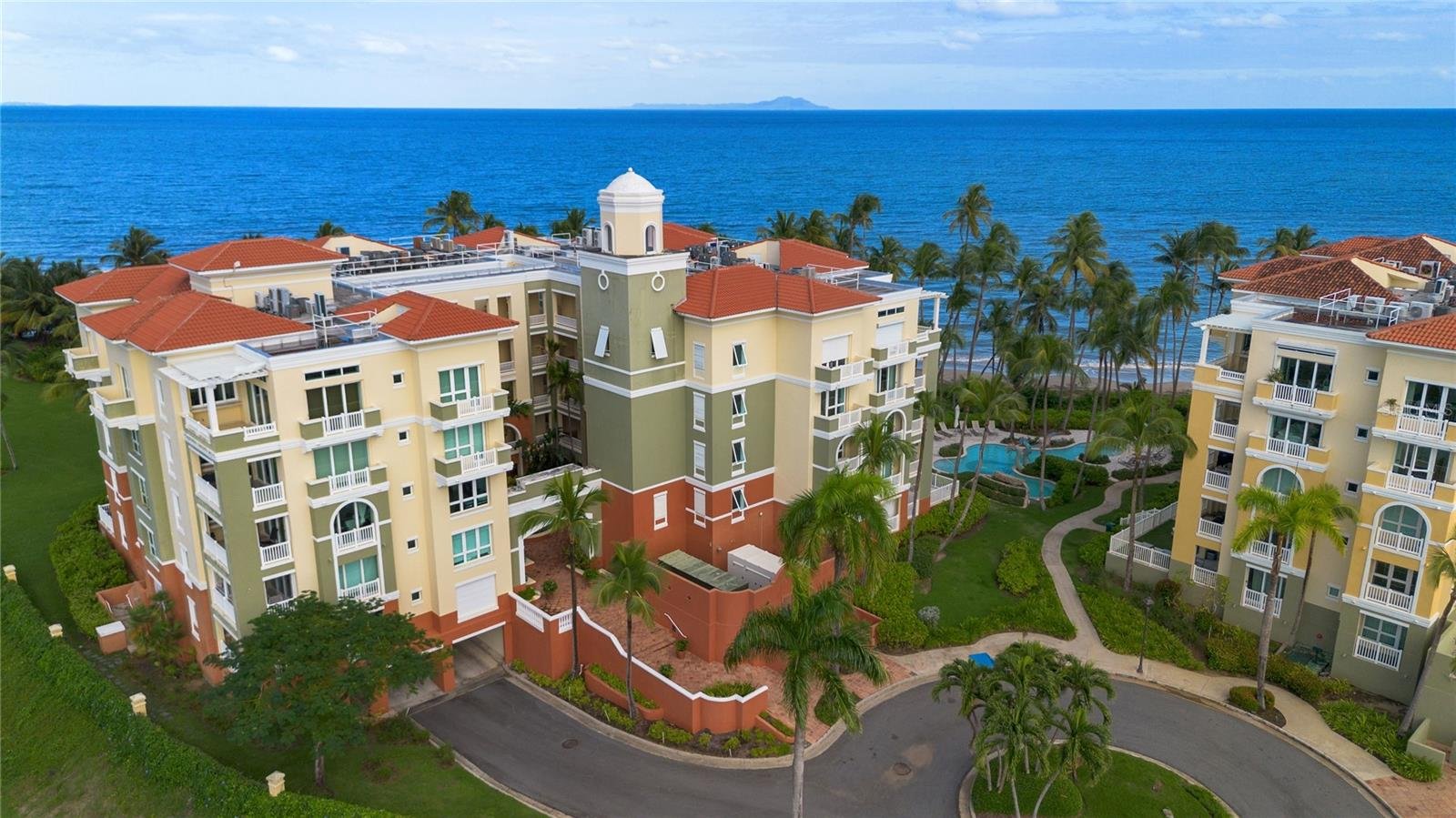
500 Ocean Drive #553, Humacao, PR 00791
This active Palmas del Mar penthouse is listed with four bedrooms, three and a half bathrooms, and approximately 2,650 square feet. Its condominium and resort setting makes the master policy, association budget, amenity access, rental rules, and unit-owner maintenance responsibilities central to due diligence.
Check Out Our Palmas del Mar Listings
Conclusion
A new-construction luxury home can be a strong fit when the project, contract, delivery plan, and total ownership budget match the buyer’s goals. The decision should rest on verified documents and property-specific analysis rather than generalized appreciation, rental, or tax claims. Comparing pre-construction uncertainty with completed alternatives helps buyers understand which risks they are prepared to accept.
If a modern residence or future delivery is part of your search, explore Puerto Rico luxury properties with a clear list of contract, construction, and operating questions. Christie’s International Real Estate Puerto Rico can help you compare locations, development formats, and available homes while your legal, tax, engineering, lending, and insurance advisers review the transaction details. Start with the features that matter most to daily living, then evaluate whether the project’s written commitments support them.
FAQs
Is New Construction Automatically a Better Investment?
No. Results depend on price, contract terms, developer execution, location, delivery, operating costs, market conditions, and the buyer’s intended use.
Can a Developer Change Finishes or Plans?
The contract determines which substitutions or design changes are permitted. Buyers should review the plans, specifications, exhibits, and change provisions with counsel before signing.
Should a Newly Built Home Still Be Inspected?
Yes. An independent inspection and documented punch list can identify incomplete work, defects, damage, or differences from the agreed specifications before acceptance.
Does Buying New Construction Qualify Someone for Act 60?
No. Purchasing real estate does not by itself establish Act 60 eligibility or residency, and individual tax treatment requires professional advice.
Related Articles
These guides provide additional context for project selection, construction planning, and land acquisition.