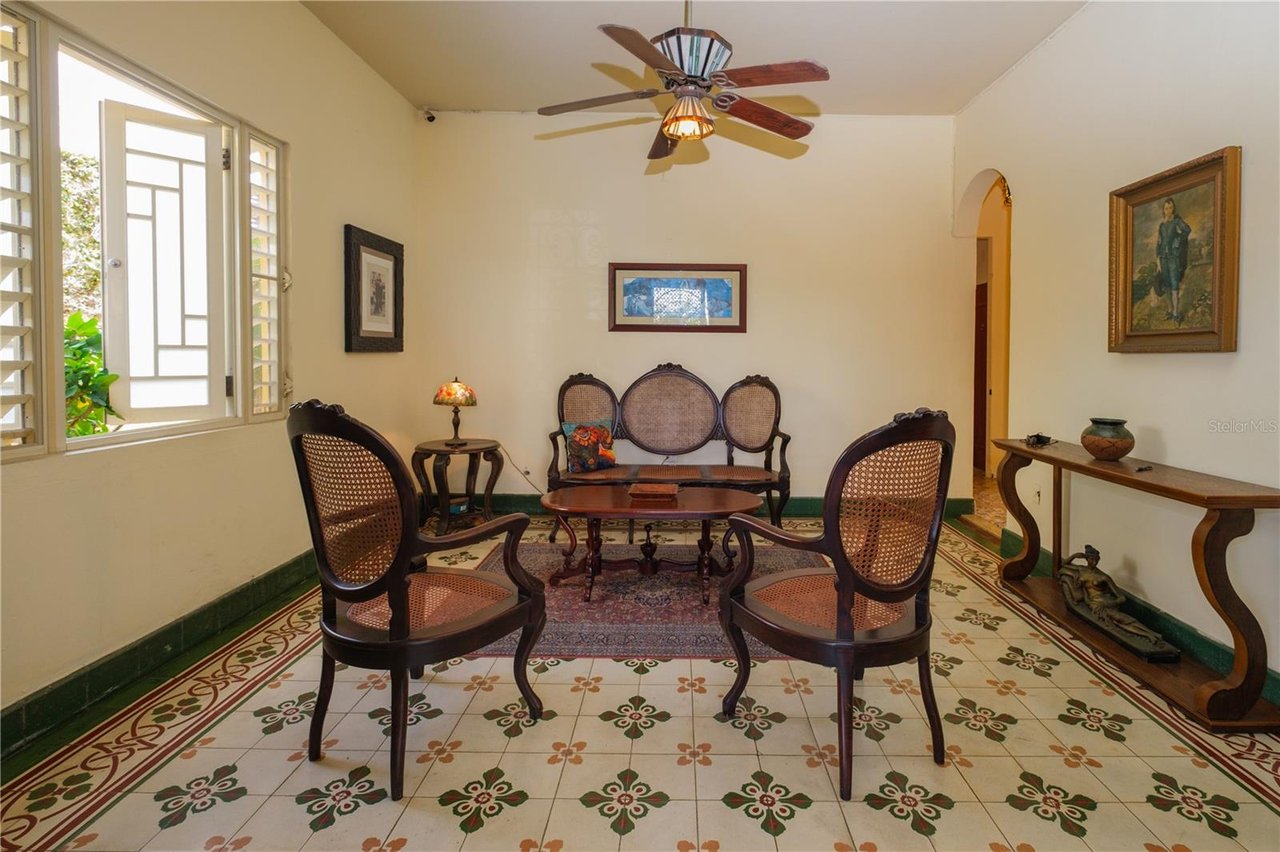
Unique historical decor transforms luxury home interiors by adding authentic character and sophisticated focal points that modern furnishings alone cannot achieve. Historic elements create depth and narrative in refined spaces, establishing visual anchors that elevate the entire design aesthetic. The combination of heritage pieces with contemporary luxury produces interiors that feel both timeless and distinctly personal.
This approach works particularly well in historically rich locations like Old San Juan, where luxury properties in Puerto Rico often gain distinction. Here, centuries of Spanish colonial architecture and historic landmarks like Casa Blanca provide the perfect backdrop for curated historical elements.
Key Takeaways
Historical decor adds depth, character, and authenticity to luxury interiors.
Antique materials and craftsmanship create texture modern pieces often lack.
Statement artifacts help anchor large, refined living spaces.
Old San Juan homes naturally suit Spanish colonial and heritage-inspired decor.
Rare artifacts should be curated carefully to balance beauty, function, and preservation.
Historical Decor Adds Character That Modern Luxury Spaces Often Lack
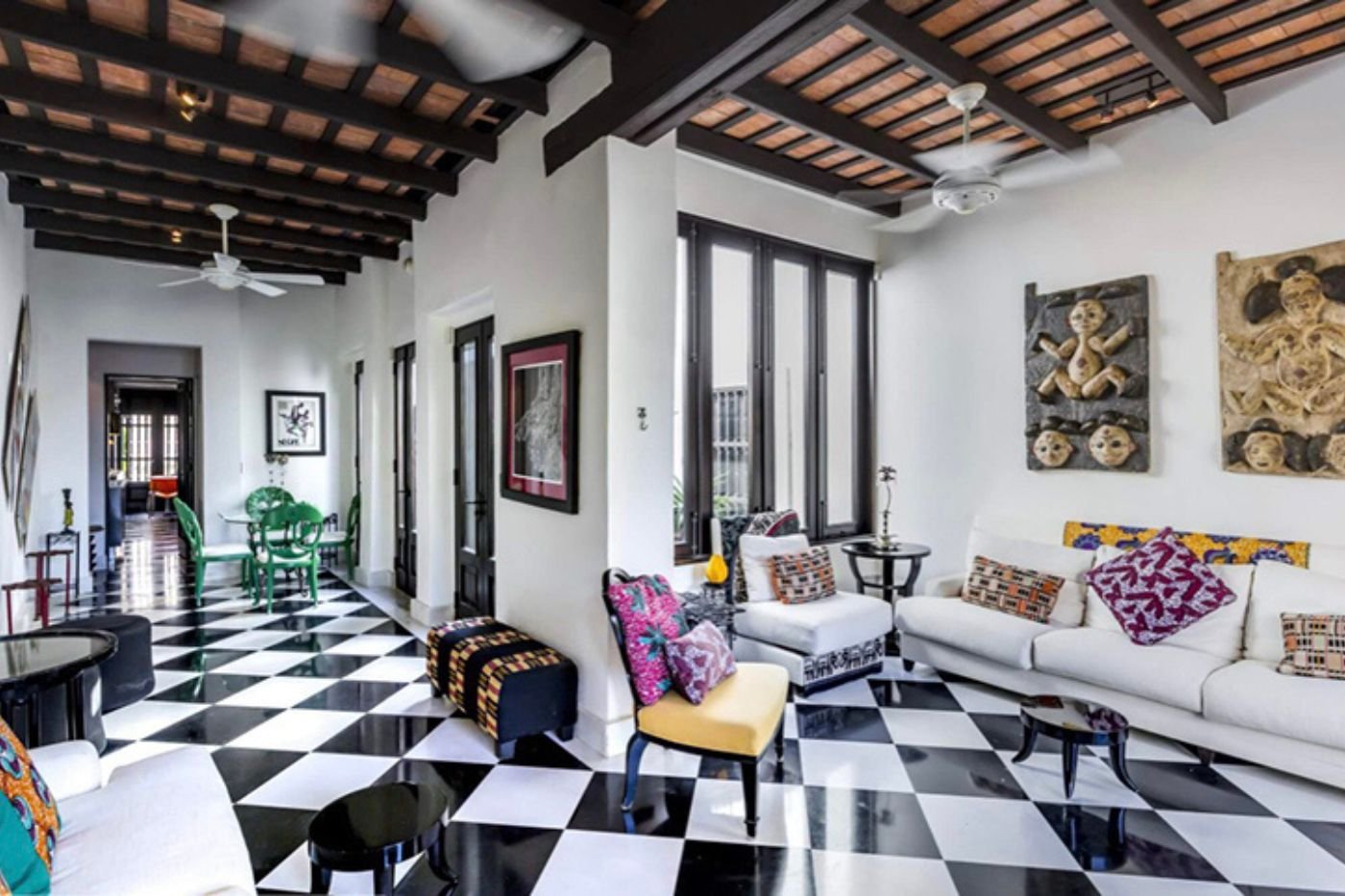
Image Source: life-styled.net
Historical decor brings authenticity and depth to luxury interiors that purely contemporary designs struggle to achieve. Antique home decor pieces carry stories and craftsmanship from different eras, creating layers of visual interest that modern reproductions cannot replicate. The patina, texture, and unique proportions of genuine historical pieces establish an immediate sense of gravitas in refined spaces.
Luxury interior design benefits significantly from the contrast between sleek modern elements and weathered historical artifacts. This juxtaposition creates sophisticated visual tension that keeps interiors engaging rather than sterile.
Authentic Materials and Craftsmanship
Historical pieces showcase materials and construction techniques that modern manufacturing rarely matches. Hand-forged metals, aged woods, and traditional joinery methods create textures and visual qualities that add richness to luxury spaces. These elements provide tactile experiences that enhance the sensory appeal of high-end interiors.
The irregularities and imperfections found in historical pieces actually enhance their appeal in luxury settings.
Hand-carved wooden elements show tool marks and natural variations.
Aged metals develop unique patinas that cannot be artificially replicated.
Traditional textiles display weaving patterns and dye variations from historical periods.
Stone and ceramic pieces show natural aging and wear patterns.
Storytelling Through Design Elements
Historic home interiors gain narrative depth when historical decor connects to the property's background or regional heritage. Spanish colonial interiors in Old San Juan benefit from period-appropriate furnishings that reflect the area's rich cultural history. These connections create cohesive design stories that resonate with both residents and visitors.
Curated home interiors that incorporate historical elements feel more intentional and sophisticated than spaces filled solely with contemporary pieces.
Statement Pieces Create Stronger Focal Points in Refined Interiors
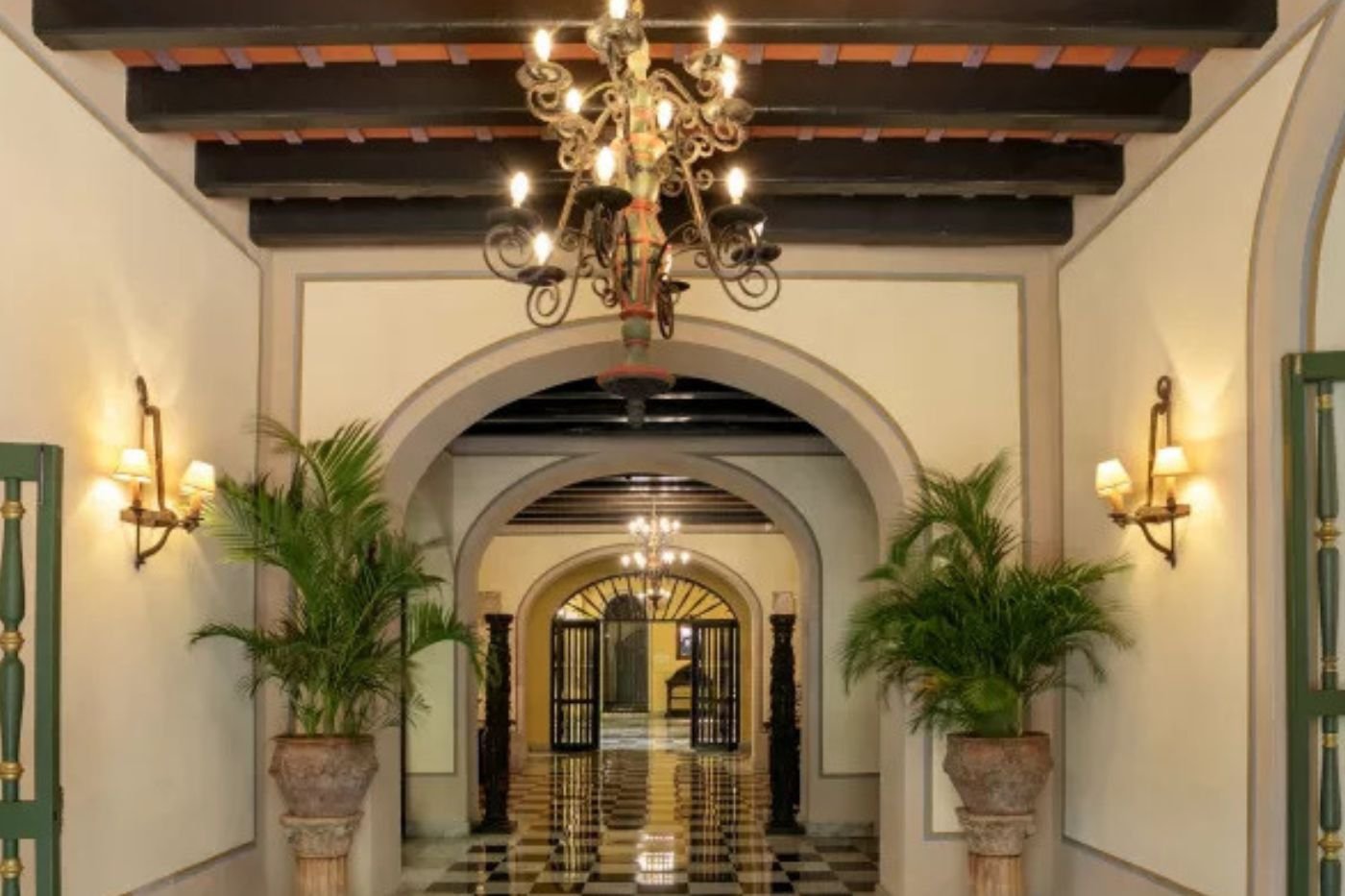
Image Source: discoverpuertorico.com (historic hotels and resorts in Puerto Rico)
Statement pieces for luxury homes work most effectively when they possess genuine historical significance and visual impact. Large-scale historical artifacts command attention and establish clear hierarchies within room compositions, guiding the eye and creating natural gathering points. The scale and presence of significant historical pieces anchor furniture arrangements and define spatial relationships in luxury interiors.
Focal point decor becomes more powerful when it carries both aesthetic appeal and cultural significance.
Scale and Proportion in Luxury Spaces
Historical statement pieces often feature proportions that work perfectly in luxury homes with generous ceiling heights and spacious room dimensions. Historical armor, weapons, and ancient combat relics from Relic & Rarity, and period lighting fixtures fill vertical space in ways that complement grand architectural features. These pieces help luxury interiors feel appropriately furnished rather than sparse or overwhelming.
The substantial presence of historical statement pieces balances the scale of luxury living spaces effectively.
Large antique mirrors reflect light while adding visual weight to wall compositions.
Historical chandeliers and lanterns provide dramatic overhead focal points.
Period furniture pieces like ornate cabinets create strong vertical elements.
Antique rugs and tapestries define floor areas and add color anchors.
Creating Visual Hierarchy
Sophisticated interior styling relies on clear visual hierarchies that guide attention through spaces in intentional ways. Historical pieces naturally command attention due to their uniqueness and craftsmanship, making them ideal primary focal points. Secondary elements can then be arranged to support and complement these historical anchors without competing for attention.
This approach creates more organized and visually satisfying luxury interiors.
Historical Elements Pair Well With Modern Luxury Design
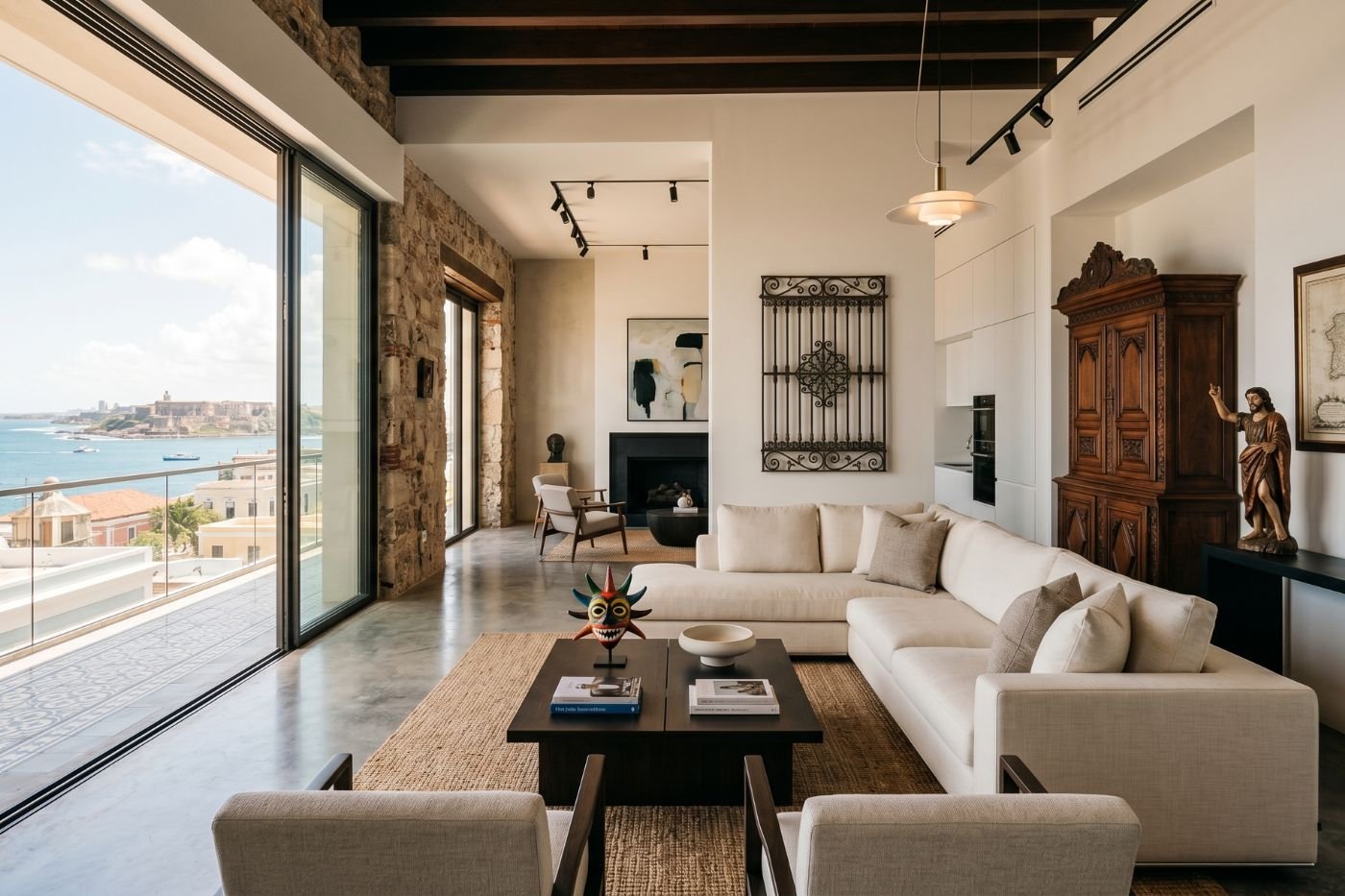
For Puerto Rico luxury properties, the combination of historical decor with contemporary luxury creates sophisticated interiors that feel both current and timeless. Old-world decor elements provide warmth and character that soften the sometimes cold edges of modern luxury design. This blending approach allows homeowners to enjoy contemporary conveniences while maintaining the visual richness that historical pieces provide.
Timeless interior design emerges when historical and modern elements complement rather than compete with each other.
Balancing Old and New
Use historical pieces as accent elements rather than dominant themes.
Maintain consistent color palettes that bridge historical and contemporary pieces.
Select historical elements that complement rather than clash with modern architectural features.
Position historical pieces strategically to create visual balance throughout spaces.
Choose historical elements that enhance rather than overwhelm contemporary furniture.
Material and Texture Coordination
Successful integration requires careful attention to how historical materials interact with contemporary finishes and textures. Aged woods can complement modern stone surfaces, while antique metals add warmth to sleek contemporary fixtures. The key lies in finding common elements like color tones or finish qualities that create visual bridges between different periods.
Elegant home interiors achieve harmony when historical and modern materials share complementary characteristics.
Why Historic Decor Fits Naturally in Old San Juan's Luxury Properties
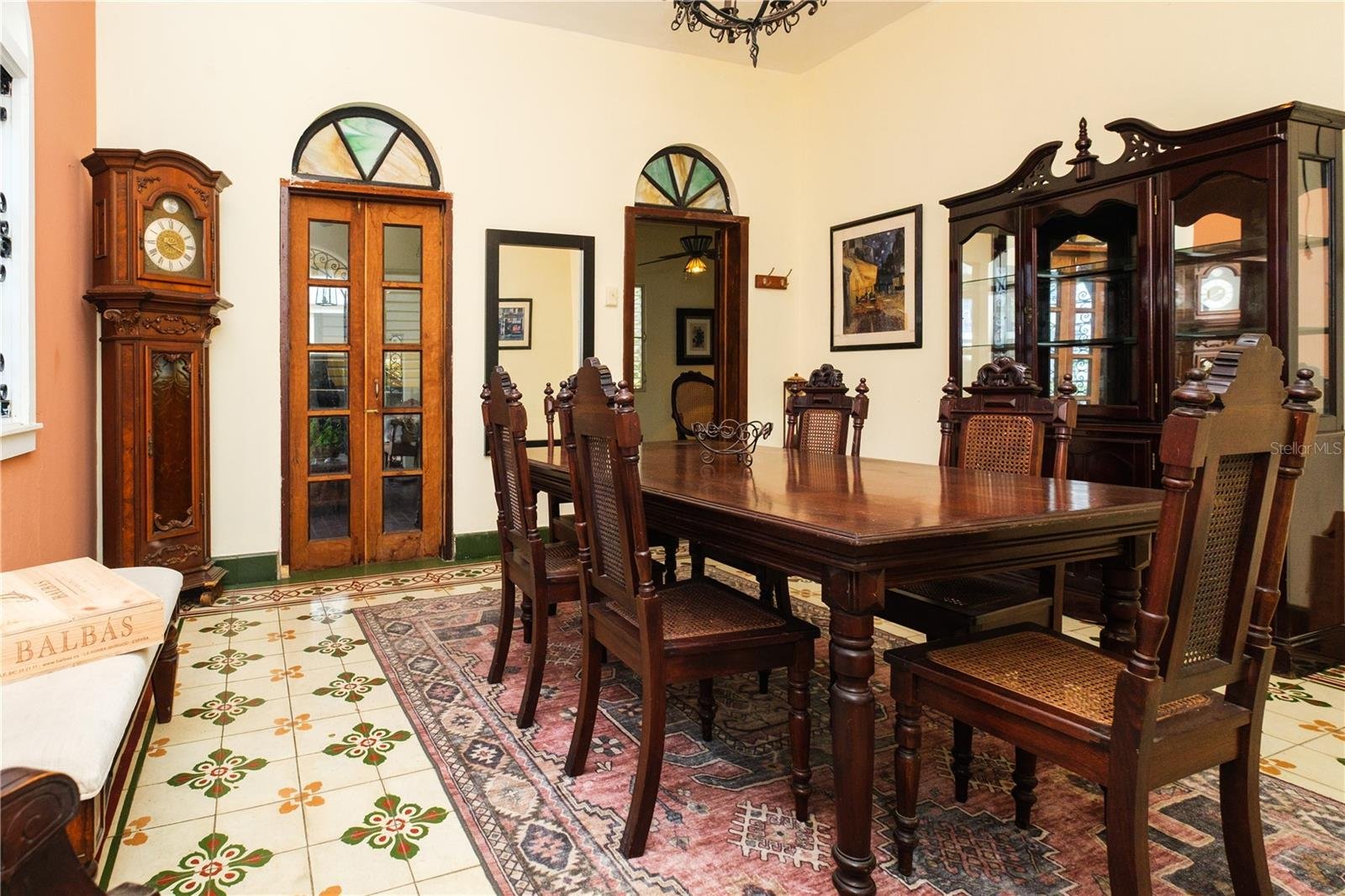
Spanish colonial interiors provide ideal settings for historical decor due to their architectural character and cultural heritage. Old San Juan homes feature thick walls, arched doorways, and traditional proportions that complement period furnishings and historical artifacts. The existing architectural elements create natural frameworks for displaying historical pieces effectively.
Historic homes in Old San Juan benefit from interior design approaches that honor their original character while meeting contemporary luxury standards.
Architectural Compatibility
The structural elements found in historic property interiors naturally accommodate historical decor pieces. High ceilings provide space for large-scale antique lighting fixtures, while thick walls create natural niches for displaying historical artifacts. Traditional window proportions and doorway sizes complement period furniture scales and proportions.
Heritage-inspired interiors feel authentic when architectural and decorative elements share similar historical periods.
Cultural Context and Authenticity
Old San Juan luxury homes gain authenticity when historical decor reflects the area's Spanish colonial heritage and Caribbean cultural influences. Period pieces that connect to local history create stronger design narratives than generic antiques from unrelated regions. This cultural alignment enhances both the aesthetic appeal and investment value of luxury properties.
Puerto Rico luxury properties achieve greater market appeal when interiors reflect regional character and historical significance.
How to Use Rare Artifacts Tastefully in High-End Home Styling
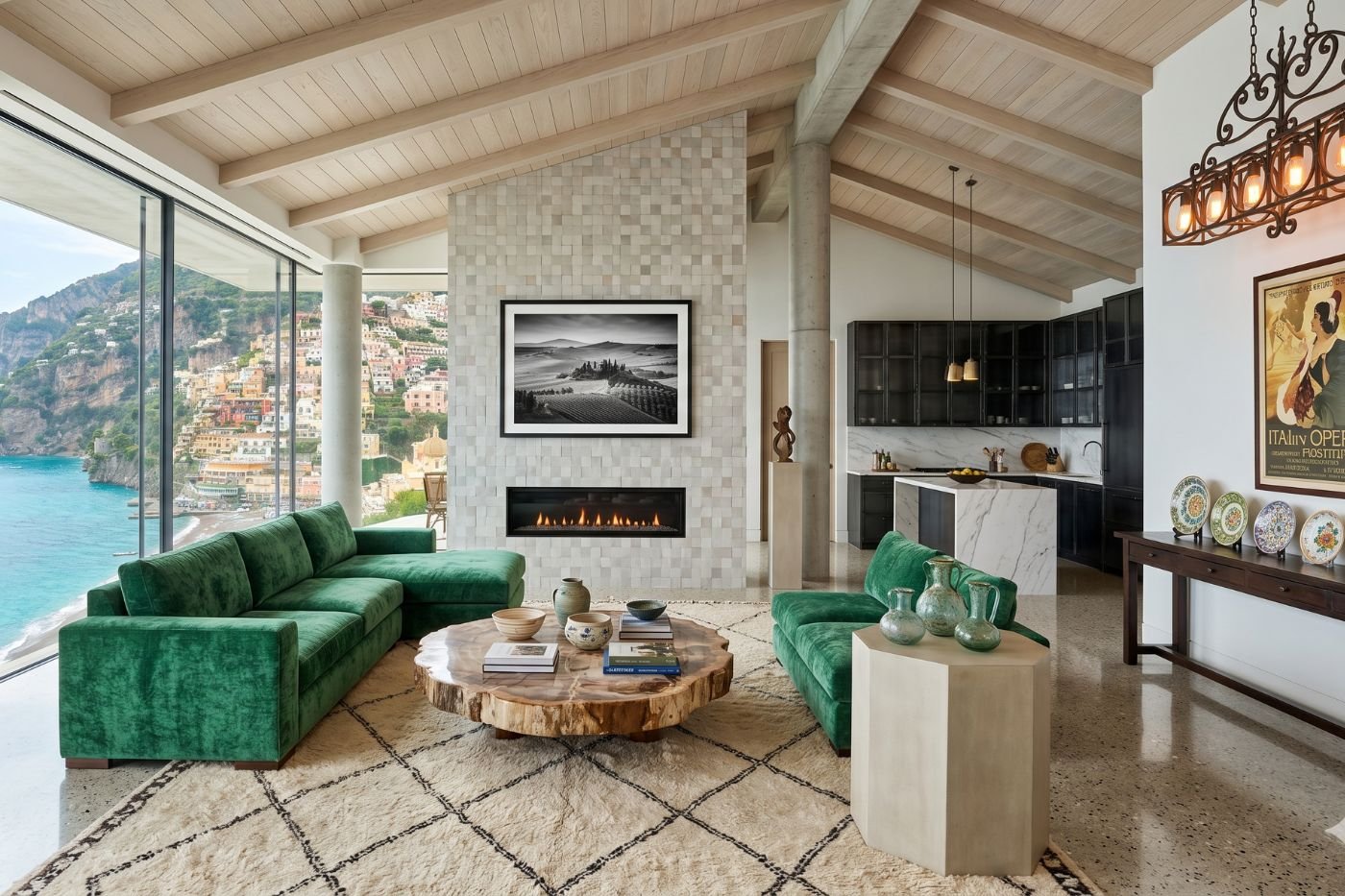
Collectible home decor requires careful curation to avoid creating museum-like environments that feel disconnected from daily living. Rare artifacts work best when integrated into functional room arrangements rather than displayed as isolated specimens. The goal involves creating sophisticated interior styling that incorporates significant pieces while maintaining livable, comfortable spaces.
Luxury properties in Puerto Rico often benefit from historical elements that reflect both international sophistication and local cultural heritage.
Curation and Selection Principles
Choose pieces that complement existing architectural features and room proportions.
Select artifacts that enhance rather than dominate room compositions.
Prioritize pieces with clear provenance and historical significance.
Balance rare artifacts with more accessible decorative elements.
Consider lighting and display requirements for valuable historical pieces.
Display and Integration Strategies
Effective display of rare artifacts requires understanding both conservation needs and aesthetic impact. Proper lighting protects valuable pieces while highlighting their visual qualities, and strategic positioning ensures artifacts enhance rather than interrupt room flow. Climate control and security considerations also influence placement decisions in luxury home environments.
Professional consultation often proves valuable when integrating significant historical pieces into luxury interior design schemes.
Investment and Insurance Considerations
Rare historical artifacts represent both aesthetic and financial investments that require proper documentation and protection. Insurance coverage, security systems, and conservation measures become important factors in luxury home design when valuable historical pieces are involved. These practical considerations influence both selection and placement decisions.
Working with qualified appraisers and conservation specialists ensures that historical investments maintain their value over time.
Conclusion
Historical decor elevates luxury home interiors by giving each space a stronger sense of identity, place, and permanence. In Old San Juan, where architecture already carries centuries of cultural influence, curated antiques, rare artifacts, and heritage-inspired details can transform a beautiful property into a deeply memorable home. When selected with restraint and integrated thoughtfully, these pieces enhance both the emotional appeal and market distinction of luxury interiors.
At Christie’s International Real Estate Puerto Rico, we help clients buy, sell, and rent exceptional homes with character, history, and refined design potential. Our team understands how architectural heritage, interior presentation, and location influence value across Puerto Rico’s luxury market. Contact us today to find the right luxury property, position your home for discerning buyers, or secure qualified tenants for your investment.
FAQs
How do I verify an antique’s authenticity and provenance before buying?
Request condition reports and high-resolution photos. Strong provenance is essential, so look for dealer invoices, auction catalogs, exhibition history, archival photographs, and independent specialist reviews when documentation is incomplete.
What are the biggest maintenance risks when living with historical decor in a luxury home?
Fluctuating environments and improper cleaning cause the most damage. Protect historical decor with stable climate control, appropriate relative humidity, UV filtration, and limited direct light exposure, as light damage to sensitive textiles and woods is cumulative and irreversible.
Are there regulations or export restrictions for certain artifacts in Puerto Rico?
Yes. Export or shipment rules depend on whether an item legally qualifies as protected cultural property, and high-value shipments between Puerto Rico and the U.S. mainland may require specific customs or census declarations. Owners should confirm regulations and obtain written clearance before transport.