Foreclosure properties in Puerto Rico may offer significant upside potential in 2026, particularly for investors comfortable with higher risk and more complex transactions. Traditional listings typically provide more predictable transactions with fewer legal complications, which is why many investors targeting luxury properties in Puerto Rico accept higher entry costs in exchange for greater stability. The choice between these investment approaches depends on your risk tolerance, available capital, and market expertise.
In this article, we compare foreclosure homes for sale in Puerto Rico against traditional property listings, examining pricing advantages, due diligence requirements, financing options, and overall investor fit for the 2026 market.
Key Takeaways
Foreclosures can offer lower entry prices but come with more risk.
Traditional listings usually provide a smoother and more predictable purchase.
Foreclosure buyers often need cash and must move quickly.
Traditional listings allow inspections, financing, and clearer legal protections.
The better option depends on your budget, risk tolerance, and strategy.
Foreclosure Properties Offer Superior Entry Pricing in Puerto Rico
While foreclosures can trade at a discount, investors should note that inventory in 2026 remains historically constrained across all segments. With overall active listings down and the median home price rising to $385,000, securing a distressed property requires aggressive monitoring and swift action against heavy competition. The island's foreclosure auction process operates through a structured three-sale system where banks reduce asking prices by approximately one-third at each unsuccessful auction round.
Puerto Rico foreclosures require cash payments or certified checks made payable to the assigned sale officer, eliminating financing contingencies that complicate traditional transactions. Bank owned homes Puerto Rico become available as REO properties when auction sales fail, often representing the sweet spot between foreclosure discounts and traditional listing reliability.
Auction Timeline and Pricing Structure
The Puerto Rico foreclosure process follows specific legal timelines that create predictable investment opportunities. Puerto Rico relies on a judicial foreclosure system, requiring lenders to issue a 20-day pre-foreclosure demand for payment before filing a lawsuit in court. Additionally, if the property is a primary residence, local laws mandate compulsory mediation before a judge can order a public auction, often extending the timeline significantly beyond mainland averages.
First sale: Full bank asking price
Second sale: Reduced by one-third if first sale fails
Third sale: Further price reduction if second sale unsuccessful
REO conversion: Property returns to lender ownership for direct sale
Geographic Pricing Variations
Distressed properties Puerto Rico show significant pricing variations across different municipalities and property types. San Juan foreclosures typically command higher prices due to urban demand, while rural and mountain properties offer deeper discounts but require longer holding periods for appreciation.
San Juan metropolitan area: 15-25% below market value
Coastal municipalities: 20-35% below market value
Interior and mountain regions: 30-50% below market value
Commercial properties: 25-45% below comparable sales
Traditional Listings Provide Transaction Predictability

Traditional property listings in Puerto Rico offer comprehensive disclosure requirements, professional inspections, and clear title documentation that reduce investor uncertainty. These properties typically undergo standard due diligence processes including property condition assessments, environmental reviews, and detailed financial analysis before listing. Buyers gain access to complete property histories, recent comparable sales data, and professional market valuations that support informed investment decisions.
Puerto Rico real estate investors often prefer traditional listings for larger portfolio acquisitions, especially when targeting Puerto Rico luxury properties or homes with immediate rental income potential. The ability to secure conventional financing, negotiate terms, and conduct thorough inspections provides transaction flexibility that foreclosure auctions cannot match.
Due Diligence Advantages
Complete property inspection access before purchase
Clear title insurance availability
Seller disclosure statements required by law
Professional appraisal and market analysis access
Negotiable closing timelines and contingencies
Financing and Legal Benefits
Conventional mortgage financing available
FHA and VA loan eligibility for qualified buyers
Standard purchase agreements with legal protections
Title insurance coverage for ownership protection
Professional escrow and closing services
Transaction Factor | Foreclosure Properties | Traditional Listings |
|---|---|---|
Purchase Price | 20-50% below market | Market value or negotiated discount |
Payment Method | Cash or certified check only | Cash, financing, or seller terms |
Property Inspection | External viewing only | Full inspection access |
Title Insurance | Limited or unavailable | Standard coverage available |
Closing Timeline | Immediate upon auction | 30-60 days typical |
Legal Complexity | High - auction rules apply | Standard real estate law |
This comparison reveals why different investor profiles gravitate toward specific acquisition strategies based on their capital availability and risk management preferences.
Property Condition and Renovation Requirements
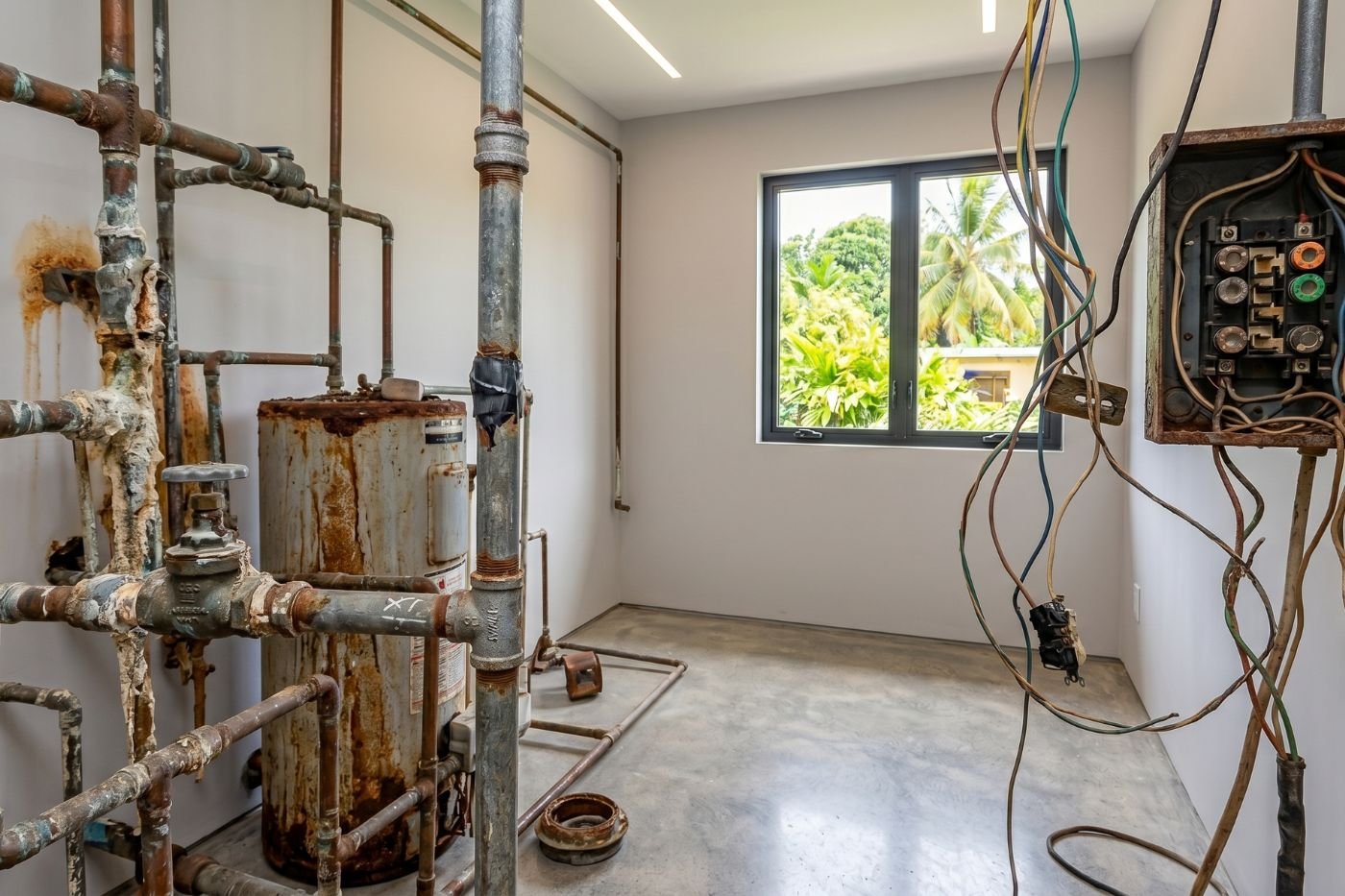
Foreclosure listings Puerto Rico properties sell in "as is" condition without seller warranties or repair obligations, requiring buyers to estimate renovation costs from external observations only. Entering foreclosed properties or disturbing occupants constitutes criminal behavior under Puerto Rico law, limiting pre-purchase condition assessment opportunities. Investors must budget for potentially significant repair costs, utility reconnections, and property cleanup expenses that traditional listings typically disclose upfront.
Bank-owned properties in Puerto Rico that become REO homes often receive basic maintenance and cleaning before remarketing, providing better condition transparency than direct auction purchases. These properties frequently include recent property condition reports and allow limited inspection access, bridging the gap between foreclosure uncertainty and traditional listing disclosure.
Common Renovation Challenges
Hurricane and weather damage requiring structural repairs
Electrical and plumbing systems needing complete replacement
Mold and moisture issues from tropical climate exposure
Security system installation for vacant property protection
Landscaping and exterior restoration for curb appeal
Traditional Listing Condition Advantages
Professional inspection reports available before purchase
Seller disclosure of known defects and repairs
Recent utility bills and maintenance records accessible
Contractor estimates for known issues provided
Move-in ready properties available at premium pricing
Where Investors Research Foreclosure Opportunities in Puerto Rico
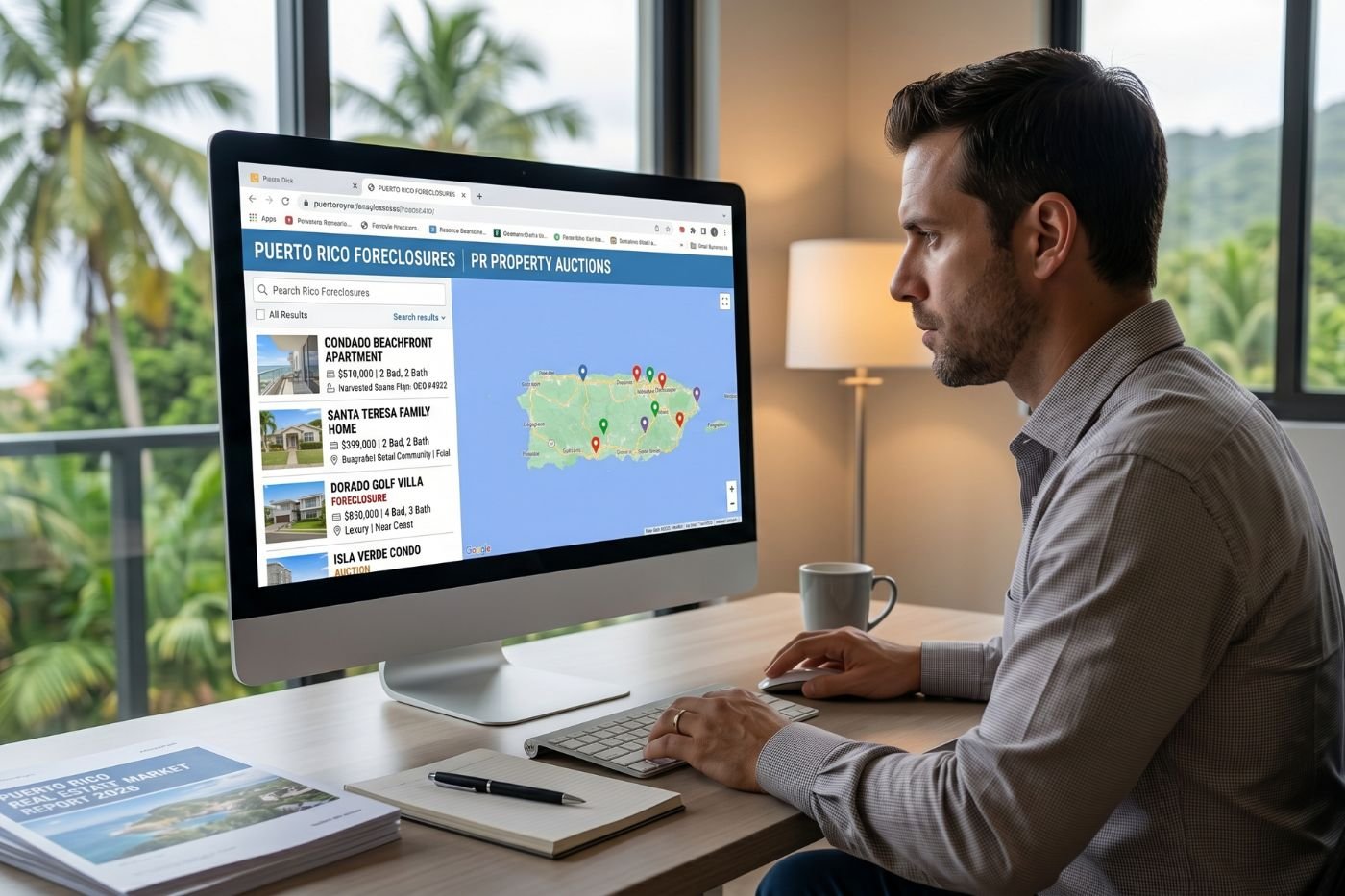
Puerto Rico real estate investors utilize multiple research platforms to identify distressed real estate opportunities before they reach public auction. Professional investors monitor court filings, bank REO departments, and specialized foreclosure databases to identify properties in various stages of the foreclosure process. Early identification allows for pre-auction negotiations with lenders or positioning for optimal auction timing.
ForeclosureHub provides comprehensive foreclosure listings in Puerto Rico data along with auction schedules and property details that help investors evaluate opportunities systematically. Local real estate professionals also maintain relationships with bank asset managers and trustees to access off-market distressed properties before public listing.
Research Resources for Distressed Properties
Puerto Rico court system public records
Bank REO departments and asset managers
Specialized foreclosure listing services
Local real estate agent networks
Trustee and attorney auction announcements
Market Intelligence Gathering
Recent comparable sales analysis
Neighborhood rental rate research
Municipal tax assessment reviews
Zoning and development restriction verification
Insurance cost estimates for coastal properties
Investment Returns and Market Timing for 2026

Puerto Rico real estate market 2026 projections indicate continued opportunities in both foreclosure and traditional listing segments, with different return profiles and timeline expectations. Foreclosure properties typically generate higher initial returns through immediate equity creation but require longer renovation and stabilization periods before producing rental income. Traditional listings provide faster cash flow generation but lower initial return on investment due to higher acquisition costs.
Puerto Rico investment properties purchased through foreclosure auctions historically appreciate faster than traditional purchases due to below-market entry pricing, though this advantage requires successful renovation execution and favorable market conditions. The 2026 market outlook suggests continued demand for quality rental properties across all price segments, supporting both investment approaches.
Return Timeline Comparison
This comparison shows how foreclosure and traditional listing investments in Puerto Rico differ in terms of acquisition speed, renovation time, income generation, and long-term appreciation.
Foreclosure Investment Timeline
Month 1-3: Property acquisition and renovation planning
Month 4-8: Renovation and permitting completion
Month 9-12: Marketing and tenant placement
Year 2+: Stabilized rental income and appreciation
Traditional Listing Timeline
Month 1-2: Property acquisition and minor improvements
Month 3-4: Marketing and tenant placement
Month 5+: Immediate rental income generation
Year 1+: Market appreciation and equity growth
Risk-Adjusted Return Considerations
Foreclosure properties: Higher returns with renovation and legal risks.
Traditional listings: Moderate returns with predictable cash flow.
REO properties: Balanced approach with moderate risk and returns.
Portfolio diversification: Combining both strategies for optimal results.
Legal and Regulatory Considerations

Buying foreclosures in Puerto Rico requires understanding specific legal frameworks, including the Puerto Rico foreclosure statute, which differs from mainland United States foreclosure processes. Puerto Rico operates under a civil law system with unique property rights, title registration requirements, and foreclosure procedures that affect investor strategies. Professional legal representation becomes essential for foreclosure purchases due to complex auction rules, title issues, and potential occupancy disputes that require specialized local knowledge.
Puerto Rico REO homes purchased from bank portfolios typically offer clearer legal standing and title insurance availability compared to direct auction purchases. These properties undergo bank legal review processes that resolve most title issues before remarketing, providing investors with more traditional closing procedures and legal protections.
Legal Requirements for Foreclosure Purchases
Cash payment or certified check mandatory at auction.
No financing contingencies or inspection periods allowed.
Immediate property responsibility upon successful bid.
Limited recourse for undisclosed title defects.
Professional legal representation strongly recommended.
Traditional Purchase Legal Benefits
Standard purchase agreements with contingency protections.
Title insurance coverage for ownership disputes.
Professional closing services with escrow protection.
Seller warranties and disclosure requirements.
Financing contingency periods for due diligence.
Legal Factor | Foreclosure Auction | REO Purchase | Traditional Listing |
|---|---|---|---|
Title Insurance | Limited availability | Standard coverage | Full coverage available |
Purchase Agreement | Auction terms only | Standard contract | Negotiable terms |
Due Diligence Period | Pre-auction research only | Limited inspection | Full contingency period |
Legal Representation | Essential for protection | Recommended | Standard practice |
Closing Timeline | Immediate | 2-4 weeks | 4-8 weeks |
Conclusion
For investors in 2026, the better path between foreclosure properties and traditional listings in Puerto Rico depends less on which option is universally cheaper and more on which one aligns with your capital, risk tolerance, and execution ability. Foreclosures can create stronger upside through discounted entry points, but they also demand sharper due diligence, faster decision-making, and greater tolerance for legal and renovation uncertainty. Traditional listings, by contrast, offer a more stable path to acquisition and income, making them the stronger fit for investors who prioritize clarity, financing flexibility, and a smoother route to long-term value.
At Christie's International Real Estate Puerto Rico, we help clients evaluate opportunities across both distressed and traditional markets with the local insight needed to move strategically. Whether you are looking to buy, sell, or rent out property, our team can guide you through the process with clarity and market expertise. Explore your next move with our services and luxury listings today.
FAQs
What taxes and ongoing costs should investors budget for in Puerto Rico?
Plan for property taxes (CRIM), HOA/condo fees where applicable, homeowners/windstorm insurance, utilities reconnection, and regular maintenance—costs that can be higher for coastal or older homes and may materially affect cash-on-cash returns.
How do occupancy and eviction issues impact foreclosure purchases?
Some foreclosures may be occupied, and removing occupants can require formal legal proceedings and additional time/cost; investors should verify occupancy status, factor potential carrying costs, and consult local counsel before bidding.
What paperwork should non-resident buyers prepare to move faster on deals?
Line up a Puerto Rico-experienced attorney and title company while preparing proof of funds. You should also open a local bank account and create a renovation plan to avoid post-auction delays.