Updated September 2026.
Act 60 can affect a relocation decision, but it does not determine which Dorado Beach home is the right fit. Buyers still need to compare property type, community rules, title structure, insurance, operating costs, and the practical requirements of becoming a bona fide Puerto Rico resident.
This guide explains the real estate questions Act 60 buyers should examine in Dorado Beach and summarizes important 2026 statutory changes. It is general information, not individualized legal or tax advice. Confirm how Act 60 applies to you with qualified Puerto Rico tax and legal counsel.
Key Takeaways for Act 60 Buyers in Dorado Beach
- West Beach Residences and Dorado Beach East offer very different ownership and maintenance profiles; the better choice depends on the buyer's priorities.
- Published asking prices and headline sales are context, not a substitute for current comparable sales and property-specific due diligence.
- Under the 2026 amendments, the applicable tax treatment depends in part on when an Act 60 application is filed. A real estate closing is a separate timeline.
- For certain post-2026 applicants, the primary-residence title must be registered—or pending registration—in an allowed form under the statute.
- The commonly discussed 183-day presence test is only one part of the federal bona fide residence analysis.
What Act 60 Buyers Should Compare in Dorado Beach
Dorado Beach includes branded residences, villas, detached estates, and homesites. Instead of starting with an assumed “Act 60 buyer” profile, begin with the property's intended use: full-time residence, low-maintenance second home, multigenerational living, or a long-term hold.
The broader Dorado real estate and luxury-living guide provides community context. Buyers focused on resort-branded ownership can also review the Ritz-Carlton Reserve residences guide.
West Beach Residences vs. Dorado Beach East
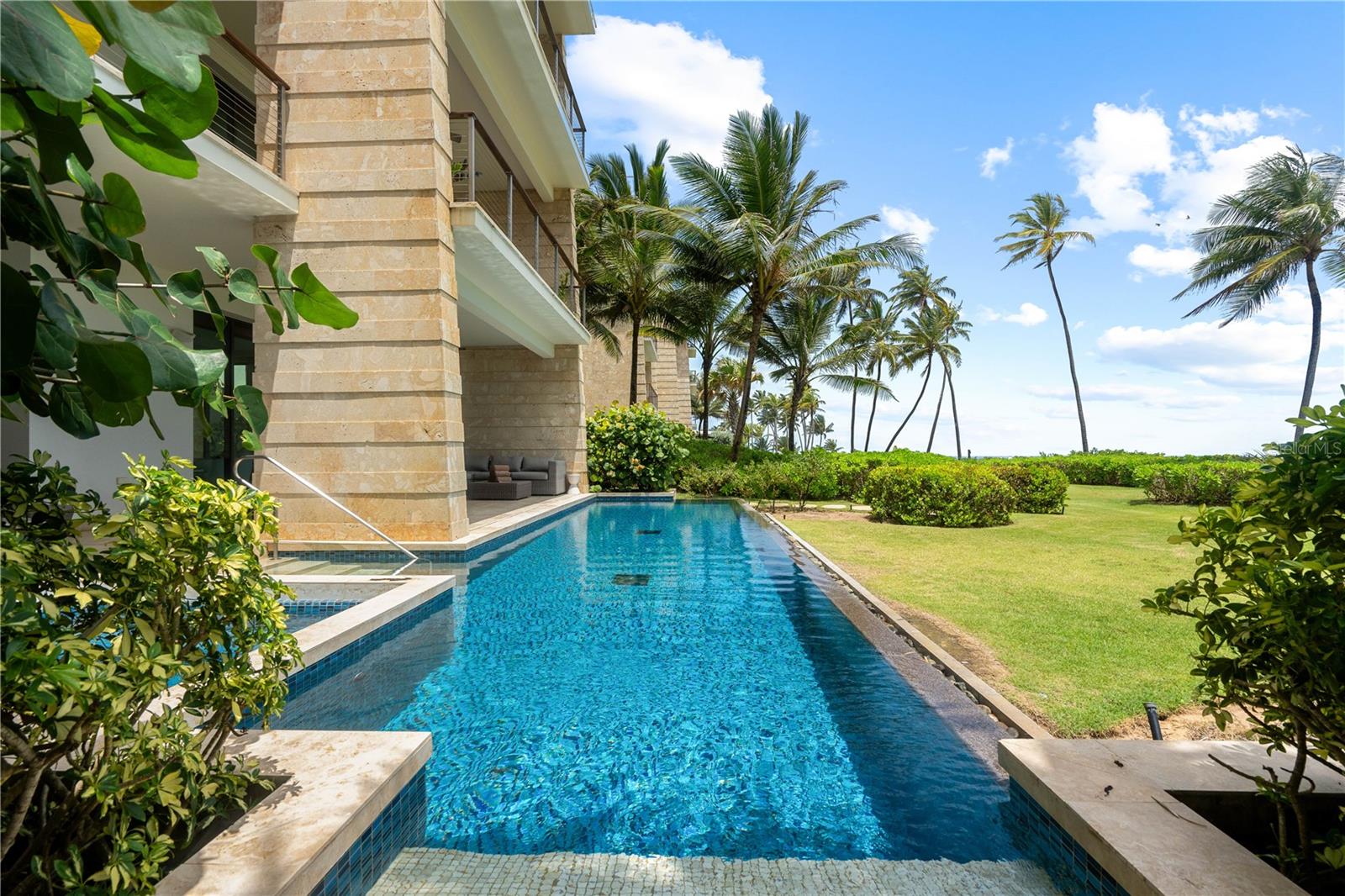
Image Source: Christie's International Real Estate Puerto Rico
Factor | West Beach Residences | Dorado Beach East |
|---|---|---|
Typical property | Branded condominium or villa residence | Detached estate-style home |
Common priority | Lock-and-leave convenience and managed common areas | Private outdoor space and greater control over the residence |
Key documents | Condominium documents, budgets, assessments, parking, use restrictions, and service obligations | HOA documents, lot boundaries, drainage, building systems, use restrictions, and maintenance history |
Club membership and property ownership should be evaluated separately. Before relying on access to resort amenities, confirm current membership eligibility, fees, wait periods, and whether any rights transfer with the property. Do not assume that a deed automatically includes a particular club membership.
Use Current Listings and Closed Sales Differently

Luxury inventory in Dorado can be limited, and asking prices may change or listings may be withdrawn. Current listings show what sellers are offering; closed sales are more useful for establishing market evidence. A buyer's analysis should account for location, view, renovation level, lot, construction quality, furnishings, and any membership or community obligations.
For market context, a Dorado Beach Estates residence was publicly reported sold for approximately $20 million in November 2024. At the ultra-luxury end, the official La Cala development page describes 14 beachfront estates under construction. These examples illustrate the range of product in Dorado Beach, but they should not be treated as typical values or as comparables for another property.
For up-to-date asking inventory, use the live Dorado homes for sale page and verify status directly before making a decision.
Act 60 Changes That Affect 2026 and 2027 Applicants
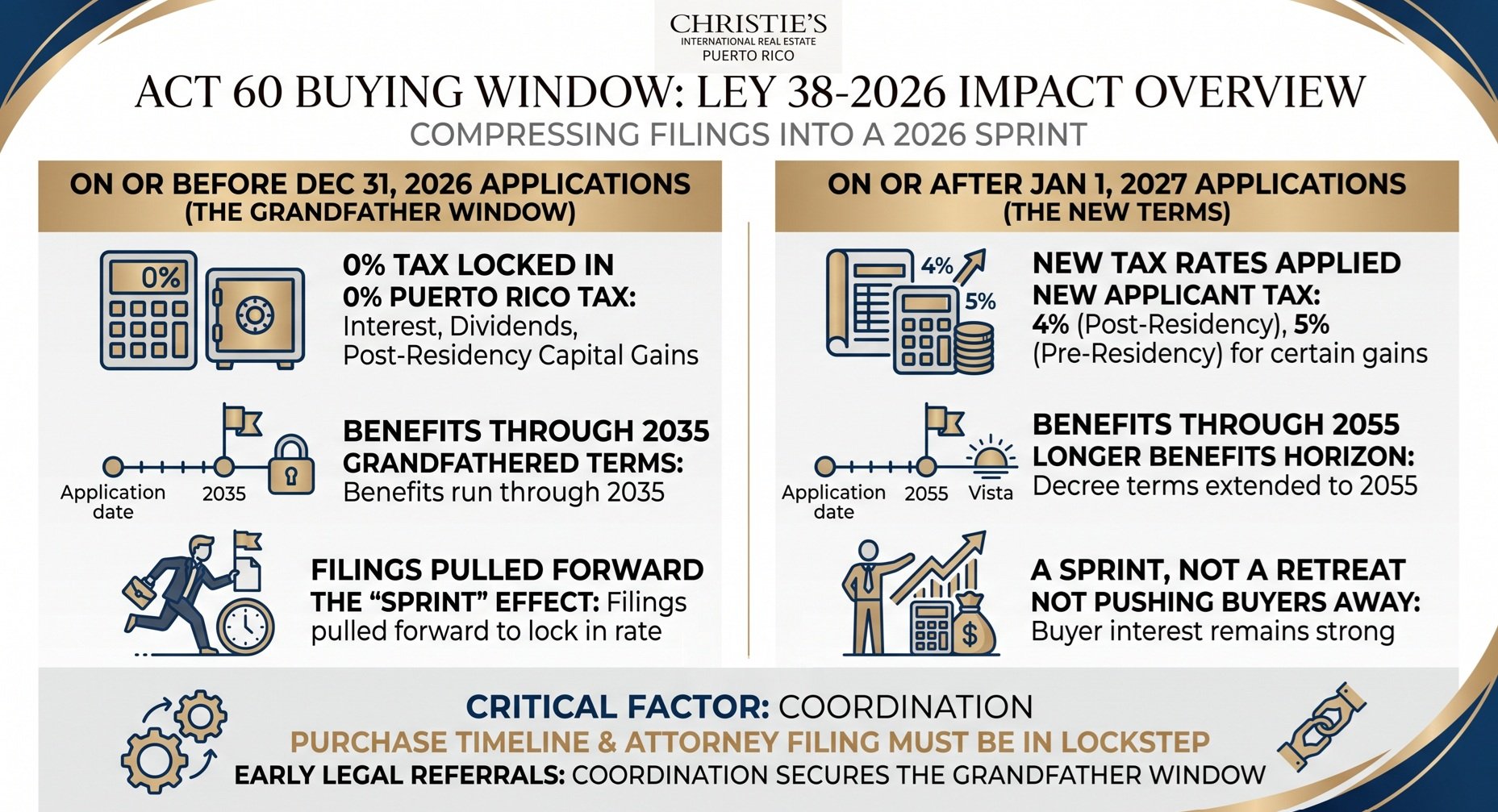
Puerto Rico enacted Law 38-2026 on March 10, 2026, amending the Resident Individual Investor provisions of Act 60. The official consolidated Act 60 text distinguishes between applications filed on or before December 31, 2026, and applications filed on or after January 1, 2027.
- Applications filed on or before December 31, 2026: qualifying Puerto Rico-source interest and dividends earned after becoming a Puerto Rico resident remain subject to a 0% Puerto Rico rate before January 1, 2036. The statute also provides a 0% Puerto Rico rate on qualifying post-residency appreciation recognized before 2036.
- Applications filed on or after January 1, 2027: qualifying Puerto Rico-source interest and dividends are subject to a 4% Puerto Rico rate before January 1, 2056. Qualifying post-residency appreciation is also subject to a 4% Puerto Rico rate during the statutory period.
- Certain pre-residency appreciation for post-2026 applicants: a 5% Puerto Rico rate may apply only if the statute's conditions are met, including recognition after at least 10 years of Puerto Rico residence and before January 1, 2056. Otherwise, different Puerto Rico tax treatment may apply.
The filing date of the incentive application—not the purchase date of a Dorado property—controls this particular distinction. Filing does not guarantee approval. Coordinate the application, move, and property purchase with counsel, but do not assume that a home closing creates Act 60 eligibility or preserves a tax rate.
Applicants filing after December 31, 2026 must also satisfy the amended prior-residency rule, which generally requires that they were not Puerto Rico residents during the six years before moving to Puerto Rico. Eligibility depends on the statute and the applicant's facts.
Primary-Residence Title and Registry Requirements

For applicants covered by the post-2026 rules, Act 60 requires the primary residence to be fully owned and registered—or pending registration—in the Puerto Rico Property Registry in the applicant's name, jointly with a spouse, or through a qualifying trust described in the statute. An LLC is not listed among those ownership forms for this primary-residence requirement.
This is not a reason to assume that trust ownership is mandatory or appropriate for every buyer. Trusts, succession, marital-property rules, federal estate tax, liability, financing, and title costs are fact-specific. Buyers who already own a proposed primary residence through an entity should obtain Puerto Rico legal and tax advice before changing title or relying on the property for Act 60 compliance.
Bona Fide Puerto Rico Residence: More Than 183 Days
Buying a home in Puerto Rico does not by itself establish bona fide residence. Federal rules under Internal Revenue Code Section 937 generally require a taxpayer to satisfy a presence test, have no tax home outside Puerto Rico, and have no closer connection to the United States or another foreign country than to Puerto Rico.
Spending at least 183 days in Puerto Rico during the tax year is a common way to satisfy the presence test, but it is not the only statutory route, and exceptions and special day-counting rules may apply. The IRS explains the tests in Publication 570. A qualified adviser should review travel, family, business, home, and filing facts before a buyer relies on any residency conclusion.
Dorado Due Diligence Before Making an Offer
Act 60 buyers should conduct the same rigorous property review as any other purchaser, while coordinating the separate tax and residency workstreams.
- Title and Registry: obtain a title study, review the deed and recorded interests, confirm the seller's authority, and understand whether registration is complete or pending.
- Condominium or HOA documents: review current bylaws, amendments, budgets, assessments, insurance, maintenance obligations, and rental or occupancy restrictions. Do not rely on a general statement about community rules.
- Insurance and hazard exposure: obtain property-specific wind, flood, and homeowners insurance quotes and review deductibles, exclusions, and the association's master policy when applicable.
- Physical systems: inspect the structure and confirm the condition, capacity, permits, and warranties for generators, cisterns, shutters, pools, and other major systems.
- Financing and buyer of record: align the purchase contract, proof of funds, loan documents, and proposed title holder early. Lender requirements do not override Act 60 or Registry requirements.
- Membership and amenities: verify current terms directly; ownership, club membership, and access rights may be governed by different documents.
Luxury Properties for Sale and Best Picks in Dorado
This property-focused section is intended to help buyers compare formats, not to imply that every example remains available. Prices, availability, and listing details can change. Review the live Dorado property search or contact the brokerage to confirm current status.
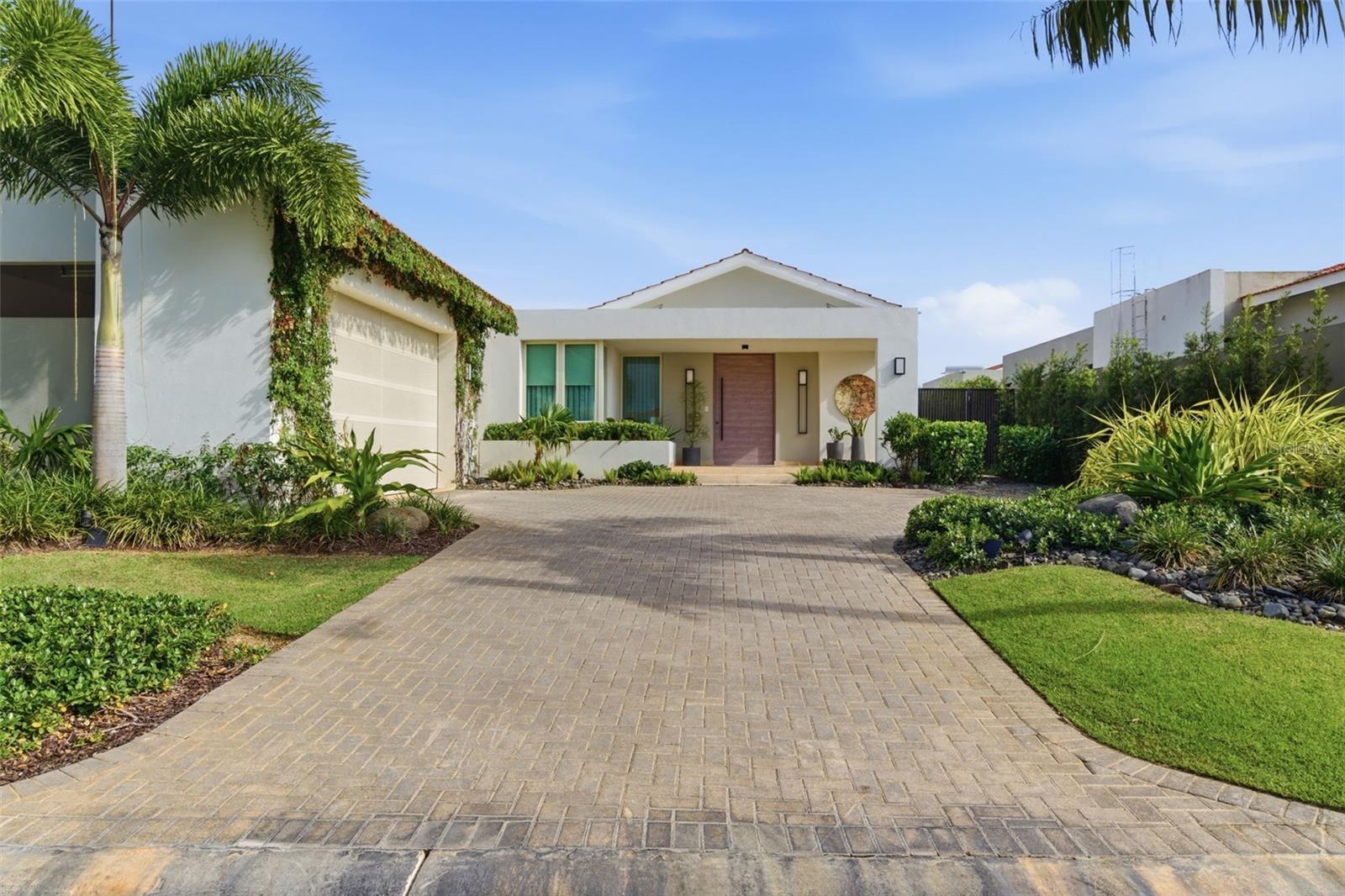
934 Isla Norte, Dorado
This furnished 2023 Isla Norte residence in Sabanera Dorado features approximately 5,100 square feet, four bedrooms, six bathrooms, a private pool, and outdoor entertaining areas. Verify its current status and all listing details on the property page.
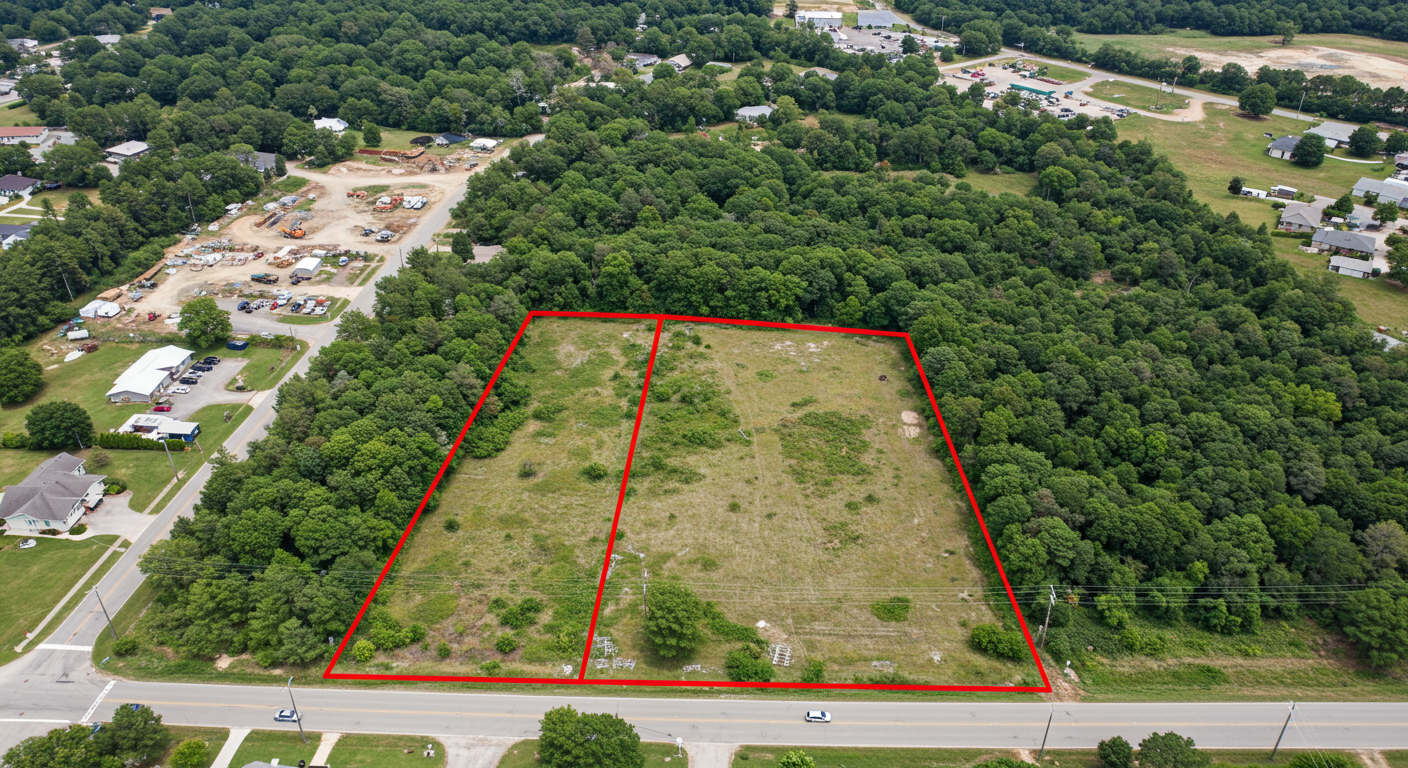
Lot 8 Villa Dorado Estates, Dorado
This approximately 0.99-acre homesite offers a different path from buying a completed residence. Before proceeding, confirm the current asking price, buildability, architectural controls, utilities, permits, timelines, association obligations, and any amenity or membership terms.
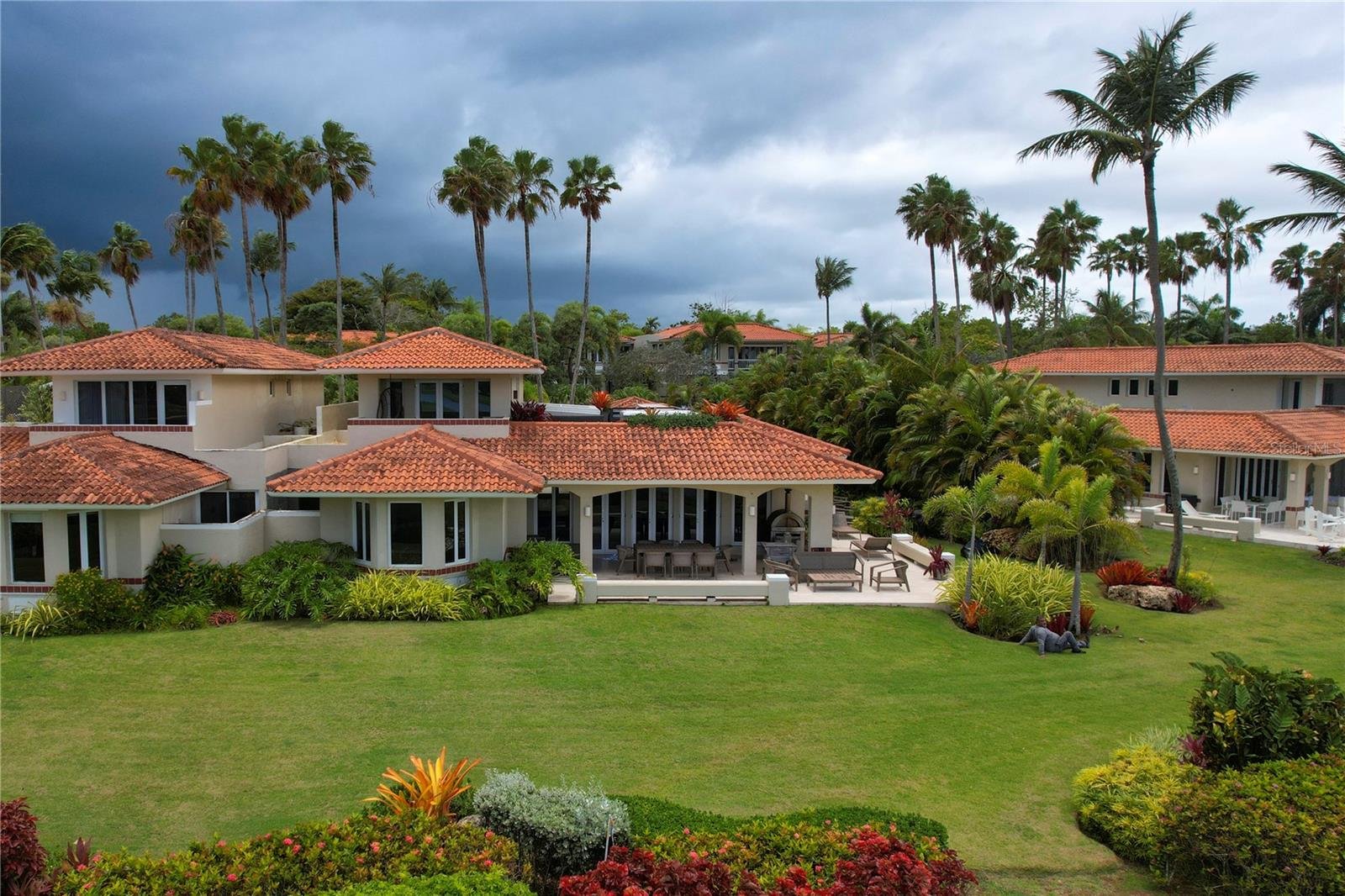
5 The Greens Villas at Dorado Beach
This furnished four-bedroom villa offers approximately 4,000 square feet, terraces, a private jacuzzi, and lake and golf-course views. Confirm availability, included furnishings, association documents, and current access or membership terms.
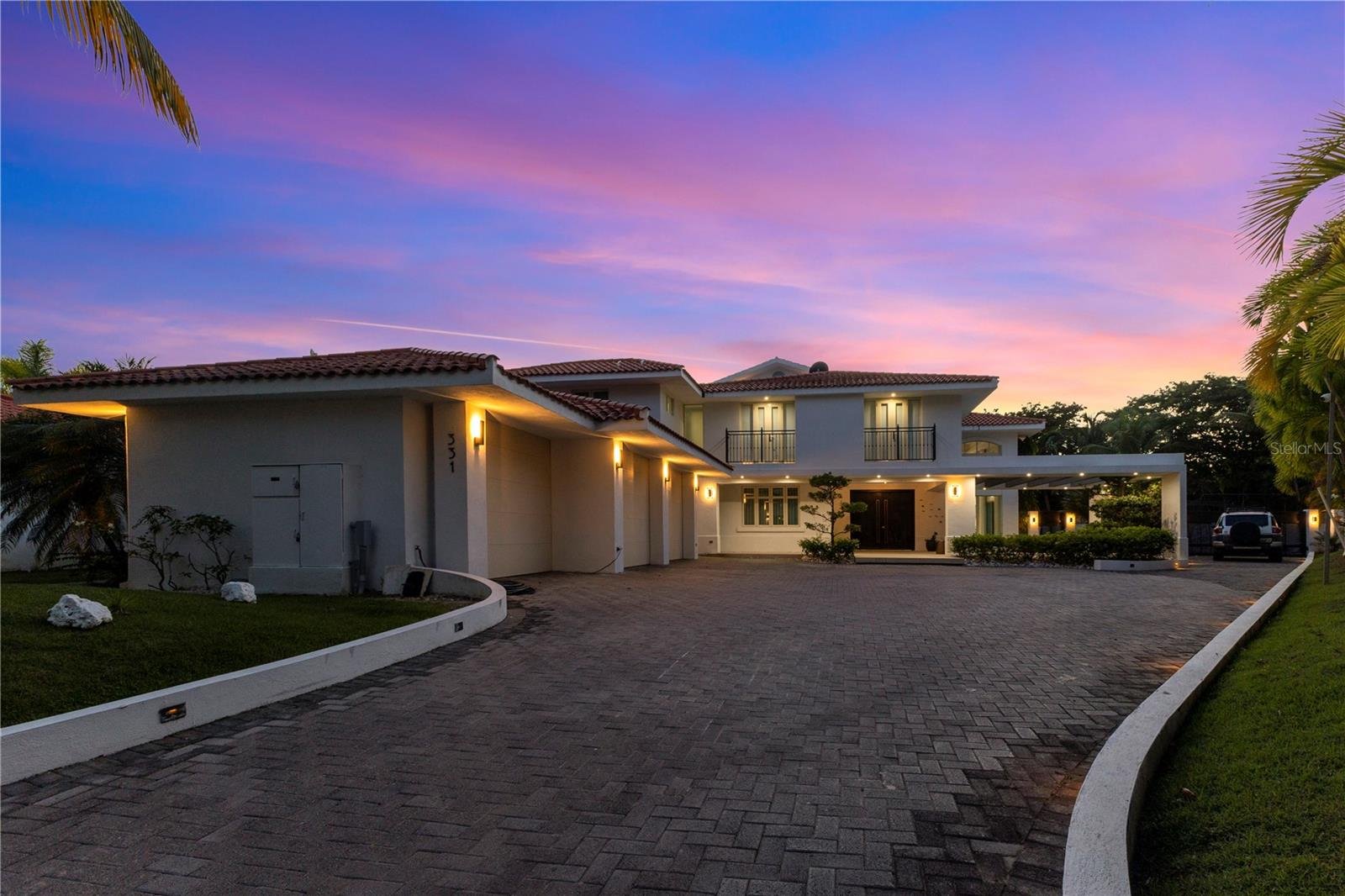
331 DORADO BEACH EAST DORADO PR, 00646
A five-bedroom Dorado Beach East estate on an expansive elevated lot, featuring en-suite bedrooms, tropical gardens, a private pool and resort-style amenities.
Final Thoughts
The best Dorado Beach property for an Act 60 buyer is one that works as a residence on its own merits and fits a separately verified legal and tax plan. Start with current inventory and property documents, then have qualified advisers confirm the application, residency, title, trust, succession, and tax consequences.
To compare current Dorado homes, villas, and homesites, explore Dorado homes for sale or contact Christie's International Real Estate Puerto Rico for property-specific information.
Frequently Asked Questions
Does buying a home in Dorado qualify someone for Act 60?
No. A property purchase is separate from the Act 60 application and decree process. A taxpayer must also satisfy the applicable Puerto Rico and federal residency requirements and the conditions of the decree.
Is 183 days in Puerto Rico always required?
No. At least 183 days is a common way to satisfy the federal presence test, but other tests and exceptions exist. Bona fide residence also requires analysis of tax home and closer connection. Review IRS Publication 570 with a qualified adviser.
Can a post-2026 applicant hold the primary residence through an LLC?
The amended Act 60 language for covered applicants requires the primary-residence title to be registered or pending registration in the applicant's name, jointly with a spouse, or through a qualifying trust. It does not list an LLC. Obtain legal advice before selecting or changing the title holder.
What should a buyer review beyond the home inspection?
Review the title study, deed, Property Registry status, condominium or HOA documents, assessments, insurance, rental and occupancy restrictions, permits, major building systems, and any separate club-membership terms.
What matters about the December 31, 2026 deadline?
The statutory distinction described above is tied to when an Act 60 application is filed, not when a Dorado property closes. Buyers targeting the pre-2027 rules should begin promptly with qualified counsel and should not assume that a purchase contract, move, or closing preserves tax treatment.