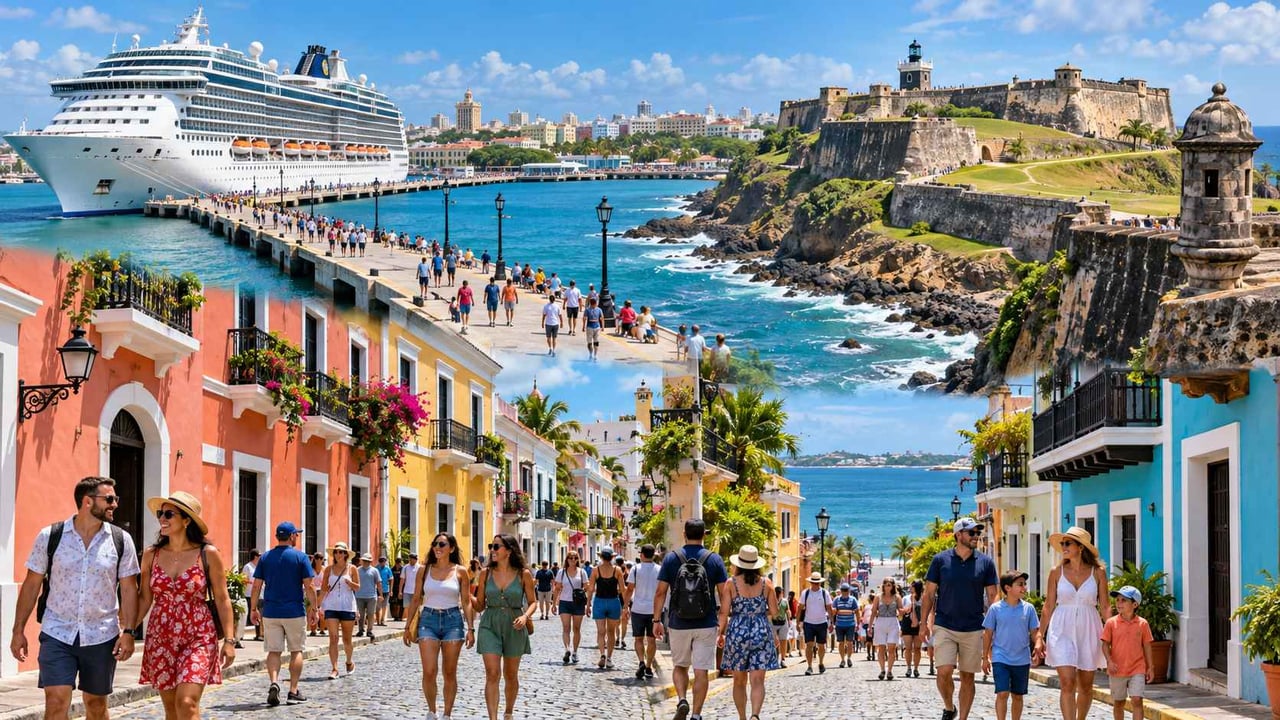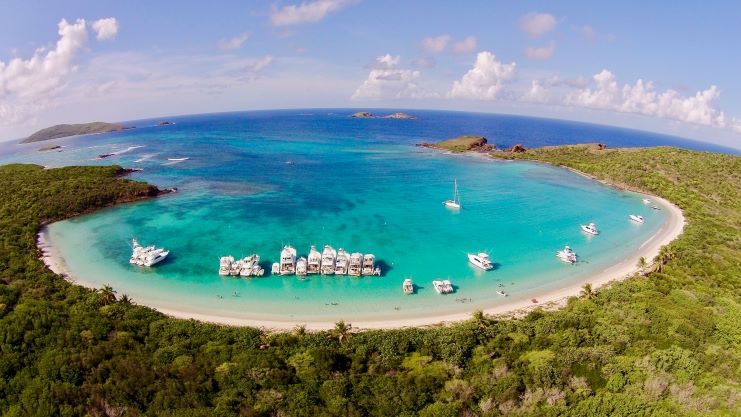
Isla Culebra, Puerto Rico, is shaped by a rare combination of island history, protected habitat, military-era land use, tourism, and a small real estate market. Its beaches and cays attract visitors, while its limited land, transportation links, utilities, and conservation responsibilities influence how residents, businesses, and property owners use the island.
This 2026 guide explains the history of Culebra, how tourism became central to its economy, and what prospective property buyers should understand before evaluating a home or investment.
Key Takeaways
- Culebra lies about 17 miles east of Puerto Rico's main island and includes a main island surrounded by smaller cays.
- The Culebra National Wildlife Refuge was established in 1909 and now protects important dry-forest, mangrove, lagoon, and nesting habitat.
- Military training affected parts of the archipelago until 1975; land transfers followed in 1976.
- Tourism supports lodging, food service, transportation, tours, and property management, but activity can fluctuate with seasons and transportation capacity.
- Real estate decisions require careful review of title, permits, access, utilities, insurance, environmental constraints, and intended use.
Historical Overview of Isla Culebra, Puerto Rico

Image source: Medium
From Indigenous History to Spanish Settlement
Culebra's history predates European colonization and forms part of the broader Indigenous history of the Puerto Rican archipelago. Permanent Spanish settlement developed much later than on the main island, and the community that became modern Culebra grew around Ensenada Honda and the settlement now commonly called Dewey.
Because early accounts often repeat uncertain dates or simplified narratives, the most reliable modern history begins with documented government actions affecting the island's land and institutions.
The Wildlife Refuge and Military Era
The U.S. Fish and Wildlife Service states that President Theodore Roosevelt established the Culebra National Wildlife Refuge in 1909. It was the first federal wildlife reserve designated in the Caribbean for the protection of native birds.
Parts of the Flamenco Peninsula and offshore cays were later used for military training. The refuge's current conservation plan documents ship-to-shore and aerial bombardment from 1936 until late 1975, along with protests by Culebra residents over safety and environmental damage. In 1976, portions of former military lands were transferred to the Commonwealth of Puerto Rico and the Fish and Wildlife Service.
Conservation After the Navy's Departure
The refuge now encompasses about 1,510 acres and 21 offshore cays, according to the Fish and Wildlife Service. These protected areas support subtropical dry forest, mangroves, lagoons, seabird nesting sites, and habitat for threatened and endangered species.
Former military use also created a lasting safety issue. Federal planning documents note continuing investigation and removal work in places where munitions may remain. Visitors and property owners should observe closures and official warnings and should never handle suspected military debris.
Where Is Culebra and How Do You Get There?
Culebra is an island municipality approximately 17 miles east of Puerto Rico's main island. Dewey is its principal settlement and the arrival point for ferry passengers.
Ferry Service from Ceiba
The passenger ferry now operates between Ceiba and Culebra, rather than Fajardo. Puerto Rico Ferry currently advises passengers that the trip can take about 90 minutes, requires arrival one hour before departure, and closes boarding ten minutes before departure. Schedules and operating conditions can change, so travelers should check the official route page before leaving.
Flights and Local Transportation
Small commercial and charter flights may connect Culebra with airports on Puerto Rico's main island. Routes, baggage limits, and schedules vary. Once on Culebra, visitors commonly use taxis, rental vehicles, bicycles, or boats, depending on their itinerary and current local availability.
Tourism and Culebra's Modern Economy
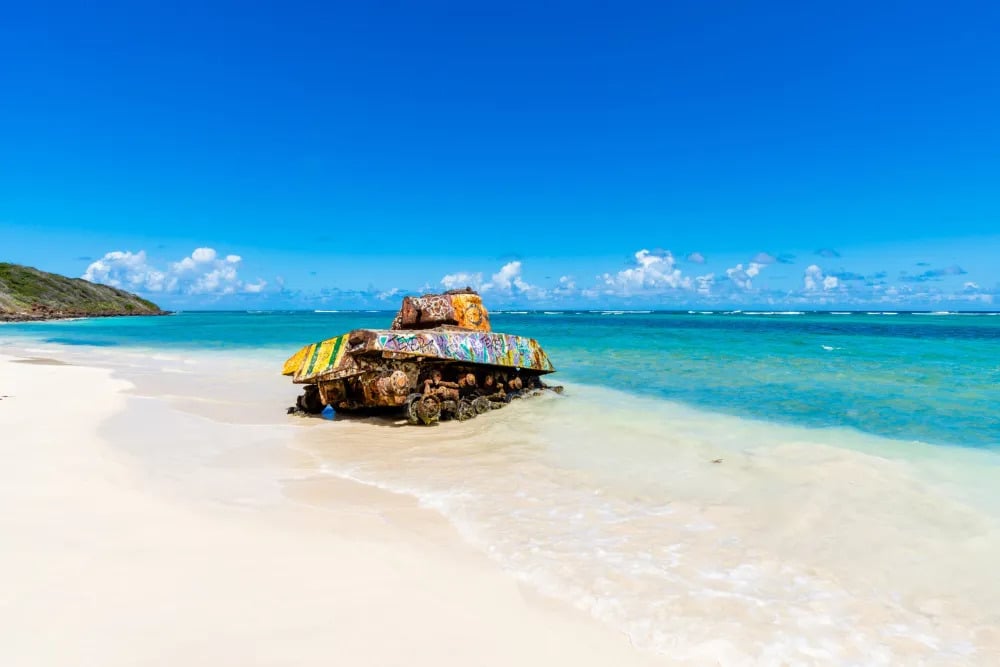
Image source: Puerto Rico Activities
Flamenco Beach and Nature-Based Travel
Flamenco Beach is Culebra's best-known visitor destination, while snorkeling, diving, boating, birding, and wildlife observation connect tourism directly to the island's marine and coastal environment. The refuge protects habitat used by migratory birds and sea turtles, making conservation part of Culebra's visitor economy rather than a separate concern.
Seasonality and Transportation Capacity
Hotels, guesthouses, vacation rentals, restaurants, tour operators, and transportation providers depend on visitor demand. Holiday periods and winter travel can increase pressure on ferries, flights, roads, beaches, and waste systems. Quieter periods can reduce revenue for businesses that rely heavily on short stays.
Travelers should reserve transportation early, confirm lodging policies, and avoid assuming that ferry capacity or local services will match those of San Juan.
Development Within Environmental Limits
Culebra's appeal depends on the same natural resources that constrain development. Protected lands, coastal exposure, limited infrastructure, and sensitive habitat can affect site design, permitting, construction access, and long-term ownership costs.
Real Estate in Isla Culebra, Puerto Rico
Why Culebra Property Is Different
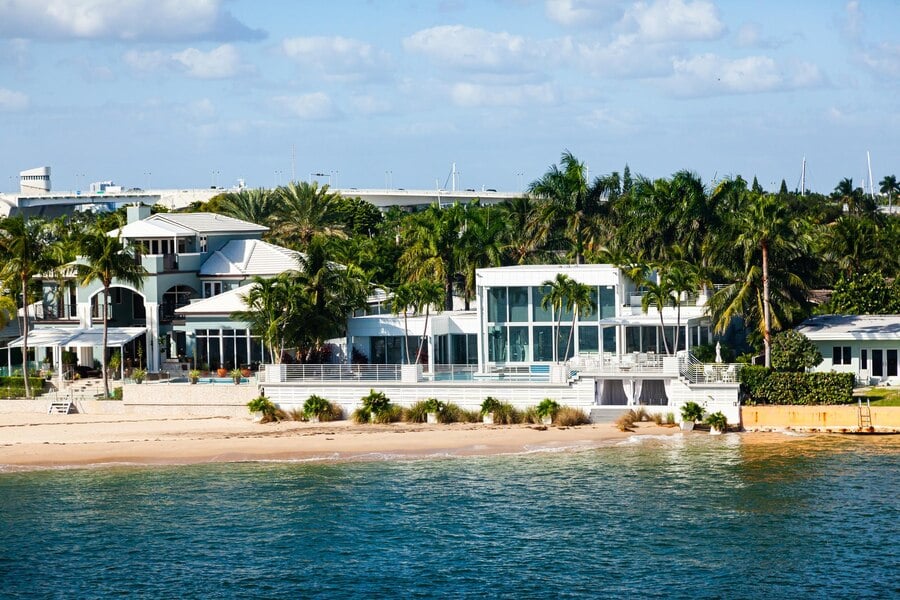
The Culebra market includes primary homes, vacation residences, land, and income-producing properties. Inventory can be limited, and two properties with similar views may differ significantly in road access, construction status, utilities, water storage, backup power, drainage, and permits.
Ocean views and proximity to beaches are important, but they should be evaluated alongside practical ownership questions. Buyers should confirm legal access, boundaries, title, recorded easements, flood and coastal exposure, insurance availability, and the status of every improvement.
Utilities, Construction, and Maintenance
Island logistics can increase the time and cost required to move materials, schedule skilled labor, and maintain buildings. Cisterns, generators, solar systems, septic systems, retaining structures, and hurricane protection should be inspected rather than accepted from listing language alone.
For unfinished homes or land, buyers should engage Puerto Rico attorneys, engineers, surveyors, and permitting professionals before closing. A property's intended use may also require municipal or agency approvals.
Vacation Rentals and Intended Use
A home that has been marketed as a vacation rental should not automatically be treated as a guaranteed investment. Review current permits, tax registrations, operating records, management costs, insurance, utility expenses, seasonality, and any restrictions that apply to the property.
Economic and Community Considerations

Real estate activity supports construction, maintenance, lodging, property management, transportation, and professional services. It can also increase competition for a limited supply of housing and land. Claims about prices, affordability, or market growth should therefore rely on current transaction and inventory data rather than broad assumptions.
For owners and developers, responsible planning means accounting for infrastructure, waste, drainage, coastal resilience, and habitat protection from the beginning of a project.
Luxury Properties and Houses for Sale in Culebra, PR
Christie’s International Real Estate Puerto Rico maintains a dedicated search for Culebra real estate and luxury homes. The examples below preserve the article's property focus; listing status, price, and availability should always be confirmed on the current property page.
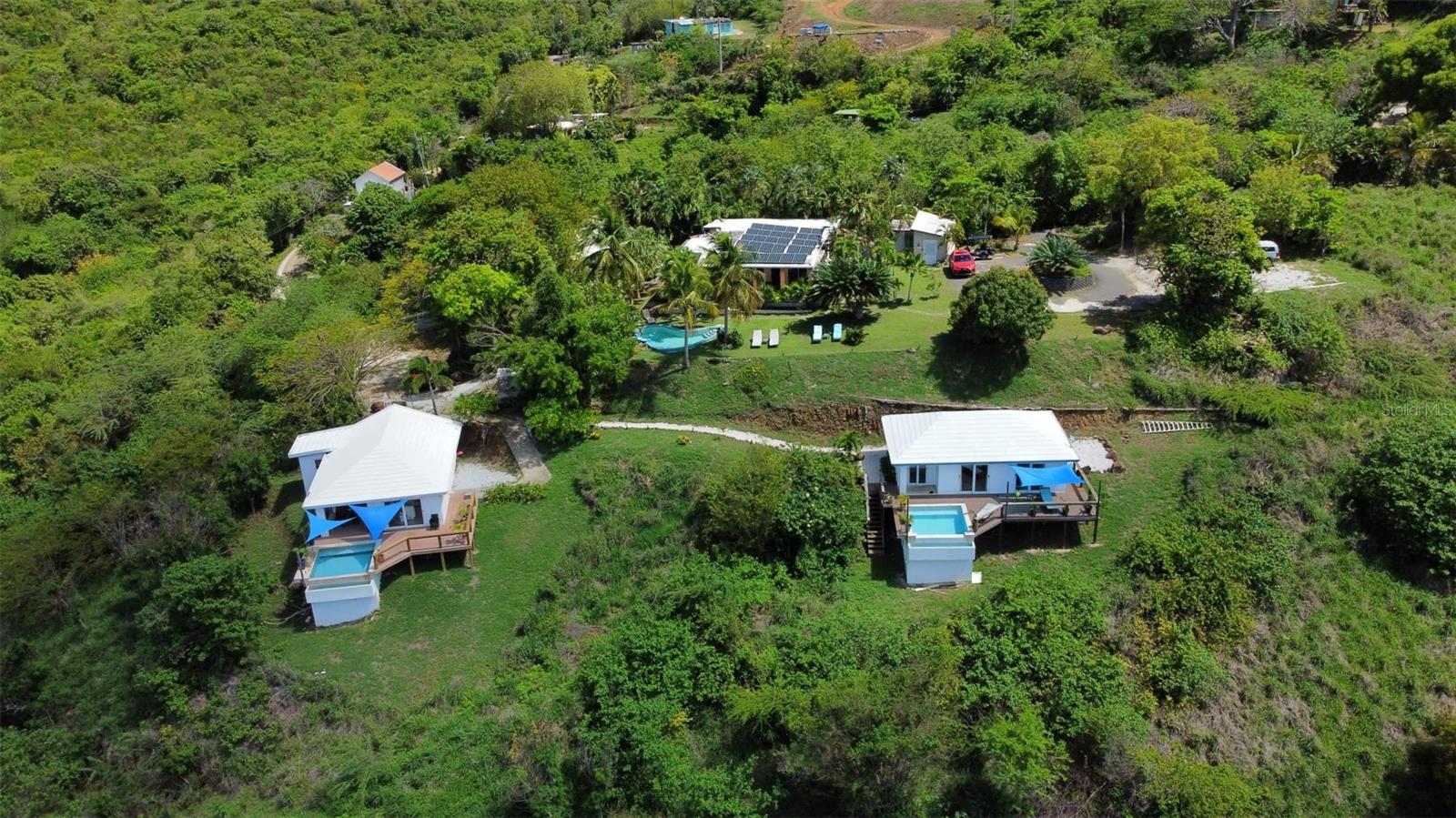
5R Mount Resaca, Barrio Flamenco, Culebra
This multi-building property on Mount Resaca includes several guest units, pools, water-storage capacity, solar power, and panoramic Caribbean views.
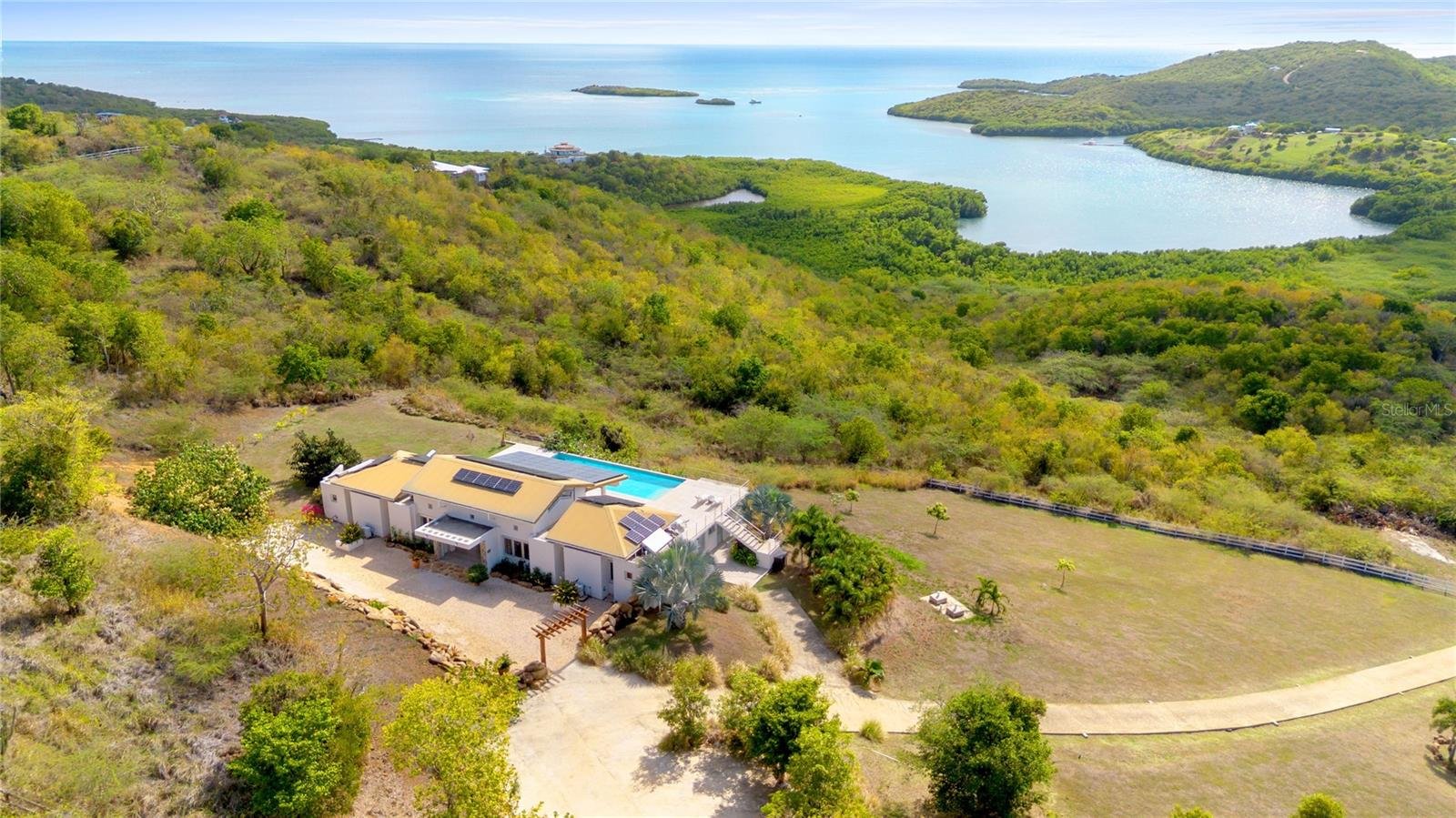
11 Barrio Frailes, Culebra
This hillside retreat above Las Pelas Bay features extensive acreage, broad water views, open-air living areas, an infinity pool, backup systems, and dock access.
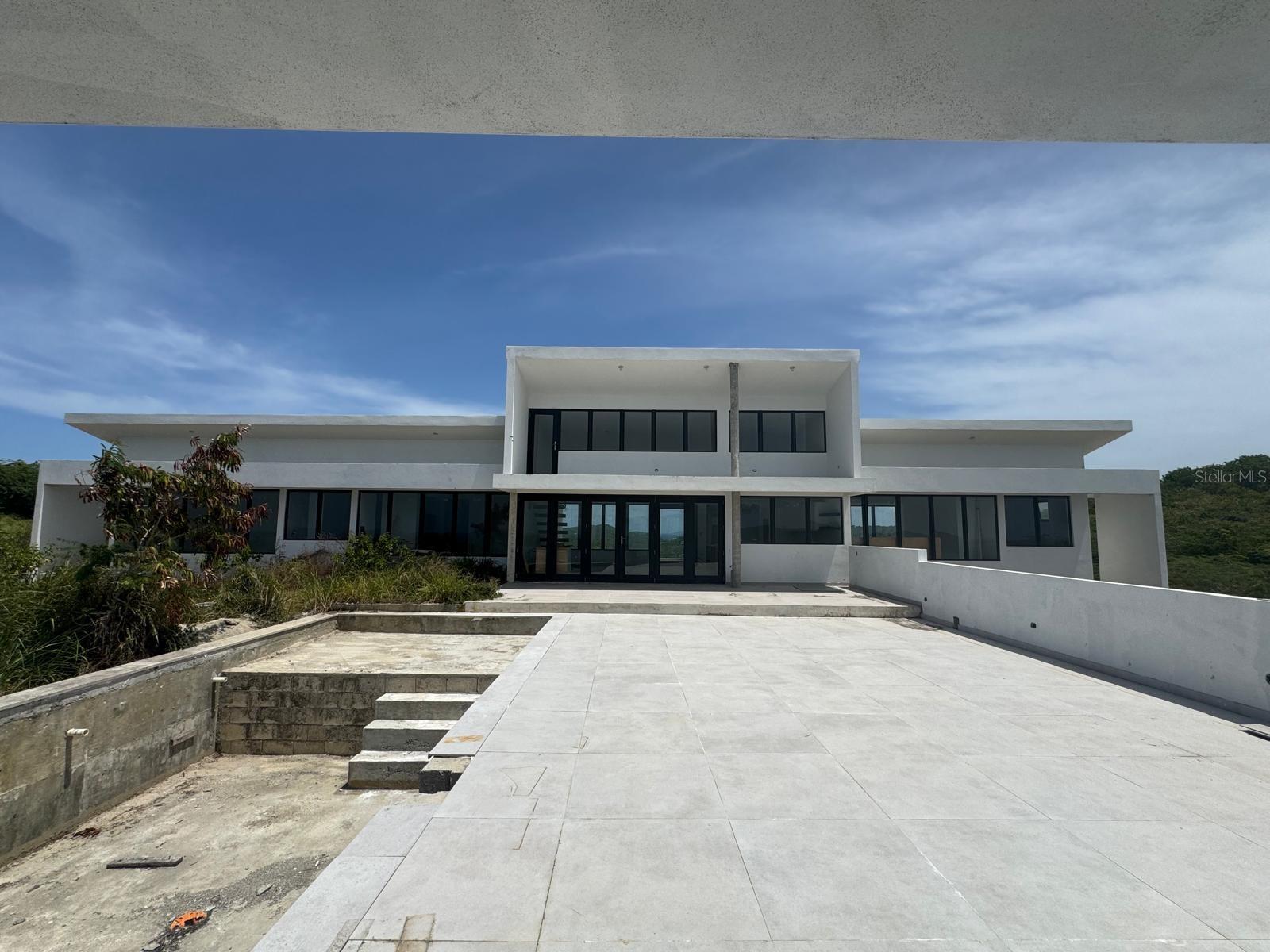
8 Alturas de Zoni, Culebra
This unfinished residence offers a large hillside site and ocean views, giving a buyer the opportunity to evaluate and complete the property subject to current permits and professional inspections.
Explore Luxury Homes Beyond Culebra, PR
Buyers comparing Culebra with other Puerto Rico markets can also review homes in Dorado, San Juan, Río Grande, Guaynabo, and Palmas del Mar.

182 Dorado Beach East, Dorado
This single-level residence includes three bedrooms, covered outdoor space, backup power and water systems, and access to Dorado Beach community amenities.
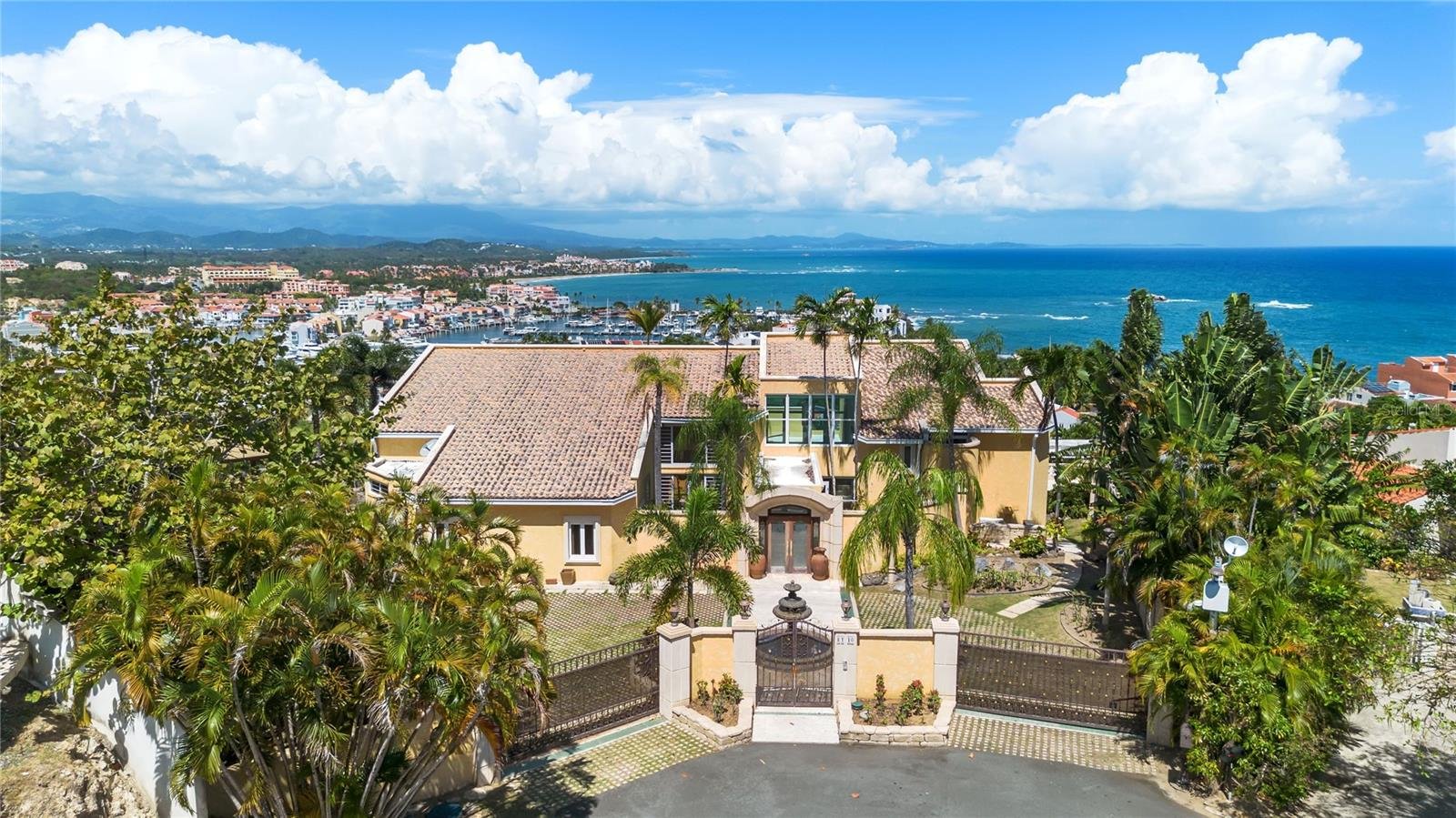
10 Ridgetop, Humacao
This Palmas del Mar residence offers six bedrooms, expansive terraces, and ocean, mountain, and resort views within an established coastal community.
Conclusion
Culebra's history connects protected habitat, military-era land use, community activism, and the growth of tourism. Its real estate market is shaped by limited land, island infrastructure, coastal conditions, and conservation responsibilities. Buyers and visitors benefit from verifying transportation, property, and access details before making plans.
Christie’s International Real Estate Puerto Rico can help buyers evaluate luxury property in Culebra and across the island. The brokerage also assists owners preparing to sell distinctive Puerto Rico homes. Contact the team for professional guidance when buying, selling, or renting luxury property in Puerto Rico.
FAQs
Where is Isla Culebra, Puerto Rico?
Culebra is an island municipality approximately 17 miles east of Puerto Rico's main island. It is surrounded by smaller cays, many of which form part of the Culebra National Wildlife Refuge.
When did the U.S. Navy leave Culebra?
Federal refuge records state that military training continued until late 1975. Portions of former military lands were transferred to the Commonwealth of Puerto Rico and the Fish and Wildlife Service in 1976.
Does the ferry to Culebra leave from Fajardo?
No. The scheduled passenger route currently operates between Ceiba and Culebra. Travelers should confirm current schedules and boarding requirements with Puerto Rico Ferry.
What should buyers inspect in a Culebra property?
Buyers should review title, boundaries, legal access, permits, utilities, cisterns, backup power, septic systems, structural condition, drainage, flood and coastal exposure, insurance, and intended-use requirements.
Where can buyers find current Culebra listings?
Current inventory is available on Christie’s International Real Estate Puerto Rico's Culebra property page. Availability and terms should be confirmed directly because listing status can change.